

Not every diesel engine problem can be fixed by replacing a damaged part. Sometimes, the real issue is deeper inside the engine.
Worn cylinder bores, damaged crankshaft journals, warped cylinder heads, and hidden cracks can cause problems even after new parts are installed. If these conditions are not identified, the engine may develop the same issue again.
This is when diesel engine repair needs machine shop support.
A professional diesel machine shop uses precision measuring tools, specialized testing equipment, and machining processes to inspect and restore critical engine components.
At Motor Service Group, we support diesel engine repair in Miami through component inspection, pressure testing, crack detection, and precision machining.
This guide explains when machine shop services are necessary, which warning signs to watch for, and how specialized machining supports a more reliable diesel engine rebuild.
Why Some Diesel Engine Repairs Need More Than Standard Service
Diesel engines operate under demanding conditions. Commercial trucks, marine vessels, construction equipment, and industrial generators often run for long hours under heavy loads.
Over time, internal components can experience wear, heat damage, and mechanical stress.
Routine repairs may resolve many problems, but internal engine damage requires a closer inspection.
The Difference Between Standard Diesel Repair and Machine Shop Repair
Standard diesel engine repair often involves diagnosing a problem and replacing or repairing the affected part.
This may include fuel system repairs, cooling system maintenance, gasket replacement, or other mechanical work.
Machine shop support becomes important when the repair involves the physical condition of internal engine components.
For example:
- A warped cylinder head may need resurfacing before a new gasket is installed.
- A worn crankshaft journal may require grinding or polishing.
- A damaged engine block may need boring, honing, or other machining.
- A connecting rod with a worn bushing may need reconditioning.
- A suspected crack may require specialized testing.
A qualified diesel repair technician may identify these problems, while a diesel machine shop provides the equipment needed for detailed inspection and machining.
The two services often work together during complex repairs.
Why Replacing a Failed Part May Not Solve the Problem
A failed component is sometimes the result of another underlying issue.
For example, replacing engine bearings without checking crankshaft journals may leave excessive wear or incorrect clearances unresolved.
Likewise, installing a new head gasket on a warped cylinder head may not restore proper sealing.
Machine shop inspection helps determine why a component failed and whether surrounding parts have also been affected.
This allows technicians to make repair decisions based on the actual condition of the engine.
Why Precision Measurement Matters Before Reassembly
Diesel engines depend on accurate clearances and component dimensions.
Before reassembly, technicians may need to check:
- Cylinder bore diameter, taper, and roundness
- Cylinder head and engine block deck flatness
- Crankshaft journal dimensions
- Main and connecting rod bearing clearances
- Connecting rod alignment
- Valve seat and guide condition
- Surface finish and sealing areas
These measurements help determine whether components meet the manufacturer’s specifications.
Small dimensional problems can affect lubrication, compression, sealing, and engine reliability.
For more information, read our guide on connecting rod bushing wear, its causes, and repair options.
Warning Signs Your Diesel Engine May Need Machine Shop Support
Not every engine problem requires machining.
However, certain symptoms may indicate internal damage that needs more than routine repair.
Low Compression or Difficulty Starting
Low compression can make a diesel engine difficult to start and may cause rough running, reduced power, or excessive smoke.
Possible causes include:
- Worn cylinder bores or piston rings
- Damaged valves or valve seats
- Cylinder head gasket problems
- Cracked or warped cylinder heads
- Other internal sealing problems
A technician should diagnose the cause before deciding whether machining is necessary.
If the problem involves worn cylinder bores, damaged valve seats, or distorted sealing surfaces, machine shop services may be required.
Engine Overheating and Coolant Loss
Overheating can damage cylinder heads, engine blocks, and sealing surfaces.
A diesel engine that repeatedly loses coolant may also have a leaking gasket, cracked casting, or another cooling system problem.
When internal damage is suspected, machine shop inspection can help determine whether the affected components remain suitable for reuse.
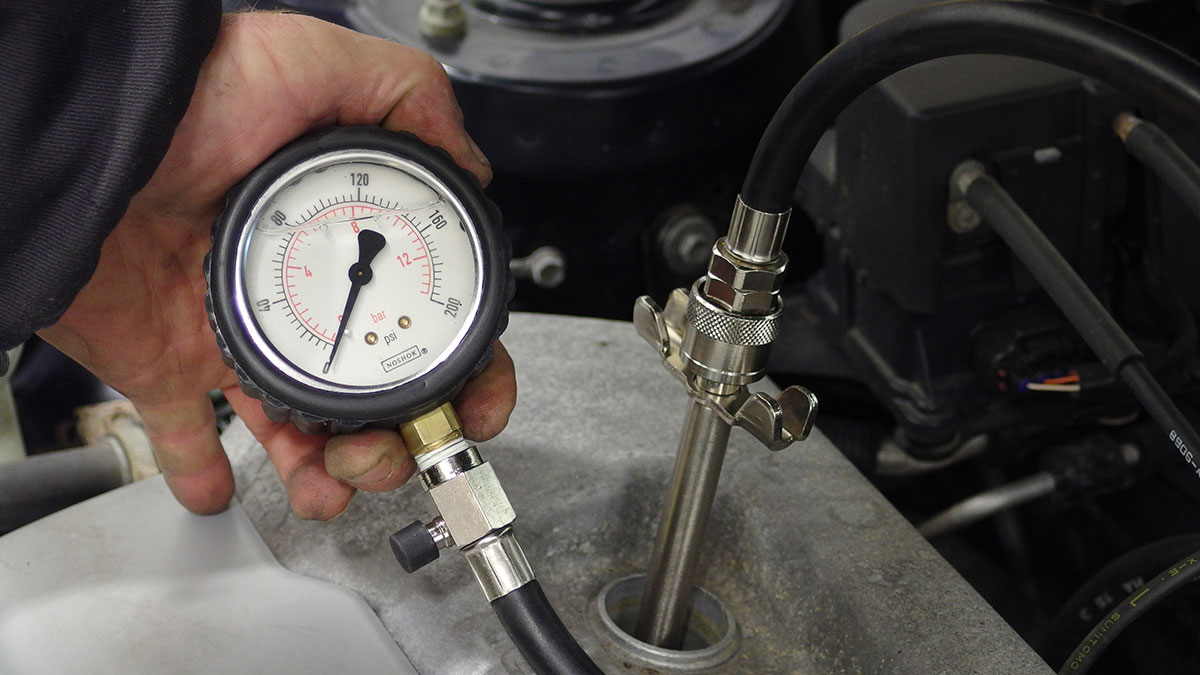
Cylinder head pressure testing may be needed to identify leaks that are not visible during a basic inspection.
Learn more about why pressure testing matters before engine reassembly.
Bearing Damage, Knocking, or Low Oil Pressure
Bearing problems can develop because of lubrication failure, contamination, incorrect clearances, or worn components.
Symptoms may include unusual engine knocking, low oil pressure, or metal particles in the oil.
When bearing damage occurs, technicians may need to inspect:
- Crankshaft journal wear and scoring
- Journal diameter and roundness
- Main bearing bore alignment
- Connecting rod big-end condition
- Lubrication passages and contamination
Replacing damaged bearings without checking these areas may leave the original problem unresolved.
Read our guide on warning signs that a crankshaft needs professional repair.
Cracks, Warping, and Surface Damage
Visible cracks, scored cylinder walls, damaged sealing surfaces, or excessive wear are strong reasons to consider machine shop inspection.
Some defects can be repaired through machining or approved repair procedures.
Others may place the component outside its allowable service limits.
A specialist can inspect the damage, check the relevant specifications, and help determine whether repair or replacement is appropriate.
Which Diesel Engine Components Need Machine Shop Inspection?
A diesel engine contains several major components that must maintain accurate dimensions and surface conditions.
When these components become worn or damaged, machine shop inspection helps guide the repair process.
Engine Blocks
The engine block supports the cylinders, crankshaft, and other major components.
Damage to the block can affect compression, lubrication, alignment, and sealing.
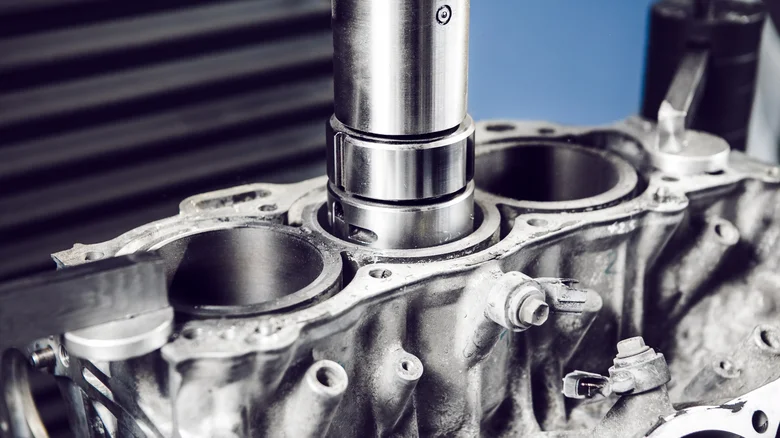
Depending on the engine and its condition, engine block machining services may include:
- Cleaning and visual inspection
- Cylinder bore measurement
- Cylinder boring and honing
- Deck resurfacing
- Main bearing bore inspection and align boring
- Crack detection or pressure testing
- Thread and surface repair
- Cylinder sleeving where appropriate
Before machining, technicians need to determine whether the block can be repaired within the manufacturer’s specifications.
Learn more about engine block inspection in Miami before machining.
Cylinder Heads
Cylinder heads must withstand combustion pressure and high temperatures while maintaining proper sealing and valve operation.
Overheating, corrosion, and mechanical wear can affect their condition.
Professional cylinder head services may include:
- Cleaning and inspection
- Pressure testing
- Deck resurfacing
- Valve and valve seat machining
- Valve guide inspection
- Crack detection
- Other repairs suited to the cylinder head design
For example, a cylinder head that has warped after overheating may require resurfacing if the distortion can be corrected within specification.
A head with suspected internal cracks may need pressure testing before further work is approved.
These inspections help prevent damaged components from being reinstalled.
Crankshafts
The crankshaft converts piston movement into rotational power.
Its journals must maintain the correct dimensions and surface condition to support proper bearing operation.
After bearing failure or lubrication problems, the crankshaft may develop scoring, wear, or other damage.
Machine shop inspection may involve:
- Measuring journal diameter and roundness
- Checking runout
- Inspecting surface condition
- Performing crack detection where appropriate
- Polishing or grinding repairable journals
The required work depends on the crankshaft material, engine design, and applicable repair specifications.
Camshafts
Camshafts control valve timing and operation.
Worn lobes, damaged bearing journals, or other surface problems can affect engine performance.
A machine shop may inspect the camshaft for wear, damage, and dimensional problems.
Depending on the condition, specialized repair or replacement may be necessary.
Not every camshaft defect can be corrected through machining.
Connecting Rods
Connecting rods transfer force between the pistons and crankshaft.
They must maintain correct alignment and bearing dimensions.
During a diesel engine rebuild, technicians may inspect connecting rods for:
- Bushing wear
- Big-end bore distortion
- Misalignment
- Surface damage
- Cracks
- Bearing-related damage
When suitable for repair, a connecting rod may need resizing, bushing replacement, or other precision machining.
Learn more about connecting rod polishing and bushing replacement.
How a Diesel Machine Shop Supports Accurate Engine Repair
A professional diesel machine shop does more than machine damaged parts.
It helps repair technicians and engine rebuilders understand the condition of major components before reassembly.
Component Cleaning and Initial Inspection
Cleaning is often the first step in preparing a component for detailed inspection.
Oil residue, carbon deposits, rust, and sludge can hide cracks or surface damage.
Cleaning also helps technicians take accurate measurements and prepare the component for testing.
For example, an engine block may need its oil galleries and coolant passages cleaned after internal engine failure.
Read our guide on engine block cleaning before machining.
Pressure Testing for Hidden Leaks
Some engine components contain internal passages that may develop cracks or leaks.
Pressure testing helps identify these problems.
It is commonly used when inspecting cylinder heads, engine blocks, and other suitable components after overheating or suspected coolant leakage.
A component may appear undamaged during visual inspection but still fail a pressure test.
Identifying the leak before reassembly can prevent the installation of a defective part.
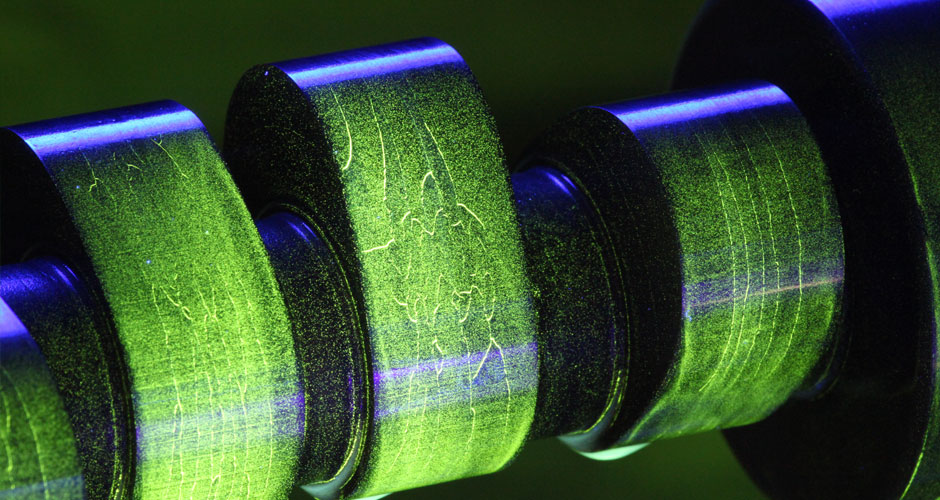
Magnaflux Crack Detection
Magnaflux testing is a magnetic particle inspection method used on suitable ferromagnetic components.
It helps identify surface and near-surface cracks that may be difficult to see.
This method may be used when inspecting crankshafts, connecting rods, and certain engine castings.
The appropriate crack detection method depends on the component material and suspected damage.
Learn more about Magnaflux crack detection during engine rebuilding.
Precision Measurements and Machining
After inspection, the machine shop compares critical dimensions with the manufacturer’s specifications.
If the component is repairable, technicians can determine which machining procedures are appropriate.
These may include:
- Cylinder boring and honing
- Cylinder head resurfacing
- Crankshaft grinding
- Connecting rod resizing
- Main bearing bore machining
- Other precision component repairs
Machining should restore the required dimensions and surface condition without exceeding the component’s allowable limits.
Final Inspection Before Reassembly
After machining, the component should be checked again.
This helps confirm that the completed work meets the required dimensions and surface specifications.
Additional cleaning or testing may also be necessary.
A final inspection gives the engine rebuilder better information before the component is installed.
When Should Diesel Engine Repair Include Precision Machining?
Precision machining should be considered when inspection identifies damage or wear that can be corrected through an approved machining procedure.
Common situations include:
- Engine overheating that damages sealing surfaces
- Bearing failure that affects crankshaft journals
- Excessive cylinder bore wear
- Low compression caused by damaged internal components
- Warped cylinder heads
- Main bearing bore alignment problems
- Connecting rod wear or distortion
- Repeated failures after previous repairs
Not every condition requires machining.
Some components may still meet specifications, while others may be too damaged for economical repair.
The purpose of machine shop inspection is to make that decision before unnecessary work begins.
Why Machine Shop Support Matters for Marine, Fleet, and Heavy Equipment Engines
Heavy-duty diesel engines are often essential to business operations.
When an engine fails, the cost may extend beyond the repair itself.
Marine Diesel Engines
Marine diesel engines operate in demanding environments where overheating, corrosion, and sustained loads can affect engine components.
If a marine engine develops internal damage, proper inspection helps determine which parts need machining or replacement.
This is especially important for commercial vessel operators who depend on reliable equipment.
Commercial Fleet Engines
Commercial fleet operators rely on diesel engines to keep vehicles in service.
A repeated engine failure can disrupt schedules and increase repair expenses.
Machine shop inspection can help identify crankshaft wear, cylinder damage, and other problems before rebuilding.
Heavy Equipment and Industrial Engines
Construction equipment, generators, and industrial machinery often operate under significant loads for long periods.
Internal engine damage can create costly downtime.
When precision machining is required, choosing a qualified diesel machine shop helps ensure the work follows the appropriate component specifications.
Why Choose the Right Diesel Machine Shop in Miami?
When a diesel engine needs internal repairs, the quality of the inspection and machining work matters.
A suitable provider should offer the technical experience and equipment needed for the component being repaired.
Before selecting a shop, ask:
- Does the team have experience with my engine type?
- Can the shop inspect the damaged components?
- Which measurements will be taken?
- What testing is recommended?
- Can the component be machined within specification?
- How will the completed work be checked?
Clear answers help you understand the repair process and make informed decisions.
A qualified machine shop should also explain when a component cannot be repaired and replacement is the better option.
Diesel Engine Repair in Miami: How Motor Service Group Can Help
Motor Service Group has served Miami since 1949, providing precision diesel engine machining, inspection, and component repair services.
Our machine shop supports marine repair businesses, fleet operators, heavy equipment contractors, power generation facilities, and industrial customers across South Florida.
We focus on evaluating critical engine components and performing the machining work needed to support diesel engine rebuilding.
Our Diesel Engine Machine Shop Services
Motor Service Group provides services for:
- Engine blocks
- Cylinder heads
- Crankshafts
- Camshafts
- Connecting rods
- Heavy-duty diesel engine components
- Marine and commercial diesel engine parts
Depending on the component and its condition, work may include cleaning, inspection, crack detection, pressure testing, precision measurement, and machining.
Our team helps customers understand the condition of their components and the repair options available.
For more information about our capabilities, visit Motor Service Group.
Supporting Diesel Engine Repair Across South Florida
Motor Service Group supports customers throughout Miami-Dade, Broward, and Palm Beach counties.
Our services help local repair shops, fleet operators, equipment owners, and engine rebuilders address internal component damage.
Whether your project involves crankshaft wear, a damaged cylinder head, or engine block machining, our team can help evaluate the component and discuss the appropriate next steps.
Frequently Asked Questions
When Does Diesel Engine Repair Need Machine Shop Support?
When internal components have cracks, excessive wear, distortion, damaged surfaces, or incorrect clearances that require specialized inspection or machining.
Why Is Machine Shop Inspection Important Before a Diesel Engine Rebuild?
It helps identify damaged components and confirm whether critical dimensions meet the manufacturer’s specifications before reassembly.
Which Diesel Engine Parts Commonly Need Machining?
Engine blocks, cylinder heads, crankshafts, and connecting rods commonly require machining. The exact work depends on the damage.
Can a Diesel Machine Shop Fix Low Compression?
Sometimes. If low compression results from repairable cylinder, valve, or sealing surface damage, machining may be part of the solution.
Why Is Pressure Testing Important During Diesel Engine Repair?
Pressure testing helps identify hidden leaks in suitable components, including cylinder heads and engine blocks, before reassembly.
What Does Magnaflux Testing Detect?
Magnaflux testing helps identify surface and near-surface cracks in suitable ferromagnetic engine components.
Where Can I Find Diesel Engine Machine Shop Services in Miami?
Motor Service Group provides precision diesel engine component inspection, machining, and repair services in Miami for customers across South Florida.
Contact Motor Service Group for Diesel Engine Repair Support in Miami
When a diesel engine develops internal damage, replacing the failed part may not be enough.
Worn cylinder bores, damaged crankshaft journals, cracked cylinder heads, and incorrect clearances require accurate inspection before repair decisions are made.
Motor Service Group provides precision machining and component inspection to support diesel engine repair in Miami and South Florida.
Whether you need engine block machining, cylinder head inspection, crankshaft grinding, or connecting rod repair, our team can help assess your requirements.
Contact Motor Service Group today to discuss your diesel engine components and request an estimate.