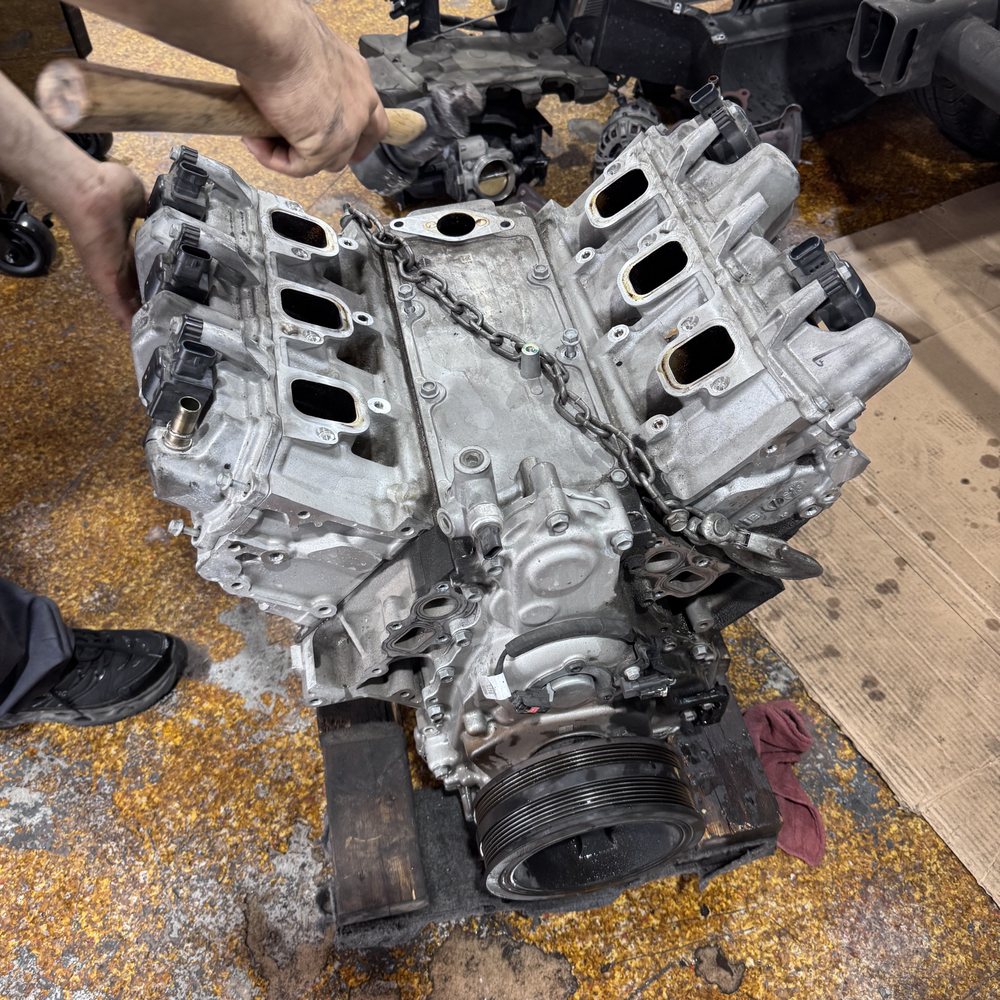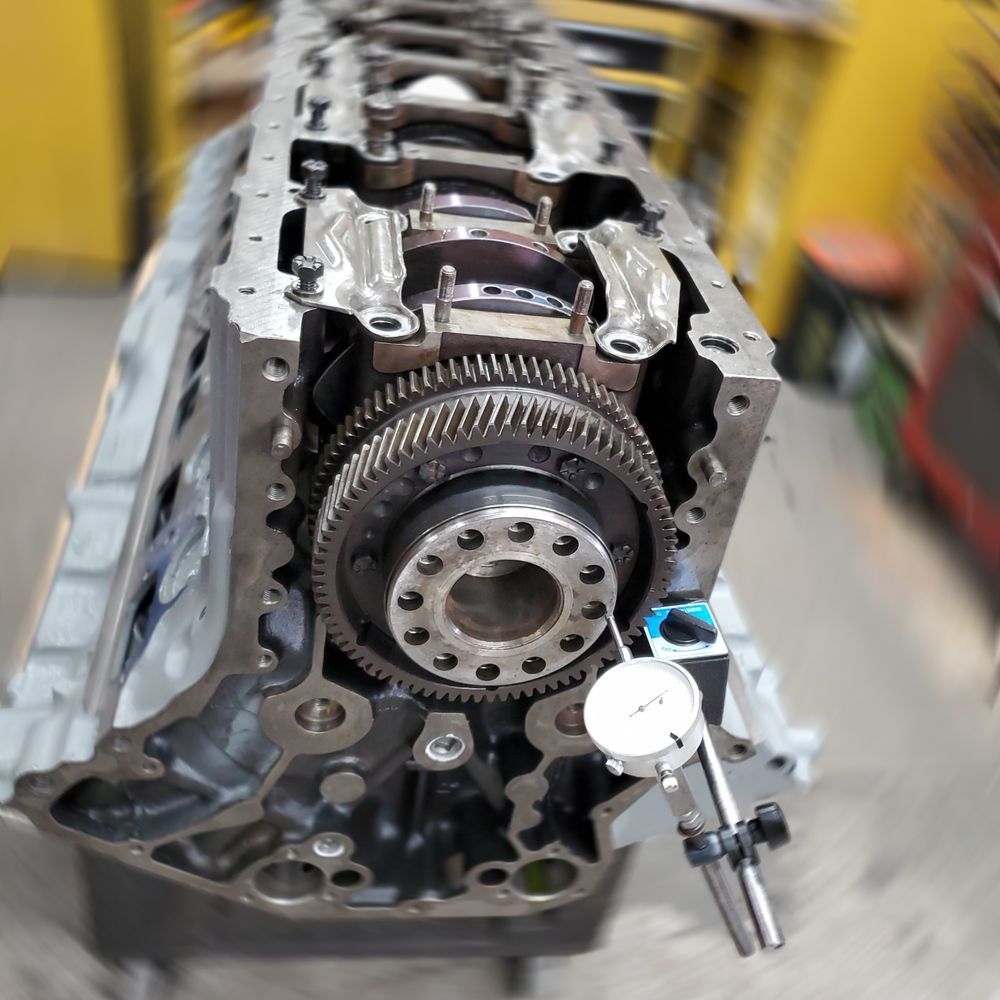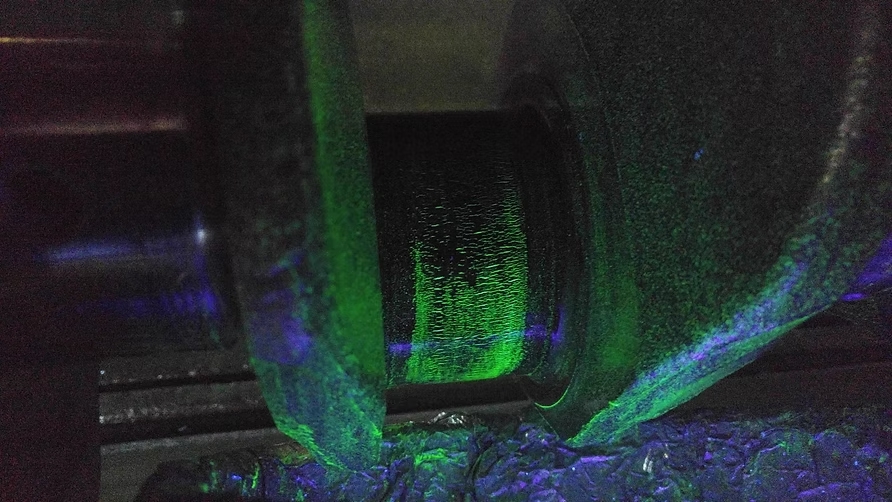


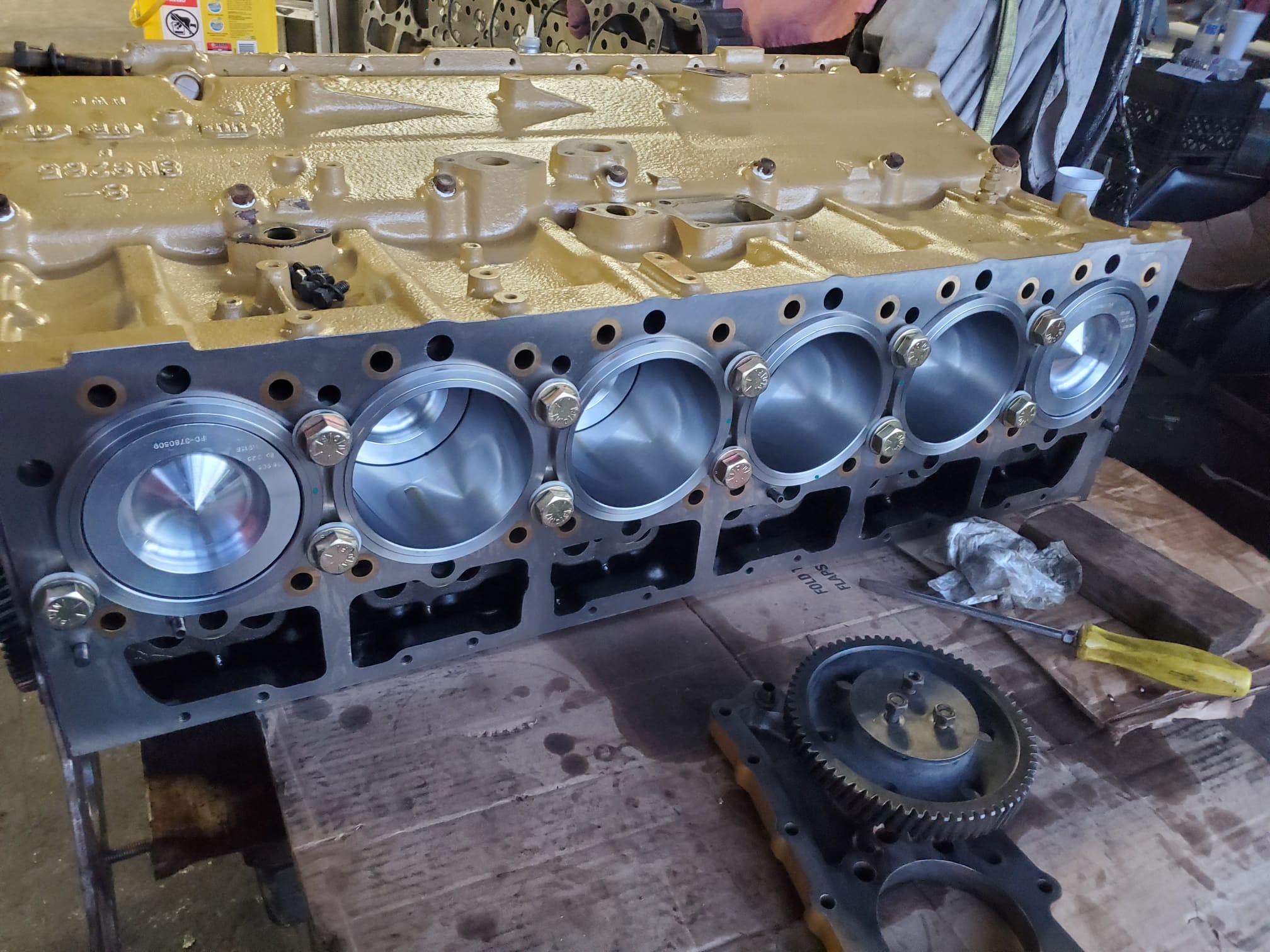
Engine block machining should never start with guesswork. Before any cutting, resurfacing, boring, sleeving, or align boring begins, the block should be inspected carefully. Inspection helps the machine shop determine what the block needs and whether it is still worth repairing.
For engine block inspection in Miami, this step is especially important for diesel engines used in commercial vehicles, marine applications, generators, industrial equipment, and heavy-duty machinery. These engines operate under high load and heat, so small issues inside the block can lead to major failures after reassembly.
At Motor Service Group, we inspect diesel engine blocks before machining to help customers make the right repair decision. The goal is simple: measure first, machine correctly, and avoid repeat engine problems.
Why Engine Block Inspection Comes Before Machining
An engine block is the foundation of the engine. If the block is cracked, warped, worn, or out of alignment, the rest of the rebuild can be affected.
Machining can correct many problems, but only when the block’s condition is fully understood first. Without proper inspection, the wrong repair can be performed, or a damaged block can be reused when it should not be.
Inspection Helps Determine the Right Repair Path
A proper inspection helps answer important questions before work begins:
- Can the block be reused?
- Does the block need resurfacing?
- Are the cylinder bores worn or damaged?
- Is sleeving required?
- Are the main bearing bores aligned?
- Are there cracks, corrosion, or damaged threads?
- Are oil and coolant passages clear enough for safe operation?
These answers guide the repair plan. They also help avoid unnecessary machining when the block only needs a specific correction.
Why Machining Without Proper Inspection Can Lead to Repeat Failure
If a block is machined without proper inspection, the engine may fail again after reassembly.
For example, resurfacing the deck may not solve the problem if the block has hidden cracks. Boring the cylinders may not be enough if the damage is too deep and the block needs sleeves. Replacing bearings may not last if the main bore alignment is incorrect.
Diesel engine block inspection helps prevent these mistakes by confirming the condition of the block before machining decisions are made.
What a Machine Shop Checks During Engine Block Inspection
A complete inspection evaluates the entire block, not only the visible damage. Each surface, bore, passage, and threaded location can affect the final repair.
Cylinder Bore Wear, Taper, and Out-of-Round Conditions
Cylinder bores must be measured carefully. Wear is not always even from top to bottom or side to side.
A machine shop checks for:
- Bore diameter
- Taper
- Out-of-round wear
- Scoring
- Pitting
- Sleeve damage
- Excessive wear from heat or poor lubrication
If the bore is outside specification, the block may need boring, honing, or sleeving. The right choice depends on the amount of wear and the engine’s repair requirements.
Deck Flatness and Surface Damage
The deck surface must be flat and clean enough to seal properly with the cylinder head and head gasket.
Inspection may reveal:
- Warping
- Corrosion
- Pitting
- Fire ring damage
- Old gasket material
- Surface irregularities
- Heat-related distortion
If the deck is not evaluated before work begins, the surface finish may not support proper sealing. This can lead to coolant leaks, compression loss, or head gasket failure.
Main Bearing Bore Alignment
Main bearing bore alignment is critical because it affects crankshaft support, oil clearance, and bearing life.
A machine shop checks whether the main bores are straight, round, and properly aligned. If this area is ignored, the engine can suffer from low oil pressure, uneven bearing wear, crankshaft stress, or early failure.
This is one of the most important checks during diesel engine block inspection because diesel engines place heavy load on the crankshaft and bearing system.
Cracks, Corrosion, and Structural Damage
Some block damage is visible. Other damage is not obvious until the block is cleaned and inspected closely.
A machine shop looks for:
- Cracks around cylinders
- Cracks near bolt holes
- Damage around the deck surface
- Corrosion in coolant areas
- Damage near main bearing supports
- Structural weakness from overheating or failure
If cracks or severe corrosion are found, the repair plan may change. In some cases, the block may not be worth repairing.
Thread Condition, Oil Passages, and Coolant Passages
Threads, oil passages, and coolant passages are easy to overlook, but they matter.
Damaged threads can affect bolt torque and sealing. Blocked oil passages can reduce lubrication. Restricted coolant passages can cause overheating after the engine is rebuilt.
During inspection, these areas should be checked before machining and reassembly decisions are made.
When Engine Block Inspection Changes the Machining Plan
The inspection does more than confirm damage. It helps decide what type of machining, repair, or replacement makes the most sense.
When Resurfacing May Be Needed
Resurfacing may be needed when the deck is warped, pitted, corroded, or damaged from head gasket failure. The goal is to create a surface that supports proper sealing.
However, resurfacing should be based on measurement. Cutting the deck without confirming flatness and surface condition can remove material unnecessarily.
When Sleeving May Be Better Than Boring
Boring may correct normal cylinder wear, but it is not always enough.
Sleeving may be a better option when:
- The cylinder wall is deeply damaged
- Wear exceeds safe machining limits
- There is scoring or pitting
- The bore has already been machined before
- The block needs a stronger repair area
Inspection helps determine whether the cylinder can be corrected by machining or needs a sleeve.
When Align Boring or Align Honing Should Be Considered
Align boring or align honing may be needed when the main bearing bores are distorted, worn, or out of alignment.
This may happen after bearing failure, overheating, heavy use, or previous improper repairs. If the main bore alignment is wrong, new bearings and a repaired crankshaft may still fail early.
When the Block May Not Be Worth Repairing
Not every engine block should be repaired. Severe cracking, deep corrosion, excessive wear, or major structural damage can make repair risky or uneconomical.
A proper inspection helps customers avoid spending money on machining a block that may not perform reliably after the rebuild.
Why Diesel Engine Block Inspection Matters for Heavy-Duty Applications
Diesel engines work under higher compression and heavier load than many light-duty engines. That makes block condition especially important.
For fleets, marine operators, repair shops, and equipment owners, a poor inspection can lead to downtime, repeat repairs, and higher costs.
Accurate inspection helps protect:
- Compression
- Oil pressure
- Coolant sealing
- Bearing life
- Head gasket sealing
- Crankshaft alignment
- Long-term engine reliability
For engine block repair in South Florida, this matters because many diesel engines in the region support commercial, marine, industrial, and heavy-duty operations where downtime is expensive.
How Motor Service Group Supports Engine Block Inspection in Miami
Motor Service Group provides engine block inspection in Miami for customers who need accurate machine shop support before machining or rebuilding.
Our team checks key areas of the block before recommending the next step. This helps repair shops, fleet operators, marine customers, and equipment owners understand what the block needs before work begins.
Our engine block support may include:
- Cleaning and inspection
- Cylinder bore measurement
- Deck surface inspection
- Main bore alignment checks
- Crack inspection
- Thread and surface evaluation
- Oil and coolant passage review
- Machining recommendations
- Precision repair when required
Not every block should be machined the same way. The right approach starts with inspection, accurate measurement, and a repair plan based on the block’s real condition.
Common Mistakes to Avoid Before Engine Block Machining
Engine block machining should be planned carefully. These mistakes can lead to poor results or repeat failure.
Machining Before the Block Is Fully Inspected
Machining too early can hide or worsen problems. Inspection should come first so the machine shop knows what work is actually needed.
Ignoring Main Bore Alignment
Main bore alignment affects the crankshaft and bearings. If this area is skipped, the engine may develop oil pressure issues, bearing wear, or internal stress.
Overlooking Hidden Cracks or Coolant Passage Damage
Cracks and coolant passage problems can cause leaks, overheating, or contamination after the rebuild. These issues should be identified before reassembly.
Choosing a Repair Based Only on Visible Damage
Visible damage is only part of the story. A block can look repairable but still have wear, misalignment, or internal problems that affect reliability.
Quick Questions
Q. What should be checked before machining an engine block?
A machine shop should check cylinder bore wear, deck flatness, main bore alignment, cracks, corrosion, thread condition, oil passages, and coolant passages before choosing the repair plan.
Q. Why is engine block inspection important before machining?
Inspection helps confirm what repair is needed. It reduces the risk of unnecessary machining, poor sealing, bearing problems, or repeat engine failure.
Q. When does an engine block need resurfacing?
An engine block may need resurfacing when the deck is warped, pitted, corroded, or damaged enough to affect head gasket sealing.
Q. When is sleeving better than boring?
Sleeving may be better when cylinder damage is too deep, the bore is worn beyond safe limits, or the block has already been machined before.
Q. Can an engine block be too damaged to repair?
Yes. Severe cracks, corrosion, excessive wear, or structural damage can make repair unreliable or too costly compared to replacement.
Q. Where can I get diesel engine block inspection in Miami?
Motor Service Group provides diesel engine block inspection in Miami with machine shop support for repair shops, fleets, marine engines, industrial equipment, and heavy-duty diesel applications.
Get Block Inspection Support
Engine block machining should start with accurate inspection. Before resurfacing, boring, sleeving, or align boring, the block needs to be measured and evaluated correctly.
Contact Motor Service Group today for engine block inspection, precision machining, and repair support in Miami and South Florida. Our team helps evaluate diesel engine blocks before an incorrect repair decision leads to repeat failure.