

An engine block can look clean and still have cylinder walls that are too worn for new piston rings to seal. When a rebuild begins, the question is often whether the cylinders need boring, honing, or both. These processes sound similar, but they solve different problems.
Engine block boring removes a larger, controlled amount of metal to correct a worn or damaged cylinder and establish a new bore size. Engine block honing removes a smaller amount of material to refine bore geometry and produce the surface finish required for piston-ring seating. Many rebuilds use both processes in sequence; some blocks need only honing, and others need a sleeve or replacement instead.
The right choice depends on measurements, not appearance. For diesel fleet, marine, heavy-equipment, and generator engines, an incorrect bore decision can affect oil consumption, compression, heat transfer, and service life.
What does engine block boring do?
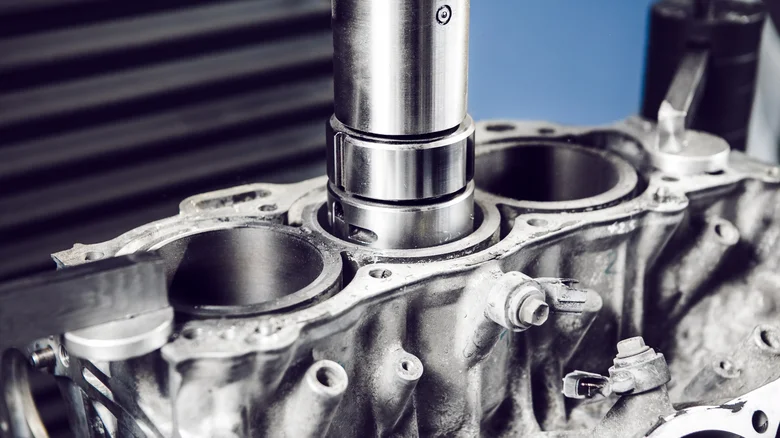
Boring enlarges a cylinder with a precision cutting tool. The machinist establishes a controlled diameter and removes material that may be tapered, out of round, scored, or otherwise outside the manufacturer’s service limits. The operation creates a sound starting point for the final honing pass.
Boring is not a routine cleaning step. It changes the cylinder’s size. On engines designed for oversize pistons, the shop selects the correct piston and ring package and machines the bore to the required dimensions. On replaceable-liner engines, the correct repair may instead involve replacing or machining the liner, depending on its design.
An engine with deep scoring from piston damage may require more material removal than a light honing pass can safely provide. Yet removing too much metal is also a problem: cylinder wall thickness, liner support, and available service sizes place limits on what can be machined.
What does engine block honing do?
Honing uses abrasive stones to refine the bore after boring or to correct limited surface and geometry defects when sufficient material remains within specification. It produces the required final diameter, straightness, roundness, and cylinder-wall texture.
The familiar crosshatch pattern is not simply cosmetic. Its texture supports oil control and piston-ring seating. The correct finish depends on the engine design, liner material, and ring manufacturer’s instructions. A finish that is too rough can increase ring wear; one that is too smooth or poorly prepared can compromise oil retention and seating.
Professional honing is a measured machining process. A quick glaze-breaking pass cannot be assumed to restore a cylinder that is significantly tapered, distorted, or beyond wear limits. The machinist must measure the bore before and after the work.
Engine block boring vs. honing: the practical differences
Boring is primarily a dimensional correction step. Honing is primarily a precision sizing and surface-finishing step. Boring typically removes more material; honing removes less, although the amount varies with the process and condition.
Boring commonly requires a compatible oversize piston or an approved liner repair strategy. Honing may be used with existing-size components only when the measured clearances, bore condition, and manufacturer limits permit it. Neither process should be selected solely because an engine has high mileage.
Think of boring as correcting the shape and size of a damaged opening, and honing as preparing that opening to work with the piston rings. That distinction helps explain why one process cannot always replace the other.
How a machine shop decides which operation is needed
The first step is thorough cleaning. Carbon, rust, and deposits can conceal wear and distort measurements. The shop then checks each cylinder at multiple depths and in more than one direction with appropriate precision measuring tools.
These readings reveal taper, out-of-round conditions, diameter, and the location of the worst wear. The technician also checks for scoring, cracks, corrosion, deck problems, and any signs of liner movement. The findings are compared with the engine manufacturer’s specifications and the planned piston or liner package.
If the cylinder is structurally sound and only needs a controlled surface correction, honing may be enough. If geometry is beyond the permitted correction range, boring followed by honing may be appropriate. If damage exceeds available repair sizes, sleeving, liner replacement, or a different block may be the better decision.
This is why experienced engine block machining services begin with inspection rather than quoting a one-size-fits-all procedure.
When boring and honing are performed together
Consider a diesel block with measurable taper and moderate scoring. The bore is not suitable for a simple finishing pass. The machinist may bore it to an approved size, leaving a planned amount of material for honing. The final honing operation then establishes the specified piston-to-wall clearance and surface finish.
Correct sequencing matters. If the bore is taken to final size during boring, there may be too little stock left to hone accurately. If too much is left, honing becomes inefficient and may affect geometry. The shop should follow its equipment process and the applicable engine specifications.
For some applications, a torque plate or other specified fixture may be used to simulate distortion from installed fasteners during honing. Whether this is necessary depends on the engine and the repair procedure; it is not a universal requirement for every diesel block.
What happens if the wrong process is chosen?
Honing a severely worn cylinder without correcting taper or out-of-round can leave uneven ring contact. The rebuilt engine may develop blow-by, oil consumption, poor compression, or early ring wear. Boring when it is not needed can remove useful cylinder material and force an unnecessary change in piston size.
An incorrect final surface finish can also undermine an otherwise sound rebuild. Ring materials and coatings vary, so the finish must match the parts being installed. The final cleaning step is just as important: abrasive residue left in the block can damage rings and bearings after startup.
Good machining is therefore more than producing a visible crosshatch. It means documenting dimensions, selecting the right repair path, controlling the finish, and cleaning the finished component.
Diesel engine considerations: parent bores, liners, and heavy-duty applications
Not every diesel block is built the same way. Some engines have cylinders machined directly into the block. Others use wet or dry liners, which change how wear is repaired and how the finished bore is measured.
A wet-liner engine may need liner replacement and checks of liner seating and protrusion rather than boring the parent block. A dry liner may require careful installation and finish machining. Large industrial and marine engines can have manufacturer-specific service procedures that differ from light-duty automotive practice.
The engine model, serial number, application, and replacement parts should be identified before work begins. This is particularly important for fleet and marine operators, where unplanned downtime has a real operational cost.
What to ask before approving cylinder machining
Ask the machine shop what the measured cylinder diameters are, whether taper and out-of-round are within limits, and what repair sizes are available. Request confirmation that the piston and ring specifications will be used to set final clearance and surface finish.
Also ask whether crack inspection, liner inspection, deck measurement, and final cleaning are included. A clear explanation of what was measured and why a particular operation is recommended is more useful than a generic statement that the block needs “machine work.”
For South Florida diesel applications, Motor Service Group offers engine block boring, honing, decking, sleeving, and related inspection work. The shop’s diesel engine machine shop services can be discussed against the specific engine and condition.
How bore measurements affect the final repair plan
A bore gauge reading is only meaningful when the measuring instrument has been set against a suitable reference. A technician commonly checks the bore near the top, middle, and lower travel area, with readings taken in different directions. This helps separate overall wear from local distortion. The exact measurement locations and limits come from the applicable service information.
Piston-to-wall clearance is not simply the difference between two arbitrary measurements. Piston design determines where its diameter is measured, and that location may differ by manufacturer. A rebuild plan should identify the actual replacement piston before the shop machines the bore to final size.
Cylinder wall condition should also be considered in context. Overheating, coolant contamination, poor lubrication, and abrasive dirt can each leave different wear patterns. Repairing the bore without addressing the cause can leave the rebuilt engine exposed to the same damage.
For engines with replaceable liners, liner seating, protrusion, and support can matter as much as the finished internal diameter. A liner that is not correctly seated may compromise sealing even when the internal honing pattern looks excellent.
How to compare machining estimates without choosing on price alone
Two estimates for engine block work may describe different scopes. One may include disassembly and cleaning, while another assumes a stripped block. One may include inspection and measurements, while another quotes only a cutting operation. Clarify what is included before comparing totals.
Ask whether the estimate covers inspection for cracks, checking the deck and main bearing alignment, verifying piston clearance, and final washing. These operations may be necessary in some rebuilds but not others. A clear itemized estimate is more useful than a single unexplained number.
Also confirm who supplies pistons, rings, or liners and whether the shop will machine to those exact parts. If components change after machining begins, the work may need to be rechecked. Coordinating parts and measurements early can reduce delays.
The least expensive repair is not always the one with the lowest initial machining charge. An accurate assessment may show that a different block or liner solution is more practical than repeatedly machining an unsuitable casting.
Frequently asked questions
Q: Is honing the same as boring an engine block?
A: No. Boring removes more material to correct cylinder size or damage. Honing refines the final bore dimensions and ring-contact surface.
Q: Can you hone an engine without boring it?
A: Sometimes. Honing alone is appropriate only when measured wear and geometry can be corrected within the engine’s service limits.
Q: Does boring always require bigger pistons?
A: Enlarging a parent bore usually requires an approved oversize piston. Liner-based repairs follow different manufacturer procedures.
Q: Why is crosshatch important after honing?
A: The correct cylinder-wall texture helps piston rings seat and supports oil control. The required finish depends on the engine and rings.
Q: Can deep cylinder scratches be removed by honing?
A: Not always. Deep scoring may require boring, liner replacement, or another repair after inspection.
Q: How do I know whether my diesel block can be repaired?
A: A machine shop must measure wear, inspect for cracks, and compare findings with the engine’s approved repair limits.
Get the right machining decision before reassembly
Boring and honing are not competing services. They are different tools used to restore cylinder geometry and finish when the block is a suitable repair candidate. The right combination begins with accurate inspection and manufacturer specifications.
If you have a diesel block that needs evaluation, contact Motor Service Group in Miami to discuss the component, engine model, and available engine block machining options. A measured repair plan can help avoid unnecessary machining and costly repeat work.