

The crankshaft is not a part you want to ignore. When it starts to fail, it takes everything else with it. This guide walks you through the warning signs, the causes, and what professional repair actually looks like so you can act before the damage gets out of hand.
What the Crankshaft Actually Does in a Diesel Engine
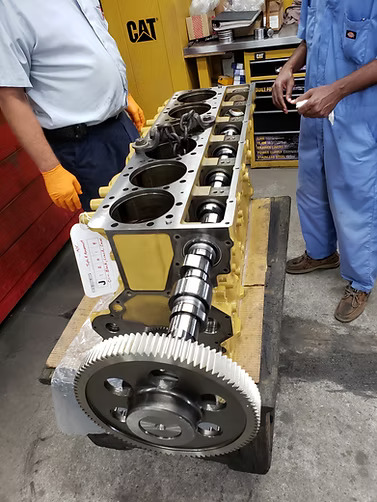
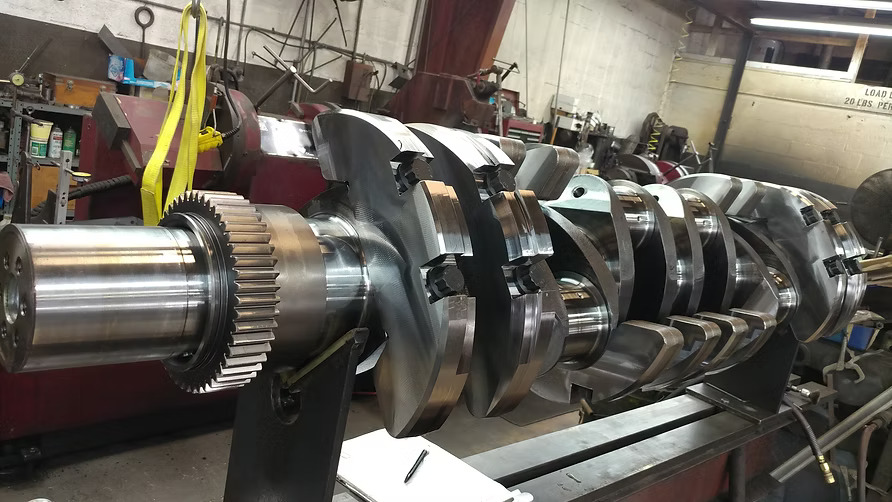
The crankshaft converts the up-and-down motion of the pistons into the rotational force that powers your vehicle. Every time a cylinder fires, the crankshaft takes that energy and transfers it to the drivetrain. Without it, the engine does not move.
Why It’s One of the Most Stressed Components in the Engine
The crankshaft operates under constant pressure, high heat, and rapid movement. In heavy-duty diesel applications, it handles significantly more torque than in gasoline engines, which makes it more vulnerable to fatigue over time.
How Diesel Crankshafts Differ From Gasoline Engine Crankshafts
Diesel crankshafts are built to handle higher compression ratios and heavier loads. They are typically forged rather than cast, which makes them stronger but also harder to repair when something goes wrong. When damage occurs, precision machining is required, not a general repair. For a broader look at when diesel engines need that level of support, see our post on diesel engine repair in Miami.
Warning Signs Your Crankshaft Needs Attention
Catching crankshaft problems early is the difference between a repair and a full engine replacement. Here are the symptoms to watch for:
Knocking or Rattling Noises From the Engine
A deep knocking sound that gets louder as engine speed increases is one of the most common signs of crankshaft trouble. It usually points to worn journals or damaged bearings that are no longer providing proper support to the crank.
Excessive Vibration While Running
If the engine shakes more than usual, especially at idle or under load, the crankshaft may be out of balance or bent. Diesel engines are already high-vibration environments, so anything beyond normal should be investigated.
Drop in Oil Pressure
Worn crankshaft bearings create larger gaps between surfaces, which allows oil to escape rather than circulate properly. A sudden or gradual drop in oil pressure is a direct warning that the bottom end needs inspection.
Loss of Power or Poor Performance
An uneven or damaged crankshaft cannot transfer power efficiently. If the engine feels sluggish, hesitates under load, or burns more fuel than usual, crankshaft wear could be the root cause.
Engine Stalls or Won’t Start
In severe cases, a damaged crankshaft prevents the engine from turning over at all. If the engine stalls unexpectedly or refuses to start without any clear electrical or fuel reason, the crankshaft should be part of the diagnostic.
Common Causes of Crankshaft Damage in Diesel Engines
Understanding why crankshafts fail helps prevent repeat damage after a repair.
Oil Starvation and Bearing Failure
Insufficient lubrication is the leading cause of crankshaft damage. When oil is not circulating properly, the bearings wear down, contact between metal surfaces increases, and the crankshaft journals begin to score. This can escalate quickly into a complete failure.
Torsional Vibration and Overloading
Diesel engines are prone to torsional vibration, especially when pushed beyond their design limits. That sustained stress creates fatigue in the crankshaft over time, which eventually leads to cracking.
Stress Cracks at the Journal-Web Fillet
The most common location for crankshaft cracks is the fillet area between the journal and the web. These cracks are often invisible to the naked eye and require magnetic particle inspection to detect before they grow into a full break.
Overheating and Thermal Distortion
Repeated cycles of extreme heat and cooling cause the crankshaft to expand and contract. The cumulative effect is warping that throws off the tolerances the engine depends on for smooth operation.
Can the Crankshaft Be Repaired or Does It Need to Be Replaced?
Not every damaged crankshaft needs to be replaced. The right answer depends on the type and extent of the damage.
When Crankshaft Grinding Service Is the Right Call
If the journals are worn or scored but the crankshaft is otherwise structurally sound, crankshaft grinding service can restore it to proper specifications. The journals are ground to a precise undersize, polished, and paired with the correct bearing inserts. Done correctly, a ground crankshaft performs as well as a new one.
When Full Replacement Is Necessary
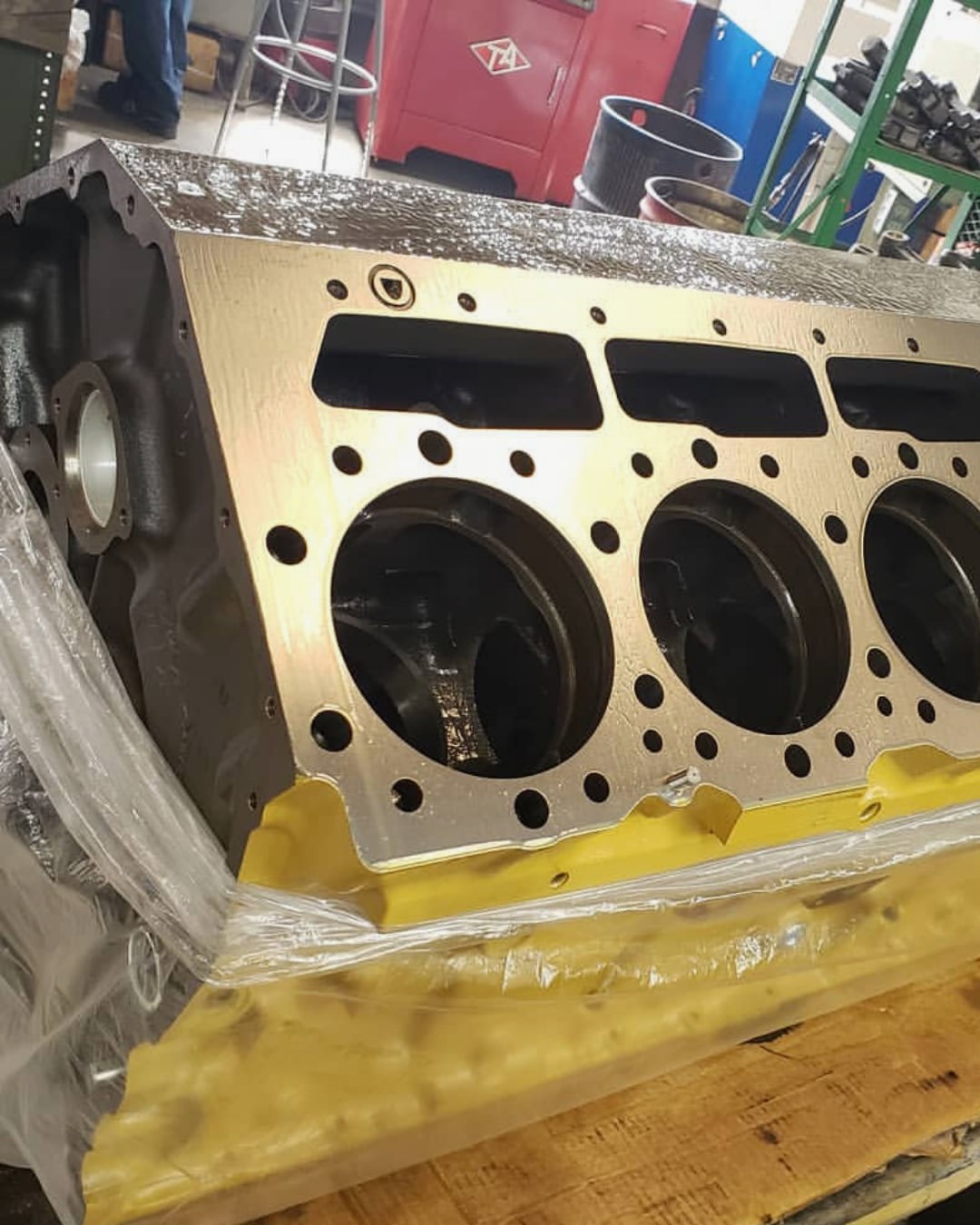
If the crankshaft is cracked, bent beyond tolerance, or has suffered catastrophic bearing failure, replacement is the safer option. Attempting to grind a cracked crankshaft without a proper inspection first is a risk no reliable shop should take. If the failure also affected the block, it is worth reviewing what engine block repair involves before any decisions are made.
Why You Need Precision Measurements Before Any Decision
The crankshaft must be measured with a micrometer to check journal dimensions, runout, and bearing clearances before any work begins. Skipping this step leads to guesswork, and guesswork in engine machining leads to repeat failures.
What a Professional Crankshaft Inspection Looks Like
A proper inspection follows a defined process. Here is what it should include:
Visual Inspection and Micrometer Measurements
The technician checks the crankshaft for visible scoring, discoloration, and wear patterns. Journal diameter and roundness are measured at multiple points to determine whether grinding is viable.
Magnaflux Testing for Hidden Cracks
Magnaflux, or magnetic particle inspection, uses a magnetic field and iron particle solution to reveal surface cracks not visible to the eye. This step is essential before any decision is made on whether to repair or replace the part. To understand the full process and why it matters at every stage of a diesel rebuild, read our guide on why magnaflux crack detection is a non-negotiable step in engine rebuilding.
Journal Grinding, Polishing, and Final Tolerances
If the crankshaft qualifies for repair, it goes through precision grinding to restore the journals to the correct undersize dimension. After grinding, the surfaces are polished to meet the finish specifications required for proper oil film formation. Final measurements are verified before the part is released.
Why Crankshaft Repair in Miami Requires a Specialized Diesel Engine Machine Shop
The Difference Between a General Mechanic and a Machine Shop
A general mechanic can remove a crankshaft and tell you it is damaged. What happens next requires different equipment, different training, and different standards. Crankshaft repair involves precision grinding machines, measurement tools calibrated to thousandths of an inch, and knowledge of engine-specific tolerances. That work happens in a machine shop, not a general repair bay.
What Motor Service Group Brings to Every Crankshaft Job
Motor Service Group has been performing diesel engine machine shop work in Miami since 1949. Every crankshaft that comes through the shop is inspected, measured, and evaluated with no steps skipped. Grinding, polishing, and magnaflux testing are all done in-house, which means the entire process stays under one roof with no outsourcing. For customers across Miami-Dade, Broward, and Palm Beach counties, that means faster turnaround and consistent results.
Quick Answers
Q. What Are the First Signs of Crankshaft Failure?
The most common early signs are engine knocking, increased vibration, and a drop in oil pressure. These symptoms can appear gradually, so do not wait for the problem to get worse.
Q. Can a Crankshaft Be Repaired Without Replacing It?
Yes, in many cases. If the journals are worn but the crankshaft is structurally intact, crankshaft grinding service can bring it back to spec. A proper inspection determines whether repair or replacement is the right path.
Q. How Long Does Crankshaft Repair Take at a Machine Shop?
It depends on the extent of the damage, but a typical crankshaft grinding job can be completed within a few days once the part has been inspected and cleared for machining.
Q. What Is Magnaflux Testing and Why Does It Matter?
Magnaflux is a crack detection method that uses magnetic fields and iron particles to reveal surface cracks invisible to the naked eye. It is a required step before any crankshaft repair to confirm the part is safe to machine and reuse.
Q. Do I Need to Bring the Full Engine or Just the Crankshaft?
Generally, just the crankshaft is needed for inspection and machining. The shop can advise on additional components based on what they find.
Get It Inspected Before It Gets Worse
If your diesel engine is showing any of the symptoms above, the crankshaft should be part of your diagnostic.
Motor Service Group offers precision crankshaft inspection, grinding, and repair at our Miami machine shop. Contact us today to get a free estimate.