

A diesel engine that loses coolant, runs rough, or has low power may need testing before anyone orders expensive parts. Two terms often come up: cylinder head pressure testing and engine compression testing. They sound alike, but they evaluate different parts of the problem.
Cylinder head pressure testing is generally a bench procedure performed on a removed component to check whether sealed cooling passages or other specified boundaries leak. Engine compression testing is performed on an assembled engine to measure pressure developed in each cylinder during cranking under a defined procedure.
A compression test can indicate poor cylinder sealing, but it cannot by itself prove that the cylinder head casting is cracked. A cylinder head pressure test can reveal certain casting or passage leaks, but it does not measure how well the piston rings and valves seal during engine operation. The two tests answer different diagnostic questions.
What is cylinder head pressure testing?
Cylinder head pressure testing checks whether a cylinder head can hold a specified test pressure in selected internal passages or boundaries. In diesel machine-shop work, the focus is commonly on coolant jackets and possible leaks around cracks, injector sleeves, plugs, or repaired areas.
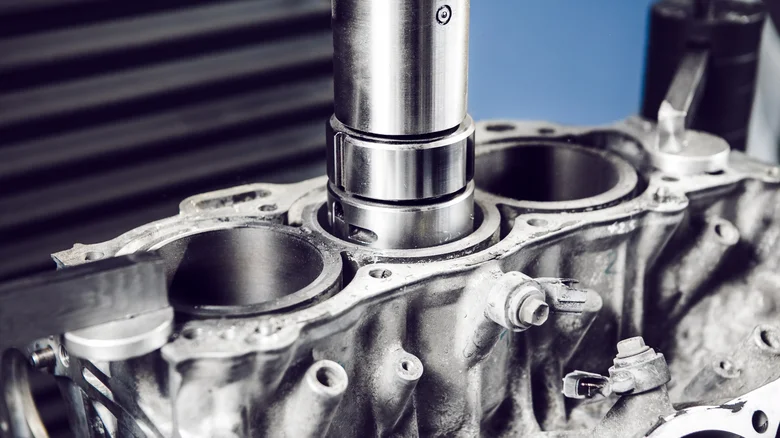
The cylinder head is typically removed, cleaned, and prepared with the required ports sealed. The technician uses an appropriate test medium, equipment, and procedure to observe whether pressure is lost or leakage becomes visible. Some methods include temperature conditioning when the applicable procedure calls for it.
Test pressure, duration, and temperature are not universal numbers. They depend on the engine design, casting, and approved shop or manufacturer procedure. Applying an arbitrary pressure can create misleading results or damage a component.
What is an engine compression test?
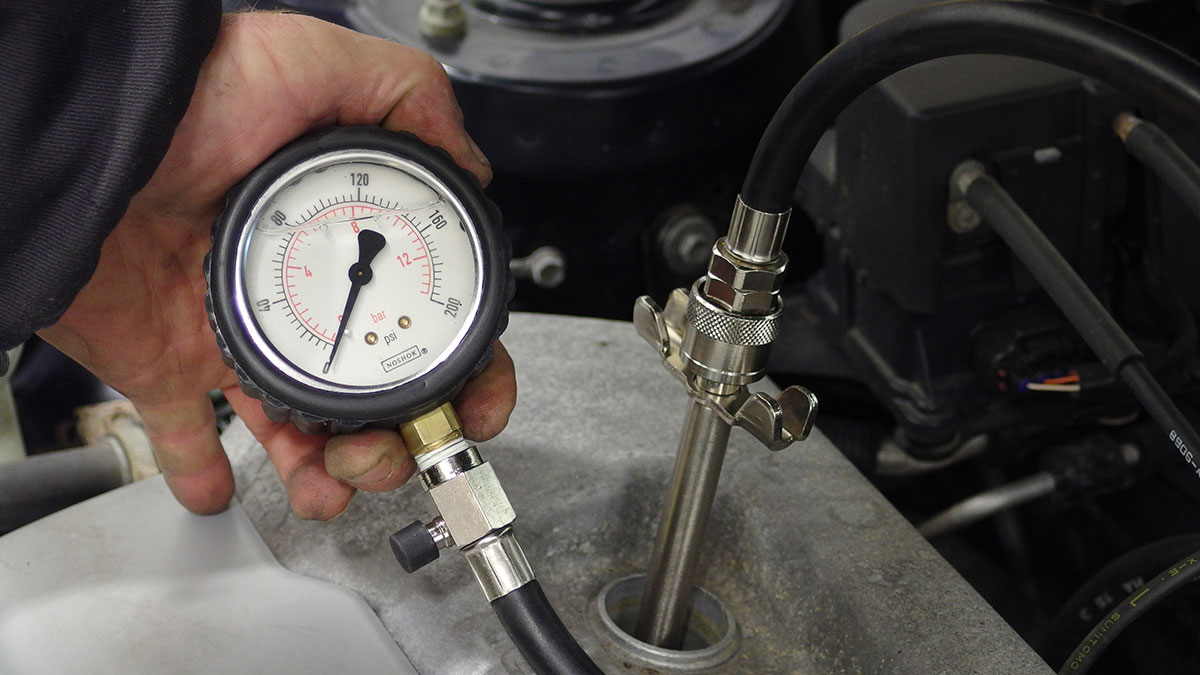
An engine compression test measures the pressure developed inside each combustion cylinder while the engine is cranked under controlled conditions. The reading reflects the combined sealing performance of the piston rings, cylinder walls, valves, head gasket, and other relevant parts.
For many diesel engines, a suitable gauge or transducer is connected through an approved access point, such as an injector or glow-plug location. The test procedure must account for engine design, cranking speed, temperature, and manufacturer instructions.
Compression readings are interpreted against the correct engine specification and compared across cylinders. A low reading indicates a problem that needs further diagnosis; it does not identify a single failed component on its own.
Pressure testing vs. compression testing: the core distinction
Cylinder head pressure testing asks: does the removed casting or sealed passage leak under the specified test conditions? Engine compression testing asks: how much pressure can the assembled cylinder develop during cranking?
The pressure test is usually a machine-shop or component-inspection task. The compression test is typically an engine-diagnostic task. A diesel machine shop may perform pressure testing on removed heads, while an engine repair technician may perform compression testing before disassembly.
The distinction matters because a vehicle or vessel with coolant loss may need casting leak testing, while an engine with hard starting or weak cylinder contribution may need compression-related diagnosis. Some failures require both.
When a cylinder head pressure test is useful
Pressure testing is especially relevant when a removed head is suspected of leaking coolant through a crack or a sealing feature. It may be recommended after overheating, unexplained coolant loss, evidence of coolant contamination, or certain repair operations.
An apparently intact casting can have a defect that is not visible during a routine surface inspection. A controlled pressure test may reveal leakage through a water jacket, injector tube area, or other tested boundary.
However, a passed test does not certify every property of the head. Flatness, valve condition, cracks outside the tested boundary, and material integrity may still require separate checks. A proper repair decision uses the combined inspection findings.
When an engine compression test is useful
Compression testing can help investigate hard starting, rough running, low power, persistent misfire, or an uneven contribution from one or more cylinders. On a diesel engine, sufficient compression is central to reliable ignition and combustion.
Low compression can result from worn piston rings, cylinder wear, damaged valves, valve timing problems, head-gasket leakage, or other faults. The test shows the symptom of reduced sealing, not necessarily its source.
The correct next step depends on the engine and the initial findings. A leak-down test, borescope inspection, crankcase pressure check, cooling-system test, or other OEM-recommended procedure may help isolate the cause before the head is removed.
Can a compression test detect a cracked cylinder head?
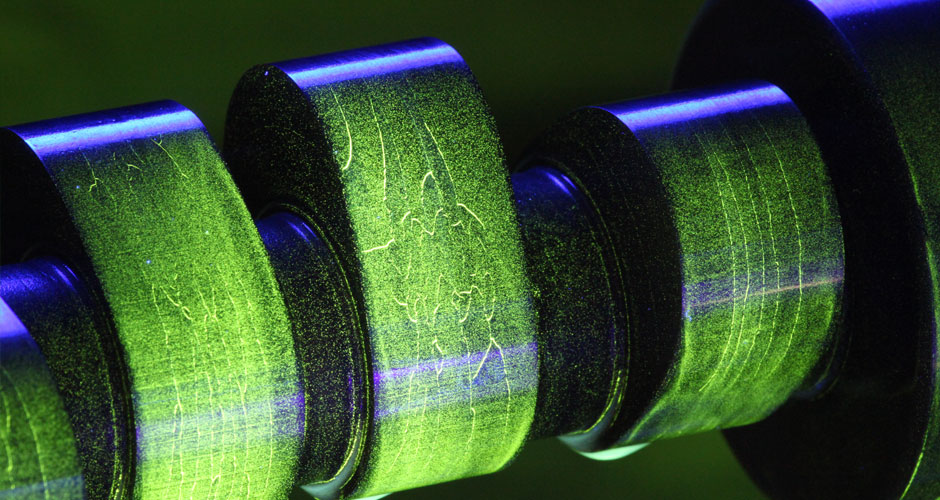
Sometimes a cracked head affects compression, but a compression test cannot reliably confirm a casting crack. A crack may leak coolant without creating a measurable compression loss during cranking. Conversely, low compression may come from worn rings or a burned valve even when the head casting is sound.
For example, two cylinders with low readings might suggest a sealing problem, but that pattern alone does not distinguish a head gasket issue from every other possible failure. Further testing is necessary.
If the head is removed because the evidence points to a casting or coolant-passage issue, cylinder head pressure testing and suitable crack inspection may become part of the machine-shop evaluation.
What about cylinder leak-down testing?
A leak-down test is a third procedure that is often confused with both pressure testing and compression testing. It introduces controlled compressed air into a combustion cylinder, usually with the piston positioned according to the test procedure, and evaluates how the cylinder holds pressure.
Air heard at the intake, exhaust, crankcase, or cooling system can help direct further diagnosis. Interpretation requires care because test setup, piston position, and engine design can affect results.
Leak-down testing evaluates combustion-chamber sealing in the assembled engine. It is not the same as pressurizing the coolant passages of a removed cylinder head. Using the correct name helps ensure the right service is requested.
A practical diesel diagnosis example
Imagine a commercial diesel engine that begins losing coolant but still starts normally. The operator may assume the head gasket is failing. A compression test might produce acceptable readings, yet those results would not rule out a leak in the head’s cooling passages.
A repair technician may first check the cooling system and look for evidence of coolant entering the oil, exhaust, or combustion chamber. If the head is removed, a machine shop can inspect the casting and perform appropriate cylinder head pressure testing.
Now consider a different engine that has hard starting and one weak cylinder but no coolant loss. Compression-related tests may be more informative early in the diagnosis. A casting pressure test is not the automatic first step merely because the engine has low compression.
These examples show why matching the test to the symptom saves time and prevents unnecessary disassembly.
What happens after a cylinder head fails pressure testing?
A failed pressure test means the tested boundary did not meet the procedure’s acceptance criteria. The technician must locate and assess the leak, identify the component material and damage, and determine whether an approved repair is possible.
Some defects may involve replaceable plugs or injector sleeves; others may involve cracks or corrosion that make the casting unsuitable for economical repair. The correct decision depends on the engine manufacturer’s limits and the location and extent of the defect.
After any approved repair, the head may need repeat pressure testing and additional checks before machining or assembly continues. Passing a re-test is one part of the evaluation, not a substitute for dimensional inspection or sound assembly practices.
How Motor Service Group fits into the repair process
Motor Service Group in Miami describes cylinder head rebuilding, resurfacing, crack detection, and pressure testing among its core diesel machining services. Its cylinder head services page explains the sequence of cleaning, inspection, machining, testing, and assembly.
If a technician has already removed a diesel cylinder head, a machine-shop evaluation can help determine whether the casting is suitable for further work. The shop can discuss the available component inspection and machining steps for the engine model involved.
Customers should distinguish this component-level work from in-vehicle engine diagnostics. When calling, explain whether the head has been removed, whether the problem involves coolant loss or compression, and which tests have already been performed.
How to read test results without jumping to conclusions
An isolated low compression reading is a starting point, not a diagnosis. Cranking speed, engine temperature, battery condition, test adapters, and the correct procedure all affect measurements. A reading should be compared with the engine maker’s specifications and other cylinders tested under consistent conditions.
Pressure-test results require equal care. A technician must confirm that plugs, fixtures, and temporary seals are sound before attributing a pressure drop to a cracked casting. A leaking fixture can produce an apparent failure that does not reflect the head itself.
Neither test should be interpreted from a universal pass-or-fail number found online. Diesel engines differ widely in design and operating characteristics. Test conditions, service limits, and acceptance criteria must match the actual engine or component.
When results conflict with symptoms, it is better to review the test setup and select a complementary diagnostic procedure than to force a conclusion. Good diagnostics often involve several smaller pieces of evidence.
What information to provide when requesting a head inspection
Before sending a cylinder head to a machine shop, gather the engine manufacturer, model, serial number where available, and a brief history of the failure. Explain whether the engine overheated, lost coolant, produced abnormal exhaust, or showed contamination in the oil.
Include any measurements or tests already performed, such as cylinder compression readings, cooling-system checks, or a previous leak-down test. State whether the head was removed after a suspected gasket failure or as part of a planned rebuild.
If the head has been disassembled, label and retain related parts as instructed by the repair provider. Protect machined faces and avoid aggressive cleaning methods that could alter evidence of damage. The shop can then advise what preparation is appropriate for inspection.
Ask whether the quote includes cleaning, pressure testing, crack inspection, flatness measurement, and a written recommendation. Knowing the scope up front makes it easier to plan the next repair decision and avoid paying for machining before casting integrity is established.
Frequently asked questions
Q: Is cylinder head pressure testing the same as compression testing?
A: No. Head pressure testing checks selected sealed passages in a component. Compression testing measures pressure developed in an assembled engine cylinder.
Q: Can a cylinder head pass pressure testing and still be damaged?
A: Yes. The test does not assess every crack, dimension, valve, or sealing surface.
Q: Does low compression always mean a cracked cylinder head?
A: No. Worn rings, valves, cylinder walls, gaskets, and other issues can reduce compression.
Q: Can a compression test find a coolant leak?
A: It may offer clues, but it cannot reliably locate or rule out a coolant-passage leak.
Q: Does a cylinder head need to be removed for pressure testing?
A: Machine-shop casting pressure testing generally uses a removed, prepared head. Other in-engine cooling-system tests are different procedures.
Q: Should a diesel head be pressure tested before resurfacing?
A: When casting leakage is suspected or the rebuild procedure calls for it, testing before further machining can avoid wasted work.
Get the right test before approving a rebuild
Pressure testing and compression testing are both valuable, but they answer different questions. One examines leakage in a prepared component; the other evaluates cylinder pressure in an assembled engine. Confusing the two can send a repair in the wrong direction.
For removed diesel cylinder heads needing inspection, pressure testing, or machining, contact Motor Service Group in Miami. Share the engine model, observed symptoms, and prior test results so the appropriate component-level evaluation can be discussed.