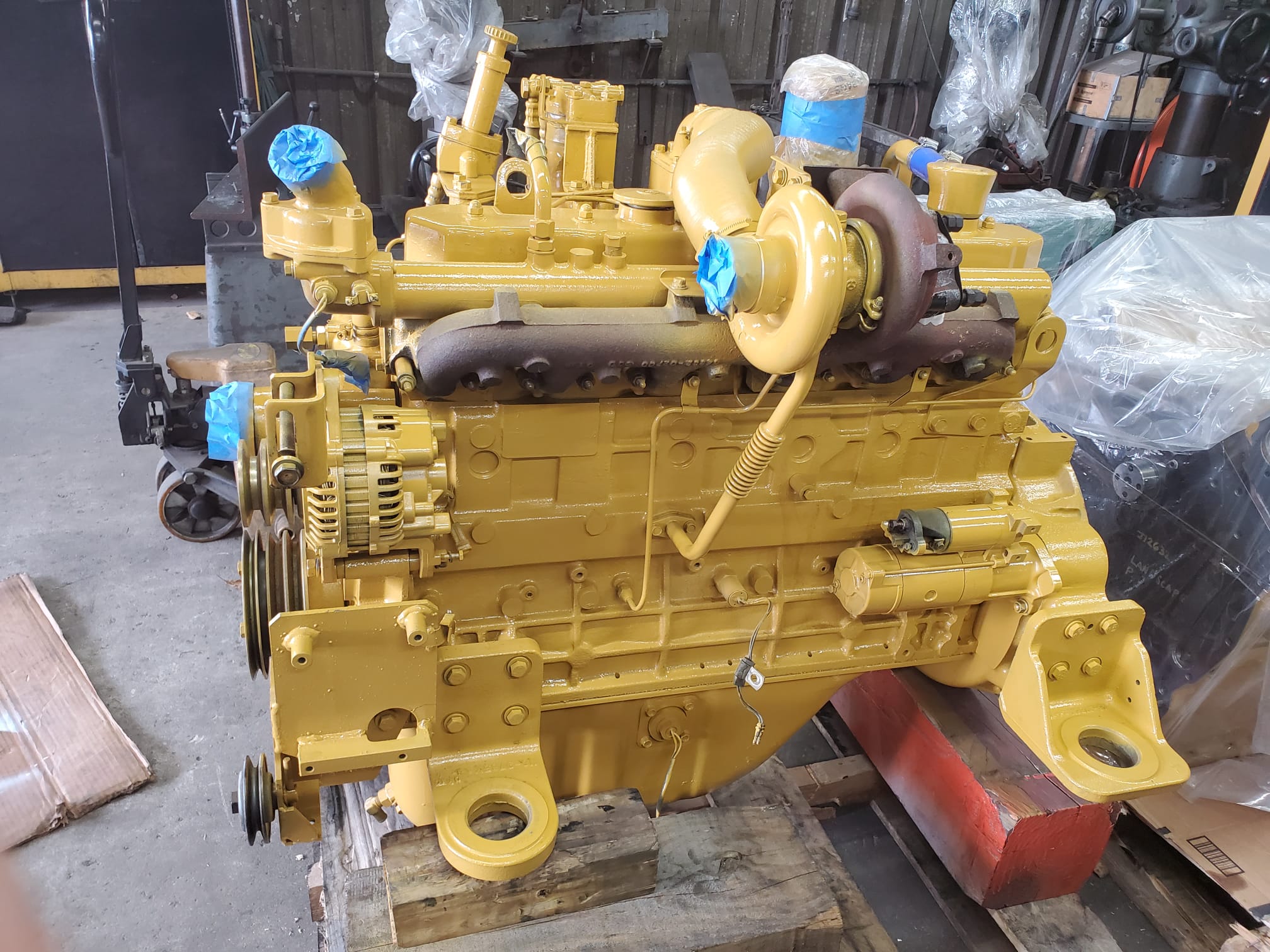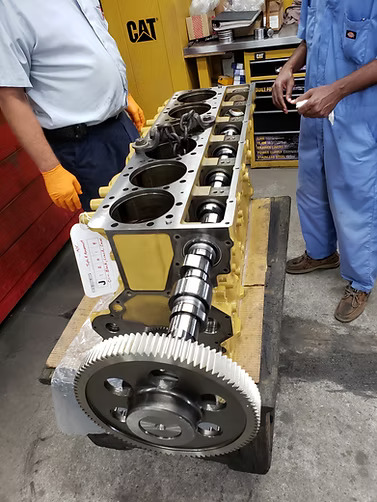


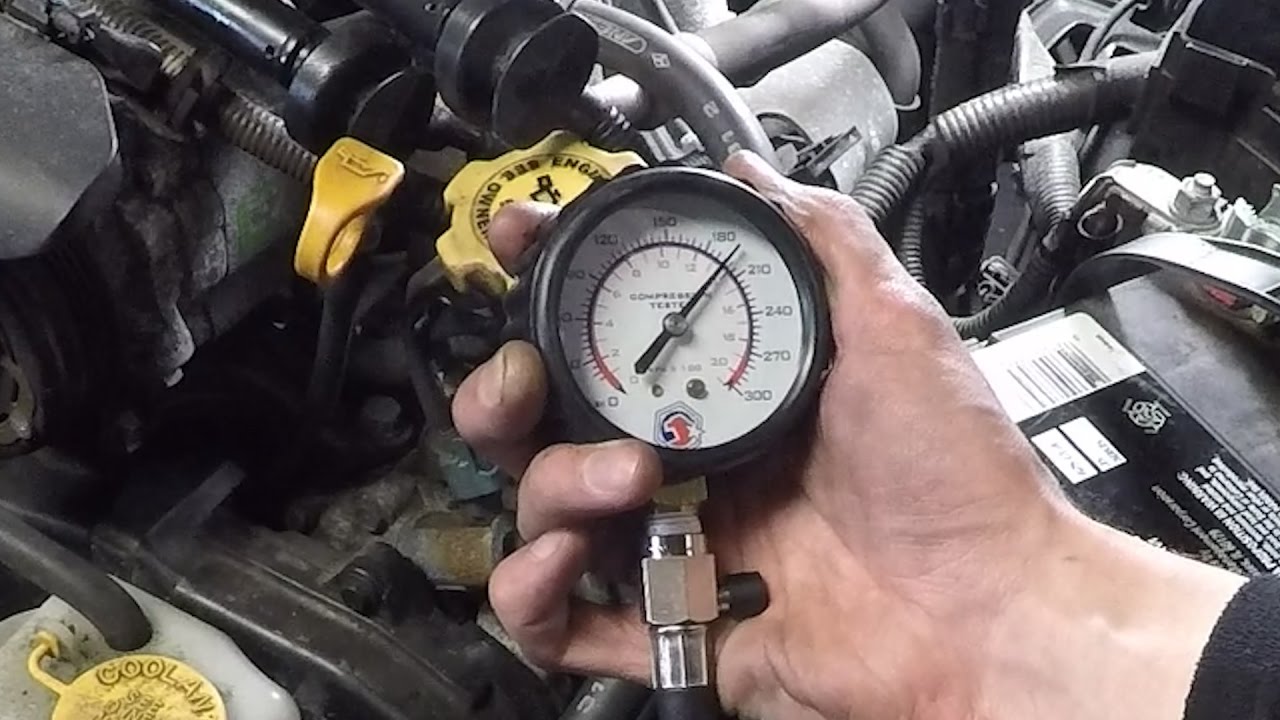
Pressure testing is not a formality. It is the step that confirms whether a component can hold pressure, seal properly, and survive real operating conditions. Skip it, and you are reassembling an engine on assumption, and that assumption is rarely cheap.
What Pressure Testing Actually Does
Pressure testing applies controlled air or water pressure to a sealed engine component to check for leaks, cracks, and casting defects that are not visible during a standard inspection. The component is submerged or sealed, pressurized to a set level, and monitored for any pressure drop or visible leak.
How the Test Works on Engine Components
The component is first cleaned and all ports are sealed with plugs and caps. Pressure is then introduced through a single inlet. For cylinder heads, water is typically used as the test medium, as it will show even the smallest seep. The technician checks for bubbles, weeping, or pressure loss over a set hold time. Any drop in pressure or visible leak is a fail.
The Difference Between Pressure Testing and Visual Inspection
A visual inspection tells you what the surface looks like. Pressure testing tells you how the component performs under load. A head can look clean, flat, and undamaged and still leak through a hairline crack in a coolant passage the moment pressure is applied. One test confirms integrity. The other only confirms appearance.
Which Components Require Pressure Testing
Any engine component that seals fluids under pressure should be tested before reassembly. In diesel engine work, that includes:
Cylinder Head Pressure Testing
The cylinder head is the most commonly tested component for good reason. It seals combustion pressure on one side and coolant on the other. Cracks between valve seats, around injector bores, or through internal coolant passages will not show up visually but will fail a pressure test immediately. Cylinder head pressure testing is a required step before any head goes back on an engine, new gasket or not. If the crankshaft was also affected, learn more about when a crankshaft needs professional repair.
Engine Block Pressure Test
The engine block pressure test confirms that the block’s cooling passages, cylinder bores, and core plug areas are fully sealed. Cracks caused by overheating, freeze damage, or prior mechanical failure can compromise the block’s ability to contain coolant. A block that leaks internally will contaminate the oil and cause overheating regardless of what else was repaired. For a detailed look at what should be checked before any machining begins, see our guide on engine block inspection before machining.
Manifolds and Cooling Passages
Intake and exhaust manifolds that connect to coolant circuits should also be pressure tested when there is any history of overheating or suspected leakage. A leaking manifold can introduce coolant into the intake or allow exhaust gases into the cooling system, both of which create serious problems during operation.
What Skipping Pressure Testing Actually Costs You
The consequences of skipping this step are predictable.
Coolant Contamination in the Oil
An undetected internal crack allows coolant to migrate into the oil passages once the engine is running under pressure and heat. The result is milky oil, bearing damage, and accelerated wear throughout the bottom end. By the time the symptom appears, the damage is already done.
Compression Loss After Reassembly
A cylinder head with an undetected crack between the combustion chamber and a coolant passage will leak compression the moment the engine starts. The head gasket is not the issue. The head itself is. Replacing the gasket again will not fix it.
Overheating From Undetected Coolant Leaks
An engine block or head that leaks internally loses coolant without any external sign. The cooling system loses capacity, coolant level drops slowly, and the engine runs progressively hotter until it overheats again. The original cause of the problem was never actually resolved.
A Second Rebuild You Could Have Avoided
Every one of these outcomes leads to the same place: tearing the engine back down. The labor, parts, and downtime of the first rebuild are not recoverable. Pressure testing before reassembly costs a fraction of what a repeat failure costs.
Common Scenarios Where Pressure Testing Is Non-Negotiable
After Any Overheating Event
Overheating is the leading cause of cylinder head and block damage in diesel engines. The thermal stress from a single severe overheat can initiate cracks that would not have existed beforehand. Any component that was in the engine during an overheating event should be pressure tested before reuse.
When Replacing a Head Gasket
A blown head gasket is often a symptom, not the root cause. If the head or block is cracked or warped, a new gasket will not seal it. Pressure testing both components before installing new gaskets confirms that the repair will actually hold.
During a Full Diesel Engine Rebuild
A complete rebuild involves significant investment in parts, labor, and machine work. Pressure testing every sealing component before assembly is the only way to protect that investment. Installing an untested used core is one of the most common reasons rebuilds fail prematurely.
On Any Used Component Before Installation
A used cylinder head or block with unknown service history carries unknown risk. It may have been removed due to a failure that caused internal cracking. Pressure testing before installation is the only reliable way to assess its condition.
How Professional Pressure Testing Is Performed at a Machine Shop
Equipment and Setup
Professional pressure testing uses a dedicated test bench with calibrated gauges, sealing fixtures sized for specific component types, and a controlled water tank for submersion testing. This setup is not replicable with shop air and improvised plugs. The precision of the equipment directly affects the reliability of the result.
What a Pass or Fail Result Means
A component that holds pressure within specification for the required hold time is cleared for use. A component that drops pressure, shows bubbles, or weeps at any point is condemned. The technician documents the result and advises on repair options or replacement. There is no gray area.
Why Pressure Testing Engine Components in Miami Requires the Right Shop
What Sets a Diesel Machine Shop Apart
Pressure testing in a professional diesel machine shop is performed with equipment built for the components being tested. Fixture sizes, pressure specifications, and hold times are matched to the component type and the engine it came from. This is not a general automotive procedure. It requires specific knowledge of diesel engine tolerances and failure modes.
How Motor Service Group Handles Pressure Testing
Motor Service Group has provided precision diesel engine machining and inspection in Miami since 1949. Pressure testing is a standard part of the inspection process on every cylinder head and block that comes through the shop. Components are tested before any machining work begins and again after resurfacing when required. Customers across Miami-Dade, Broward, and Palm Beach counties rely on this process to protect their rebuilds. You can also learn more about why leak detection matters before engine reassembly.
Quick Answers
Q. How Much Pressure Is Used When Testing a Cylinder Head?
Cylinder heads are typically tested between 30 and 60 PSI depending on the engine manufacturer’s specification. The exact pressure is matched to the component to avoid over-stressing the casting while still confirming seal integrity.
Q. Can a Cracked Head Pass a Visual Inspection but Fail a Pressure Test?
Yes, and this happens regularly. Hairline cracks in coolant passages or between valve seats are not visible without magnification or testing. A component that looks clean and undamaged can fail a pressure test within seconds of pressurization.
Q. Does Pressure Testing Work on Both Cast Iron and Aluminum Components?
Yes. Both cast iron and aluminum components are pressure tested using the same principle. Aluminum requires careful handling during fixturing to avoid surface damage, but the test method and pass or fail criteria are the same.
Q. How Long Does Pressure Testing Take?
A single cylinder head typically takes 30 to 45 minutes including setup, pressurization, hold time, and inspection. An engine block takes longer depending on the number of passages being tested. Most components can be tested and cleared within the same day.
Q. What Happens if a Component Fails the Pressure Test?
The component is removed from the rebuild and evaluated for repair options. Depending on the location and severity of the leak, welding or crack repair may be possible. If the damage is too extensive, replacement is the correct path.
Contact Motor Service Group for Pressure Testing in South Florida
If you are rebuilding a diesel engine and need pressure testing done right, do not reassemble until every sealing component has been verified.
Contact Motor Service Group today for cylinder head pressure testing, engine block inspection, and precision machining services. Our Miami machine shop supports diesel engine work across South Florida with accurate results you can rely on.