

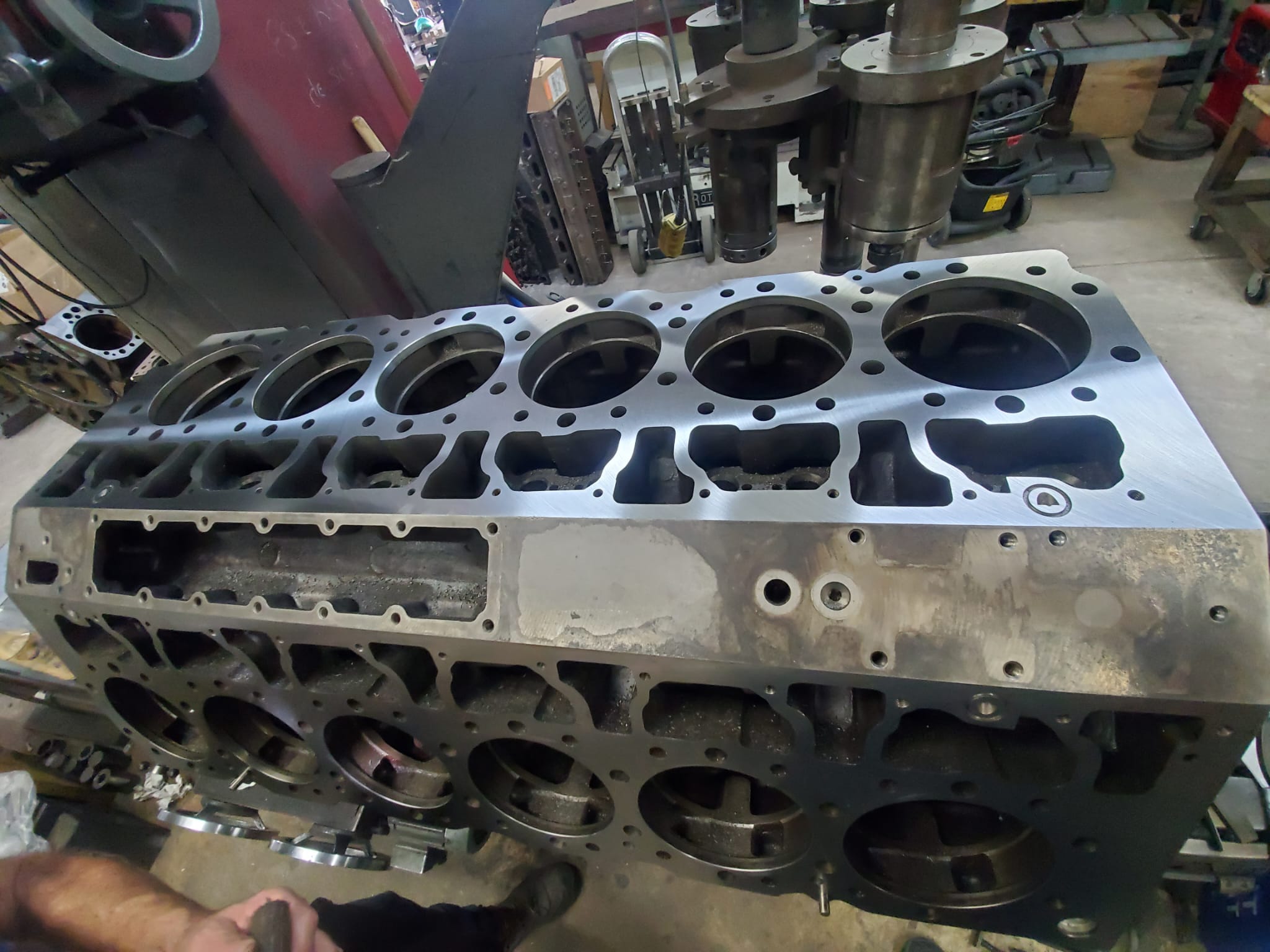
In diesel engine rebuilding, preparation affects everything that comes after it. Before a machinist can inspect a block, verify its condition, or decide what corrective work is needed, the block has to be properly cleaned. That is why engine block cleaning before machining is not just a routine shop step. It is a necessary part of accurate inspection, reliable measurement, and quality diesel engine repair.
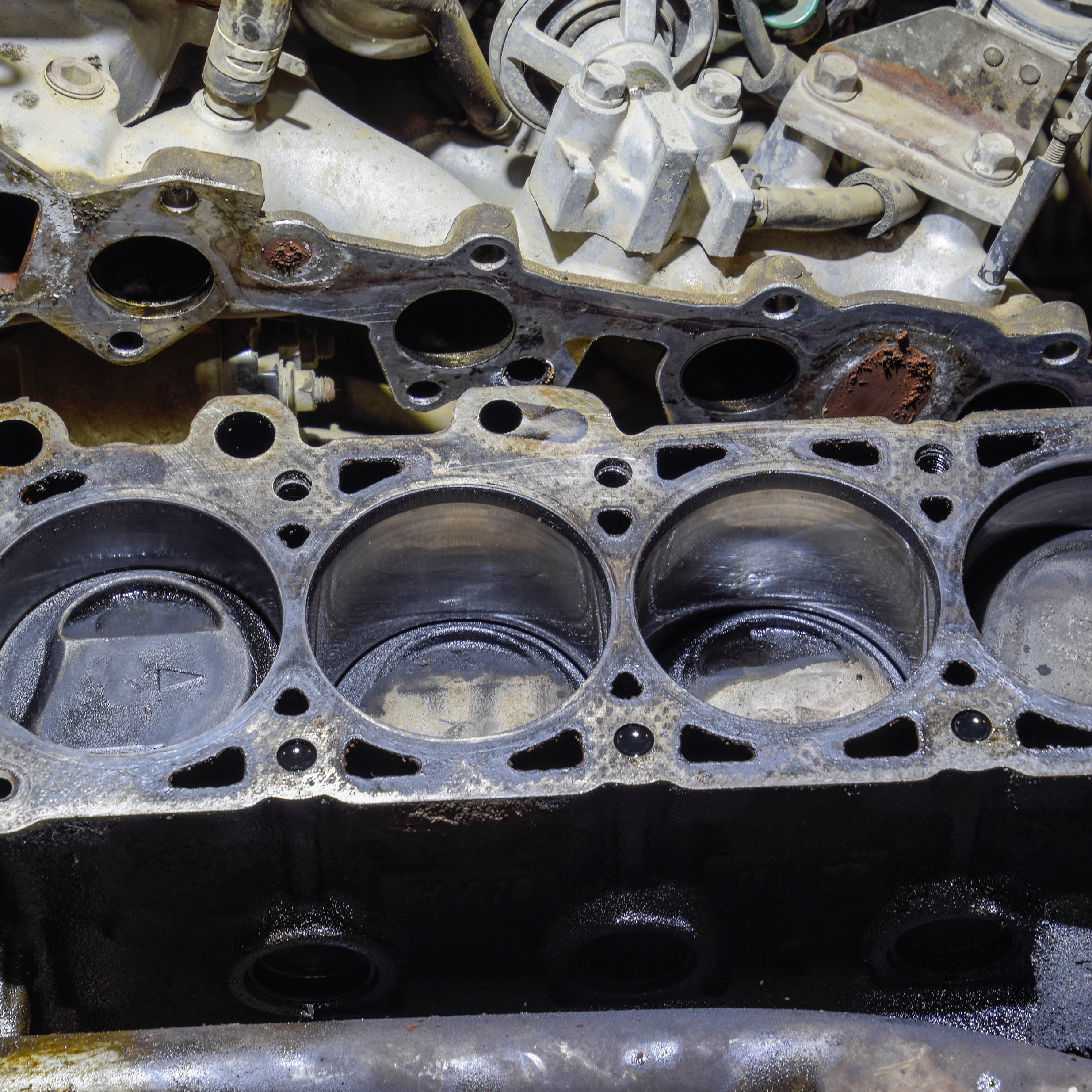
A dirty engine block can hide corrosion, pitting, cracks, sludge, scale, and old gasket material. It can also leave contamination inside oil galleries, coolant passages, and threaded holes that affects both machining and final assembly. If the block is inspected before that contamination is removed, the shop is working from an incomplete picture. That creates risk from the very start of the rebuild.
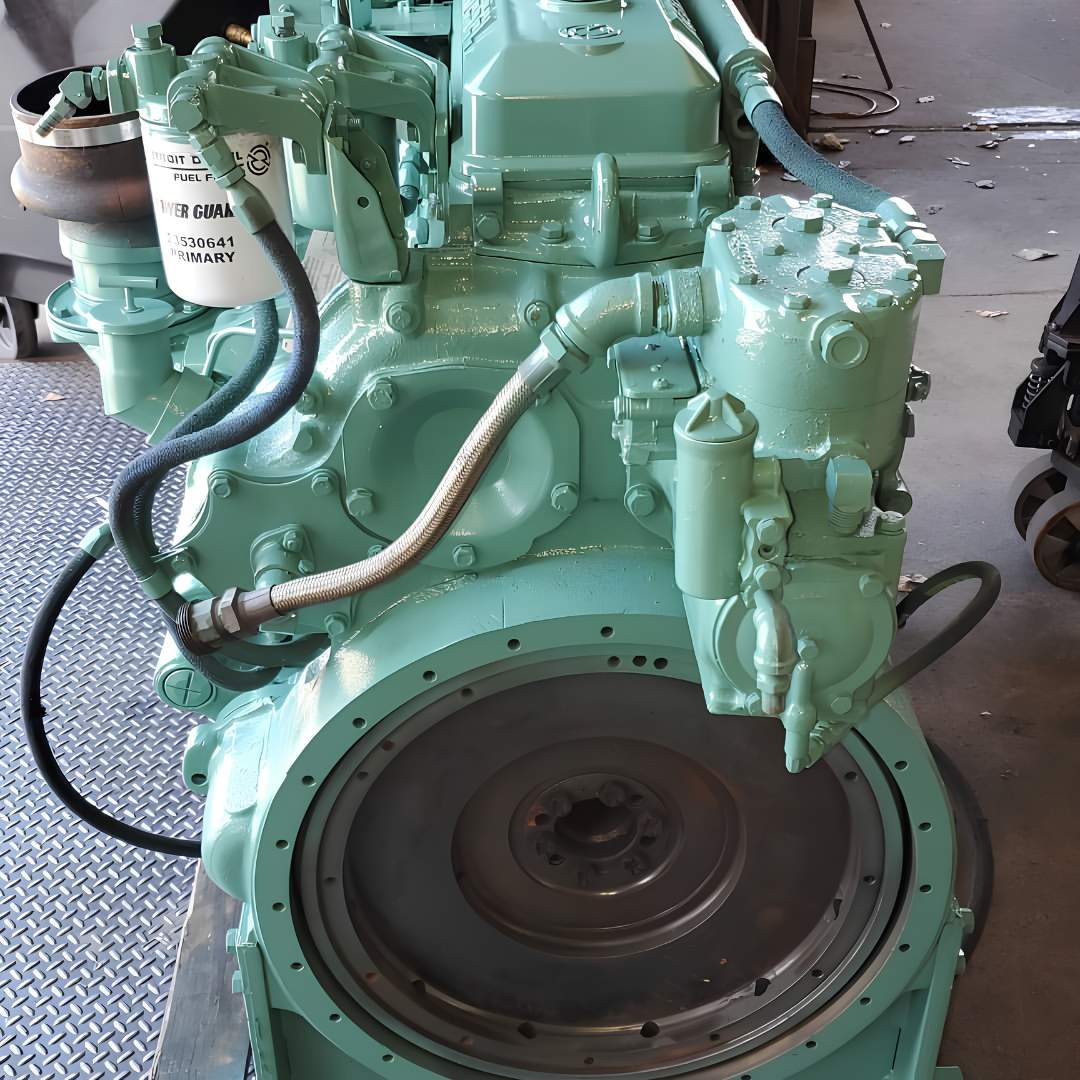
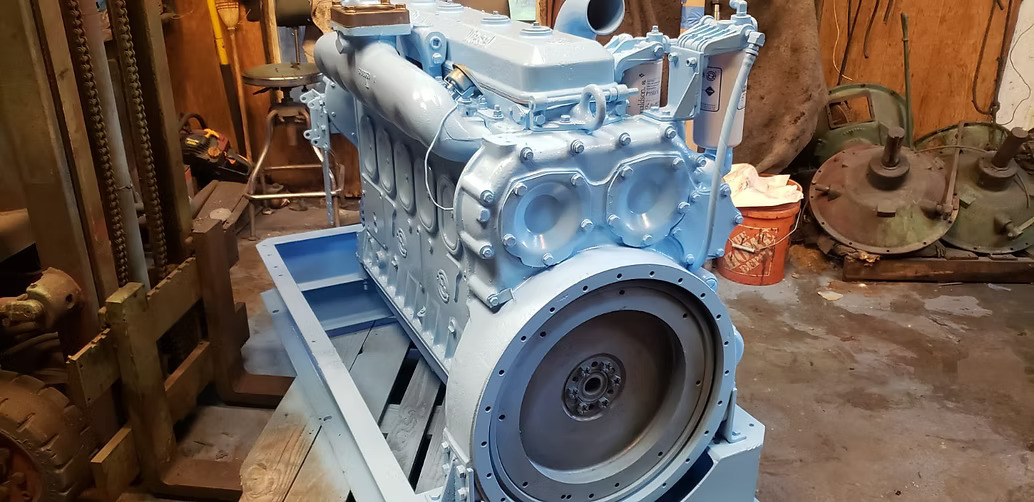
For diesel engines, the stakes are even higher. Heavy-duty, industrial, marine, fleet, and generator applications operate under longer duty cycles, higher loads, and harsher service conditions than many lighter-duty engines. These engines often come into the shop with more contamination, more wear, and more serious rebuild needs. That is exactly why the cleaning stage has to be handled with discipline before any serious inspection or machining begins.
At Motor Service Group, this process matters because the company’s work is built around precision machining, inspection, and repair of key diesel engine components in Miami. A professional diesel machine shop does not treat cleaning like a cosmetic extra. It treats cleaning like the first step in protecting rebuild quality.
Why engine block cleaning before machining is not just a prep step
Many buyers hear the word cleaning and assume it means washing dirt off the part. In reality, engine block cleaning before machining is about exposing the true condition of the block so the next decisions are based on facts.
A used diesel block may contain:
- oil residue
- grease
- sludge
- rust
- carbon deposits
- coolant scale
- old gasket material
- trapped debris in oil passages
- contamination inside bolt holes and threaded areas
That buildup affects more than appearance. It affects visibility, measurement accuracy, machining setup, and the reliability of the rebuild plan. If corrosion or pitting is hidden under residue, the block may appear healthier than it really is. If old material remains on critical surfaces, inspection results can be misleading. If debris stays trapped in internal passages, it can create problems after the engine is put back into service.
That is why clean engine block before machining is not a suggestion. It is part of the machining process itself.
Why engine block cleaning before inspection improves accuracy
Engine block cleaning before inspection gives the machinist a clearer and more reliable view of the part.
Once the block is properly cleaned, the shop can more accurately inspect:
- deck surface condition
- bore condition
- corrosion and pitting
- signs of overheating
- thread condition
- cracking or structural damage
- coolant passage contamination
- oil gallery cleanliness
Without cleaning, inspection is limited. Dirt, sludge, and residue can cover up visible damage and make the block harder to evaluate. A crack may not be obvious. Pitting may look less severe. Surface damage around the deck may be partially hidden. Even if the machinist is experienced, contamination still creates unnecessary uncertainty.
This is one of the biggest reasons the article angle matters. The existing service page can focus on engine block cleaning service as a commercial offering, but this supporting cluster article should focus on process. The value here is explaining why engine block cleaning before inspection is critical to getting the next steps right.
Engine block prep for machining starts with the right cleaning process
Engine block prep for machining should never be treated like a quick rinse before machine work. It should be handled as a structured part of rebuild preparation.
A professional process may include:
- removing heavy grease and sludge from the exterior
- stripping old gasket material from sealing surfaces
- cleaning oil galleries
- clearing coolant passages
- cleaning bolt holes and threaded areas
- removing rust, carbon, and scale
- rechecking the block after cleaning before inspection begins
This matters because machining decisions depend on a clean baseline. If the shop is deciding whether the block needs resurfacing, boring, align boring, sleeving, or further inspection, contamination cannot be part of the equation.
Engine block prep for machining is also about making the rest of the workflow more reliable. Surface evaluation becomes clearer. Measurements are more trustworthy. Crack inspection becomes more meaningful. Setup for machining becomes more controlled. All of that supports better rebuild quality.
What can go wrong if cleaning happens too late
When cleaning is delayed, rushed, or treated as unimportant, the consequences can affect the entire rebuild.
Missed damage during inspection
The most obvious risk is hidden damage. Corrosion, pitting, cracks, and deck damage are easier to miss when the block is still covered in sludge, oil residue, and old material. That means the inspection may fail to identify the real cause of the problem.
Reduced measurement accuracy
Precision machining depends on precision evaluation. If contamination remains on surfaces or in critical areas, the machinist may not be working from the most accurate baseline. That weakens the quality of the next decision.
Contamination carried into assembly
If debris, sludge, or residue remains inside oil galleries or coolant passages, it can continue causing trouble after the rebuild. That contamination may affect lubrication, cooling efficiency, and long-term reliability. In a diesel engine, that can become expensive very quickly.
Repeat failure after the rebuild
One of the biggest costs in diesel repair is repeat failure. A rebuild that looks complete on paper can still fail early if the underlying condition of the block was never correctly evaluated. Cleaning is one of the first safeguards against that. It improves inspection quality and supports better machining decisions before the engine goes back together.
How professional shops approach engine block cleaning before machining
The best diesel machine shops follow a sequence, not a shortcut.
1. Pre-clean the block
Heavy grease, sludge, and loose residue are removed first. This allows the main cleaning process to be more effective and helps expose the areas that need closer attention.
2. Clean internal and external critical areas
A professional process does not stop at visible surfaces. Oil passages, coolant passages, threaded holes, and deck surfaces all matter because contamination in those areas can affect inspection, machining, and final assembly.
3. Inspect after cleaning
Once the block is cleaned, the shop can inspect it more truthfully. This is when cracks, pitting, deck damage, or signs of overheating become easier to identify.
4. Move into machining from a clean baseline
After cleaning and inspection, the machinist is in a much stronger position to determine what work is actually needed. That may include resurfacing, boring, align boring, or other corrective operations, but the key point is that the decision is now based on a properly prepared component.
Why diesel engines demand a stricter process
Diesel engines are not forgiving when preparation is sloppy.
These engines often operate under:
- high heat
- long duty cycles
- heavy load
- contamination exposure
- demanding service environments
That makes block condition more important and rebuild mistakes more costly. A poorly prepared gasoline engine can create problems. A poorly prepared diesel engine can create major downtime, repeat labor, and lost production.
That is why precision shops stand apart from general repair operations. They understand that every stage of the process affects the next one. Cleaning affects inspection. Inspection affects machining. Machining affects sealing, geometry, and rebuild reliability. When one stage is weak, the whole rebuild becomes weaker.
Why Motor Service Group is the right shop for engine block prep for machining in Miami
Motor Service Group’s positioning fits this process exactly. The company is not presenting itself as a general repair shop. It presents itself as a diesel engine machine shop in Miami focused on precision machining, inspection, and repair of key engine components.
That matters because engine block cleaning before machining only creates value when it is tied to a larger quality-driven workflow. The goal is not simply to clean a block. The goal is to improve inspection accuracy, support better machining decisions, and reduce the chance of repeat diesel engine problems.
For customers dealing with marine engines, industrial platforms, generators, fleet vehicles, or construction equipment, that process-first approach is a major advantage.
Frequently asked questions about engine block cleaning before machining
Why does engine block cleaning before inspection matter?
Because contaminants can hide cracks, pitting, corrosion, and surface damage. Cleaning gives the shop a better view of the true condition of the block.
Can a dirty engine block affect machining accuracy?
Yes. Dirt, residue, and trapped debris can interfere with inspection, evaluation, and preparation before machining begins.
What does engine block prep for machining include?
It usually includes removing grease, sludge, rust, carbon, gasket material, and debris from deck surfaces, coolant passages, oil galleries, and threaded holes before inspection and machine work.
Should cleaning happen before resurfacing or boring?
Yes. Cleaning should happen first so the machinist can inspect the block from a clean, accurate baseline before deciding on corrective work.
Get Your Engine Block Ready for Precision Machining
If your diesel engine block is headed for inspection, resurfacing, boring, or other machine work, do not treat preparation like an afterthought.
Motor Service Group provides precision machining, inspection, and repair for critical diesel engine components in Miami.
Contact our team to schedule a professional evaluation and make sure your engine block is prepared the right way.