

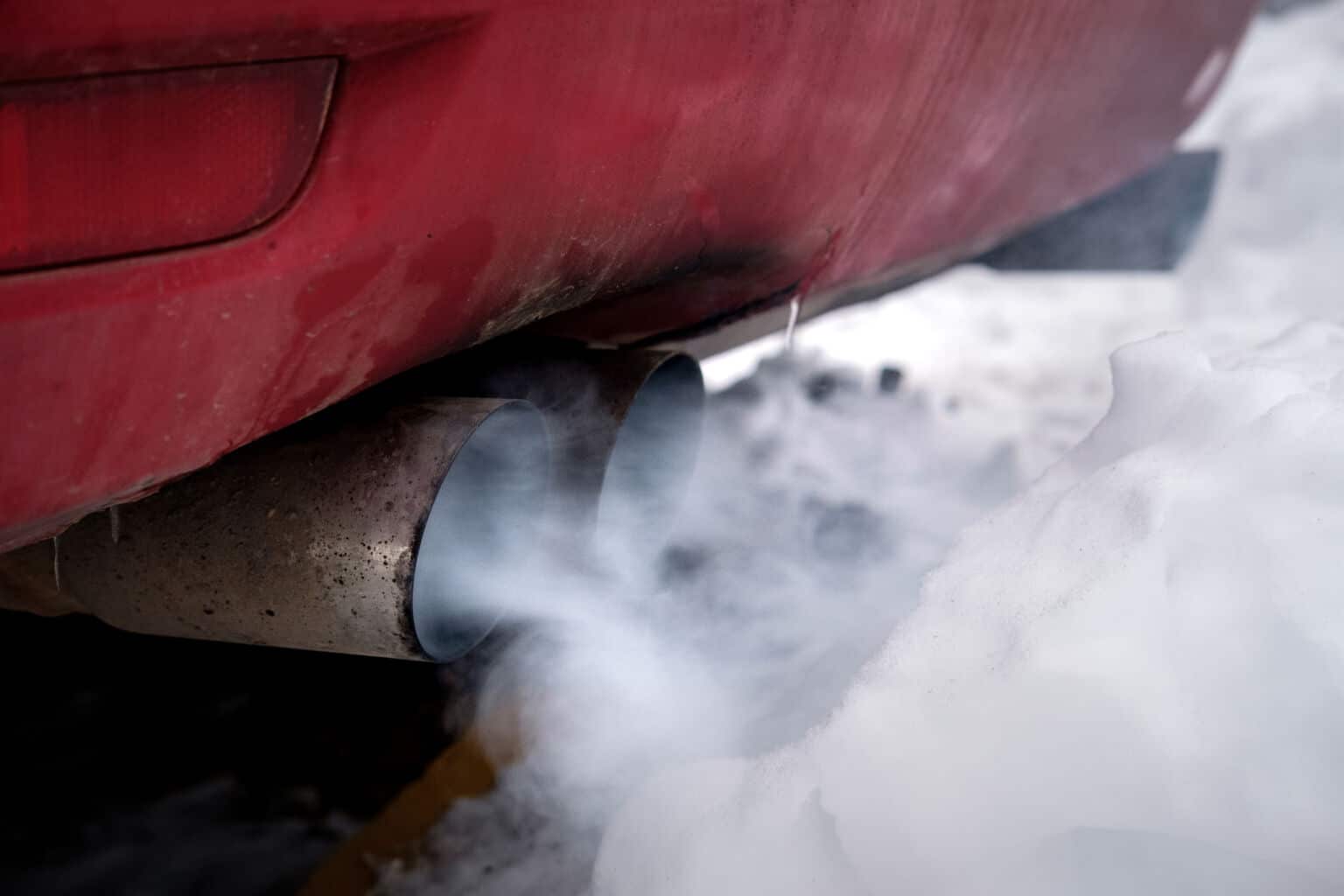
White smoke coming from a diesel engine’s exhaust can be unsettling, especially when it appears suddenly or continues after the engine has warmed up.
While a brief white vapor cloud during cold weather may be harmless condensation, persistent white exhaust smoke can indicate a more serious problem involving fuel combustion, cooling-system leaks, or internal engine damage.
White smoke from diesel exhaust can result from unburned fuel or coolant entering the combustion chamber. When it occurs alongside unexplained coolant loss, overheating, or low compression, a damaged cylinder head or head gasket should be investigated.
Identifying the cause early can help prevent more extensive engine damage and reduce unexpected downtime for fleet operators, marine businesses, and heavy-equipment owners.
What Causes White Smoke From Diesel Exhaust?
White smoke in a diesel engine can have several possible causes.
Not every case requires cylinder head repair, which is why proper diagnosis is essential before replacing expensive engine components.
1. Unburned Diesel Fuel
Diesel fuel must ignite and burn under the correct temperature, compression, and injection conditions.
If fuel does not burn completely, it can produce white or grayish-white exhaust smoke.
Possible causes include poor injection timing, malfunctioning injectors, inadequate compression, or cold combustion conditions.
The smoke may have a noticeable raw diesel fuel odor.
2. Coolant Entering the Combustion Chamber
When coolant leaks into a cylinder, it can turn into vapor as the engine operates.
This may produce a dense white exhaust cloud, particularly when the leak is substantial.
Potential sources include a damaged cylinder head, a failed head gasket, or certain internal cooling-system component failures.
Some diesel engine designs also have injector sleeves or tubes that can develop sealing problems.
Motor Service Group explains these issues in its guide to diesel injector tube replacement.
3. Damaged Cylinder Head
A cylinder head contains combustion chambers, valves, and passages that support engine cooling.
If the head develops a crack connecting a coolant passage to a combustion area, coolant may enter the cylinder.
The resulting symptoms can include persistent white smoke, coolant loss, misfiring, or overheating.
However, white smoke alone does not establish that the cylinder head is cracked.
4. Head Gasket Failure
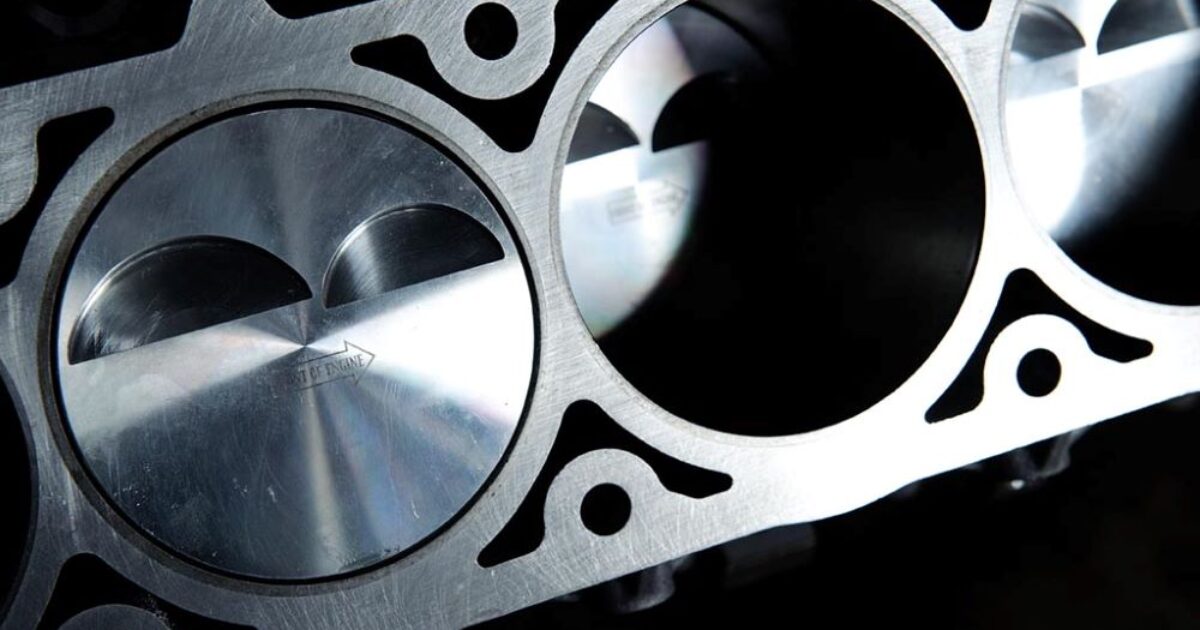
The head gasket seals the joint between the engine block and cylinder head.
A damaged gasket may allow coolant, combustion gases, or oil to move between passages that should remain isolated.
Depending on the failure location, symptoms may include white smoke, cooling-system pressure problems, overheating, or fluid contamination.
5. Low Engine Compression
Diesel engines rely on compression to create the temperatures required for efficient combustion.
Low compression can interfere with ignition, allowing some fuel to exit the exhaust without burning properly.
Possible mechanical causes include worn piston rings, damaged valves, cylinder wear, or head gasket problems.
Motor Service Group discusses one potential source of compression loss in its article on diesel valve seat and valve guide wear.
Is White Smoke From a Diesel Engine Always Serious?
No. The severity depends on when the smoke appears, how long it lasts, and whether other symptoms are present.
A small amount of vapor during cold operation may disappear once exhaust components reach operating temperature.
However, continuous white smoke from a warm engine deserves investigation.
Warning signs include:
- Unexplained coolant loss
- Repeated overheating
- Rough running or misfires
- Difficulty starting
- Unusual exhaust odor
- Cooling-system pressure changes
- Reduced engine performance
The combination of persistent white smoke and disappearing coolant is particularly important because it can indicate an internal coolant leak.
White Smoke During Startup vs. Continuous White Smoke
The timing of the smoke can provide useful diagnostic information.
| When smoke appears | Possible explanation |
|---|---|
| Briefly on a cold morning | Condensation in the exhaust |
| During cold startup with rough running | Incomplete combustion or injector problems |
| Continuously after warming up | Fuel combustion or internal coolant leakage |
| Alongside coolant loss | Head gasket, cylinder head, or other coolant leak |
| After an overheating event | Potential gasket or cylinder head damage |
These patterns are diagnostic clues, not definitive proof of a particular failure.
A technician must investigate the complete set of symptoms before recommending repairs.
How Can White Smoke Indicate Cylinder Head Damage?
A cylinder head must maintain proper sealing between the combustion chambers and cooling passages.
When the metal casting cracks or the sealing surface becomes distorted, coolant may enter areas where it does not belong.
Cracks in the Cylinder Head
Repeated overheating, thermal stress, or mechanical damage can contribute to cracking.
Depending on the crack’s location, coolant may leak into a combustion chamber or another internal passage.
The cylinder head may need specialized crack detection and pressure testing to establish whether a leak exists.
Warped Cylinder Head Surface
Severe overheating can distort the cylinder head’s sealing surface.
If the surface is no longer within manufacturer flatness specifications, the head gasket may not maintain an effective seal.
Precision resurfacing may be appropriate when the distortion and remaining cylinder head dimensions allow it.
For additional detail, read Motor Service Group’s guide to cylinder head resurfacing costs and specifications.
Damaged Injector Tubes or Sleeves
On certain diesel engines, injector tubes help separate fuel injector components from surrounding coolant passages.
A damaged tube or sealing interface may allow coolant to enter the wrong area.
Because these problems can resemble a cracked cylinder head or failed gasket, careful testing is important before selecting a repair.
How Do Technicians Diagnose Persistent White Diesel Smoke?
Correct diagnosis starts by establishing whether the smoke comes from unburned fuel, coolant vapor, or another source.
Step 1: Inspect the Cooling System
Technicians check coolant levels, inspect for visible leaks, and investigate unusual cooling-system pressure.
A cooling-system pressure test may help reveal leakage, although additional testing can be required to identify the exact source.
Step 2: Evaluate Fuel Injection and Combustion
Fuel injection problems can cause white smoke without any cylinder head damage.
Appropriate diagnostic procedures may include injector testing, fault-code review, and evaluation of combustion conditions.
Step 3: Check Engine Compression
Compression testing can help identify cylinders that are not sealing correctly.
Low compression may indicate piston, valve, cylinder, or head gasket problems.
Additional tests may be required to distinguish between these conditions.
Step 4: Inspect the Cylinder Head
When evidence suggests an internal coolant leak, cylinder head removal and inspection may be necessary.
A professional machine shop can examine sealing surfaces, valve components, and areas vulnerable to cracking.
Step 5: Perform Cylinder Head Pressure Testing
Pressure testing helps identify certain internal leaks in the cylinder head casting.
This can be particularly valuable when a crack is not visible during an ordinary inspection.
Motor Service Group offers specialized engine and cylinder head pressure testing services for diesel engine components.
Suspect a Cracked or Leaking Diesel Cylinder Head?
Persistent white smoke accompanied by coolant loss or overheating should be diagnosed before the engine is returned to demanding service.
Motor Service Group provides diesel cylinder head inspection, pressure testing, crack detection, and precision machining for marine, fleet, and heavy-equipment engines.
Request a Cylinder Head Inspection Estimate
Can a Cracked Diesel Cylinder Head Be Repaired?
In some cases, yes.
Whether a cylinder head can be repaired depends on several factors, including the location and extent of the crack, the casting material, and the engine manufacturer’s requirements.
A repairable head may need specialized restoration, machining, or replacement of worn components.
However, severe cracks or damage in critical areas can make replacement the safer or more practical option.
Professional cylinder head repair services can help determine which approach is appropriate.
Why Cylinder Head Pressure Testing Matters
Some cylinder head cracks are difficult to identify visually.
A casting may appear acceptable during an initial inspection but still leak under certain operating conditions.
Pressure testing helps evaluate sealing integrity and identify leakage paths.
Depending on the application, technicians may also use other inspection methods.
For example, appropriate magnetic-particle or penetrant inspections can help reveal certain surface defects in compatible materials.
Motor Service Group provides Magnaflux crack detection services as part of its diesel component inspection capabilities.
However, no single inspection method can identify every type of defect. Testing should be selected according to component material, suspected failure, and engine requirements.
Can You Continue Operating a Diesel Engine With White Smoke?
That depends on the cause.
Brief condensation vapor during cold weather may not indicate a mechanical fault.
However, persistent white smoke accompanied by coolant loss, overheating, rough operation, or low oil pressure can suggest serious engine trouble.
Continued operation with an internal coolant leak may increase the risk of overheating, lubrication contamination, or more extensive damage.
A substantial amount of liquid entering a cylinder can also create a risk of hydrolock.
If these warning signs appear, stop the engine when safe and arrange an inspection rather than continuing to operate it under load.
How Much Does Diesel Cylinder Head Repair Cost?
Cylinder head repair costs depend on the condition of the casting and the work required.
A relatively straightforward inspection and resurfacing job differs significantly from a repair involving damaged valves, injector tube replacement, or extensive cracking.
Important cost factors include:
- Cylinder head size and design
- Extent of cracks or distortion
- Pressure testing and inspection requirements
- Valve and valve seat condition
- Injector tube repairs
- Required machining operations
- Replacement parts and component availability
For commercial diesel applications, repair decisions should also account for engine downtime and the cost of replacing the complete cylinder head.
A detailed inspection allows the repair shop to recommend appropriate work instead of estimating solely from exhaust symptoms.
How to Reduce the Risk of Cylinder Head Damage
Proper maintenance can help reduce the risk of overheating and cooling-system-related engine problems.
Maintain the manufacturer’s specified coolant mixture and service intervals, inspect hoses and cooling components, and respond promptly to repeated coolant loss.
Operators should also investigate abnormal engine temperatures rather than repeatedly adding coolant without finding the cause.
For diesel engines that have experienced severe overheating, checking cylinder head flatness and sealing integrity before reassembly can help prevent repeat failures.
Motor Service Group’s article on oil in diesel engine coolant explains additional warning signs that may indicate internal component problems.
Frequently Asked Questions About White Smoke From Diesel Exhaust
Why is my diesel engine blowing white smoke?
White smoke may be caused by incomplete fuel combustion, cold-start conditions, injector problems, low compression, or coolant entering a combustion chamber. The correct diagnosis depends on the smoke pattern and accompanying symptoms.
Can a bad injector cause white smoke in a diesel engine?
Yes. A malfunctioning injector can affect fuel delivery and combustion, allowing unburned fuel to produce white or grayish-white exhaust smoke.
Does white smoke always mean a blown head gasket?
No. A blown head gasket is one possible cause, but injector faults, low compression, condensation, and cracked components can produce similar symptoms.
Can a cracked cylinder head cause white smoke?
Yes. If a crack allows coolant to enter a combustion chamber, vapor may appear as persistent white exhaust smoke. Other tests are needed to confirm the leak’s source.
Why does my diesel blow white smoke when starting but stop after warming up?
Cold combustion conditions or normal condensation may explain brief startup smoke. However, repeated smoke with rough running, coolant loss, or other symptoms should be investigated.
What does white diesel exhaust smoke smell like?
Unburned diesel fuel may have a raw fuel odor, while coolant-related exhaust vapor may have a sweet smell depending on coolant chemistry. Smell alone is not a reliable diagnosis, and exhaust fumes should not be inhaled.
Can white smoke from a diesel engine be fixed?
Often, yes. The repair depends on whether the issue involves fuel injection, compression loss, head gasket sealing, or cylinder head damage. Professional diagnosis is necessary to select the correct repair.
Professional Diesel Cylinder Head Repair in Miami
White smoke from diesel exhaust is a symptom, not a final diagnosis.
Identifying whether the issue involves incomplete combustion, coolant leakage, or cylinder head damage is essential for avoiding unnecessary parts replacement and repeat repairs.
Motor Service Group provides cylinder head services, pressure testing, crack detection, and precision diesel engine machining for marine, fleet, heavy-equipment, and industrial applications in Miami and South Florida.
Contact Motor Service Group to discuss cylinder head inspection, machining requirements, or a professional repair estimate.