

An unusual knocking or tapping sound from a diesel engine can raise an important question: is it piston slap or rod knock?
Both conditions can produce metallic engine noises, but they involve different components and may require very different repairs.
Piston slap occurs when excessive clearance allows a piston to move laterally and contact the cylinder wall. Rod knock occurs when excessive connecting rod bearing clearance causes abnormal movement at the crankshaft journal.
Understanding the differences can help fleet managers, marine operators, equipment owners, and repair professionals recognize potential internal engine damage before it becomes more severe.
However, the sound alone is not enough to confirm either problem. A proper diagnosis must consider lubrication, operating temperature, component clearances, and engine condition.
What Is Piston Slap?
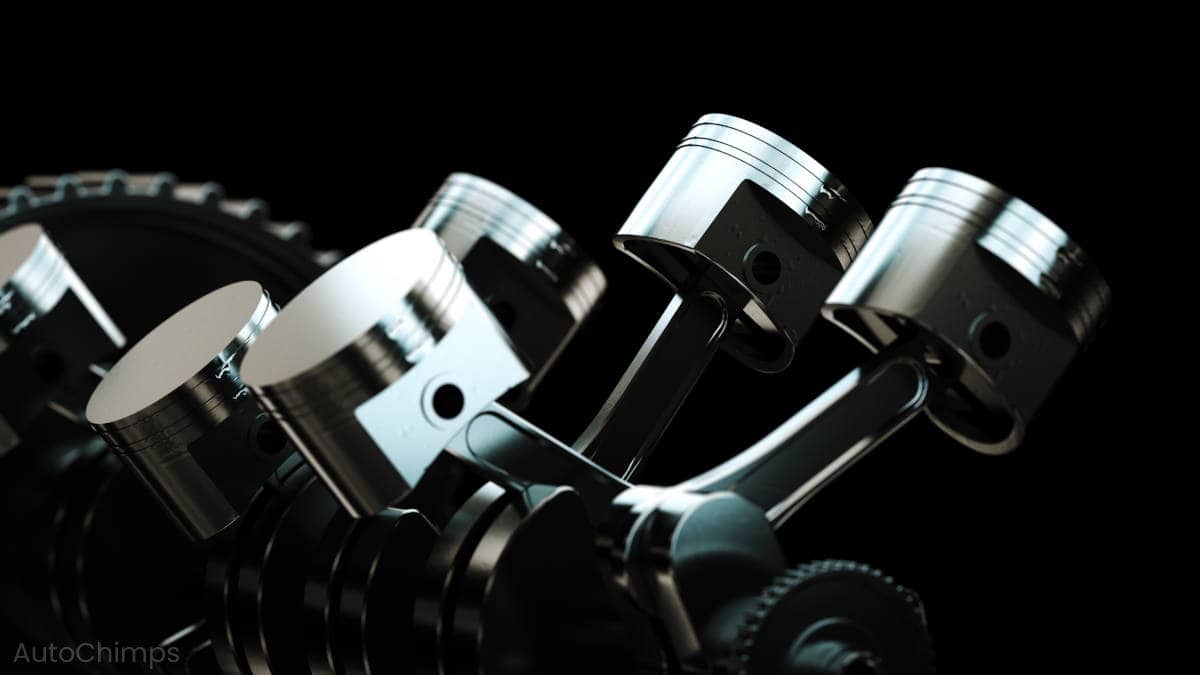
Piston slap refers to abnormal contact between a piston skirt and the cylinder wall during engine operation.
Pistons are designed to move up and down inside the cylinders while maintaining a carefully controlled amount of clearance.
A small amount of clearance is necessary because pistons expand as engine temperature rises.
When the clearance becomes excessive, the piston may rock more than intended as the connecting rod changes direction and applies sideways force.
This movement can create an audible knocking or slapping noise.
In diesel engines, significant piston slap may indicate piston skirt wear, cylinder bore wear, or a problem with component sizing.
What Causes Piston Slap?
Several conditions can contribute to excessive piston movement.
Worn cylinder walls: Long-term operation can increase cylinder bore clearance, allowing additional piston movement.
Piston skirt wear: Damage or excessive wear can reduce the piston’s ability to remain properly supported within the cylinder.
Incorrect piston-to-cylinder clearance: Improper machining, incorrect replacement parts, or assembly errors can create excessive clearance.
Cylinder bore distortion: Out-of-round or tapered cylinders may prevent consistent piston support.
Temperature-related clearance changes: Some engines are more audible when cold because component dimensions change as the engine warms. This does not automatically indicate severe damage.
Motor Service Group provides engine block machining services that include precision boring and honing for diesel engine components.
What Is Rod Knock?
Rod knock is a mechanical noise commonly associated with excessive clearance between a connecting rod bearing and its crankshaft journal.
A connecting rod links the piston to the crankshaft, transferring combustion forces into rotational motion.
Bearings allow the connecting rod to operate around the crankshaft journal while maintaining a protective oil film.
When the bearings become worn or damaged, the increased clearance may create repetitive metallic knocking.
Rod knock can indicate a serious lubrication or bearing problem that requires prompt attention.
What Causes Rod Knock?
Common causes include:
- Connecting rod bearing wear or failure
- Inadequate oil pressure
- Oil contamination
- Crankshaft journal scoring
- Incorrect bearing clearance
- Improper engine assembly
- Excessive operating loads
Unlike some temperature-related piston noises, a true connecting rod bearing knock generally requires urgent mechanical evaluation.
If the crankshaft journal has been damaged, professional crankshaft machining and repair may be necessary.
Piston Slap vs. Rod Knock: Key Differences
| Comparison | Piston Slap | Rod Knock |
|---|---|---|
| Main component | Piston and cylinder wall | Connecting rod bearing and crankshaft |
| Typical noise | Hollow tapping or slapping | Deeper metallic knocking |
| Potential cause | Excessive piston-to-wall clearance | Excessive bearing clearance |
| Cold-start behavior | May be more noticeable when cold | Can occur cold or hot |
| Response to engine load | Varies by engine condition | May become more pronounced under load |
| Potential repair | Cylinder machining or piston replacement | Bearing, rod, or crankshaft repair |
| Damage severity | Ranges from relatively minor to serious | Potentially severe and rapidly progressive |
These differences are general diagnostic clues. Engine construction, operating conditions, and other mechanical failures can change the way each problem sounds.
How Does Piston Slap Sound?
A typical piston slap sound is often described as a hollow, repetitive tapping or light knocking from the cylinder area.
In some engines, it becomes more noticeable during cold operation and decreases as the piston expands with temperature.
However, not every cold-start noise is piston slap.
Fuel injection behavior, valve train components, accessory drives, and normal diesel combustion can also produce audible sounds.
Piston slap symptoms may also be accompanied by increased oil consumption, cylinder wear, or compression problems when the underlying damage becomes significant.
For diesel engines with suspected cylinder wear, measuring piston-to-cylinder clearance and cylinder geometry provides more useful information than guessing from the noise.
How Does Rod Knock Sound?
Rod knock usually produces a deeper metallic knocking sound associated with the lower engine assembly.
The noise may increase in frequency as engine RPM rises and can become more obvious under load.
Other possible indicators include declining oil pressure or metallic particles found during oil inspection.
Because connecting rod bearing damage can progress quickly, operators should not continue using an engine simply to determine whether the noise becomes louder.
Motor Service Group discusses related lower-engine component failures in its article on connecting rod bushing problems in diesel engines.
Can Piston Slap Turn Into Rod Knock?
Piston slap does not directly turn into rod knock because the two conditions involve different mechanical clearances.
However, both can develop in the same engine.
For example, inadequate lubrication, contamination, or extensive wear may affect pistons, cylinders, bearings, and crankshaft components.
An engine that initially develops excessive piston-to-wall clearance may eventually suffer additional mechanical problems if the underlying wear or lubrication issue is not corrected.
A complete engine inspection helps identify whether the noise is isolated to one component or part of a broader failure.
How Can a Machine Shop Identify the Actual Damage?
Accurate diagnosis may require several stages, depending on the engine and symptoms.
1. Review the Noise and Operating Conditions
A repair technician considers when the noise occurs, whether the engine is cold or hot, and how the sound changes with operating speed or load.
2. Inspect Oil Condition and Pressure
Oil pressure and signs of metallic contamination can reveal possible bearing or lubrication problems.
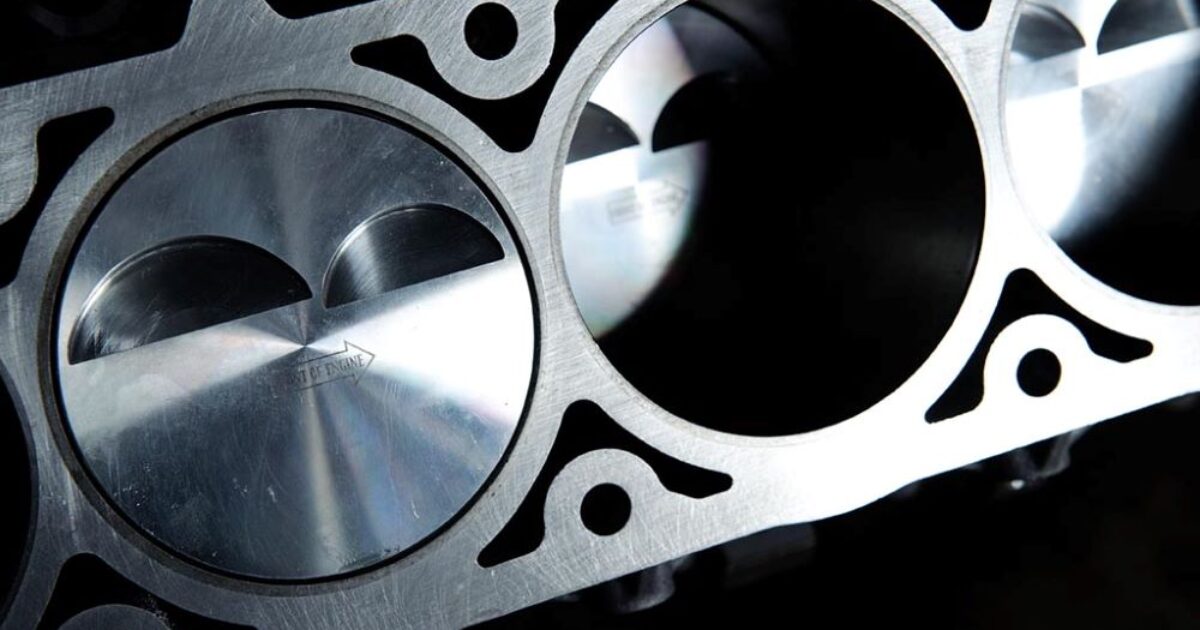
3. Measure Cylinder Bore Wear
If piston slap is suspected, technicians may inspect the engine block for:
- Cylinder bore taper
- Out-of-round conditions
- Wall scoring
- Piston skirt wear
- Excessive piston-to-wall clearance
These measurements help determine whether boring, honing, sleeving, or other repairs are required.
4. Inspect Connecting Rod Bearings
If rod knock is suspected, bearing surfaces and clearances must be inspected.
Scoring, abnormal wear, heat damage, or transferred material may indicate bearing failure.
5. Check Crankshaft Journal Dimensions
The crankshaft journals are measured to evaluate whether they remain within manufacturer specifications.
If necessary, precision polishing or grinding may restore a suitable surface for correct bearing operation.
Learn more about the value of accurate component measurements in Motor Service Group’s diesel engine machining and connecting rod guide.
When Is Professional Diesel Engine Machining Necessary?
When mechanical wear exceeds allowable tolerances, replacing a single component may not be sufficient.
For example, fitting new pistons into worn or distorted cylinder bores can leave the original clearance problem unresolved.
Similarly, installing new connecting rod bearings on damaged crankshaft journals may lead to premature failure.
A professional machine shop can evaluate the damaged components and recommend appropriate corrective work.
Motor Service Group supports diesel engine repair projects with engine block machining, crankshaft grinding, and connecting rod inspection for marine, commercial, and heavy-equipment applications.
Hearing an Unusual Noise From Your Diesel Engine?
Whether the problem involves excessive cylinder wear or damaged crankshaft journals, precise measurements help determine the correct repair.
Motor Service Group provides specialized diesel engine machining and component repair services in Miami and South Florida.
Request an Engine Machining Estimate
Can Piston Slap Be Repaired?
Yes, depending on the extent of wear and the engine design.
Possible repair methods include replacing worn pistons, restoring cylinder bore geometry, or installing cylinder sleeves when appropriate.
If a cylinder has excessive wear, the repair may involve boring and honing it to the specified dimensions for a suitable replacement piston.
Motor Service Group explains the differences between these processes in its engine block machining services.
The final repair should be based on measured clearances and manufacturer requirements rather than noise alone.
Can Rod Knock Be Repaired?
Rod knock can sometimes be repaired without replacing the complete engine.
However, the repair depends on whether the bearings, connecting rods, and crankshaft remain serviceable.
Minor journal imperfections may be suitable for polishing, while more substantial wear may require precision grinding.
Severely damaged components may need replacement.
An accurate inspection helps prevent unnecessary parts replacement and reduces the risk of repeating the failure.
How to Prevent Internal Engine Damage
Good maintenance and precise rebuilding practices can help reduce the risk of excessive component wear.
Use the correct engine oil, follow maintenance schedules, address oil contamination, and investigate unusual noises or falling oil pressure promptly.
During rebuilding, verify cylinder bore measurements, piston clearances, bearing sizes, and crankshaft journal dimensions.
For marine and heavy-equipment operators, these preventive steps are especially important because an unexpected engine failure can interrupt operations and create expensive downtime.
Frequently Asked Questions About Piston Slap vs. Rod Knock
Is piston slap worse than rod knock?
Not necessarily. Minor piston slap in some engines may be relatively stable, while significant piston or cylinder damage can require major repair. Rod knock associated with bearing failure is generally more urgent because continued operation can quickly damage the crankshaft.
Does piston slap go away when the engine warms up?
It may become quieter as components expand with heat. However, this behavior does not confirm piston slap or guarantee that the engine is safe to operate.
Can rod knock sound like piston slap?
Yes. Both problems can produce repetitive metallic noises, and their sounds may overlap depending on engine design, speed, and operating conditions.
Will thicker oil fix piston slap?
Thicker oil does not restore worn pistons or damaged cylinder bores. Oil selection should follow manufacturer recommendations.
How can you tell if a diesel engine has rod knock?
A deep metallic knock, changes under load, low oil pressure, or bearing debris may suggest rod knock. Confirmation typically requires further testing and mechanical inspection.
Can a diesel engine have piston slap and rod knock at the same time?
Yes. An engine may have excessive cylinder wear and connecting rod bearing damage simultaneously, particularly following prolonged operation with lubrication or wear problems.
Get Precision Diesel Engine Machining in Miami
Piston slap and rod knock may sound similar, but they point to different mechanical problems.
Identifying the correct cause is essential before selecting replacement components or machining procedures.
Motor Service Group provides engine block machining, crankshaft services, and connecting rod repair for commercial diesel, marine, and heavy-equipment engines.
Contact Motor Service Group to discuss a component inspection or request an estimate for your diesel engine repair project.