

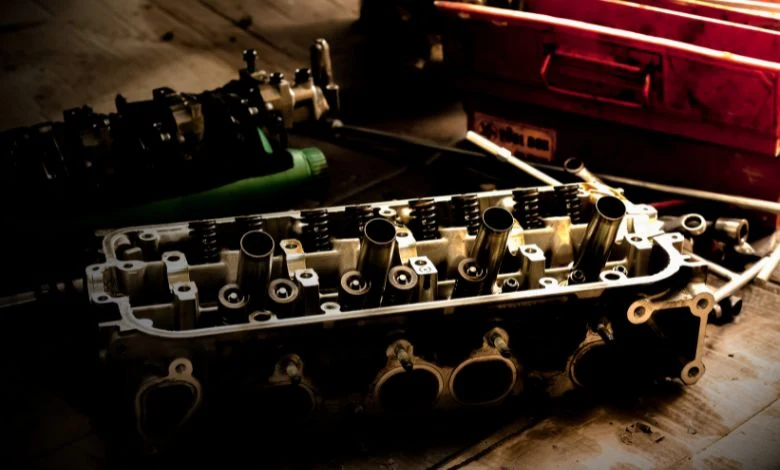
Cylinder head resurfacing is a machining process that removes a thin, controlled layer of metal from the head’s deck so it sits perfectly flat against the engine block. That flat, smooth surface is what lets the head gasket seal combustion pressure, coolant and oil. If the deck is warped, pitted or scratched, even a brand-new gasket will eventually leak.
At Motor Service Group, we have been resurfacing diesel cylinder heads in Miami since 1949 — from marine Caterpillar heads to Cummins, Detroit and generator engines. This guide explains how resurfacing works, the specs that matter on a diesel, how much it typically costs, and when a head is better replaced than machined.
What Does Cylinder Head Resurfacing Do?
A cylinder head lives in a hard environment. Every combustion event pushes on the gasket, and every heat cycle expands and contracts the casting. Over thousands of hours, the deck can distort slightly. Resurfacing corrects three things:
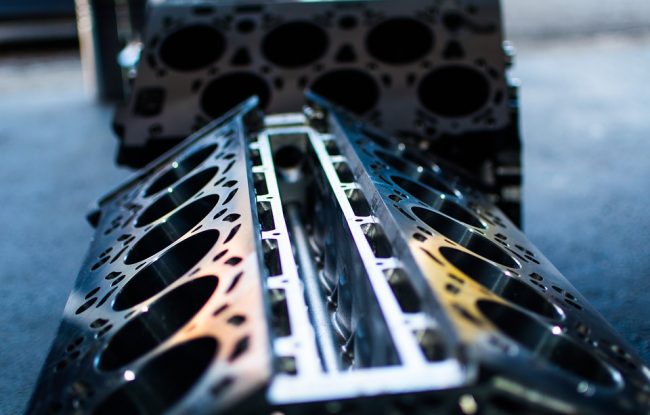
- Flatness — the deck must be flat across its full length and width, so clamping force is even at every bolt.
- Surface finish — the texture of the machined surface must match the gasket type. Too rough and the gasket can’t seal; too smooth for some gaskets and it can creep.
- Surface damage — erosion around coolant holes, corrosion pits, and scratches from scraping off an old gasket are cut away.
The work is done on a dedicated surfacing machine (a surface grinder or mill) that holds the head rigidly and takes very light passes, often only a few thousandths of an inch at a time.
Signs Your Cylinder Head Needs Resurfacing
You can’t see a few thousandths of warp with the naked eye, so most heads are flagged by symptoms or by measurement. Common signs include:
- A blown or weeping head gasket — especially if a gasket has failed more than once.
- Overheating — a single serious overheat can twist a head, particularly a long inline-six diesel head.
- Coolant loss with no visible leak, or white smoke from the exhaust.
- Combustion gas in the cooling system — bubbles in the overflow tank or a pressurized radiator hose.
- Oil and coolant mixing — milky oil or an oily film in the coolant.
- Visible pitting or erosion on the deck once the head is off.
Any time a diesel head comes off the engine, it should be measured before it goes back on. Reinstalling an unchecked head is the most common reason a fresh head gasket fails early.
How We Resurface a Diesel Cylinder Head: Step by Step
Good resurfacing is more than a quick pass on the machine. Here is the process our machinists follow:
- Clean. The head is stripped and cleaned in a hot tank so carbon, scale and gasket material don’t hide damage.
- Crack check. Before we spend money machining, we check for cracks with Magnaflux crack detection and pressure testing. Diesel heads commonly crack between valve seats and around injector bores.
- Measure flatness. A precision straightedge and feeler gauge are used lengthwise, crosswise and diagonally across the deck.
- Check thickness. We measure the head’s overall height and compare it to the manufacturer’s minimum.
- Machine. The head is leveled on the surfacing table and only enough metal is removed to clean up the deck.
- Verify finish. The surface finish is checked against the gasket maker’s requirement.
- Re-check critical dimensions. On a diesel, removing metal changes valve recession and injector protrusion, so both are measured after machining.
Flatness Specs and How Much Metal Can Be Removed
There is no single number for every engine — always follow the OEM service manual — but these are typical guidelines machinists work to:
| Item | Typical guideline |
|---|---|
| Max out-of-flat, cast iron diesel head | about 0.003–0.004 in. over the full length |
| Max out-of-flat, aluminum head | about 0.002 in. over the full length |
| Surface finish for MLS (multi-layer steel) gaskets | very smooth, roughly 20–50 Ra |
| Surface finish for composite gaskets | roughly 60–100 Ra |
| Metal removed in a normal clean-up cut | often 0.002–0.010 in. |
More metal is not better. Every thousandth removed raises compression slightly, lowers the valves relative to the deck and can change injector tip height. Many diesel heads have a stamped or published minimum height. When a head would fall below that limit to get flat, it should be replaced — not cut again.
Cylinder Head Resurfacing Cost
The cost of cylinder head resurfacing depends on the size of the head, the material, how much damage there is, and whether other work is done at the same time. As a general guide:
| Job | Typical price range |
|---|---|
| Single small automotive head, resurface only | $75–$150 |
| Medium/heavy diesel head (one-piece six-cylinder) | $150–$400 |
| Large marine or industrial head | $250–$600+ |
| Resurface + crack check + pressure test | add $100–$250 |
| Full rebuild (valve job, seats, guides, resurfacing) | quoted per head |
The most cost-effective approach is usually to resurface as part of a complete inspection. Paying to machine a head that later fails a pressure test is wasted money, which is why we test first. If the head needs more than a deck cut, see our full cylinder head repair process.
Resurface or Replace?
Resurfacing is the right call when the head is crack-free, within its minimum thickness, and only needs a light cut. Replacement makes more sense when:
- The head is cracked across a valve bridge or into a water jacket.
- Previous machining has already taken it close to the minimum height.
- Severe erosion or corrosion would require too much metal to be removed.
- The cost of repairs approaches the price of a new or remanufactured head.
A reputable shop will tell you when a head isn’t worth saving, rather than machining it anyway.
Should You Resurface the Engine Block Too?
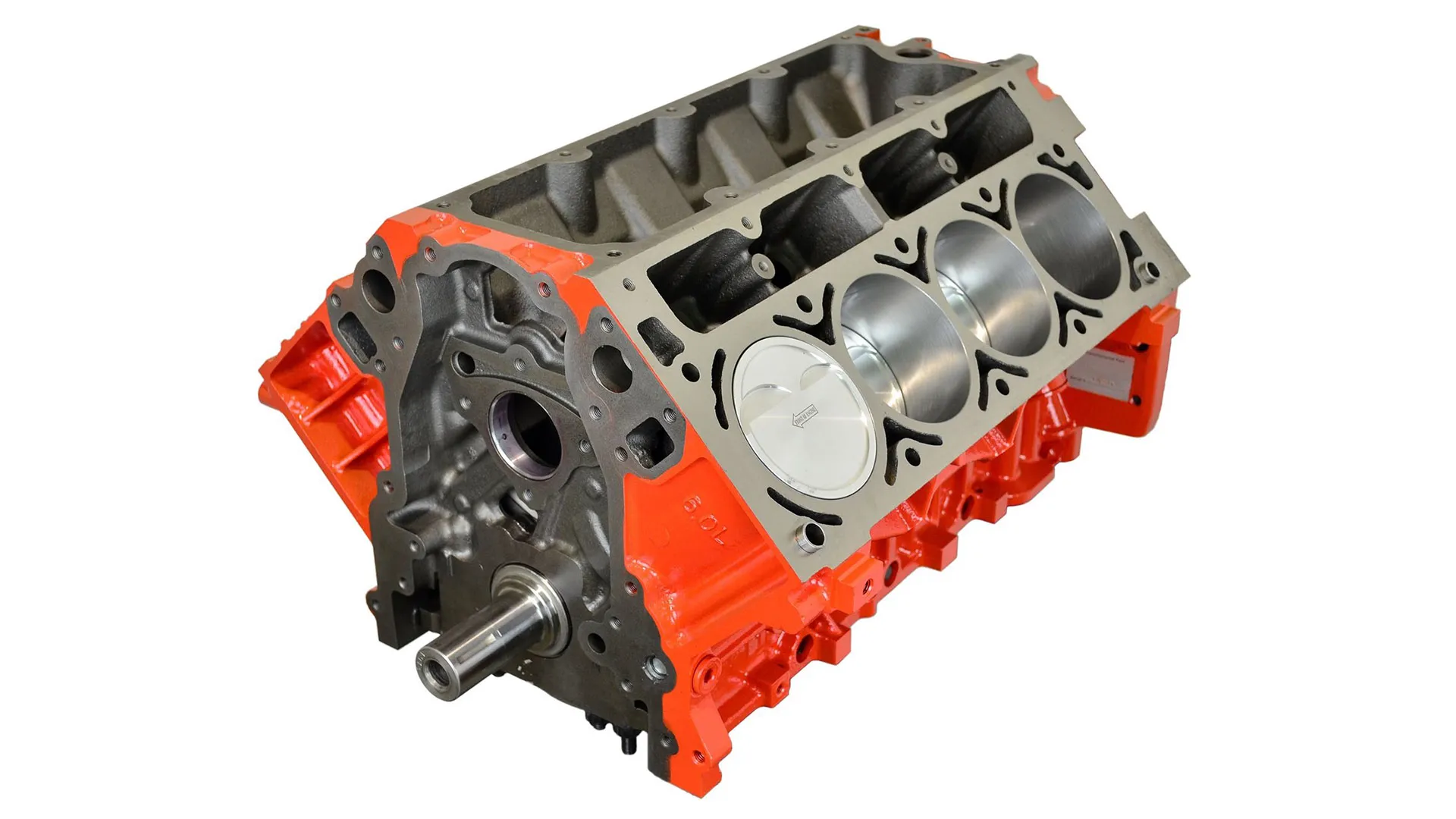
Often, yes. A gasket seals between two surfaces. If the head is flat but the block deck is warped or pitted, the gasket can still fail. When a diesel has overheated, we recommend checking the block deck as well and decking it if needed through our engine block machining service. You can also read why precise machining matters in why machining prevents rebuild failure.
Why DIY Resurfacing Rarely Works on a Diesel
You’ll find videos of people sanding heads on glass or with hand tools. On a small engine that might get close, but a diesel head is long, heavy and runs high cylinder pressure. Hand methods can’t hold flatness across the full length, can’t produce the correct finish for an MLS gasket, and can’t check injector protrusion afterward. Given that resurfacing is one of the least expensive steps in a head job, it is worth having it done on proper equipment.
Get Your Cylinder Head Resurfaced in Miami
Motor Service Group resurfaces, tests and rebuilds diesel cylinder heads for fleets, marine operators, heavy-equipment owners and repair shops across Miami-Dade, Broward and Palm Beach, including Doral, Medley and Hialeah. See our cylinder head services or request a free estimate — tell us the engine make and model and we’ll quote the job.
Frequently Asked Questions
How much does it cost to resurface a cylinder head?
Most cylinder heads cost between about $75 and $400 to resurface, depending on size and material. Large marine or industrial diesel heads cost more, and crack testing or a valve job is extra.
How do I know if my cylinder head needs resurfacing?
A head needs resurfacing if it is out of flat beyond the manufacturer’s limit, has pitting or erosion on the deck, or has suffered a blown head gasket or overheating. The only reliable way to know is to measure it with a straightedge and feeler gauge.
How much can you take off a cylinder head?
Only as much as needed to clean up the surface — often 0.002–0.010 in. The total amount is limited by the head’s minimum height in the service manual. Removing too much raises compression and changes valve and injector dimensions.
Should I always resurface the head when replacing a head gasket?
You should always measure it. If it is flat and the finish is correct, resurfacing may not be needed. On diesels that have overheated or blown a gasket, a light resurfacing cut is usually recommended.
How long does cylinder head resurfacing take?
The machining itself takes about an hour, but with cleaning, crack testing and measuring, most shops return a resurfaced head within one to three business days.
Can a warped aluminum cylinder head be resurfaced?
Yes, as long as it is not cracked and has enough material left. Badly warped aluminum heads are sometimes straightened in a fixture first, then given a light cut.