

A knocking sound coming from a diesel engine can indicate serious internal damage, particularly when the noise becomes louder under acceleration or engine load. While diesel engines naturally produce more combustion noise than gasoline engines, a deep, repetitive metallic knock deserves immediate attention.
Rod knock occurs when excessive clearance develops between a connecting rod bearing and the crankshaft journal, allowing abnormal movement and impact during engine operation. If ignored, the damage can spread from the bearing to the crankshaft and connecting rod, potentially resulting in complete engine failure.
Understanding the causes of rod knock, recognizing its warning signs, and knowing when professional crankshaft repair is required can help protect valuable equipment and reduce unnecessary downtime.
What Is Rod Knock in a Diesel Engine?
Rod knock is an abnormal engine noise commonly associated with worn, damaged, or failed connecting rod bearings.
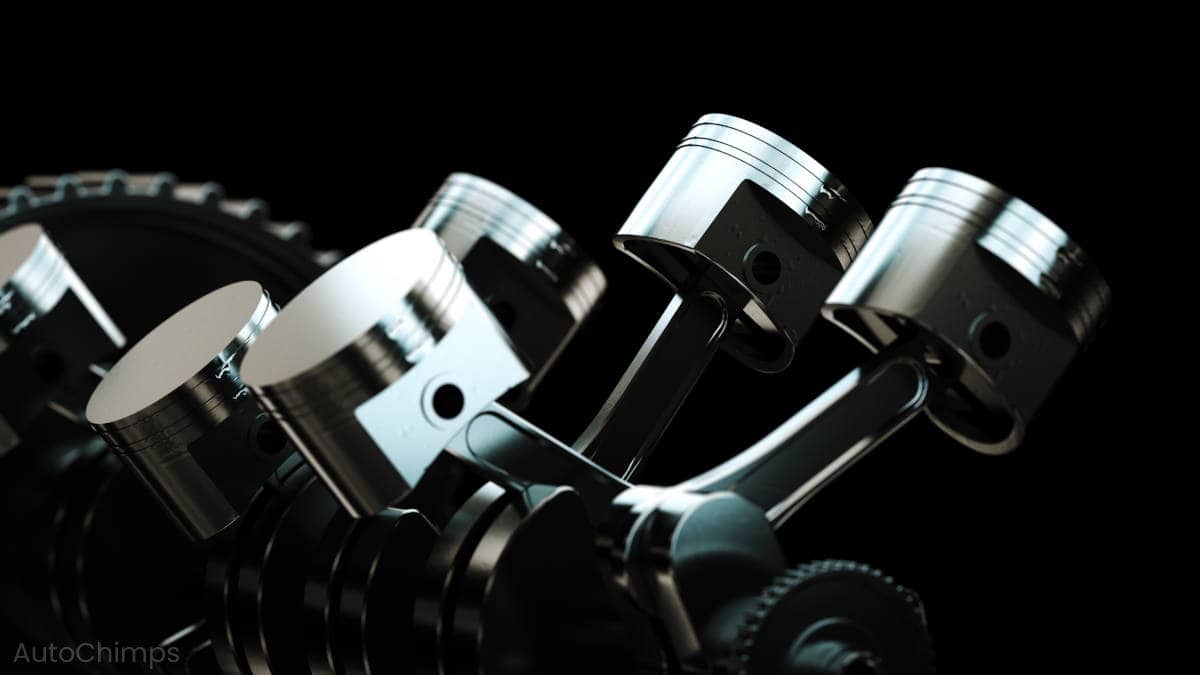
Inside a diesel engine, the connecting rods transfer force from the pistons to the crankshaft. Bearings between the connecting rods and crankshaft journals allow these components to move smoothly while maintaining a controlled oil film.
When the bearing clearance becomes excessive or the lubricating oil film breaks down, the components may make abnormal contact.
This can produce a rhythmic metallic knocking sound that changes with engine speed and load.
Rod knock is particularly concerning in heavy-duty diesel engines used in commercial trucks, marine vessels, construction equipment, and industrial machinery because continued operation can damage expensive internal components.
For a closer look at the components involved, explore Motor Service Group’s connecting rod services.
What Causes Rod Knock in Diesel Engines?
Several mechanical and lubrication problems can contribute to connecting rod bearing failure.
1. Low Engine Oil Pressure
Engine oil maintains a protective film between moving parts.
When oil pressure becomes insufficient, the bearings may not receive enough lubrication to support normal engine loads.
Possible causes include oil pump problems, excessive bearing clearances, low oil levels, and restrictions within the lubrication system.
If the protective oil film fails, metal-to-metal contact can accelerate bearing wear.
2. Worn Connecting Rod Bearings
Connecting rod bearings experience repeated pressure as the pistons transfer combustion forces to the crankshaft.
Over time, excessive wear or damage can increase bearing clearance and allow abnormal movement.
Signs of connecting rod bearing failure may include metallic knocking, bearing debris in the engine oil, and visible damage during inspection.
3. Crankshaft Journal Damage
Crankshaft journals must maintain precise dimensions, surface finishes, and alignment.
Scoring, taper, out-of-round conditions, or excessive wear can interfere with proper bearing operation.
When damage occurs, simply installing new bearings may not solve the underlying problem.
Professional crankshaft services can help determine whether grinding, polishing, or replacement is appropriate.
4. Contaminated Engine Oil
Dirt, coolant, fuel dilution, and metallic particles can reduce lubrication effectiveness or damage bearing surfaces.
Contamination may result from poor filtration, internal leaks, or previous engine damage.
Correcting the contamination source is essential before rebuilding or returning the engine to service.
5. Excessive Engine Loads or Improper Assembly
Overloading, incorrect bearing clearances, improper fastener tightening, and assembly errors can contribute to premature bearing damage.
Even high-quality replacement parts may fail when crankshaft dimensions and connecting rod specifications are not verified.
What Are the Symptoms of Rod Knock?
Recognizing rod knock symptoms early can prevent a repairable bearing problem from becoming extensive crankshaft damage.
Common warning signs include:
- Deep metallic knocking: A repetitive sound often coming from the lower section of the engine.
- Noise that changes with RPM: The knocking frequency generally increases as engine speed rises.
- Knocking under load: The noise may become more noticeable during acceleration or heavy operation.
- Low oil pressure: A warning light or pressure reading may indicate a lubrication problem.
- Metal particles in engine oil: Bearing material or other metallic debris can suggest internal wear.
- Reduced engine reliability: Severe bearing damage can result in overheating, loss of performance, or engine seizure.
These symptoms do not confirm rod knock by themselves. Other engine problems, including combustion-related diesel knock, piston slap, and accessory failures, can produce similar noises.
A professional diagnosis is necessary to identify the actual cause.
How Does Rod Knock Sound?
A typical rod knock sound is a deep, hollow, metallic tapping or knocking that follows engine rotation.
It often differs from the sharper ticking associated with valve train components or diesel fuel injection.
However, sound alone cannot reliably identify which internal component has failed.
A technician may evaluate engine noise alongside oil pressure readings, oil analysis, operating conditions, and mechanical inspection.
Important: If rod knock is suspected, avoid operating the engine under load. Continuing to run an engine with bearing failure can result in a broken connecting rod, severely damaged crankshaft, or damaged engine block.
When Is Crankshaft Repair Needed?
Not every engine with rod knock requires complete crankshaft replacement.
The correct repair depends on the condition of the bearings, crankshaft journals, connecting rods, and lubrication system.
Professional inspection may identify three possible outcomes.
Crankshaft Polishing
If the crankshaft has only minor surface imperfections and remains within allowable dimensions, polishing may be suitable.
The goal is to restore the required surface finish without unnecessarily removing material.
Crankshaft Grinding
When journal wear or scoring exceeds acceptable limits, precision grinding may be considered.
The process removes a controlled amount of material to restore the journal’s shape and surface finish.
The repaired journal must be compatible with the correct bearing size and manufacturer specifications.
Crankshaft Replacement
Replacement may be necessary when the crankshaft has severe cracks, excessive deformation, or damage beyond allowable machining limits.
A professional inspection helps establish whether repair is technically acceptable and economically practical.
Motor Service Group’s article on why crankshaft repairs can fail after reassembly explains why measurement and proper rebuilding practices are essential.
Need a Professional Crankshaft Inspection?
A knocking diesel engine should not be returned to service without identifying the cause of the noise.
Motor Service Group provides precision crankshaft machining, inspection, and connecting rod services for diesel engine components in Miami and South Florida.
Request a Crankshaft Repair Estimate
How Is Rod Knock Diagnosed?
A complete diagnosis typically begins before the engine is disassembled.
Step 1: Review the Engine’s Operating History
Technicians consider when the noise started, whether it changes under load, and whether the engine previously experienced low oil pressure or overheating.
Step 2: Inspect the Lubrication System
Oil condition, filtration, and oil pressure readings can help identify possible bearing lubrication problems.
Step 3: Examine the Bearings
When disassembly is necessary, connecting rod bearings are inspected for scoring, abnormal wear, overheating, and material damage.
Step 4: Measure Crankshaft Journals
Precision measuring equipment is used to evaluate journal diameter, taper, and out-of-round conditions.
Step 5: Inspect Connecting Rods
Connecting rods may require inspection for distortion, bore damage, or alignment problems before reassembly.
Motor Service Group also explains the importance of connecting rod components in its guide to connecting rod bushing failures.
How Much Does Rod Knock Repair Cost?
Rod knock repair cost varies considerably depending on the engine design and the extent of internal damage.
A repair involving limited bearing damage may be less extensive than one requiring crankshaft grinding, connecting rod replacement, or a complete engine rebuild.
Factors affecting the final cost include:
- Engine size and configuration
- Labor required for disassembly and reassembly
- Crankshaft journal condition
- Bearing and connecting rod damage
- Additional machining requirements
- Availability of replacement components
For commercial fleets and marine operators, equipment downtime is another important consideration.
A professional assessment can help determine whether machining existing components is more practical than purchasing replacements.
Can You Drive or Operate a Diesel Engine With Rod Knock?
Operating a diesel engine with suspected rod knock is not recommended.
A damaged bearing can deteriorate rapidly, particularly under heavy loads.
Continued operation may increase crankshaft scoring, damage connecting rod components, or create additional problems inside the engine block.
The safest approach is to stop the engine when practical, arrange professional diagnosis, and avoid restarting it until the problem has been evaluated.
How to Help Prevent Rod Knock
Although not every bearing failure is preventable, proper maintenance and rebuilding practices can reduce the risk.
Follow manufacturer-recommended oil and filter intervals, maintain the correct oil specification, investigate abnormal pressure readings, and avoid prolonged operation with overheating or lubrication problems.
During engine rebuilding, accurate measurements are equally important.
Crankshaft journal dimensions, connecting rod bore alignment, bearing clearances, and lubrication passages should be verified before final assembly.
Motor Service Group’s diesel engine repair guide provides additional information about machining and rebuilding support.
Frequently Asked Questions About Diesel Engine Rod Knock
What is the most common cause of rod knock?
Rod knock is commonly associated with excessive connecting rod bearing clearance or bearing damage. Inadequate lubrication, oil contamination, and crankshaft journal wear can contribute to the problem.
Does rod knock get louder when accelerating?
It can. A damaged connecting rod bearing may produce more noticeable knocking when engine load changes. However, sound behavior varies and should not be used as the only diagnostic method.
Can rod knock be fixed without replacing the engine?
Sometimes. If the crankshaft and connecting rod components remain repairable, replacing damaged bearings and completing the necessary machining may restore proper operating clearances. Severe damage may require major rebuilding or replacement.
Can thicker oil stop rod knock?
Thicker oil may temporarily change the sound, but it does not repair worn bearings or restore damaged crankshaft surfaces. Using an oil grade outside manufacturer specifications may introduce additional lubrication problems.
Can a diesel engine develop rod knock at idle?
Yes. A damaged connecting rod bearing may produce knocking at idle, although the noise can become more pronounced at certain engine speeds or loads.
What happens if rod knock is ignored?
Continued operation may cause additional bearing damage, crankshaft scoring, connecting rod failure, or catastrophic engine damage.
Professional Diesel Crankshaft Repair in Miami
Rod knock is more than an unwanted engine noise. It can indicate bearing wear, lubrication failure, or damage to critical rotating components.
Determining the correct repair requires careful inspection and accurate measurement rather than replacing parts based on symptoms alone.
Motor Service Group provides crankshaft machining, connecting rod inspection and repair, and related diesel engine machining services for marine, fleet, heavy-equipment, and industrial applications.
Contact Motor Service Group to discuss your diesel engine components and request a professional repair estimate.