

A general repair shop can handle routine maintenance, oil changes, coolant flushes, and many common engine problems. But when a heavy-duty diesel engine needs internal repairs, the work becomes more complex.
Marine vessels, commercial trucks, construction equipment, and industrial generators depend on engines that operate under demanding conditions. Repairing these engines requires accurate measurements, specialized equipment, and knowledge of diesel engine components.
That’s where a diesel engine specialist makes a difference.
A professional diesel machine shop can inspect damaged components, identify hidden defects, and restore critical surfaces and clearances to the manufacturer’s specifications.
This guide explains the difference between a diesel engine specialist and a general repair shop, why specialized machining matters, and how to choose the right diesel engine machine shop in Miami.
What Makes Diesel Engines Different From Gasoline Engines?
Diesel and gasoline engines share many mechanical components, but they operate differently. Those differences affect how technicians inspect, repair, and rebuild them.
Compression Ignition and Higher Operating Pressures
Unlike most gasoline engines, diesel engines use compression ignition instead of spark plugs.
Air is compressed inside the cylinder until it reaches a high temperature. Fuel is then injected into the combustion chamber, where it ignites.
Diesel engines typically operate with higher compression ratios and greater cylinder pressures than comparable gasoline engines.
These operating conditions place significant demands on pistons, connecting rods, crankshafts, cylinder heads, and engine blocks.
When these components become worn or damaged, proper repair requires more than replacing the visibly broken part.
A diesel motor specialist must understand how the components work together and how changes in their dimensions can affect engine performance.
Why Diesel Engine Tolerances Matter
Heavy-duty diesel engines depend on precise measurements and clearances.
During a diesel engine rebuild, technicians must inspect several critical areas:
- Cylinder bore diameter, taper, and out-of-round wear
- Crankshaft journal dimensions and surface finish
- Main bearing and connecting rod clearances
- Cylinder head flatness and valve seat condition
- Engine block alignment and deck surfaces
- Connecting rod alignment and bushing condition
Even small deviations from the manufacturer’s specifications can affect lubrication, compression, sealing, and engine reliability.
For example, a worn crankshaft journal may contribute to bearing problems. An uneven cylinder head surface may prevent the head gasket from sealing correctly.
A professional diesel engine machine shop uses precision measuring tools to identify these problems before reassembly.
Learn more about how cylinder head, engine block, and connecting rod machining helps restore critical engine components.
Why Heavy-Duty Diesel Applications Require Specialized Knowledge
Diesel engines used in marine vessels, commercial fleets, heavy equipment, and power generation systems often operate for long periods under substantial loads.
Their operating conditions differ from those of passenger vehicles.
Marine engines may experience sustained high loads and exposure to saltwater environments. Construction equipment frequently operates under changing loads, while generators may run continuously during critical operations.
These conditions can influence component wear, overheating, corrosion, and mechanical failure.
A qualified heavy-duty diesel engine specialist understands these operating demands and uses them to guide the inspection process.
What Can a General Repair Shop Handle?
General automotive repair shops provide valuable services for many vehicle owners and businesses.
However, routine maintenance and precision diesel engine machining are different types of work.
When a General Repair Shop Is the Right Choice
A qualified general repair facility may handle:
- Routine oil and filter changes
- Cooling system maintenance
- Belt and hose replacement
- Basic engine diagnostics
- Electrical system repairs
- Common mechanical repairs
Some general repair shops also have experienced diesel technicians who can handle more advanced repairs.
The important question is whether the facility has the equipment and expertise required for the specific engine problem.
Where General Repair Services May Fall Short
Internal diesel engine damage often requires specialized inspection and machining equipment.
For example, a damaged engine block may need cylinder boring, honing, resurfacing, or align boring.
A worn crankshaft may require journal grinding, polishing, and dimensional inspection.
A cracked cylinder head may need pressure testing and additional crack detection before any repair begins.
These procedures require equipment that many general repair facilities do not maintain.
A shop without these capabilities may need to outsource the machining work to a specialized provider.
For complex repairs, working directly with a diesel machine shop can make the inspection and repair process easier to coordinate.
Why Replacing Parts Does Not Always Fix the Problem
A failed engine component is sometimes the result of another underlying issue.
For example, replacing damaged bearings without checking crankshaft journals and bearing clearances may allow the same problem to return.
Likewise, installing a new cylinder head gasket without checking for cracks or warping may not resolve repeated overheating.
A diesel engine specialist looks beyond the failed component to understand what caused the damage.
This approach helps technicians determine whether parts should be reused, machined, repaired, or replaced.
For a closer look at the risks of incomplete repairs, read our guide on the real cost of skipping the diesel motor reparation process.
What Does a Diesel Engine Specialist Do Differently?
A diesel motor specialist focuses on the inspection, repair, and restoration of diesel engine components.
The goal is to identify the actual cause of failure and return reusable components to the required specifications.
Experience With Different Diesel Engine Platforms
Diesel engines are used across many industries, and their designs vary by manufacturer and application.
Caterpillar, Cummins, Detroit Diesel, Perkins, and MTU engines can have different component designs, inspection requirements, and machining specifications.
A specialist familiar with these platforms can identify common wear patterns and determine which measurements are most important.
For example, a marine diesel engine with repeated overheating may require detailed inspection of the cylinder head, cooling passages, and sealing surfaces.
An industrial diesel engine with bearing damage may need crankshaft inspection, connecting rod measurements, and checks of the engine block’s main bearing bores.
The correct repair process depends on the engine model, operating history, and condition of its components.
Precision Diesel Engine Machining Services
One of the main advantages of a dedicated diesel machine shop is access to specialized machining equipment.
Depending on the component and the damage, professional diesel engine machining services may include:
- Cylinder head resurfacing and valve seat machining
- Engine block boring, honing, and decking
- Crankshaft grinding and polishing
- Connecting rod resizing and bushing replacement
- Main bearing bore alignment and correction
- Component cleaning and precision measurement
- Crack detection and pressure testing
These services help restore worn engine components when they remain suitable for repair.
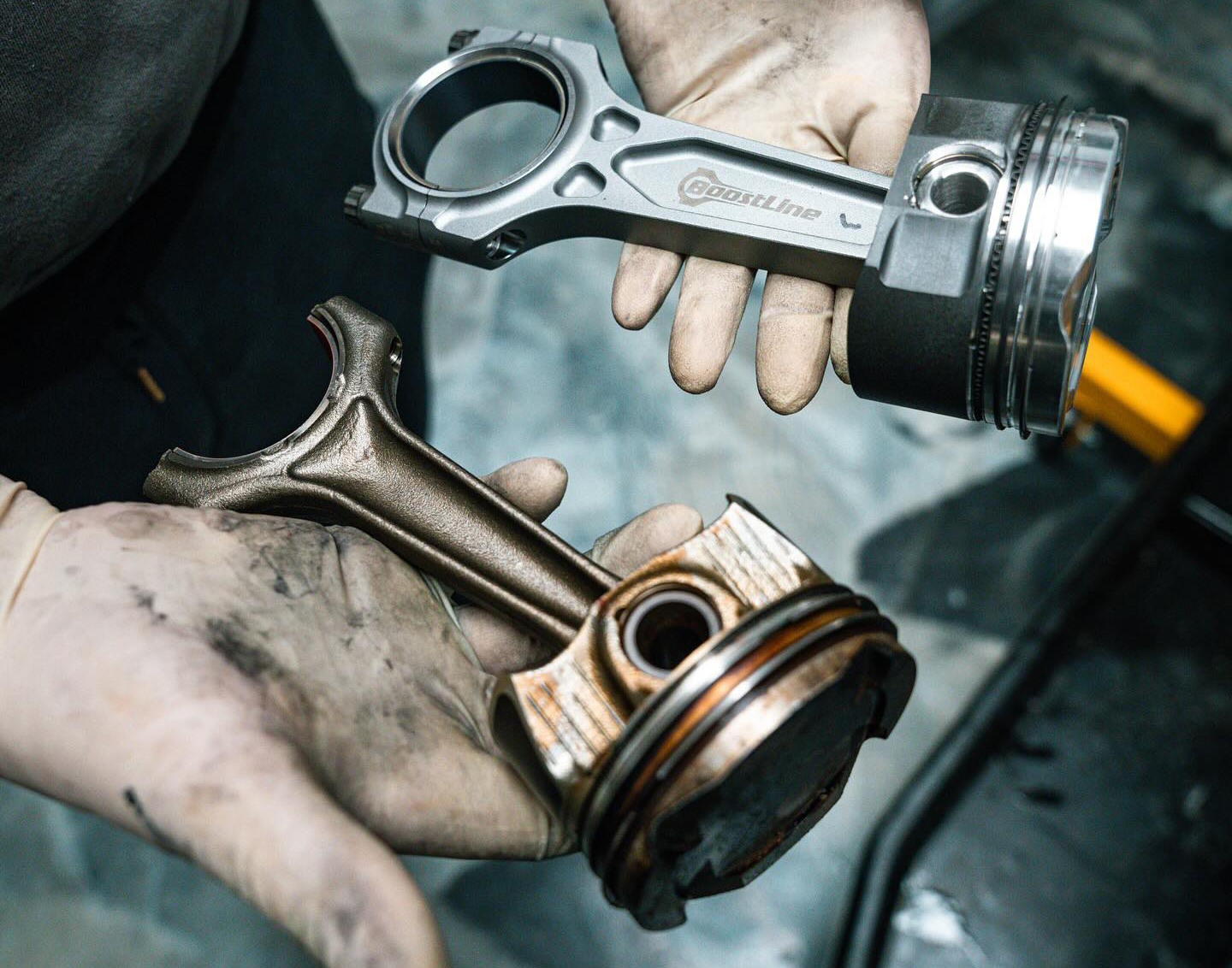
For example, connecting rods may need inspection and reconditioning after bearing failure or excessive wear.
Learn more about connecting rod polishing and bushing replacement and why accurate measurements matter before reassembly.
Advanced Inspection Before Engine Rebuilding
Not every engine problem is visible during a basic inspection.
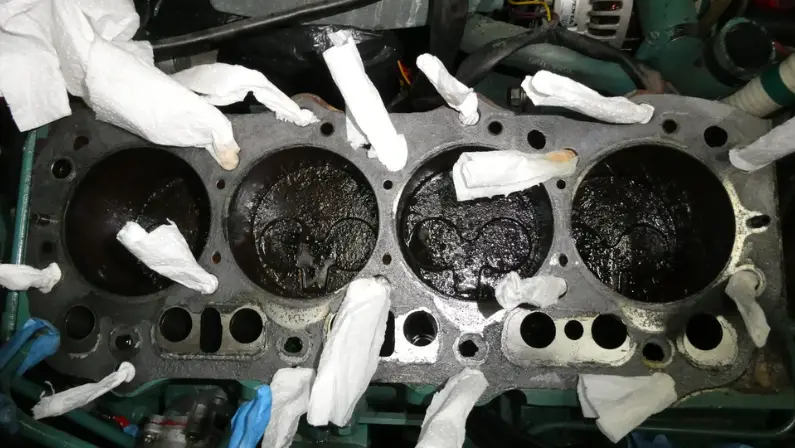
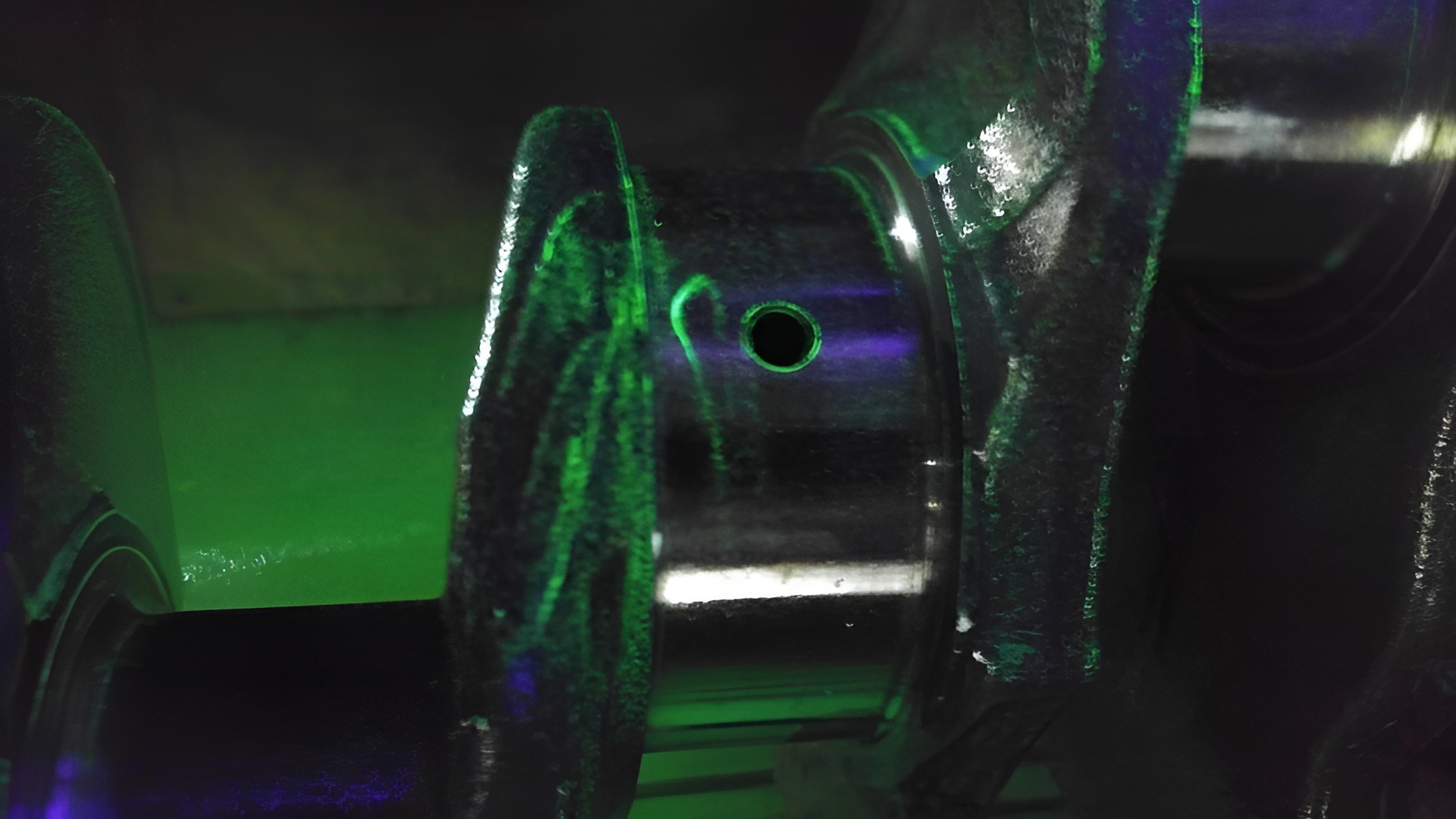
A cylinder head may contain a small crack inside a coolant passage. A crankshaft may have surface damage that requires careful measurement. An engine block may show distortion after overheating.
Professional diesel engine inspection can include several testing methods.
Magnaflux crack detection helps identify surface and near-surface cracks in suitable ferrous metal components.
Pressure testing checks sealed passages for leaks that may not be visible during inspection.
Precision measurement helps identify wear, distortion, and clearance problems.
Together, these procedures provide a more complete picture of the component’s condition.
Read our guide on magnaflux crack detection and the engine components shops sometimes overlook.
You can also learn more about pressure testing before engine reassembly and how it helps identify hidden leaks.
Which Industries Benefit Most From a Diesel Engine Specialist?
Specialized diesel engine machining is particularly important when equipment downtime affects business operations.
Marine Diesel Engines in Miami and South Florida
Marine diesel engines operate in demanding environments.
Saltwater exposure, humidity, sustained engine loads, and long operating hours can contribute to corrosion and component wear.
When a marine engine experiences overheating, oil contamination, or internal mechanical failure, the affected components may require specialized inspection.
A marine diesel engine specialist can evaluate cylinder heads, engine blocks, crankshafts, and other critical components before rebuilding.
This is especially important for commercial vessels and marine operators who depend on reliable engine performance.
Motor Service Group supports marine diesel engine machining and inspection for customers throughout Miami and South Florida.
Commercial Fleet Diesel Engines
Commercial fleet operators depend on their vehicles to maintain delivery schedules, complete jobs, and support daily operations.
An engine failure can create additional expenses through repairs, vehicle downtime, and missed work.
When a diesel engine develops internal damage, accurate inspection can help determine whether machining or replacement is the better option.
A qualified specialist can assess cylinder wear, crankshaft condition, bearing damage, and other mechanical problems.
This allows fleet operators to make repair decisions based on the actual condition of the engine.
Heavy Equipment and Construction Engines
Excavators, loaders, cranes, and other heavy equipment rely on diesel engines designed for demanding work.
These engines may experience long operating hours, heavy loads, and exposure to dust, heat, and vibration.
When internal components wear beyond specification, precision machining may be needed.
For example, an engine block may require boring and honing to restore cylinder geometry.
A crankshaft may need grinding or polishing after bearing damage.
Learn more about the importance of working with a heavy equipment engine machine shop in Miami.
Industrial Diesel Engines and Generators
Industrial facilities and power generation systems often depend on diesel engines for continuous or backup power.
Unexpected engine failure can disrupt operations, particularly when backup equipment is unavailable.
Proper inspection and machining help identify worn or damaged components before they are returned to service.
For industrial applications, a diesel engine specialist should understand the engine’s operating requirements and follow the appropriate manufacturer’s specifications.
How to Choose the Right Diesel Engine Specialist in Miami
Not every shop that advertises diesel engine repair offers the same capabilities.
Before selecting a provider, consider the type of work the engine requires and whether the shop can perform the necessary inspections and machining.
Check the Shop’s Machining Capabilities
Ask whether the shop can perform the services your engine needs.
Important capabilities may include:
- Cylinder head inspection and resurfacing
- Engine block boring and honing
- Crankshaft grinding and polishing
- Connecting rod reconditioning
- Magnaflux crack detection
- Cylinder head and engine block pressure testing
- Precision dimensional inspection
Some qualified repair shops work with trusted outside machine shops. Outsourcing alone does not indicate poor workmanship.
What matters is whether the provider has access to the right equipment, follows specifications, and maintains proper quality control.
Ask About Experience With Your Engine Type
A shop experienced with passenger vehicle diesel engines may not regularly work on large marine or industrial components.
Ask whether the technicians have handled engines similar to yours.
It is also helpful to discuss the specific manufacturer, engine model, type of damage, and previous repairs.
Experience with the relevant engine platform can help the shop plan the correct inspection and machining process.
Look for Proper Inspection and Documentation
A reliable diesel engine specialist should be able to explain what needs inspection and why.
For complex machining work, ask how the shop checks critical measurements and determines whether a component is suitable for reuse.
You should also understand which services are included in the estimate and whether additional work may be necessary after inspection.
Clear communication helps avoid unexpected costs and unnecessary repairs.
Review the Shop’s Experience and Previous Work
A long operating history can be a useful trust signal, particularly for specialized machining services.
However, it should be considered alongside technical capability, equipment, customer reviews, and experience with your engine type.
Ask to see examples of similar machining projects.
You can explore Motor Service Group’s engine machining gallery to see examples of diesel engine components and machine shop work.
Why Motor Service Group Is a Diesel Machine Shop in Miami
Motor Service Group has provided precision diesel engine machining and repair services in Miami since 1949.
The company supports marine repair businesses, commercial fleets, heavy equipment contractors, and industrial customers throughout Miami-Dade, Broward, and Palm Beach counties.
Our work focuses on inspecting and restoring critical diesel engine components through accurate measurements, specialized equipment, and precision machining.
Our Diesel Engine Machine Shop Services
Motor Service Group provides a range of specialized services, including:
- Cylinder head services for inspection, resurfacing, and valve-related machining
- Engine block machining for boring, honing, decking, and related repairs
- Magnaflux crack detection to identify hidden defects in suitable metal components
- Crankshaft grinding, polishing, and inspection
- Connecting rod reconditioning and bushing replacement
- Cylinder head and engine component pressure testing
- Diesel engine rebuilding and machining support
Each engine component requires careful evaluation before deciding whether it can be repaired or should be replaced.
Our team focuses on identifying wear, checking critical dimensions, and recommending machining work based on the component’s condition.
Whether you need diesel engine repair in Miami, crankshaft machining, or a complete engine component inspection, Motor Service Group can help determine the next step.
For more information about our approach, read our guide to diesel engine repair and precision machining in Miami.
Frequently Asked Questions
What Is a Diesel Engine Specialist?
A diesel engine specialist inspects, repairs, and rebuilds diesel engines or components using specialized knowledge, tools, and manufacturer-specific procedures.
Why Choose a Diesel Machine Shop Instead of a General Repair Shop?
A diesel machine shop offers specialized equipment for machining, measuring, and inspecting internal engine components that many general repair shops cannot handle.
What Does a Diesel Engine Machine Shop Do?
It performs cylinder head machining, engine block boring, crankshaft grinding, connecting rod repair, crack detection, and other precision engine services.
Can a General Mechanic Repair a Diesel Engine?
Yes, if properly trained and equipped. Complex internal damage may require additional expertise or services from a dedicated diesel machine shop.
Does Motor Service Group Work on Marine and Heavy Equipment Engines?
Yes. Motor Service Group provides diesel engine component machining and inspection for marine, fleet, heavy equipment, and industrial applications.
Where Can I Find a Diesel Engine Machine Shop in Miami?
Motor Service Group is located at 6600 NW 77th Court, Miami, FL 33166, serving businesses across Miami and South Florida.
Talk to a Diesel Engine Specialist in Miami
When a heavy-duty diesel engine needs more than routine maintenance, the quality of the inspection and machining work matters.
Worn cylinder bores, damaged crankshaft journals, cracked cylinder heads, and alignment problems require careful measurements and the right equipment.
Motor Service Group has served Miami since 1949, providing diesel engine machining, inspection, and repair services for marine, commercial, and industrial applications.
If your engine needs professional attention, our team can help evaluate the components and recommend the appropriate repair process.
Contact Motor Service Group today to discuss your engine and request a free estimate.