

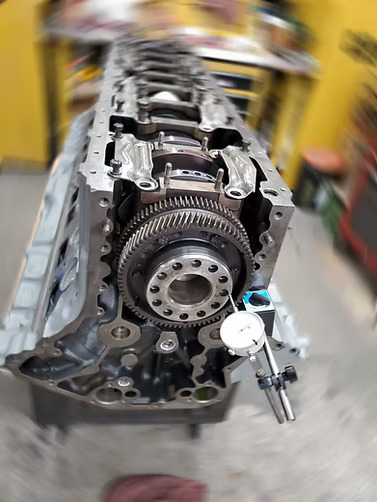
Diesel motor reparation is not just about fixing what is broken. It is a controlled sequence of inspection, assessment, and precision machining that determines whether an engine returns to service reliably or comes back months later with worse damage. Skipping steps in that sequence rarely saves money. It shifts costs forward, usually at a worse time and a higher price.
This post breaks down where those costs originate and what they actually look like for marine, fleet, and heavy equipment operators in Miami and South Florida.
What Diesel Motor Reparation Actually Involves
The Difference Between a Repair and a Reparation
A repair addresses a specific failure. Reparation restores internal geometry, surface conditions, and tolerances to the standard required for reliable operation. The distinction matters because an engine that has been repaired without reparation has new parts installed on compromised surfaces, and those surfaces will wear down what is new faster than the original failure did.
The Steps That Get Skipped When Speed or Cost Is Prioritized
When shops prioritize turnaround time over thoroughness, certain steps are the first to go:
- Full disassembly and individual component inspection
- Magnaflux crack detection on heads, blocks, crankshafts, and rods
- Pressure testing on cylinder heads and cooling passages
- Precision measurement of bores, journals, and clearances
- Machining of areas outside OEM tolerance
Each of these steps costs time and money. Each one also prevents a category of failure that is significantly more expensive to address the second time around.
The Real Cost of Skipping Inspection
Hidden Damage That Visual Checks Cannot Find
A cylinder head can look clean and intact after a job and still have a hairline crack that causes coolant contamination within the first hundred operating hours. A crankshaft journal can appear serviceable to the naked eye and still be out of round enough to destroy new bearings within weeks. These problems are not visible without magnetic particle testing, pressure checks, and precise measurement. Skipping those steps does not eliminate the damage. It eliminates the opportunity to find it before it progresses.
Understanding what magnaflux testing reveals and why it is required before any machining begins is covered in detail in our guide on why magnaflux crack detection is a non-negotiable step in engine rebuilding.
What Happens When a Cracked Component Returns to Service
A cracked cylinder head that goes back into operation will eventually leak. Depending on the crack location, that leak may cause:
- Coolant contamination of the oil
- Overheating and thermal damage to the gasket and block
- Compression loss across affected cylinders
- Accelerated wear on pistons and cylinder walls
By the time the problem is diagnosed and the unit comes back to the shop, the scope of work has expanded well beyond what proper testing would have identified originally.
For a full breakdown of what pressure testing reveals and why skipping it leads to repeat failures, read our guide on what happens when you skip pressure testing before engine reassembly.
How a Missed Check Turns a Small Job Into a Major Overhaul
The pattern is consistent. An engine comes in for a cylinder head job. Testing is skipped or abbreviated. The head goes back on without crack detection or pressure verification. It runs briefly, develops a coolant leak, overheats, and returns with a warped block, a destroyed gasket, and bearing damage from contaminated oil. What started as a focused repair has become a full overhaul.
The additional expense in that scenario is not an accident. It is the direct financial result of skipping the assessment process.
The Real Cost of Skipping Precision Machining
Why New Parts Fail on Unmachined Surfaces
Bearings, seals, gaskets, and pistons all depend on the surfaces they contact being within OEM tolerances. A bore that is out of round, a deck that is not flat, or a crankshaft journal with scoring will cause new parts to wear unevenly from the moment it starts. The components are new. The surfaces they rely on are not. The failure timeline is shorter than the original service life by a significant margin.
How Incorrect Tolerances Drive Premature Wear
Incorrect bearing clearance is one of the most common causes of premature failure after a rebuild. Too tight, and the bearing overheats and seizes. Too loose, and oil pressure drops, starvation begins, and bearing material circulates through the lubrication system. Neither outcome is recoverable without pulling it again. Both are preventable with proper crankshaft grinding, bore measurement, and clearance verification before assembly.
The Compounding Cost of a Second Overhaul
A commercial-grade diesel overhaul ranges from $10,000 to over $45,000 depending on platform size and damage scope. A second overhaul following a failed first attempt does not cost less. It often costs more, because secondary damage has spread to areas that were still serviceable during the original job. The machining that was skipped still has to be done, plus the additional damage caused by running it in a compromised condition.
What Rebuild Costs Actually Look Like
Cost Ranges Across Platforms
Figures vary significantly by application:
- Light-duty diesel: $5,000 to $8,000 for a properly executed job
- Commercial truck and fleet: $10,000 to $25,000 depending on scope
- Marine and industrial heavy-duty: $20,000 to $45,000 or more
These figures reflect a complete, thorough process. Abbreviated repairs that skip assessment and machining may cost less initially but routinely result in a return visit that pushes total expenditure well above the original estimate.
How Return Visits Multiply the Bill
Each return visit adds:
- Labor for disassembly and reassembly a second time
- Parts that were not needed had the job been done correctly
- Downtime costs depending on the equipment’s role in the operation
- Potential secondary damage from running in a compromised state
For a marine operator, fleet manager, or heavy equipment contractor, lost operational time alone can exceed the original invoice.
The Hidden Costs Beyond Parts and Labor
The visible expenses are straightforward. The less visible ones include:
- Lost production hours
- Missed schedules and contract penalties for fleet operators
- Vessel downtime for marine customers
- Equipment rental to cover machinery out of service
- Repeat diagnostics and teardown time
When these are factored in, the savings from a faster, cheaper approach that skips reparation steps disappear quickly.
Why Precision Diesel Repair in Miami Requires a Machine Shop
What a General Shop Cannot Do
A general repair facility can replace parts. It cannot resurface a cylinder head, grind a crankshaft, bore and hone cylinders, or align bore a block. Without that equipment and trained technicians to operate it, a diesel repair is limited to part replacement on surfaces that may not support new parts reliably.
How Precision Machining Protects the Investment
Every dollar spent on precision machining during reparation protects the larger investment in labor, parts, and downtime recovery. Resurfacing ensures gaskets seal correctly. Crankshaft grinding restores journal geometry so bearings hold their clearance. Bore and hone gives rings a proper surface to seat against. These steps do not add unnecessary expense. They determine whether the outcome lasts.
What to Ask Before Approving Any Repair
Before approving a job, ask the shop:
- Will crack detection be performed on the head, block, crankshaft, and rods?
- Will the cylinder head be pressure tested before reassembly?
- Will bores be measured and machined if outside tolerance?
- Will crankshaft journals be inspected and ground if needed?
- What documentation is provided with the completed work?
A shop that cannot answer these questions clearly is not operating to a reparation standard.
For a full guide on what to look for before choosing any diesel motor service provider in Miami, read our post on what to look for before you choose a diesel motor service shop..
How Motor Service Group Approaches Diesel Motor Reparation
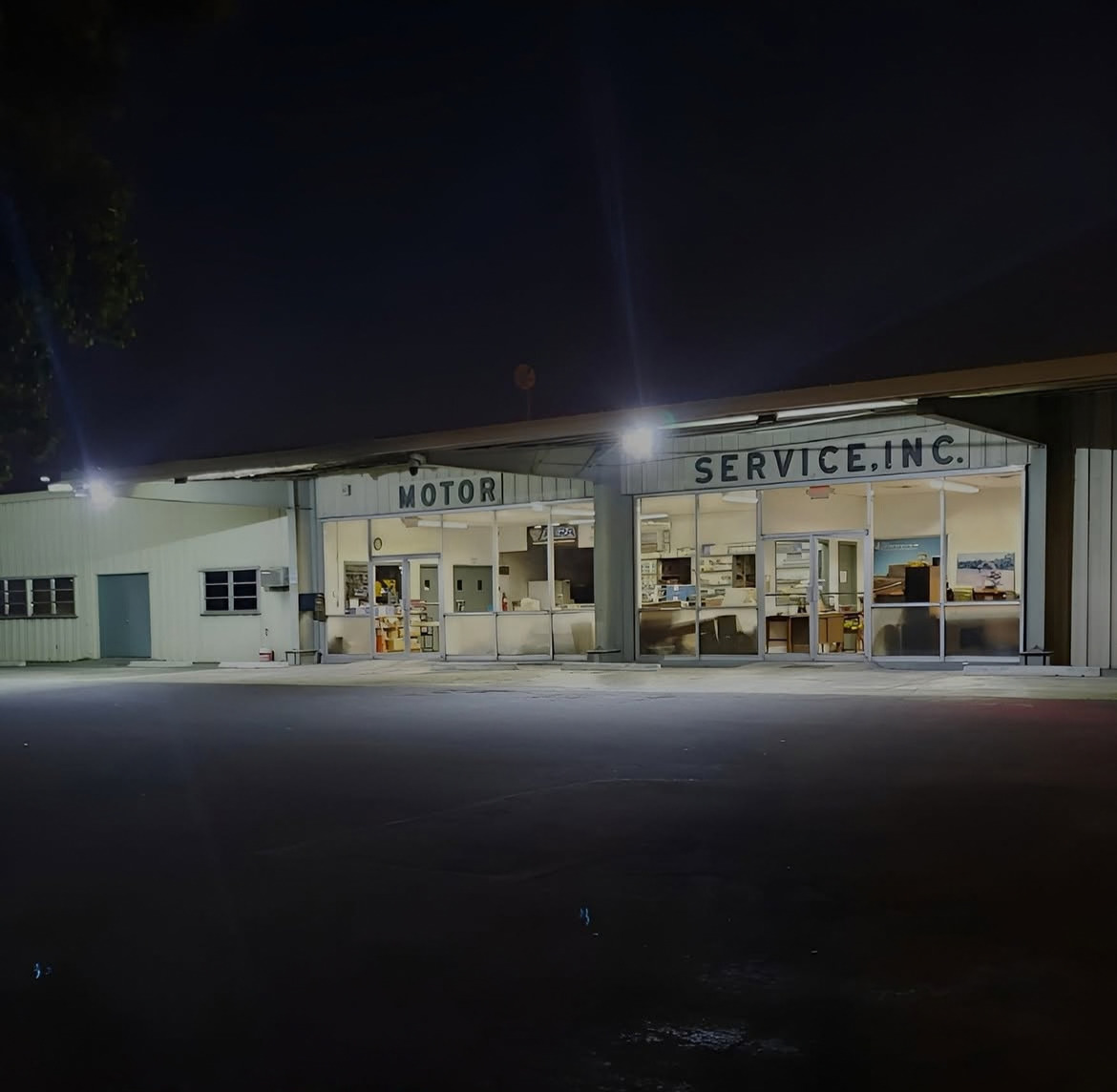
Motor Service Group has been performing precision diesel work in Miami since 1949. The team serves marine repair companies, fleet operators, heavy equipment contractors, and industrial facilities across Miami-Dade, Broward, and Palm Beach counties.
Every job includes:
- Full disassembly and individual component assessment
- Magnaflux crack detection on heads, blocks, crankshafts, and rods
- Pressure testing on all cylinder heads
- Precision measurement and machining of bores, journals, and deck surfaces
- Clearance verification before reassembly
- Documentation of tolerances achieved
The goal is not the fastest or cheapest outcome. It is the outcome that does not require a return visit.
Quick Answers
Q: What does diesel motor reparation involve?
Full disassembly, assessment, crack detection, pressure testing, precision machining of all critical surfaces, and reassembly to OEM tolerances. It is a complete mechanical restoration, not a simple parts swap.
Q: Why does skipping inspection lead to return failures?
Because hidden cracks, out-of-round bores, and damaged surfaces cannot be identified without proper testing and measurement. New parts installed on compromised surfaces fail faster than the originals.
Q: What is the typical rebuild cost in Miami?
Light-duty jobs start around $5,000 to $8,000. Commercial and heavy-duty platforms range from $10,000 to $45,000 or more depending on damage scope. A second overhaul following a failed first attempt typically costs more than a properly executed original job.
Q: How does precision machining reduce overall expenses?
By preventing return failures. It restores the surfaces and tolerances that new parts depend on. Without it, those parts wear prematurely and it comes back, adding labor and downtime to the original bill.
Q: Why choose Motor Service Group for diesel engine repair in Miami?
Over 75 years of experience, a full-service machine shop, and a process built around identifying problems before they require a return visit.
Get It Done Right the First Time
Motor Service Group is a diesel machine shop in Miami specializing in precision machining, assessment, and repair of critical engine components.
If your engine needs reparation, contact our team for a professional inspection today.