

Ask any shop about magnaflux crack detection and they will tell you they check the crankshaft and the cylinder head. That answer is incomplete. Connecting rods, engine blocks at the web area, and manifolds carry cracks just as often, but they do not always make it onto the inspection list. A missed crack on a part nobody thought to test can undo every other step of a careful rebuild. This post covers which components get overlooked, why they get skipped, and what happens when a crack on one of these parts is missed before a diesel engine rebuild.
What Magnaflux Crack Detection Actually Tests For
How Magnetic Particle Inspection Finds Hidden Cracks
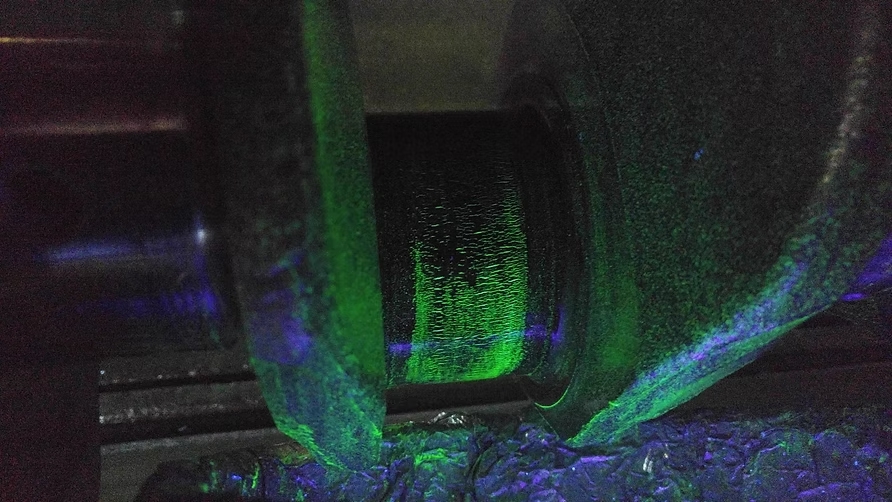
Magnaflux crack detection uses an electrical current to magnetize a component, then applies iron particles in a powder or liquid solution across the surface. If a crack is present, the particles gather along the break because the magnetic field cannot pass through it cleanly. Under proper lighting, often ultraviolet for fluorescent particles, the crack becomes visible even when it would be invisible to the naked eye.
Why This Process Works on Some Materials and Not Others
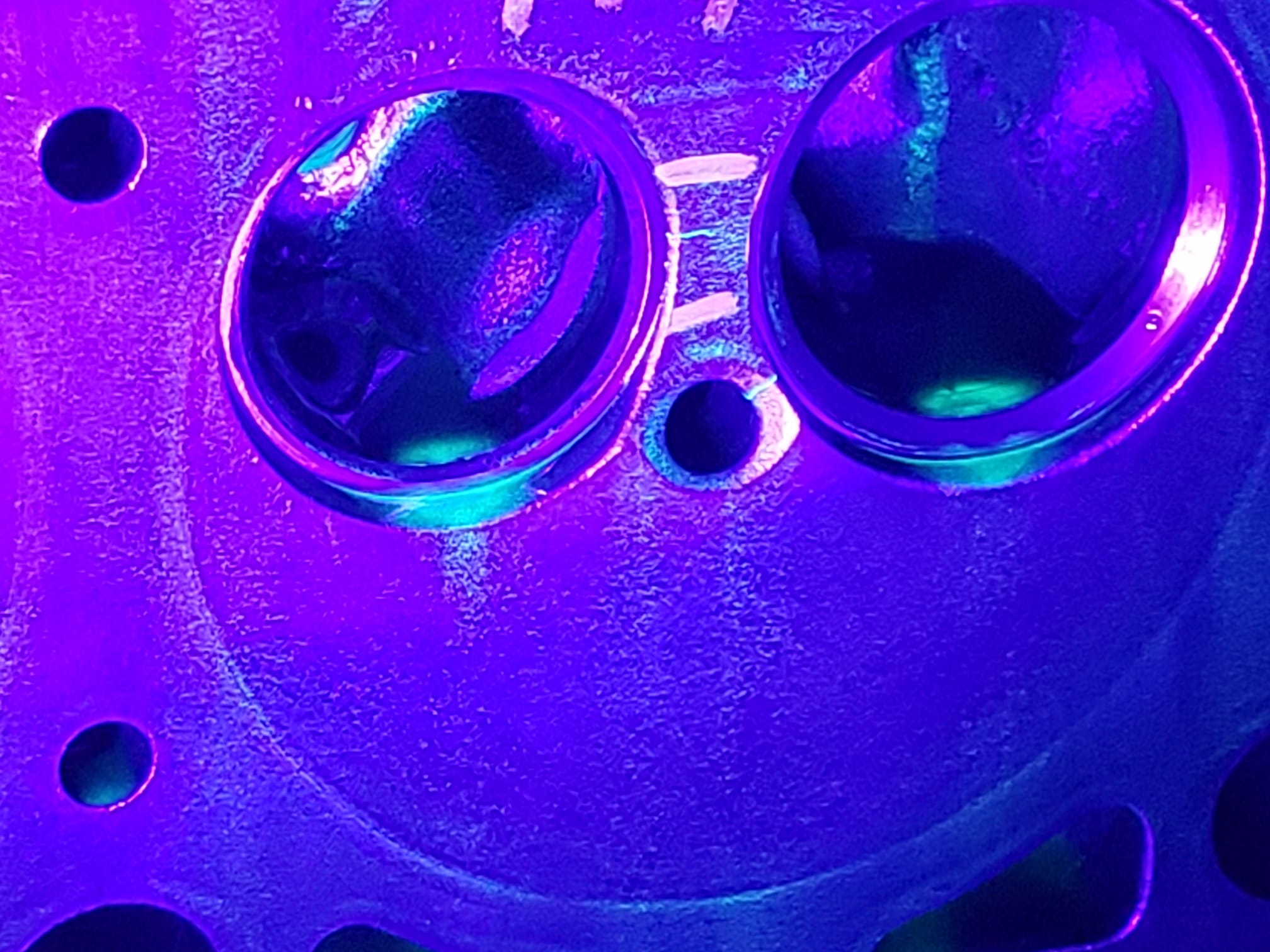
This method works on ferrous metals such as cast iron and steel, which makes it well suited for crankshafts, connecting rods, and most diesel engine blocks. It does not work on aluminum, which is why aluminum heads require a different inspection method such as dye penetrant testing.
Surface Cracks vs Cracks That Run Deeper
Magnetic particle inspection is excellent at finding surface flaws and defects just below the surface. It is not designed to confirm whether a crack travels all the way through a casting into a water jacket or oil gallery. For that level of confirmation, pressure testing is the better tool. The two methods complement each other rather than replace one another.
The Components That Usually Get Tested
Cylinder Heads and Why They Are Always on the List
Cylinder heads see constant heat cycling, combustion pressure, and stress around valve seats and bolt holes. Issues here are common enough that almost every shop automatically includes the head before any machining begins.
Crankshafts and the Standard Pre-Rebuild Check
Crankshafts carry enormous rotational load, and a fillet flaw between the journal and the crank web can lead to catastrophic failure. Because the stakes are so high, this component is almost always tested.
Why These Two Components Get the Most Attention
Heads and cranks get tested consistently because the failure modes are well known and the cost of skipping is widely understood. That reputation, however, can create a blind spot. If a shop treats this process as a head-and-crank routine, every other part quietly drops off the list.
The Parts Shops Forget to Test
Connecting Rods That Skip the Inspection Line
Connecting rods take repeated impact loading on every combustion cycle. A rod with a hairline fracture near the bolt holes or along the beam can look completely normal during a visual check. Because rods are often reused without much thought, they frequently skip testing entirely.
The Engine Block Web Area That Gets Overlooked
The web area, the section of the block between cylinder bores and around the main bearing saddles, takes constant stress from combustion and crankshaft rotation. Flaws here are common but hard to spot visually because the area is recessed and often coated in oil residue. A block can pass a quick visual check and still carry a hidden problem that magnaflux would catch immediately.
Manifolds That Never Make the List
Intake and exhaust manifolds rarely get tested, mostly because they are viewed as simple parts compared to the block or head. Cast iron manifolds develop fractures from thermal cycling just like any other component, and a damaged exhaust manifold can leak gases or coolant depending on the design. Skipping this check is common, but the consequences are real.
What Happens When a Crack Is Missed on an Overlooked Component
A Cracked Connecting Rod Going Back Into a Rebuilt Engine
A rod with an undetected flaw can fail during operation, and rod failure rarely stays contained. A broken rod can damage the block, the crankshaft, the piston, and the cylinder wall in a single event. An engine rebuilt with every other part tested can still suffer a catastrophic failure if one rod was never checked.
A Block Web Issue That Surfaces After Reassembly
A web flaw that goes unnoticed before machining can grow under the stress of normal operation. This often shows up as oil pressure loss, coolant mixing with oil, or a problem that becomes visible only after the engine has already been reassembled and run. At that point, the entire rebuild has to be undone to address something testing would have caught at the start.
A Manifold Problem That Causes a Leak Down the Road
A damaged manifold installed on a freshly rebuilt engine creates a leak that often gets blamed on gaskets, fasteners, or installation error. The real cause, a fracture that was never tested for, can take time to diagnose because nobody suspected the manifold in the first place.
Why These Components Get Skipped in the First Place
Assumptions About What Needs Testing
Many shops build their process around the parts that fail most often in their experience, which tends to mean heads and cranks. Rods, block webs, and manifolds get treated as secondary because the assumption is that visible damage would show up if there were a problem.
Time Pressure and Inspection Shortcuts
Testing takes time, and when a rebuild is on a deadline, it is tempting to limit the scope to components everyone agrees are critical. This shortcut works most of the time, which is exactly why it becomes a habit. The cases where it fails are the ones that cost the most.
Parts That Look Fine but Are Not
A connecting rod, a section of block web, or a manifold can look clean and properly shaped while still hiding a flaw that only magnetic particle inspection would reveal. Visual checks alone cannot confirm a part is sound. They can only confirm that nothing is obviously wrong.
Crack Detection Before Engine Rebuild: A Complete Approach
Building a Full Component Checklist Before Magnaflux Begins
A thorough pre-rebuild inspection should include the cylinder head, the block including the web area, the crankshaft, and every connecting rod, along with intake and exhaust manifolds. Treating this as a fixed checklist rather than a judgment call removes the guesswork about which parts get tested.
Testing Order and Why Sequence Matters
Components should be cleaned before testing, since oil, carbon, and debris can mask a flaw or create a false reading. Testing should happen before any machining begins, and in some cases again after machining or after a repair such as a new valve seat or sleeve installation.
What to Do When a Crack Is Found on a Forgotten Component
If magnaflux reveals a problem on a rod, a block web, or a manifold, the part should be evaluated for repair or replacement before the rebuild moves forward. A flaw found before machining is a planning issue. One found after reassembly is a teardown.
Diesel Engine Crack Inspection in Miami: What to Expect From a Complete Shop
Why Full Component Testing Should Be Standard, Not an Upsell
A shop that offers magnaflux crack detection only on the head and crankshaft is offering a partial inspection. Full component testing should be standard for any diesel engine rebuild, not an extra service offered after the fact.
How Motor Service Group Approaches Magnaflux Crack Detection
Motor Service Group has provided diesel engine machining and crack detection in Miami since 1949. Every rebuild that comes through the shop includes magnaflux testing on the cylinder head, the engine block including the web area, the crankshaft, connecting rods, and manifolds where applicable. Components are cleaned before testing, tested before machining begins, and tested again after any repair work that could introduce new stress. The team supports marine engines, fleet vehicles, heavy equipment, generators, and industrial diesel platforms across Miami-Dade, Broward, and Palm Beach counties with the same complete process on every job.
Quick Answers
Q: What components are commonly missed during magnaflux crack detection?
Connecting rods, the engine block web area, and intake and exhaust manifolds are the parts most often left off a checklist, even though all three can develop fractures during normal operation.
Q: Can connecting rods crack and still look fine?
Yes. A hairline fracture near a bolt hole or along the rod beam can be invisible during a visual check. Magnetic particle inspection can reveal these issues before the rod goes back into a rebuilt engine.
Q: Why do engine blocks need crack detection in the web area specifically?
The web area between cylinder bores and around the main bearing saddles carries constant stress from combustion and crankshaft rotation. Problems here are common and difficult to spot visually because the area is recessed and often covered in oil residue.
Q: Should manifolds be magnaflux tested before a rebuild?
Cast iron manifolds can develop fractures from thermal cycling just like other engine components. Testing them before a rebuild can catch a problem that would otherwise be mistaken for a gasket or installation issue later.
Q: Does Motor Service Group test all engine components, not just heads and cranks?
Yes. Motor Service Group performs magnaflux crack detection on cylinder heads, engine blocks including the web area, crankshafts, connecting rods, and manifolds as part of the standard process for every diesel engine rebuild.
Nothing Skipped
Motor Service Group performs complete magnaflux crack detection on every component that goes into a diesel engine rebuild, not just the ones that usually get tested.
Contact our expert team today to schedule a full inspection before your next rebuild.