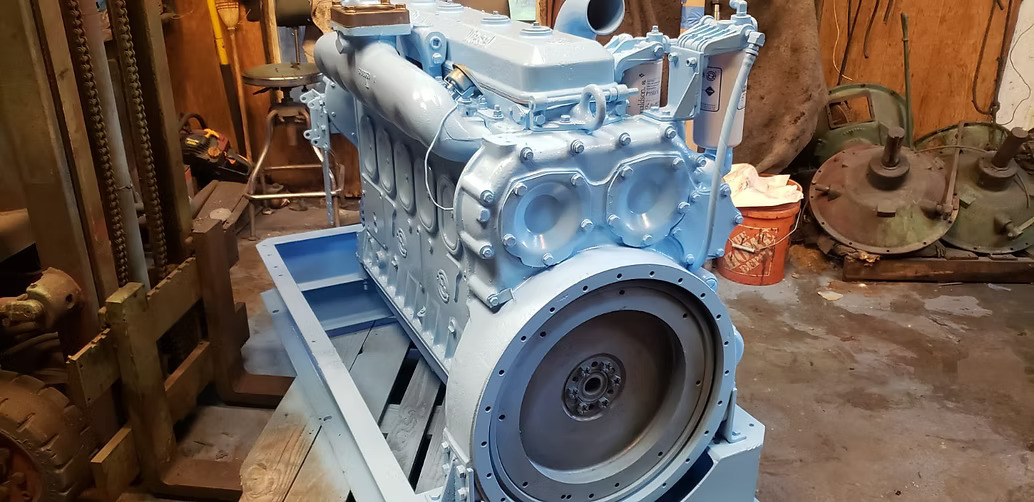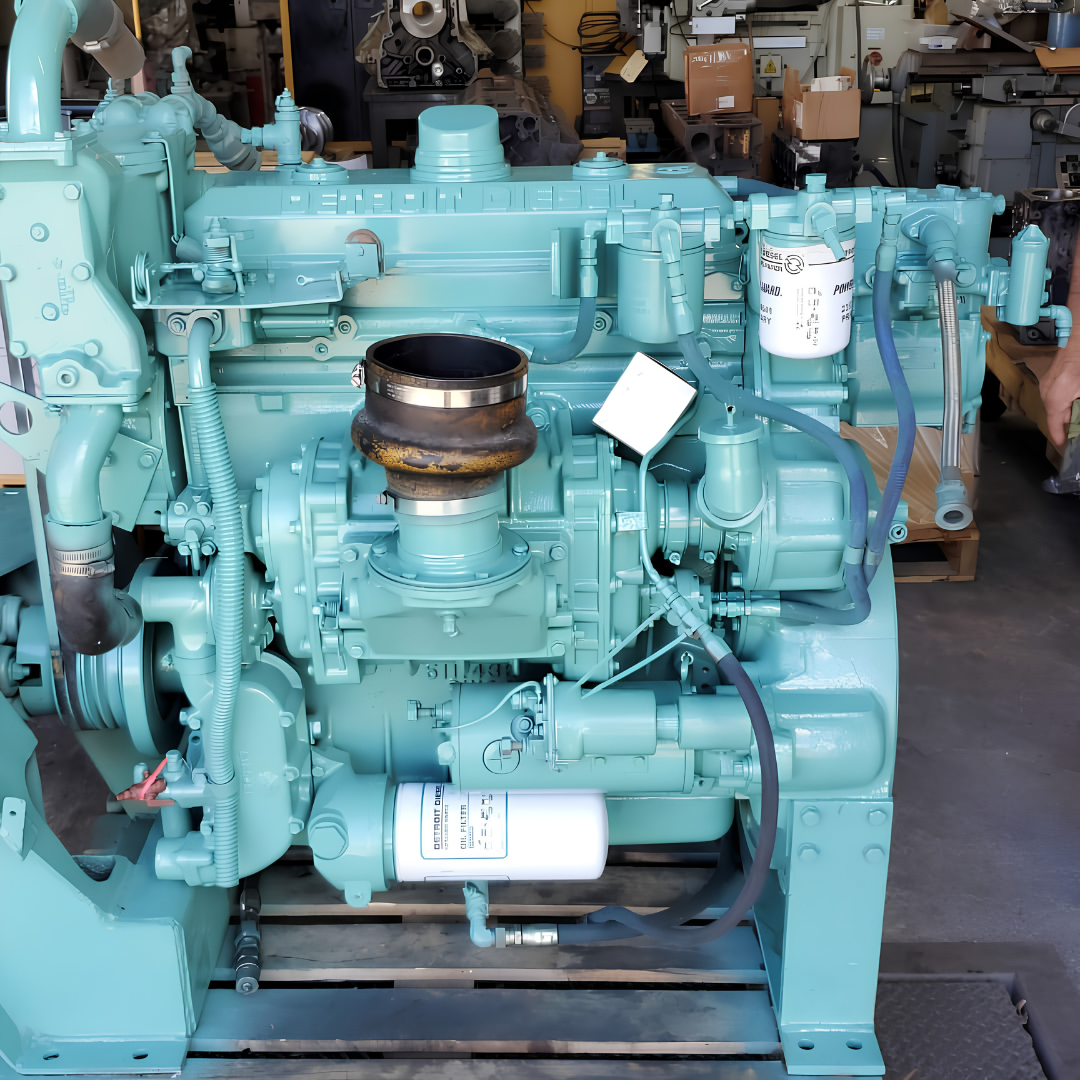


A general repair facility can handle a lot of things. An oil change, a brake job, a coolant flush. But when a diesel engine used in a marine vessel, a commercial fleet, or a piece of heavy equipment needs serious work, a generalist approach introduces risk that most operators do not fully appreciate until after the job goes wrong.
This post explains what separates a diesel motor specialist from a general provider, why that separation matters for demanding applications, and what it means for operators in Miami and South Florida.
What Makes Diesel Engines Fundamentally Different
Compression Ignition and Why It Changes Everything
Diesel engines do not use spark plugs. They compress air to extreme pressures and temperatures, then inject fuel directly into the combustion chamber. That compression ignition process delivers power and efficiency, but it also means internal components operate under loads that gasoline engines never experience. Every surface, clearance, and tolerance is engineered for that environment. Restoring it correctly requires understanding that environment in detail.
The Tolerances Diesel Components Operate Within
Tolerances are tight by necessity. Bearing clearances, bore geometry, crankshaft journal finish, and deck surface flatness all affect how the motor performs and how long it lasts. A cylinder bore slightly out of round, a journal with minor scoring, or a head surface with thermal warpage may not look critical to someone without diesel-specific training. To a specialist, each is a known failure point requiring a defined response.
Why Heavy-Duty Applications Add Complexity
A diesel motor powering a marine vessel, a haul truck, or a generator does not operate the same way a light-duty pickup does. Heavy-duty applications run at higher loads, longer continuous hours, and in more demanding environments. The failure modes differ, the inspection priorities differ, and the consequences of a missed finding are more serious. Servicing these units correctly requires experience that goes beyond general knowledge.
What a General Repair Facility Is Built to Do
The Strengths of a Generalist Approach
A general repair facility is built for breadth. It handles multiple vehicle types, fuel systems, and a wide range of service needs. For routine maintenance, simple diagnostics, and common repairs across a broad vehicle population, that breadth works well. It keeps costs down and covers the majority of what most customers need most of the time.
Where Generalist Experience Ends
The problem arises when a diesel motor with compromised internal geometry, hidden cracks, or worn journal surfaces arrives at a facility not equipped to address those conditions. Without a crankshaft grinder, a boring machine, crack detection equipment, and the technical knowledge to use them, the provider can only replace what is visibly broken. The underlying conditions causing the failure remain, and the next breakdown follows.
The Risk of Applying General Logic to Diesel Work
General repair logic focuses on identifying and replacing the failed part. Diesel motor service requires a deeper question: why did that part fail, and what condition is the rest of the unit in? A specialist asks both. A generalist often answers only the first and returns the motor to service, leaving the customer to experience a repeat failure that proper assessment would have prevented.
For a full breakdown of what those repeat failures actually cost in time, money, and downtime, read our guide on the real cost of skipping the diesel motor reparation process.
What a Diesel Motor Specialist Actually Brings to the Job
Platform-Specific Knowledge Built Over Time
A true diesel motor specialist accumulates hands-on experience across the platforms they serve. Failure patterns on Caterpillar marine motors, Detroit Diesel fleet applications, and Cummins industrial units become recognizable through repeated exposure. That recognition changes inspection approach, what gets prioritized, and what decisions are made before a single machining pass begins.
Machine Shop Capability That Expands What Is Possible
The defining difference between a diesel motor specialist and a general provider is in-house machine shop capability. A specialist can resurface heads, grind crankshafts, bore and hone cylinders, align bore blocks, and verify every critical tolerance before reassembly. These are not additional services. They are the core of what diesel restoration requires. Without them, any provider is limited to part replacement regardless of technician experience.
For an example of the precision work a diesel machine shop performs on critical lower-end components, read our guide on connecting rod polishing and bushing replacement.
A Diagnostic Process Built Around Known Failure Modes
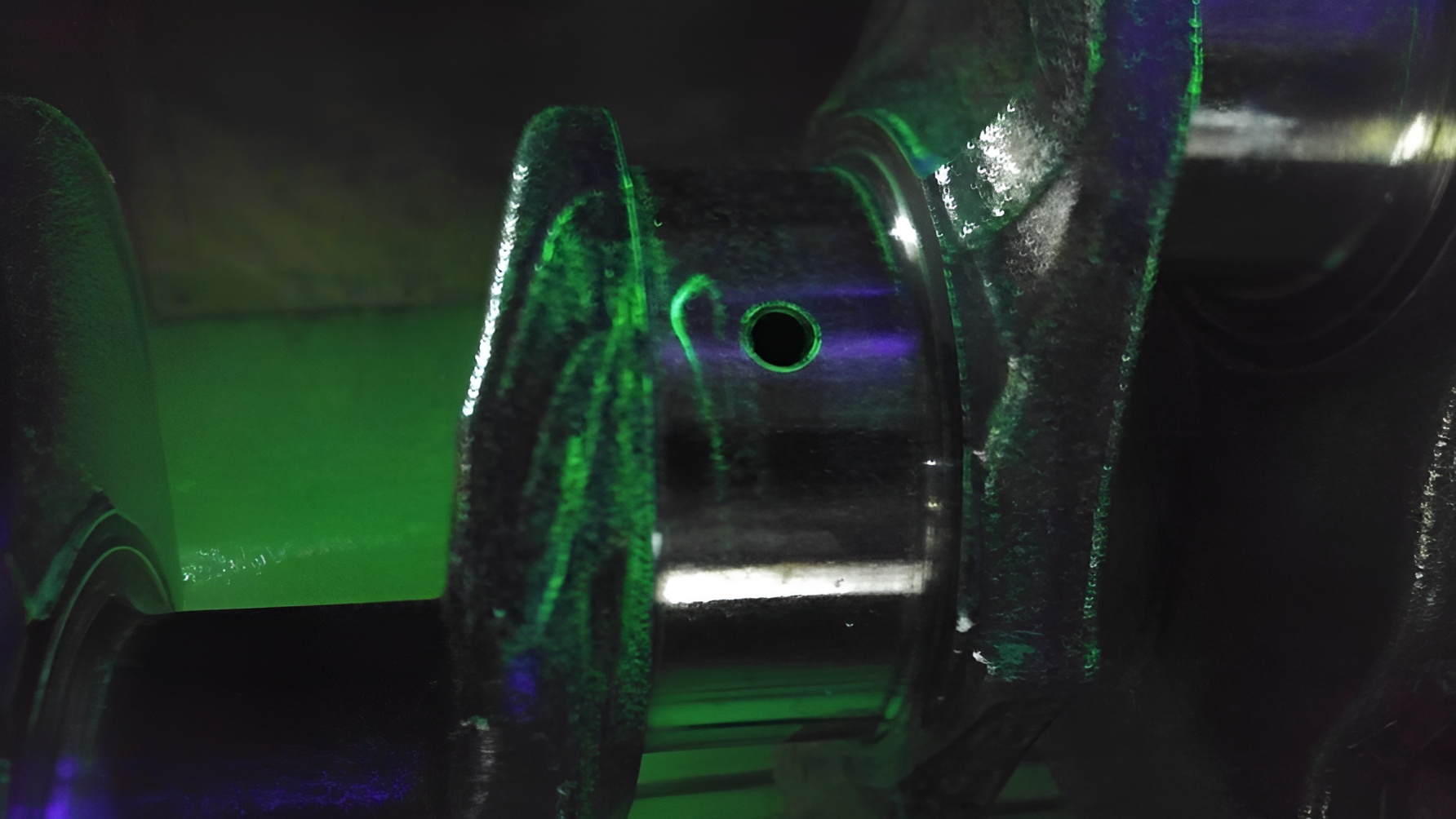
Diesel specialists inspect with known failure modes in mind. A cylinder head that looks clean can hide a hairline crack. A crankshaft journal within visual tolerance may still be out of round beyond acceptable limits. Crack detection, pressure testing, and precision measurement are applied not because something looks wrong, but because a specialist understands what is likely wrong based on operating hours, application type, and presenting symptoms.
For a closer look at how magnaflux crack detection works and what it reveals that visual inspection cannot, read our guide on why magnaflux crack detection is a non-negotiable step in engine rebuilding.
The Applications Where Specialist Knowledge Is Non-Negotiable
Marine Diesel Engines in South Florida
Marine diesel motors in Miami and South Florida operate in one of the most demanding environments in the country. Salt water exposure, high humidity, long operating hours, and the consequences of failure at sea require specific knowledge and thorough inspection. A marine operator sending a motor to a general facility accepts a level of risk a qualified diesel engine specialist would not.
Fleet and Commercial Applications
Fleet operators depend on uptime. A commercial diesel motor out of service affects schedules, contracts, and revenue. Pressure to return equipment quickly can push fleet managers toward the nearest available provider rather than the most capable one. That decision’s cost appears later, when a motor returned after surface-level work comes back with a more serious failure.
Heavy Equipment and Industrial Engines
Heavy equipment and industrial diesel motors are expensive, slow to replace, and critical to operations. A large excavator or generator set cannot be swapped out mid-repair. Getting it right the first time is not a preference. It is an operational necessity that only a qualified specialist can reliably meet.
How to Identify a True Diesel Engine Specialist in Miami
In-House Machining Capability
The most reliable indicator of a genuine diesel motor specialist is in-house machining capability. Ask whether crankshaft grinding, cylinder boring, crack detection, and pressure testing are performed on site. A provider sending these out to third parties or unable to perform them at all is a general repair facility handling diesel work, not a specialist operation.
Experience Across Multiple Platforms
Ask for specific examples of platforms the team has serviced. A specialist should speak confidently about marine diesel configurations, heavy equipment brands, fleet applications, and industrial units without hesitation. Broad but shallow experience is not the same as deep platform-specific knowledge built over years of focused work.
A Documented Track Record
Longevity and customer type matter. A diesel machine shop in Miami serving marine operators, fleet managers, and heavy equipment contractors for decades has built a track record newer operations cannot replicate. Ask who their customers are and how long they have been in business.
How Motor Service Group Operates as a Diesel Machine Shop in Miami
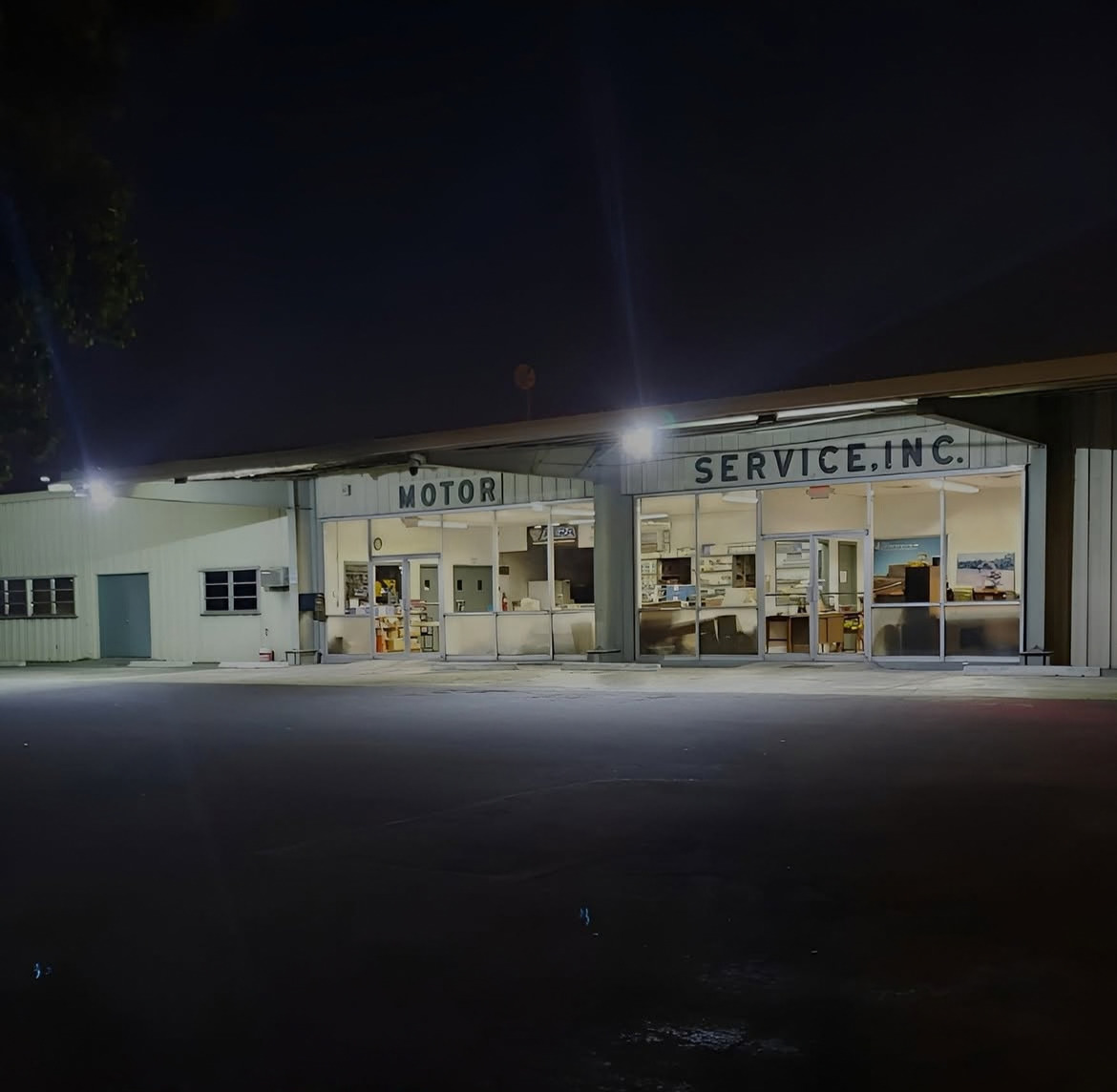
Motor Service Group has been operating as a diesel motor specialist in Miami since 1949. The team serves marine repair companies, fleet operators, heavy equipment contractors, power generation facilities, and industrial customers across Miami-Dade, Broward, and Palm Beach counties.
Full in-house capabilities include:
- Magnaflux crack detection on heads, blocks, crankshafts, and connecting rods
- Cylinder head pressure testing and resurfacing
- Engine block machining, boring, honing, and align boring
- Crankshaft grinding and polishing
- Connecting rod reconditioning and bushing replacement
- Complete diesel engine inspection, machining, and assembly support
Every job is documented, every tolerance is verified, and the focus is on restoring the motor correctly the first time.
Quick Answers
Q: What is a diesel motor specialist?
A technician and operation with deep knowledge of diesel engine construction, failure modes, and the machine shop capability required to restore internal geometry, surfaces, and tolerances to OEM specification. Not every facility handling diesel work qualifies.
Q: Why can’t a general repair facility service my diesel engine?
General facilities are built for part replacement across a broad range of vehicles and typically lack the machining equipment and platform-specific knowledge needed to address the internal conditions driving diesel failures. The result is often a repair addressing the symptom without resolving the cause.
Q: What should a diesel engine specialist in Miami be able to do?
Perform crack detection and pressure testing in-house, grind crankshafts, bore and hone cylinders, resurface heads, verify tolerances before reassembly, and document all work performed. A team unable to do all of these on site is not a full-service specialist.
Q: Does Motor Service Group work on marine, fleet, and heavy equipment diesel engines?
Yes. Motor Service Group serves all of these applications across Miami-Dade, Broward, and Palm Beach counties and has done so for over 75 years.
Q: How do I know if a facility qualifies as a diesel machine shop in Miami?
Ask whether all machining, testing, and inspection is performed in-house, how long they have been in business, and what applications they primarily serve. A genuine diesel machine shop answers these questions directly and in detail.
Talk to a Specialist Today
Motor Service Group is a diesel machine shop in Miami with over 75 years of experience in precision machining, inspection, and repair of heavy-duty diesel engines.
Contact our expert team today to discuss your motor and the right service approach for your application.