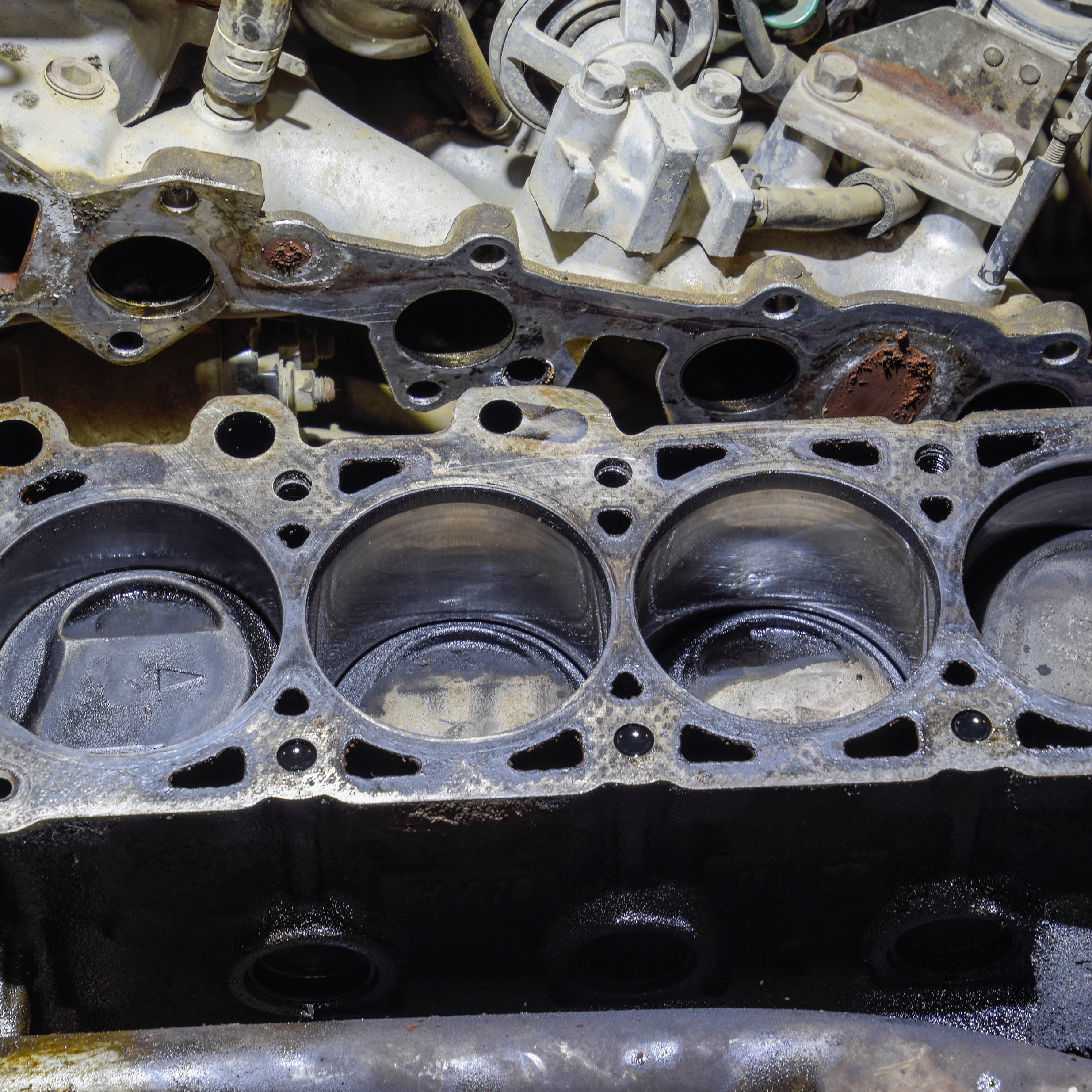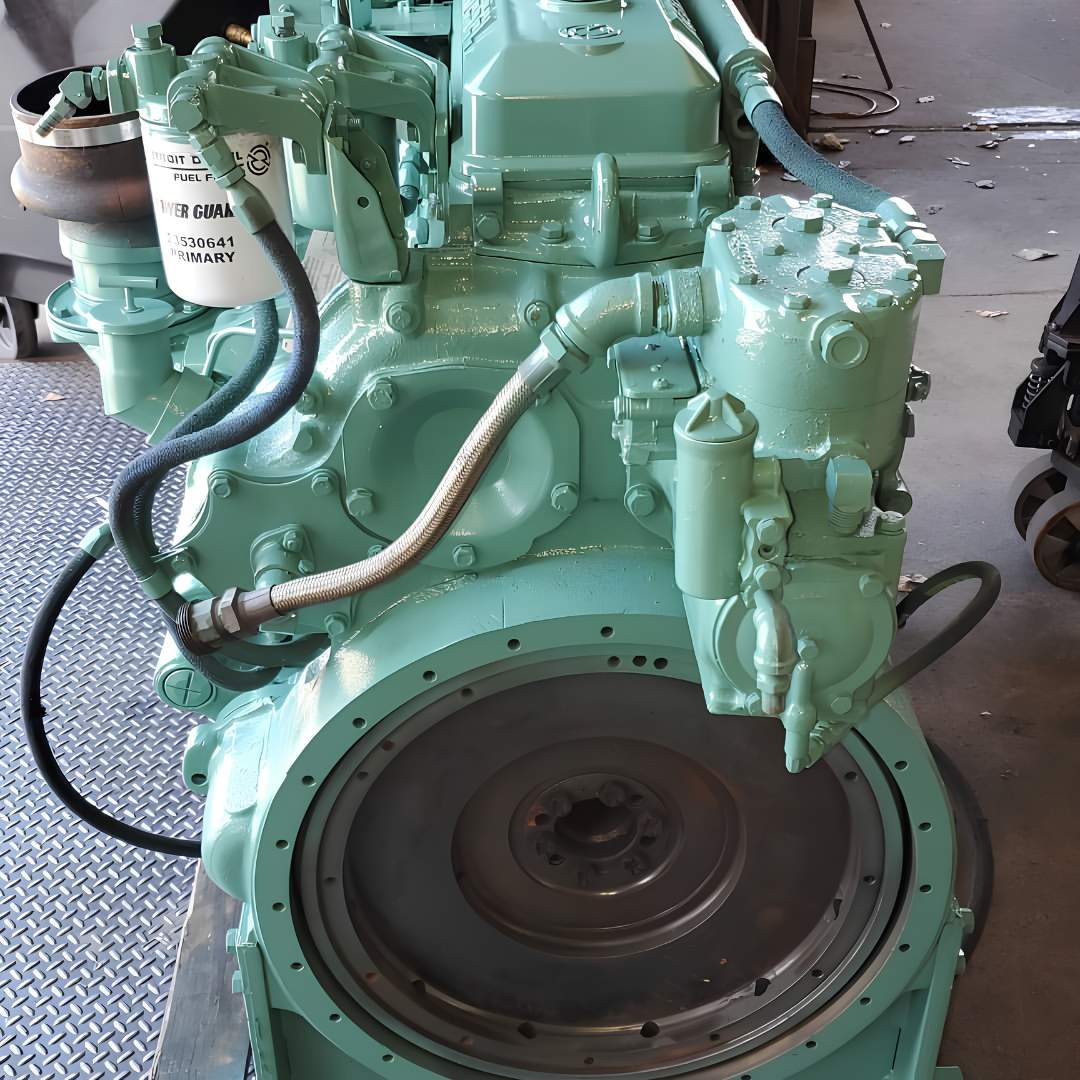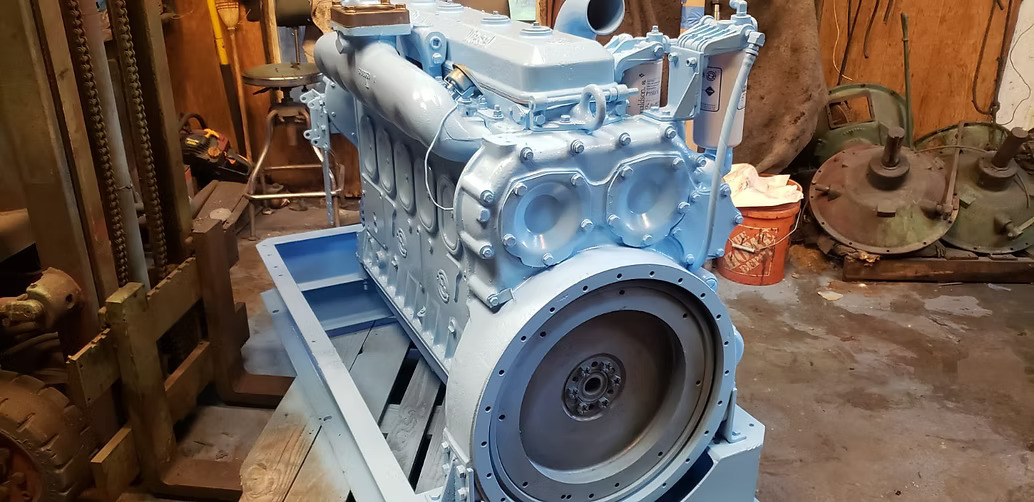


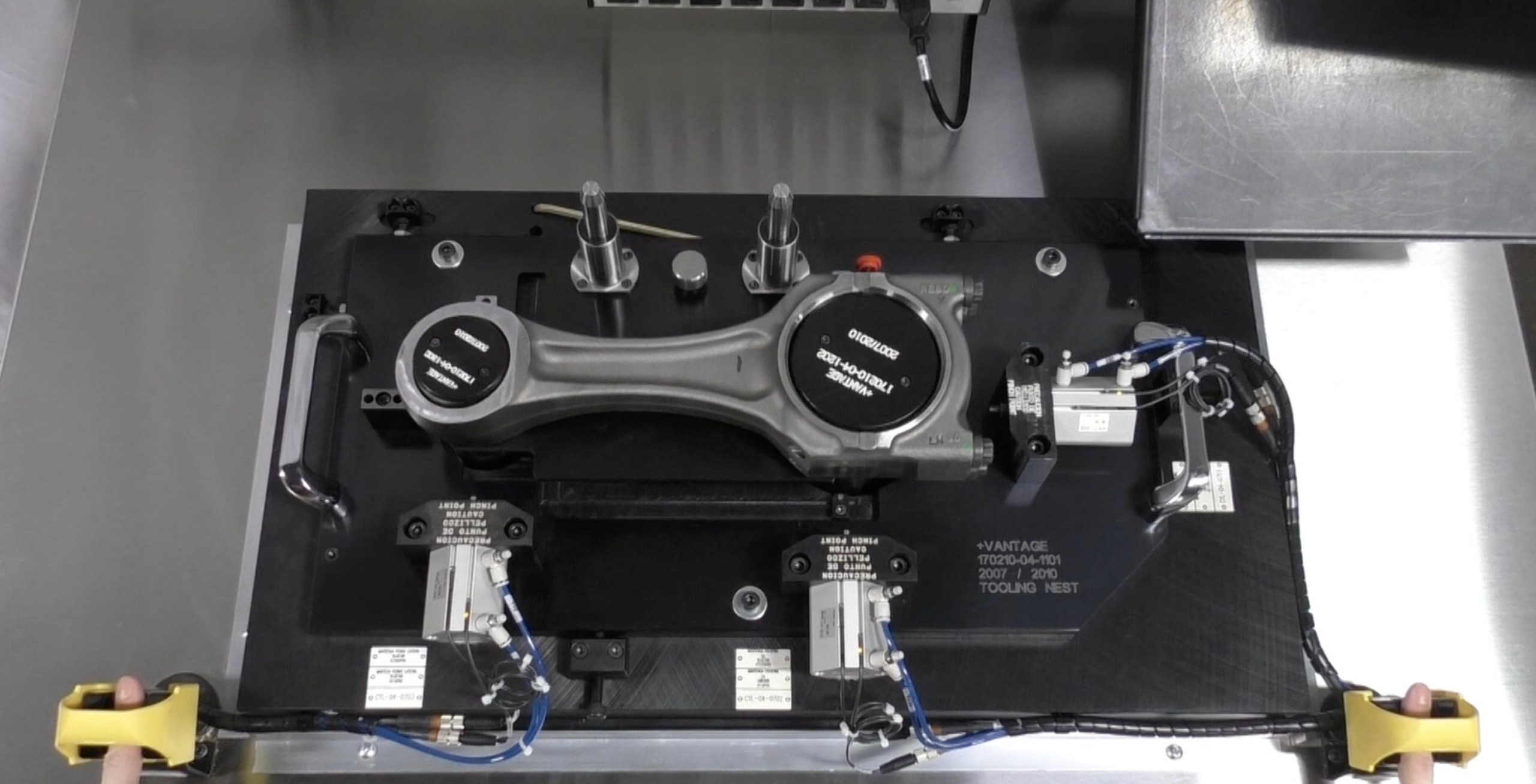
A connecting rod can come out of a diesel engine looking usable and still be the wrong part to reinstall. That is what makes rod evaluation so important during a rebuild. The damage is not always dramatic. A rod may have worn bushings, bore distortion, alignment problems, or heat-related stress that only becomes obvious once the part is cleaned, inspected, and measured.
In a diesel engine, the connecting rod carries force through every combustion cycle. It links the piston to the crankshaft and has to maintain the correct geometry while operating under high load, heat, and repeated motion. If that geometry changes, the problem can follow the rebuild back into service.
That is why the real decision is not whether the rod looks acceptable on the bench. The real decision is whether inspection shows it still has the condition and dimensions needed for reuse. If it does not, reconditioning may be necessary before the engine is reassembled.
Why connecting rod reconditioning matters in a diesel engine
A connecting rod is not just another internal part. It affects how force is carried through the rotating assembly and how well related components work together under load.
For a rod to be reusable, key areas have to stay in acceptable condition, including:
- bushing fit
- big-end bore condition
- small-end bore condition
- alignment
- center-to-center relationship
- overall structural soundness
If one of those areas is compromised, the rod can create bigger problems later. The issue may show up as poor fitment, abnormal wear, clearance trouble, or reduced rebuild life.
This matters even more in diesel applications because these engines often operate in harsher environments than lighter-duty equipment. Marine engines, industrial engines, fleet units, generators, and construction equipment all put major stress on internal components. When a rod is reused without proper evaluation, the rebuild may carry hidden problems from the previous service cycle into the next one.
When does a connecting rod need reconditioning?
A connecting rod usually needs reconditioning when inspection shows wear or dimensional change, but the part is still repairable.
That often happens after conditions such as:
- bearing failure
- overheating
- oil starvation
- heavy service wear
- metal transfer at the housing bore
- prior internal engine damage
- repeat rebuild issues
It can also happen during a routine overhaul. Even if the rod was not the direct cause of the original problem, that does not mean it is ready to go back into service unchanged.
This is the key point of the article. Reconditioning is not only for rods that are visibly broken. It is for rods that have lost the fit, shape, or condition needed for reliable reuse.
Signs a connecting rod needs reconditioning
The strongest signs come from inspection and measurement, not guesswork.
Worn or damaged bushings
Bushing wear is one of the most common reasons a rod needs service. If the bushing is worn, loose, damaged, or no longer sized correctly, the rod should be corrected before reuse. A small issue here can affect fit and movement at a critical point in the assembly.
Big-end or small-end bore problems
A rod may need work if either end is:
- out of round
- worn beyond tolerance
- damaged by heat
- affected by bearing distress
These problems matter because bore condition affects how the rod fits and how forces are carried through the assembly once the engine is running again.
Bend or twist
A rod does not have to look badly bent to be out of alignment. Even slight distortion can create operating problems. That is why straightness checks matter during teardown.
Surface distress
Scoring, discoloration, heat marks, and visible distress should never be brushed aside. These signs do not automatically determine whether the rod must be repaired or replaced, but they do signal that the part needs more than a quick visual pass.
Measurements outside acceptable limits
This is the deciding factor. If the rod measures outside tolerance, it should not go back into the engine unchanged. That is where real corrective work begins.
What problems can happen if a rod is reused without correction?
When rod condition is ignored, the rebuild can be compromised before the engine ever returns to full service.
Possible results include:
- poor fitment
- clearance problems
- uneven loading
- accelerated bearing wear
- added stress on related components
- shorter service life
- repeat teardown
This is why rods should never be treated like automatic reuse parts. New bearings, pistons, or other fresh components do not erase an old rod problem. If the rod is worn or out of shape, that condition remains part of the assembly until it is corrected.
In practical terms, that means a rebuild can still fail early even when many other parts are new.
How a shop determines whether a connecting rod needs reconditioning
A proper evaluation should follow a clear sequence.
1. Clean the rod
Cleaning removes residue and makes the real condition easier to see. Dirt and oil can hide wear or distress that matters during inspection.
2. Check for visible damage
The rod is inspected for cracks, scoring, heat marks, or other signs of abuse. This step helps identify whether the rod is a candidate for further work or whether replacement may be the better option.
3. Measure critical areas
This is where the real decision is made. The shop checks areas such as:
- big-end bore
- small-end bore
- roundness
- alignment
- bend
- twist
- overall dimensional condition
These measurements show whether the rod is still usable as-is, needs corrective work, or should be replaced.
4. Evaluate the bushing
If the bushing is worn or incorrectly sized, replacement and machining may be necessary before the rod can be reused properly.
5. Decide between reconditioning and replacement
Not every rod should be reconditioned. Some can be restored to proper condition. Others are too damaged to justify repair. The correct choice comes from inspection results, not assumption.
What is included in connecting rod reconditioning diesel engine service?
A professional connecting rod service usually includes more than one step. The goal is not to improve appearance. The goal is to restore the rod to a condition that supports the rebuild.
That process may include:
- cleaning
- inspection
- dimensional checks
- bushing replacement
- bushing sizing
- resizing
- polishing where appropriate
- final verification
Each step plays a different role. Cleaning prepares the part for evaluation. Measurement shows what needs correction. Bushing work restores fit where needed. Resizing helps bring critical areas back into usable condition. Final verification confirms the rod is ready to return to service.
This is an important distinction for buyers. Rod reconditioning is not a quick touch-up. It is precision component work that supports a better rebuild outcome.
Why this matters for diesel owners in Miami
For diesel owners running marine equipment, industrial units, generators, fleet vehicles, or construction machinery, downtime is expensive. When rod issues are missed during teardown, the cost can show up later as lost time, repeat labor, and another round of engine problems.
That is why the machine shop matters. A shop that treats connecting rods as precision components brings more value to the rebuild than one that treats them like simple cleanup parts.
Motor Service Group’s positioning in Miami fits that kind of work. The shop focuses on precision machining, inspection, and repair of critical diesel engine components, including connecting rod service built around bushing work, resizing, polishing, and verification. For rebuilds where rod condition needs to be properly evaluated before reassembly, that process matters.
Catch Connecting Rod Problems Before Reassembly
If your diesel engine is already in teardown, that is the right time to find rod problems, not after the rebuild is back in service.
Motor Service Group provides connecting rod inspection, bushing service, resizing, polishing, and factory-spec verification in Miami for heavy-duty diesel engines.
Contact our team to evaluate your components before worn rods create bigger rebuild problems.