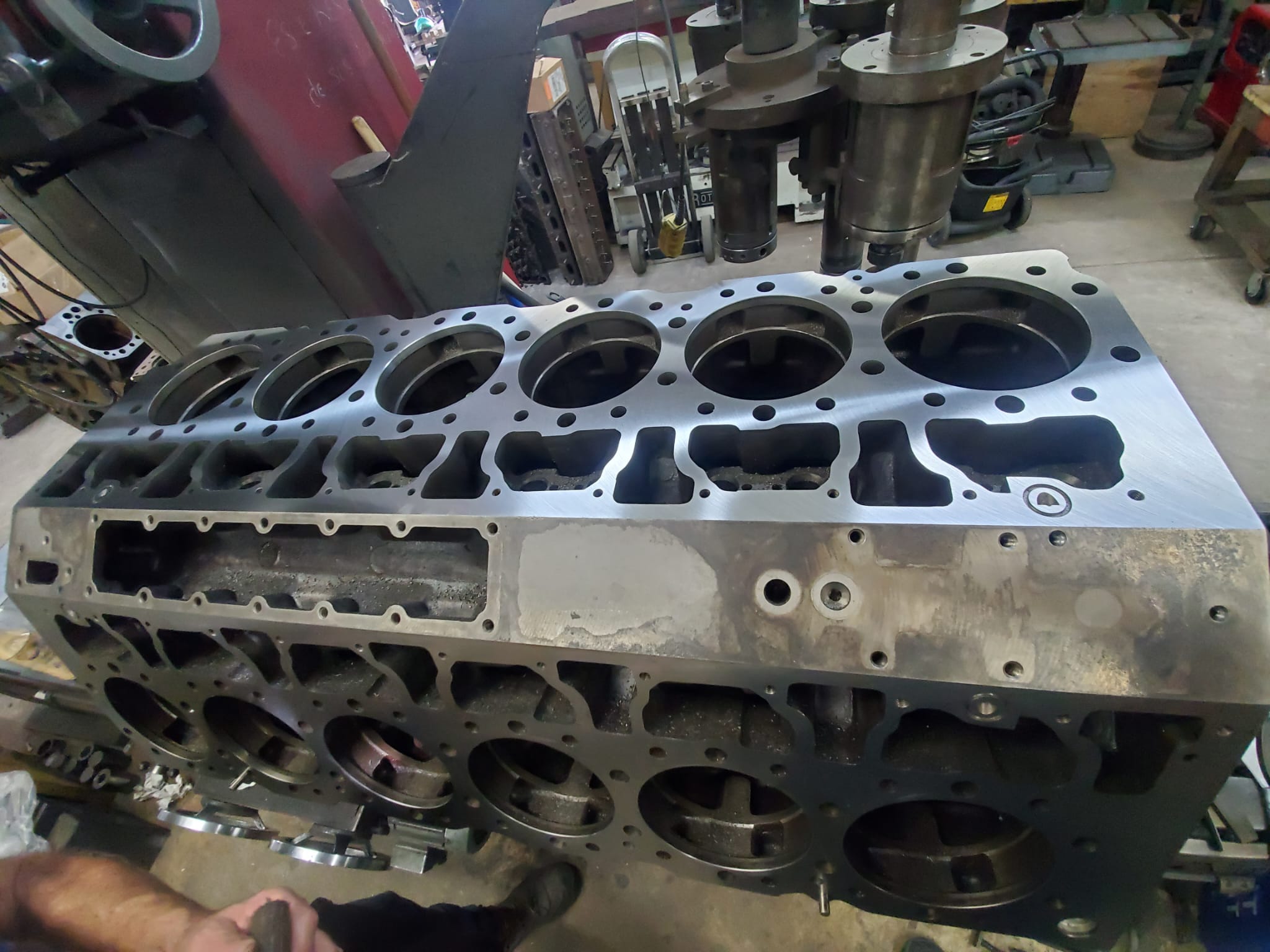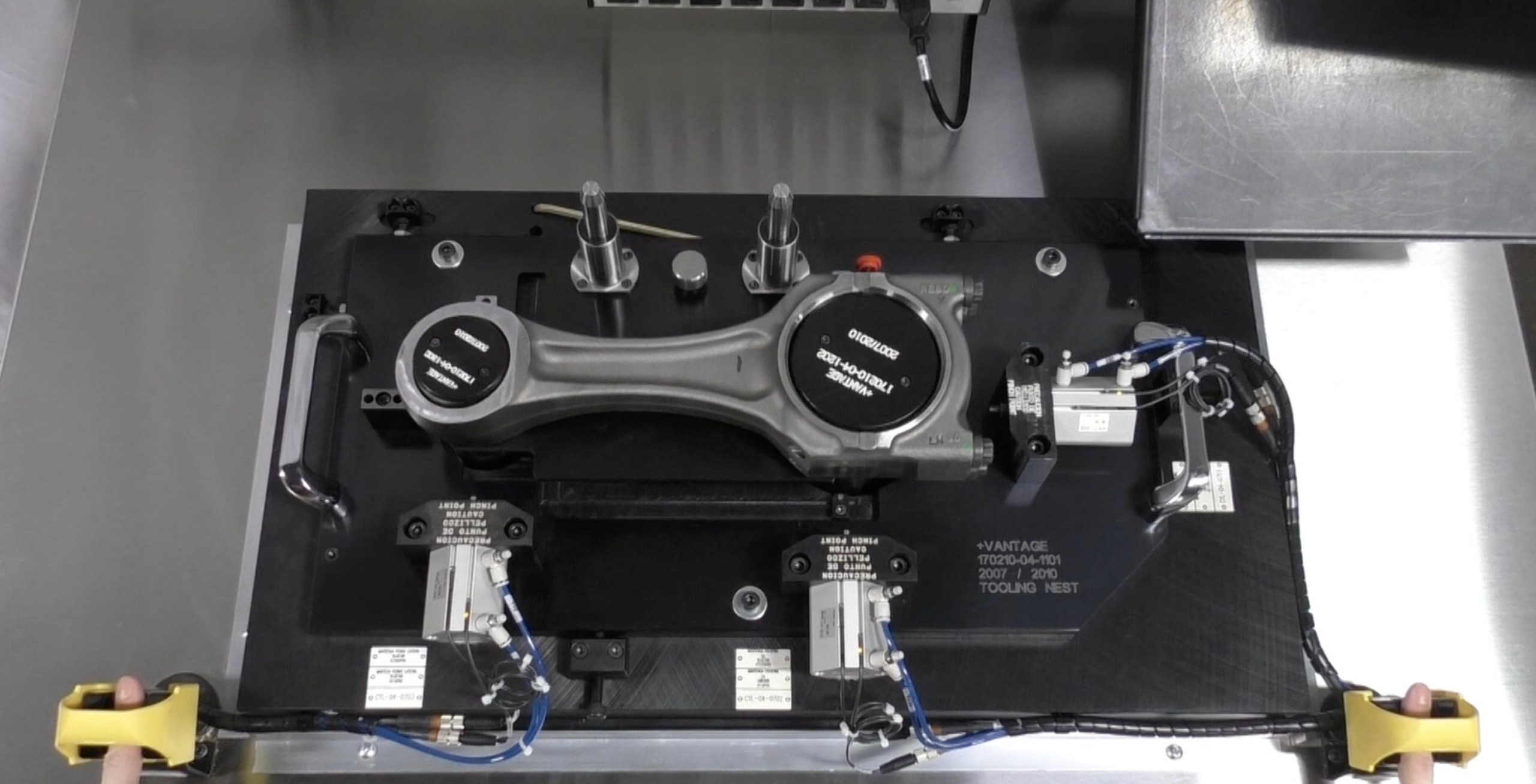


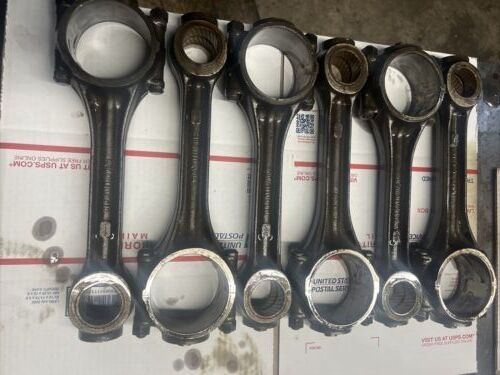
Repeat diesel engine failure often starts before the engine goes back into service. It begins during teardown, when a worn or damaged part is treated like a secondary issue instead of part of the root cause. A connecting rod can survive the first failure, pass a quick visual check, and still carry enough damage to shorten the life of the rebuild.
That is what makes poor connecting rod condition so dangerous. It does not always stop a rebuild from happening. It often waits until after reassembly, when the engine is back under load and the missed condition starts creating problems again.
This is why some diesel engines fail a second time even after new parts have been installed. The rebuild addressed what failed first, but not everything that made the failure possible.
Why poor connecting rod condition leads to repeat diesel engine failure
A connecting rod does not have to be broken in half to cause another engine problem. It only has to return to service in a condition that no longer supports correct operation.
That can happen when the rod has:
- worn bushings
- bore damage
- alignment issues
- heat distress
- surface damage linked to the first failure
- dimensional problems that were never corrected
When one of these conditions is missed, the rebuild can go back together with a weak point already built in. The engine may run again, but it is no longer starting from a clean mechanical baseline.
That is the difference between replacing failed parts and correcting failure paths. If the rod still carries the wear pattern, the rebuild may still carry the risk.
What poor connecting rod condition looks like during a diesel rebuild
One reason rod-related repeat failures happen is that the damage is not always dramatic. The part may not look ruined. It may simply look tired, slightly worn, or “probably usable.”
That is exactly where expensive decisions go wrong.
Poor rod condition during teardown may show up as:
- bushing wear that affects fit
- big-end bore distress after bearing trouble
- slight bend or twist
- visible heat marks
- scoring or abnormal contact patterns
- wear that seems minor but changes serviceability
These are the kinds of conditions that are easy to downplay when attention is focused on the first obvious failure. But in a serious diesel rebuild, secondary-looking rod damage is often part of the larger story.
How connecting rod condition causes repeat engine failure after reassembly
A rebuild fails again when an unresolved condition stays active after the engine returns to service.
With poor rod condition, that usually means the rod is no longer carrying load, movement, or fit the way it should. Once that happens, the problem can spread through the assembly.
That may lead to:
- unstable operating conditions
- poor fit at critical points
- abnormal contact under load
- uneven force distribution
- faster wear on related parts
- reduced rebuild life
This is why a second failure is often not a new problem at all. It is the original mechanical weakness continuing into the next service cycle.
A rebuild can include new bearings, new gaskets, or other new parts and still fail early if the rod condition was never truly corrected.
What shops need to catch early
The most important time to stop a repeat diesel engine failure is before reassembly, when the engine is apart and the evidence is still visible.
What shops need to catch early is not just “bad parts.” They need to catch parts that still carry the mechanical history of the failure.
That includes:
Rods that were assumed reusable too quickly
A rod should not go back into service because it survived the first failure. Survival is not the same as serviceability.
Damage connected to bearing distress or overheating
If the first failure involved heat, lubrication issues, or bearing damage, the rod should be viewed as part of the failure path, not as a bystander.
Wear that seems small but changes fit
Some of the most expensive rod problems are not the obvious ones. They are the ones that seem minor enough to ignore, but serious enough to shorten the rebuild once the engine is back under load.
Conditions that point to a larger correction need
Sometimes a worn bushing, damaged bore, or visible distress is not a stand-alone issue. It is the first clue that the rod needs broader service before reuse.
The most common missed problems behind repeat engine failure after rebuild
When diesel engines fail again after overhaul, the missed issue is often not the most dramatic part on the bench. It is the part that looked reusable but was not truly ready to go back into the engine.
Common missed problems include:
- rods reused without proper condition checks
- bushing wear left unresolved
- bore problems that changed fit
- rod damage connected to the original failure
- subtle alignment issues that were never corrected
- parts judged by appearance instead of service condition
These are exactly the kinds of oversights that turn a rebuild into a short-term recovery instead of a lasting repair.
That is why repeat diesel engine failure should not be viewed only as a parts problem. In many cases, it is a decision problem. The engine went back together before every critical component was truly ready.
How a diesel machine shop prevents repeat diesel engine failure
The best shops do not just repair what failed. They work backward from the failure and look for what could cause it again.
That approach changes the rebuild process.
Instead of asking only what part needs replacing, the shop asks:
- what condition survived the first failure
- what part now shows distress because of that failure
- what still needs correction before reuse
- what hidden weakness could shorten rebuild life again
This is where process discipline matters. A strong machine shop workflow identifies whether the rod is serviceable, whether it needs corrective work, or whether it should be replaced before the engine goes back together.
Preventing repeat failure is not about adding more parts. It is about removing false confidence from the rebuild.
Why this matters for diesel owners
A second failure is usually more expensive than the first because it comes after time, labor, and money were already spent trying to solve the problem. That cost shows up in:
- more downtime
- more labor
- more parts
- lost productivity
- lower confidence in the rebuild
That is why rod condition deserves serious attention in engines used for marine work, industrial service, generators, fleet operations, and construction equipment. In these applications, repeat failure is not just frustrating. It is operationally expensive.
Why Motor Service Group is the right shop to catch rod problems early
Motor Service Group’s value in this kind of work is not just that it services diesel engine components. It is that the shop’s process is built around machining, inspection, and repair of the parts that most directly affect rebuild quality.
For connecting rods, that means looking beyond the obvious failure, checking the condition that remains, and correcting serviceable problems before they become the reason the engine comes apart again.
That is the difference between rebuilding an engine and rebuilding it with the real failure path removed.
Catch the Rod Problem Before It Becomes the Second Failure
If your diesel engine is already in teardown, that is the moment to catch poor connecting rod condition before it carries into the rebuild.
Motor Service Group provides connecting rod inspection, corrective rod service, and diesel machining support for heavy-duty engines.
Contact our team to evaluate rod condition early and stop missed wear from becoming the next failure.