

A commercial truck engine and a passenger car engine are not the same job, even when the repair looks similar on paper. Fleet managers and owner-operators who bring heavy-duty trucks to a general repair shop often find that out after a fix that does not hold up under load. Choosing the right truck machine shop saves money, time, and the repeat failures that pull a truck off the road twice for the same problem.
Why Heavy-Duty Truck Engines Can’t Be Treated Like Passenger Vehicle Repairs
Component Sizing and Tolerances Are Built for a Different Load Class
Heavy-duty diesel engines run larger components, tighter tolerances, and higher compression ratios than anything in a passenger vehicle. A crankshaft, block, or cylinder head built for a Class 8 truck is engineered for sustained heavy loads, not an occasional commute. Getting the tolerances even slightly wrong creates problems that surface fast, often within the first few thousand miles back on the road.
General Repair Shops Aren’t Equipped for Heavy-Duty Machining Work
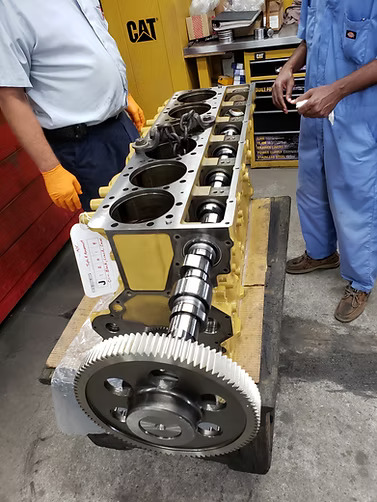
Most general repair shops are set up for brake jobs, oil changes, and diagnostics on light vehicles. Precision machining such as line boring, crankshaft grinding, or block resurfacing calls for equipment most general shops do not stock. Sending a component out for machining, then reassembling it in-house, introduces gaps in accountability that a dedicated diesel machine shop avoids, since one team handles the full process.
The Real Cost of Downtime for Fleet and Owner-Operator Trucks
Downtime Costs Compound Fast on Revenue-Generating Assets
A parked truck is not a neutral cost. It is a revenue-generating asset sitting idle while expenses keep running. Downtime can cost 400 to over 2,000 dollars a day once missed loads, driver pay, and towing are factored in. A repair that takes an extra week because the facility is not equipped adds real dollars before the invoice for the machining even arrives. For an operation running several units, that math scales fast:
- Missed loads and delivery windows
- Driver pay during unplanned downtime
- Towing and transport to a facility equipped for the job
- Rental or substitute equipment costs
- Customer or contract penalties for late delivery
None of these show up on the repair estimate, but all of them land on the bottom line by the time the truck is back in service.
In-Frame vs. Out-of-Frame Rebuilds: What Determines the Timeline
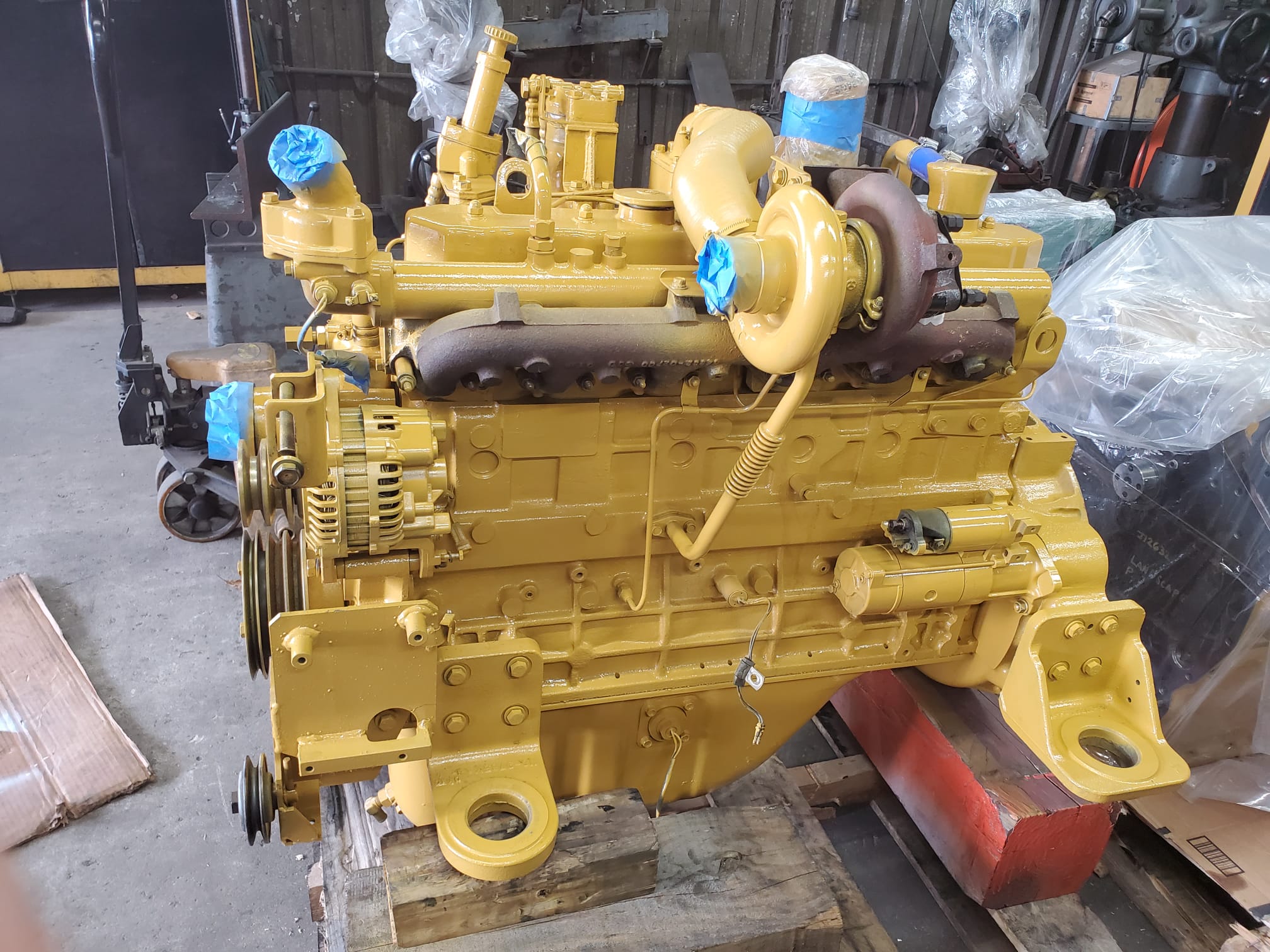
An in-frame rebuild, done with the engine still in the chassis, typically takes seven to fourteen days and covers pistons, rings, and bearings. An out-of-frame rebuild pulls the engine completely and can run fourteen to twenty-eight days once machining and parts are factored in. Knowing which category applies upfront helps plan around downtime instead of reacting to it. A shop that gives a clear answer on which category applies is easier to schedule around than one offering a vague estimate.
What Duty Cycle Actually Means for Your Truck’s Machining Needs
Stop-and-Go, Heavy Load, and Long-Haul Cycles Wear Engines Differently
A truck running stop-and-go urban routes wears differently than one running long-haul highway miles. Frequent starts, idling, and heavy loads put more thermal and mechanical stress on components, which shortens the interval between machining needs even when odometer numbers look similar. A vocational truck making short trips with a full load works its engine harder per mile than a linehaul unit cruising at highway speed.
Why Mileage Alone Doesn’t Tell the Full Story
Two trucks with identical mileage can be in very different condition depending on how those miles were driven. Vocational trucks working construction or waste routes see more wear per mile than a linehaul truck running highway speeds. Looking only at mileage without asking about duty cycle means working with half the picture, and that gap shows up later as a repair that did not last as long as expected.
What a Specialized Truck Machine Shop Actually Does Differently
Precision Machining to Factory Tolerances, Not Just Reassembly
A specialized truck machine shop does not simply replace worn parts and put the engine back together. It machines components back to factory tolerances, restoring the fit the engine was originally designed around, rather than approximating them with aftermarket guesswork or reused parts that were never remeasured. That distinction matters most on components under constant heavy load, where a small deviation compounds into a much bigger problem.
Inspection Steps a General Shop Is Likely to Skip
Full inspection on a heavy-duty engine includes crack detection, dimensional checks on journals and bores, and pressure testing on cylinder heads and blocks. These steps take time and specialized equipment, which is exactly why shops without a heavy-duty focus tend to skip or shortcut them. Ask what inspection steps are included before any machining begins, not after the parts are already back on the shelf ready for reassembly.
Diesel Truck Engine Machining in Miami: What to Look for in a Shop
Diesel truck engine machining in Miami comes down to a short list of equipment and process questions, answered honestly before a truck is committed to the shop.
Equipment and Certifications That Matter for Heavy-Duty Work
Look for a shop with equipment rated for heavy-duty diesel components, not passenger car equivalents pressed into larger jobs. A few questions worth asking before committing a truck:
- What inspection steps are included before machining starts
- What equipment is used for crankshaft and block machining
- Whether the shop handles the full job in-house or outsources any of it
- What warranty applies to the completed work
- How the shop verifies tolerances before reassembly
A lower quoted price sometimes reflects fewer steps rather than better efficiency, so these questions matter as much as the number on the estimate.
Turnaround Time Planning for Fleet Operations
Operations need a facility that communicates realistic turnaround windows upfront, not one that revises an optimistic timeline mid-job. Ask about current backlog and how jobs get scheduled before committing a truck. The better partner plans conservatively and finishes early, not the one that promises a date it cannot keep.
Heavy Duty Truck Engine Repair: When to Rebuild vs. Replace
Signs Your Engine Is a Rebuild Candidate
An engine with a sound block, a healthy crankshaft, and no major structural damage is usually a strong rebuild candidate. Rebuilding restores factory spec at a lower cost than replacement, provided the machining is done right the first time. Common signs a rebuild is still the right call:
- The block shows no cracks under inspection
- Oil pressure and compression readings are within a reasonable range
- This is the first major service the engine has needed
- The truck’s overall condition still justifies the investment
When Replacement Makes More Financial Sense
If the block is cracked beyond repair, or the truck has already been through multiple rebuilds without resolving the issue, replacement can make more financial sense than another repair cycle. Trusting a shop with future work comes down to whether it gives an honest answer here, even when that costs them the job.
Why Motor Service Group Is Built for Fleet and Heavy-Duty Work
Precision Machining Backed by 75+ Years in Diesel Engine Work
Motor Service Group has focused on precision diesel engine machining since 1949, with three generations of experience behind every block, crankshaft, and cylinder head that comes through the shop. That focus means truck jobs get the same factory-level attention as any other diesel platform handled at the facility.
Serving Fleets and Owner-Operators Across Miami-Dade and South Florida
Based in Miami, Motor Service Group serves operators across Miami-Dade, Broward, and Palm Beach counties, with equipment built for heavy-duty diesel components rather than adapted from passenger vehicle work.
Quick Answers
What makes a truck machine shop different from a general repair shop?
A truck machine shop has equipment and expertise built for heavy-duty diesel components, including precision machining and inspection steps general shops are not equipped to perform.
How long does a heavy-duty engine rebuild typically take?
An in-frame rebuild usually takes seven to fourteen days, while an out-of-frame rebuild can run fourteen to twenty-eight days depending on the scope of machining and parts needed.
Should I rebuild or replace my truck’s engine?
It depends on the condition of the block and crankshaft. A sound block is usually a good rebuild candidate, while repeated failures or major damage often make replacement the better financial decision.
Does duty cycle really affect how often a truck needs machining work?
Yes. Stop-and-go routes and heavy loads wear engines faster than steady highway miles, even at the same mileage, so duty cycle matters as much as odometer numbers.
Does Motor Service Group work on fleet and heavy-duty trucks?
Yes. Motor Service Group has served fleet operators and owner-operators in Miami and South Florida with precision diesel engine machining since 1949.
Get It Machined Right
Motor Service Group brings precision diesel engine machining to operators across Miami-Dade, Broward, and Palm Beach counties.
Contact our team today to get your heavy-duty truck engine machined to factory spec.