

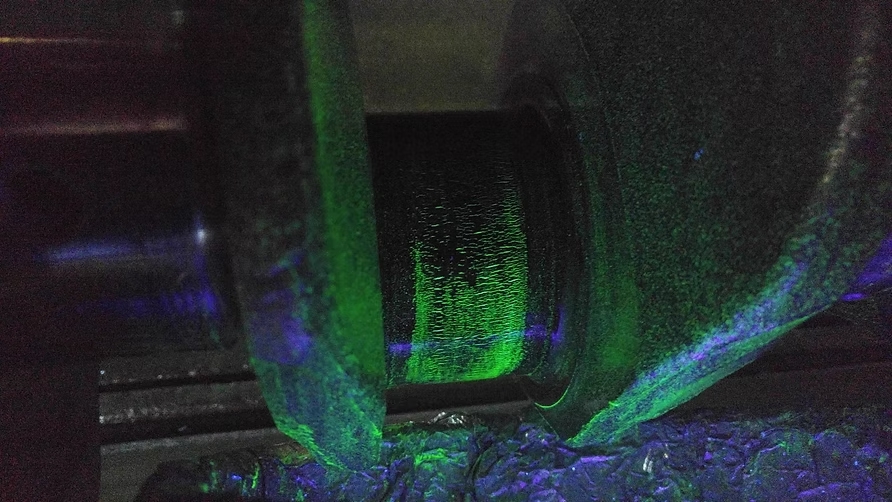
“We do crack detection” tells a customer almost nothing. It could mean a thorough magnetic particle inspection performed at multiple stages, or it could mean a quick visual glance that misses the exact defects the process exists to catch. Understanding what magnaflux crack detection actually involves makes it possible to tell the difference.
This post walks through how the process works, what it can and cannot detect, and what should happen at a shop that takes this step seriously.
Why “We Do Crack Detection” Isn’t Enough Information
The Difference Between a Visual Check and Magnaflux Testing
A visual inspection catches damage that is already visible to the eye: obvious cracks, missing material, or gross deformation. Magnaflux testing catches what a visual check cannot: hairline cracks and stress fractures hidden below the surface or along stressed areas like fillets and keyways that never show themselves without magnetic inspection.
Why This Distinction Matters Before Machining Begins
Machining time and material cost are wasted on a component with a structural flaw that should have disqualified it from the job. A crack found after machining has already begun is a far more expensive discovery than one found during proper inspection at the start.
If you want to learn more about what actually drives machining cost once material has been removed, check out our guide on engine block machining cost in Miami and what actually drives the price.
How Magnaflux Crack Detection Actually Works
Magnetizing the Component
The process begins by passing controlled electrical current through the component, which creates a magnetic field within the metal. This step only works on ferrous metals like cast iron and steel, which is why aluminum components require a different testing method entirely.
Applying Magnetic Particles Under UV Light
Once magnetized, fine magnetic particles are applied to the surface. Where a crack or discontinuity exists, the magnetic field leaks at that point and pulls the particles into a visible line along the defect. Under ultraviolet inspection lighting, these particles fluoresce, making even microscopic cracks stand out clearly against the surrounding metal.
Reading the Indication: What a Crack Actually Looks Like
A trained technician reads the particle pattern to distinguish an actual crack indication from surface scratches, machining marks, or other non-structural marks that can also attract particles. This is where experience matters. Misreading a benign mark as a crack wastes a usable component, and missing a real indication defeats the purpose of the test entirely.
What Magnaflux Can and Cannot Detect
Surface and Near-Surface Cracks in Ferrous Metal
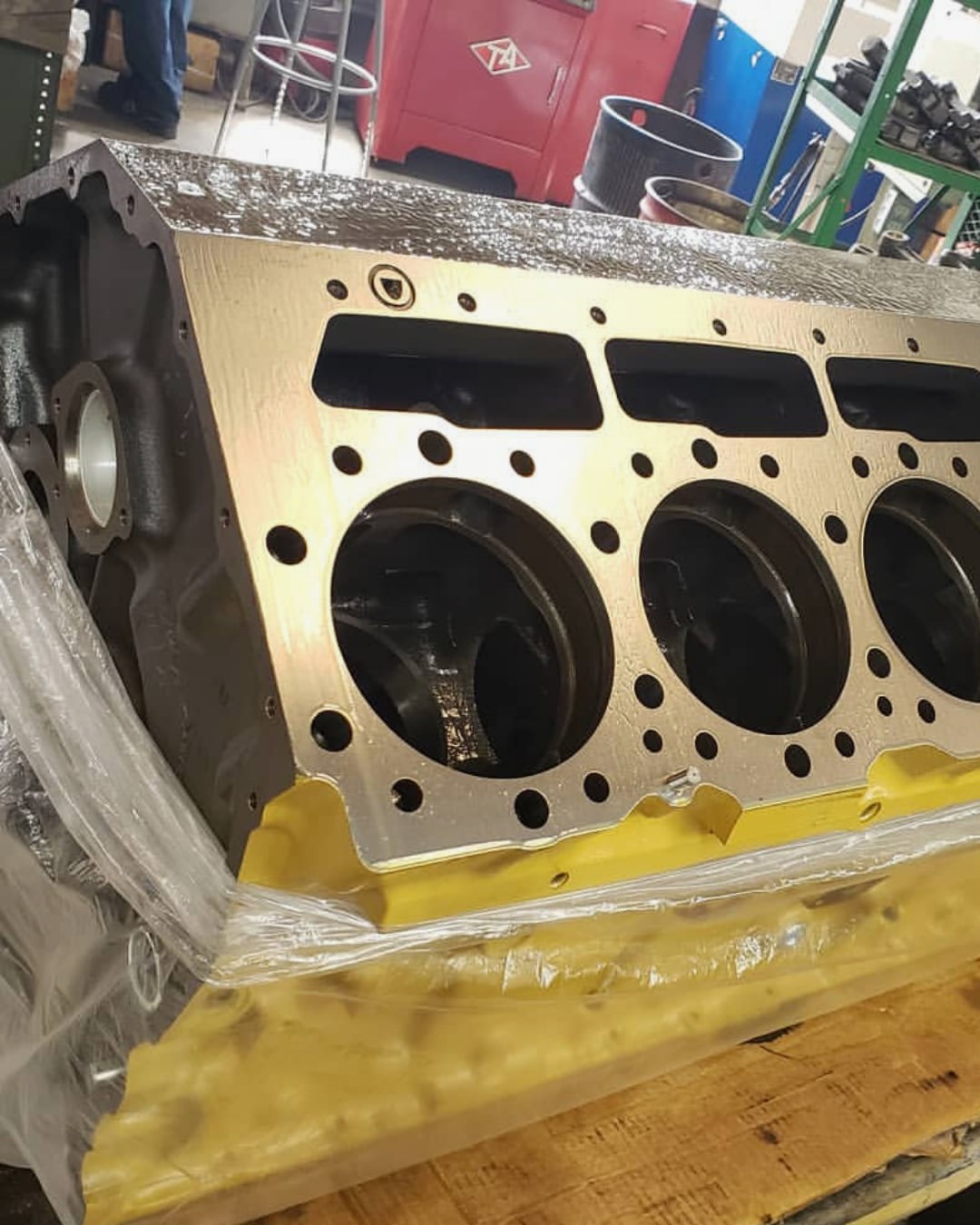
Magnaflux is highly effective at finding surface and near-surface cracks in cast iron and steel components: cylinder heads, engine blocks, crankshafts, and connecting rods all fall into this category. These are exactly the components where a missed crack leads to catastrophic failure once the engine returns to service.
Why Aluminum Components Need a Different Test
Because the process depends on a magnetic field, it does not work on aluminum or other non-ferrous metals. Aluminum cylinder heads and components require dye penetrant testing instead, a different method that reveals surface cracks through a visible or fluorescent dye rather than magnetic particles.
Diesel Engine Crack Inspection in South Florida: Which Components Get Tested
Cylinder Heads, Blocks, Crankshafts, and Connecting Rods
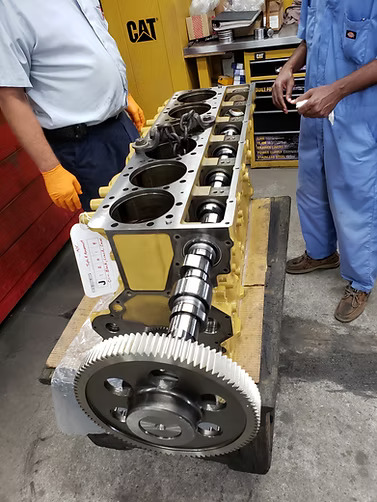
Cylinder heads are tested for cracks around combustion chambers, valve seats, and water jackets. Engine blocks are checked for cracking from overheating or freeze damage. Crankshafts are inspected around journals, fillets, and keyways, common locations for stress cracking. Connecting rods are tested particularly after a bearing failure or overload event, where hidden damage often follows.
If you want to learn more about what this crack detection step actually adds to a crankshaft repair, check out our guide on crankshaft repair and what actually drives the cost.
Why Testing Happens at Multiple Stages, Not Just Once
A single pass before machining is not enough. Machining removes material from a casting, which can expose a subsurface crack that was not visible before material was removed. Welding or heat repair introduces its own stress into the metal. A complete process tests before machining, after any repair work, and again after final machining is complete.
Magnetic Particle Testing in Miami: What Happens After a Crack Is Found
Evaluating Whether the Component Is Repairable
Not every crack means a component is scrapped. Depending on the location, size, and severity of the indication, some cracks can be repaired through welding or other correction methods before the component moves forward. This evaluation depends on both the defect itself and the demands of the application it will return to.
What Happens to a Component That Fails Inspection
A component with a crack that cannot be safely repaired should be removed from the job entirely. Continuing to machine or reassemble a compromised part only delays a failure that magnaflux testing was specifically designed to catch before it happened.
Common Misconceptions About Crack Detection
Why “It Looked Fine” Does Not Mean It Passed
A cylinder head, crankshaft, or block can appear completely normal on visual inspection and still contain a crack invisible to the naked eye. This is the entire reason magnaflux testing exists. Relying on appearance alone defeats the purpose of the process.
Why a Single Pass Is Not Always Enough
A component that passes inspection before machining can develop a new indication once material has been removed or repair work performed. A shop that tests once and considers the job complete has not accounted for how the process itself can introduce or expose new defects.
How Motor Service Group Approaches Magnaflux Crack Detection
Three-Stage Testing on Every Applicable Job
Motor Service Group performs magnaflux crack detection before machining, after any welding or repair work, and again after final machining, on cylinder heads, blocks, crankshafts, and connecting rods. Aluminum components are tested using dye penetrant methods appropriate to that material.
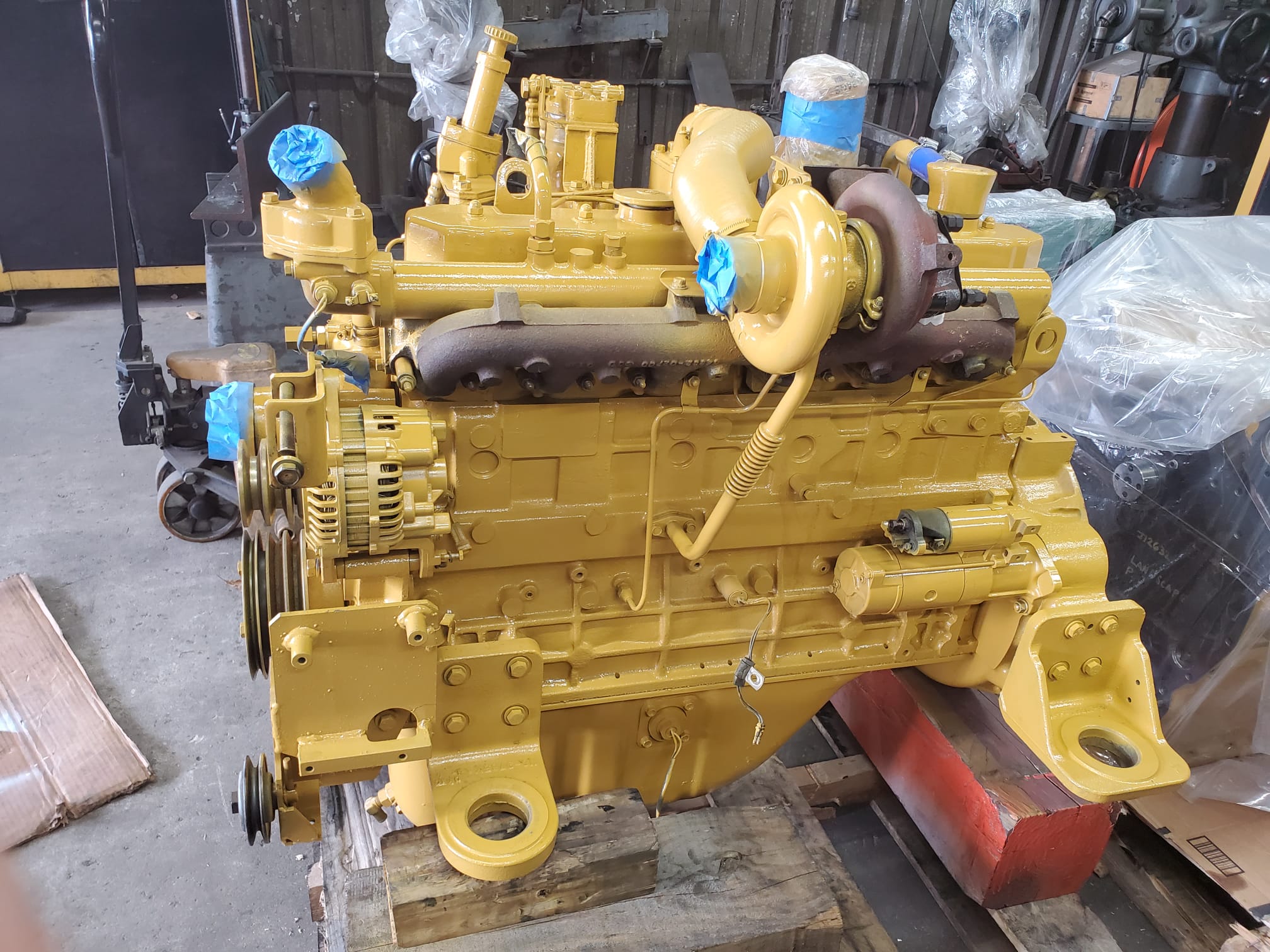
Serving Fleet, Marine, Heavy Equipment, and Industrial Diesel Customers
The shop supports fleet operators, marine customers, heavy equipment contractors, and industrial diesel applications across Miami-Dade, Broward, and Palm Beach counties with crack detection built into every applicable stage of the repair process.
Quick Answers
What is the difference between magnaflux testing and a visual inspection?
A visual inspection only catches damage already visible to the eye. Magnaflux testing uses magnetic particles and UV light to reveal hairline cracks and stress fractures hidden below the surface that a visual check would miss entirely.
Does magnaflux crack detection work on aluminum components?
No. The process depends on a magnetic field, which only works on ferrous metals like cast iron and steel. Aluminum components require dye penetrant testing instead.
How many times should crack detection happen during a rebuild?
At minimum three times on ferrous components: before machining, after any welding or repair work, and after final machining. Machining and repair work can each introduce or expose new defects that a single pass would miss.
Can a component with a crack still be repaired?
Sometimes. Depending on the location, size, and severity of the crack, some defects can be corrected through welding or other repair methods. A component with a crack that cannot be safely repaired should be removed from the job.
Does Motor Service Group perform crack detection on every diesel engine job?
Yes. Motor Service Group performs magnaflux crack detection at multiple stages on cylinder heads, blocks, crankshafts, and connecting rods, with dye penetrant testing used for aluminum components.
Get Your Components Properly Tested
Motor Service Group performs multi-stage magnaflux crack detection in Miami for diesel engine components across South Florida, catching defects before they become costly failures.
Contact our team today to discuss crack detection and inspection for your engine components.