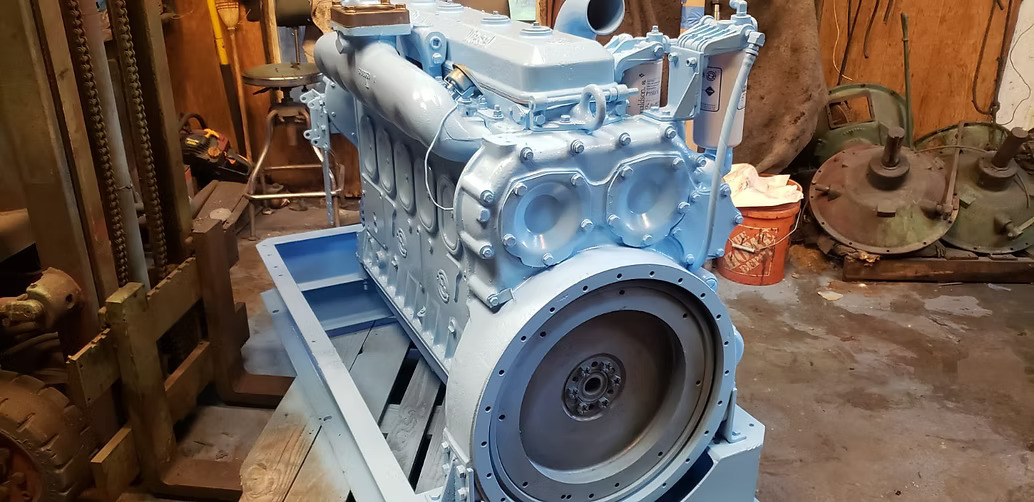


Not every facility that handles diesel engines is equipped to do it correctly. In Miami and South Florida, marine operators, fleet managers, and heavy equipment contractors have no shortage of options when an engine needs attention. The harder task is knowing which ones are actually capable of the work.
This guide covers what to look for before committing to a diesel motor service provider and why the difference matters more than most customers realize until it is too late.
Why Diesel Motor Service Is Not the Same as General Engine Repair
What Diesel Engines Demand That General Facilities Cannot Provide
Diesel engines operate under cylinder pressures, thermal loads, and mechanical stress levels that gasoline engines do not approach. The tolerances involved in a proper job are tight, the components are heavy and specialized, and the consequences of getting something wrong are expensive. A general repair facility is built around part replacement. A diesel machine shop is built around restoring the surfaces, geometry, and clearances those parts depend on.
Why Machine Shop Capability Changes the Outcome
A fully equipped operation can resurface cylinder heads, grind crankshafts, bore and hone cylinders, align bore blocks, and verify component tolerances before reassembly. One without that capability can only swap parts. When the underlying geometry is compromised, swapping parts does not resolve the problem. It postpones the next failure.
For a deeper look at what separates a diesel motor specialist from a general provider and why that distinction matters for your application, read our guide on why your diesel engine needs a specialist, not a general repair shop.
The Equipment a Serious Diesel Motor Service Provider Must Have
Before trusting any operation with a diesel engine, confirm the following capabilities exist in-house:
Crack Detection and Pressure Testing
Magnaflux crack detection identifies structural flaws in cylinder heads, crankshafts, blocks, and connecting rods that are not visible to the naked eye. Pressure testing verifies that heads seal correctly before returning to operation. Both are non-negotiable steps in any thorough diesel job. A provider that sends these out or skips them is not equipped for serious work.
Crankshaft Grinding and Precision Boring
Crankshaft journal condition directly affects bearing clearance, oil pressure, and long-term reliability. A facility without an in-house crankshaft grinder either farms that work out or leaves it undone. Cylinder boring and honing is equally important for restoring correct geometry after wear or damage. These are not optional for a complete diesel motor service operation.
For a closer look at the warning signs that indicate a crankshaft needs professional attention, read our guide on how to know when your crankshaft needs professional repair.
Cleaning Equipment and Measurement Tools
Proper cleaning removes contamination from oil galleries, cooling passages, and component surfaces before measurements are taken or machining begins. Operations equipped with jet wash systems, ovens, and shot blasters clean to a standard that reveals the true condition of each part. Calibrated tools, including bore gauges, micrometers, and surface plates, are what separate confirmed tolerances from guesswork.
The Experience Factor: What to Ask Before Approving Any Work
Platform-Specific Knowledge
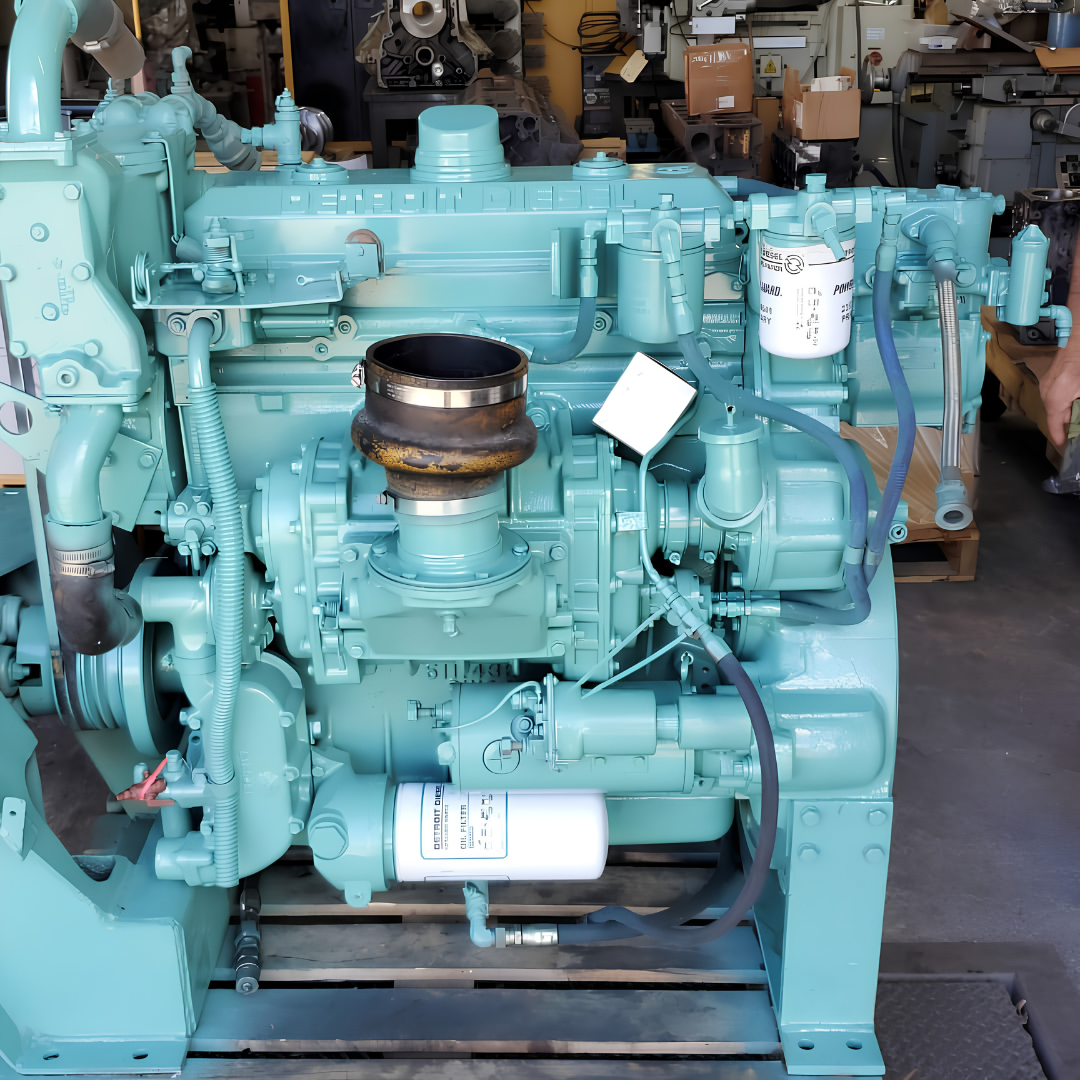
Diesel engines vary significantly across marine, fleet, construction, and industrial applications. A provider with deep experience on one platform may have limited knowledge of another. Ask specifically whether the team has worked on your engine brand and configuration, and ask for examples. General diesel familiarity is not the same as hands-on knowledge of a Caterpillar marine engine or a Detroit Diesel fleet application.
How Long the Operation Has Been Active
Longevity matters in this industry. A machine shop performing diesel motor service in South Florida for decades has accumulated platform knowledge, refined its processes, and built a track record newer operations cannot replicate. Ask how long they have been in business and what customer types they primarily serve.
What the Process Looks Like From Start to Finish
A capable team should be able to describe their intake procedure, inspection steps, machining sequence, and reassembly approach clearly. If the answer is vague or focused entirely on cost and turnaround time, that is useful information. Process discipline is what separates reliable outcomes from repeat visits.
Red Flags Worth Taking Seriously
These signals suggest a provider is not the right fit:
- No in-house machining capability for crankshafts, bores, or cylinder heads
- Inability to perform crack detection or pressure testing on site
- Vague or evasive answers about documentation and tolerances
- No demonstrated experience with your engine brand or application type
- Emphasis on speed and price over process and accuracy
- No verifiable track record with marine, fleet, or heavy equipment customers
Any one of these is worth pausing on. Several together are a clear signal to keep looking.
What Professional Diesel Engine Work in South Florida Actually Looks Like
A Defined Process From Inspection to Reassembly
A professional diesel motor service job follows a defined sequence. The engine is fully disassembled, components are cleaned, crack detection is performed, heads are pressure tested, surfaces are measured, machining is completed where needed, tolerances are verified, and the unit is reassembled to OEM specifications. Each step builds on the previous one. Skipping any stage introduces risk that compounds through the rest of the job.
For more on why preventive machining during a service job reduces long-term rebuild costs, read our guide on preventive diesel engine machining to reduce rebuild costs.
Documentation That Creates Accountability
Good documentation records what was found, what was done, and what the measured results were. It gives the customer a clear picture of the work and creates a basis for evaluating the outcome. A provider that does not document its work cannot demonstrate that tolerances were met or testing was completed. Without that record, nothing protects the customer if something goes wrong.
Communication Throughout the Job
Customers should know what is happening with their engine without having to follow up repeatedly. A capable team communicates inspection findings before machining begins, flags additional issues discovered during the job, and provides clear timelines. Poor communication is usually a reflection of poor process discipline overall.
Why Miami’s Environment Demands More From a Provider
Heat, Humidity, and Salt Exposure
South Florida’s climate creates operating conditions that accelerate component wear. Heat affects oil viscosity and the thermal load on gaskets and seals. Humidity and salt exposure create corrosion risks more pronounced here than in most other U.S. markets. An engine operating in these conditions may present differently than one from a drier region, and a team familiar with the local environment will recognize those differences during inspection.
Marine and Heavy Equipment Applications
Marine diesel engines in South Florida face high operating hours, salt water exposure, and the risk of being far from shore when something fails. Heavy equipment on construction and mining sites runs under continuous load in intense heat. Both demand a provider with direct knowledge of the failure patterns and inspection priorities specific to each application.
The Value of Local Experience
A team serving South Florida customers for decades understands the regional context in a way distant providers cannot match. They know the common issues on local fleets and vessels, and they have built relationships with customers who return because the work consistently holds up.
How Motor Service Group Serves Diesel Customers Across Miami and South Florida
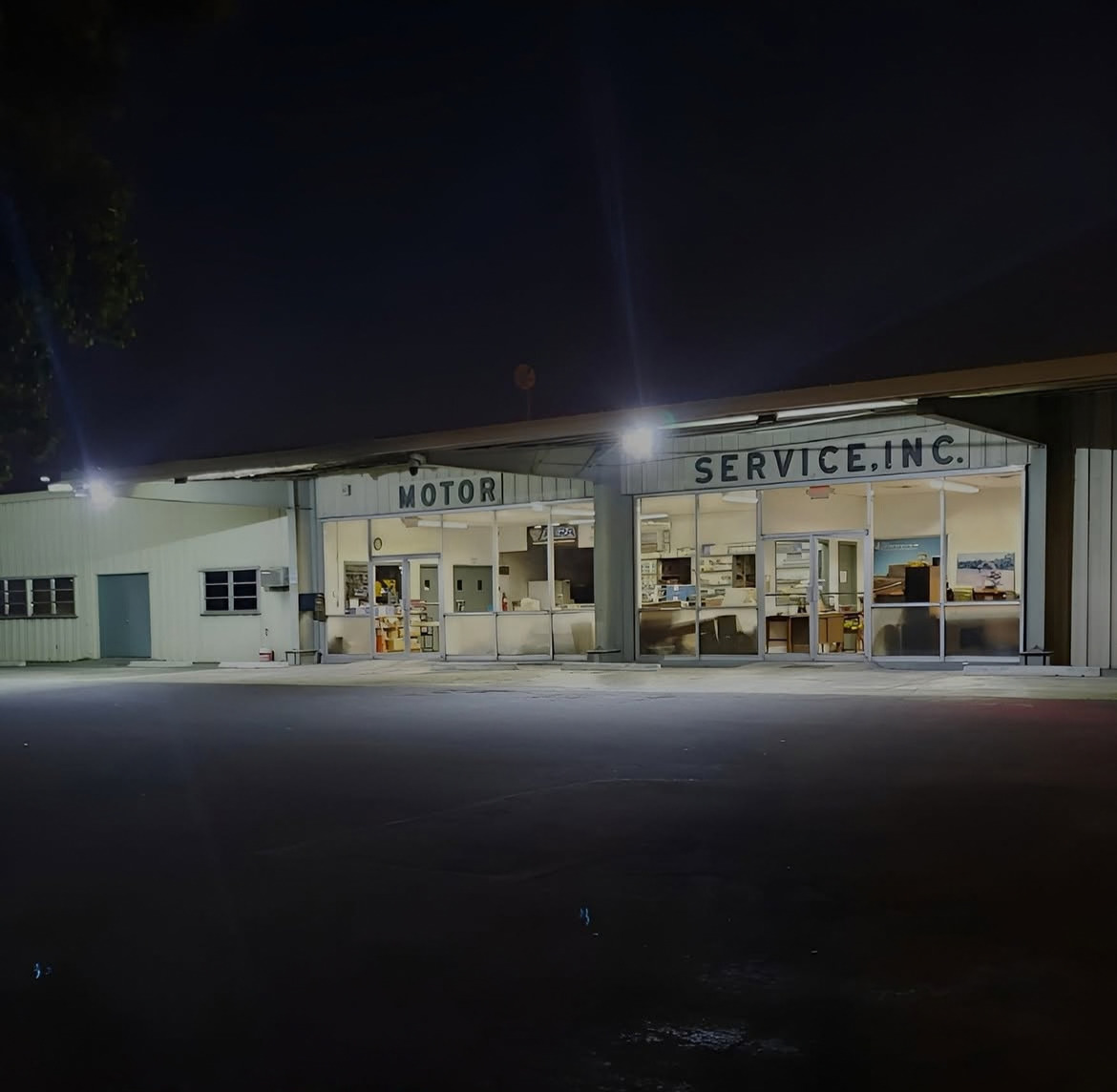
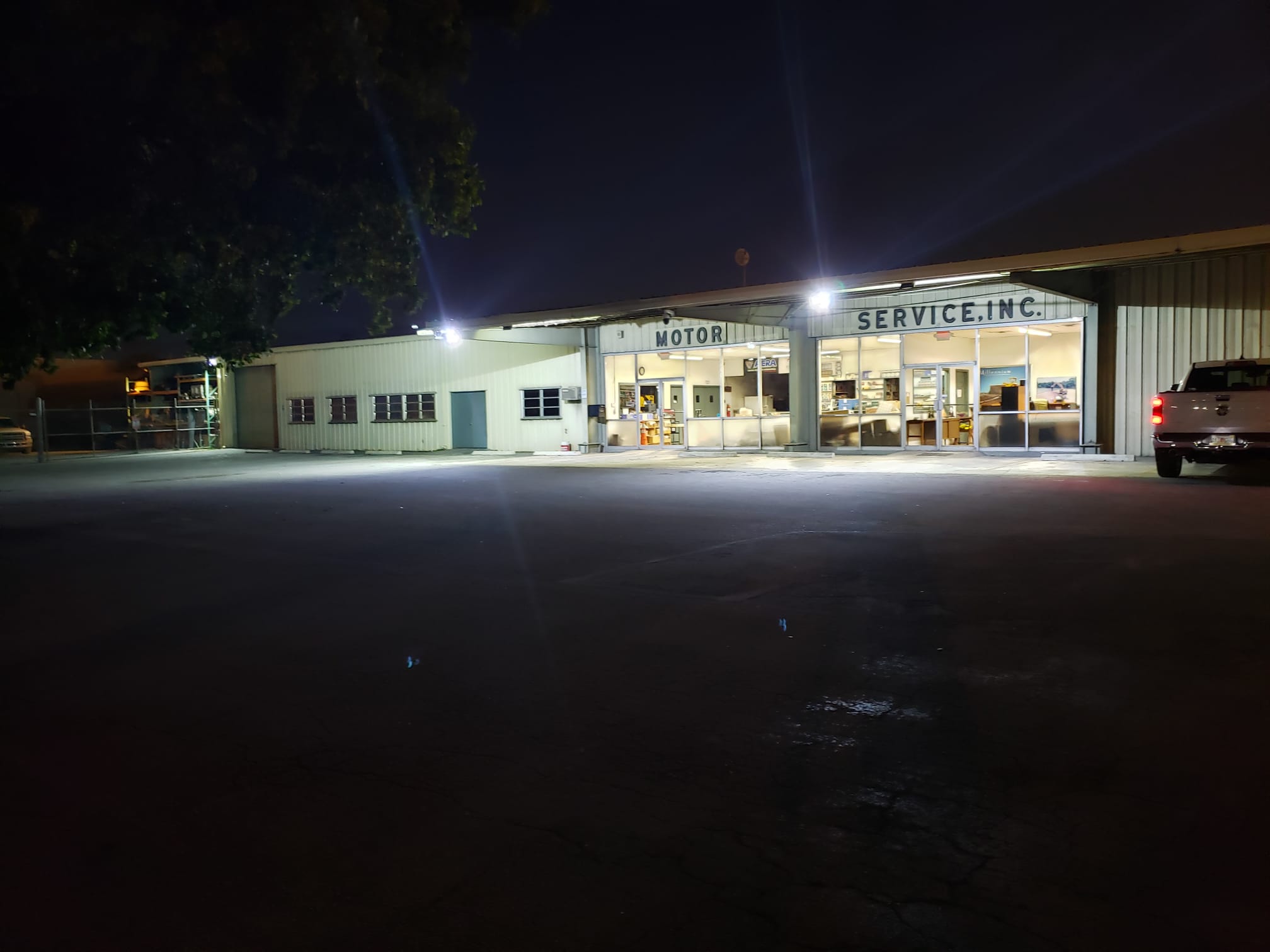
Motor Service Group has been performing diesel motor service in Miami since 1949. The operation serves marine repair companies, fleet operators, heavy equipment contractors, power generation facilities, and industrial customers across Miami-Dade, Broward, and Palm Beach counties.
Services include:
- Magnaflux crack detection on heads, blocks, crankshafts, and connecting rods
- Cylinder head pressure testing and resurfacing
- Engine block machining, boring, honing, and align boring
- Crankshaft grinding and polishing
- Connecting rod reconditioning and bushing replacement
- Complete diesel engine inspection, machining, and assembly support
Every job is documented, every tolerance is verified, and every customer receives a clear account of what was found and what was done.
Quick Answers
Q: What should I look for in a diesel motor service provider in Miami?
In-house machining capability, crack detection and pressure testing equipment, platform-specific experience, a defined process, and clear documentation standards. A team that cannot demonstrate all of these is not fully equipped for serious diesel work.
Q: What is the difference between a diesel machine shop and a general repair facility?
A general repair facility replaces parts. A diesel machine shop restores the surfaces, geometry, and clearances those parts depend on. That difference determines whether a repair holds up or returns as a repeat failure.
Q: How do I know if a provider has the right equipment for my engine?
Ask directly whether crankshaft grinding, cylinder boring, crack detection, and pressure testing are performed in-house. A capable team will answer without hesitation and explain how each step fits into their process.
Q: Does Motor Service Group serve diesel customers across South Florida?
Yes. Motor Service Group serves customers across Miami-Dade, Broward, and Palm Beach counties, including marine operators, fleet managers, heavy equipment contractors, and industrial facilities.
Q: What diesel engine platforms does Motor Service Group work on?
The team services marine, fleet, heavy equipment, power generation, and industrial diesel engines across a wide range of brands and configurations. Contact them directly to confirm capability for your specific platform.
Find the Right Team Before You Need One
Motor Service Group is a diesel machine shop in Miami specializing in precision machining, inspection, and component repair for heavy-duty engines.
If your operation depends on diesel performance, contact our expert team today to discuss your service needs.