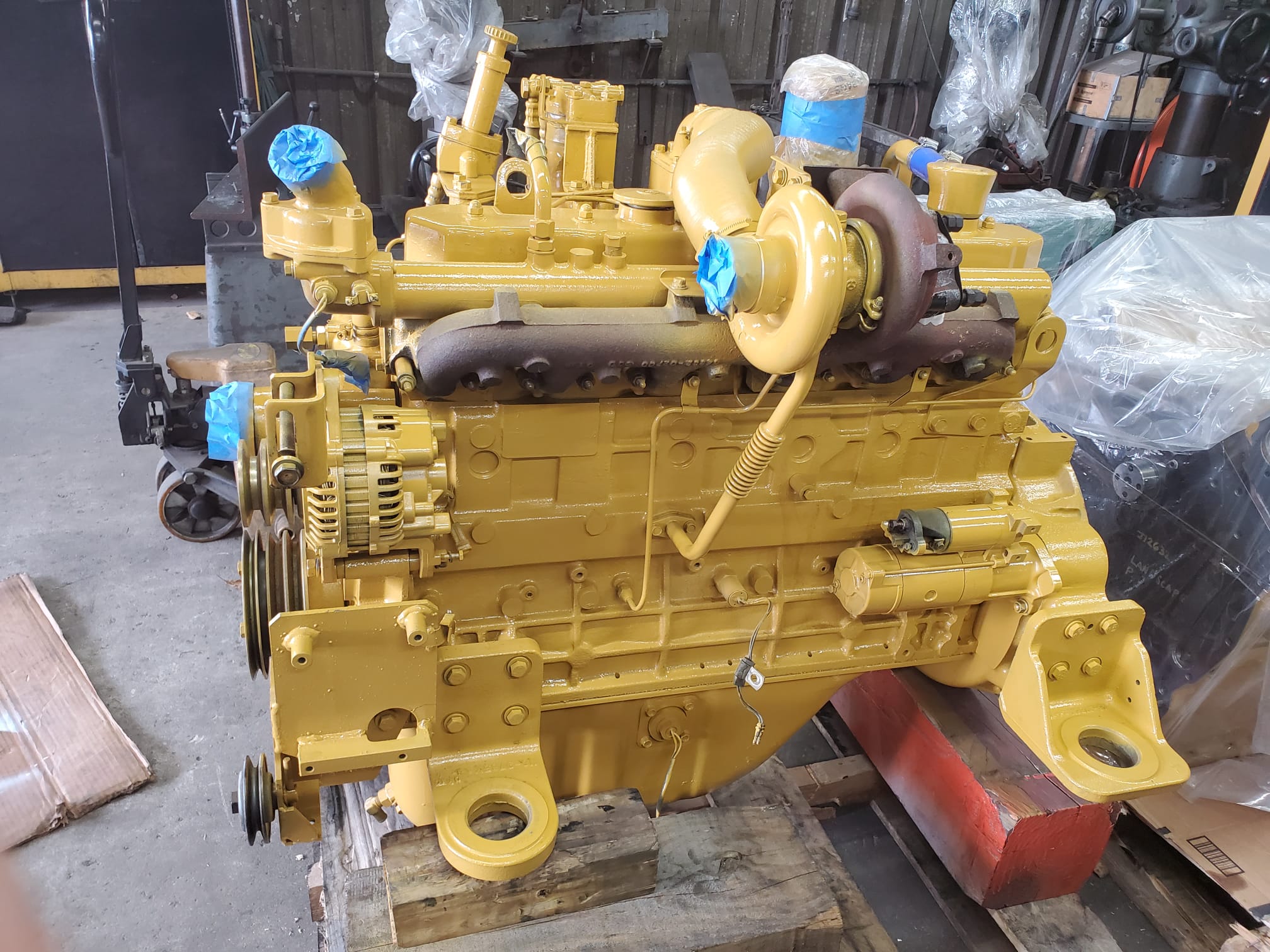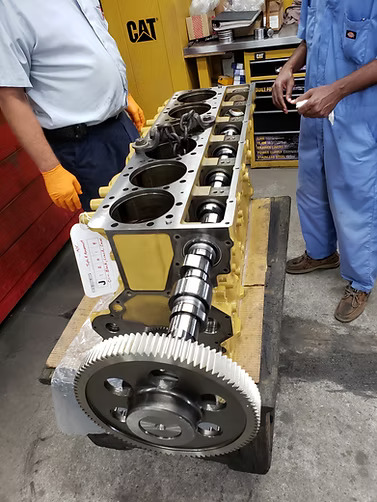


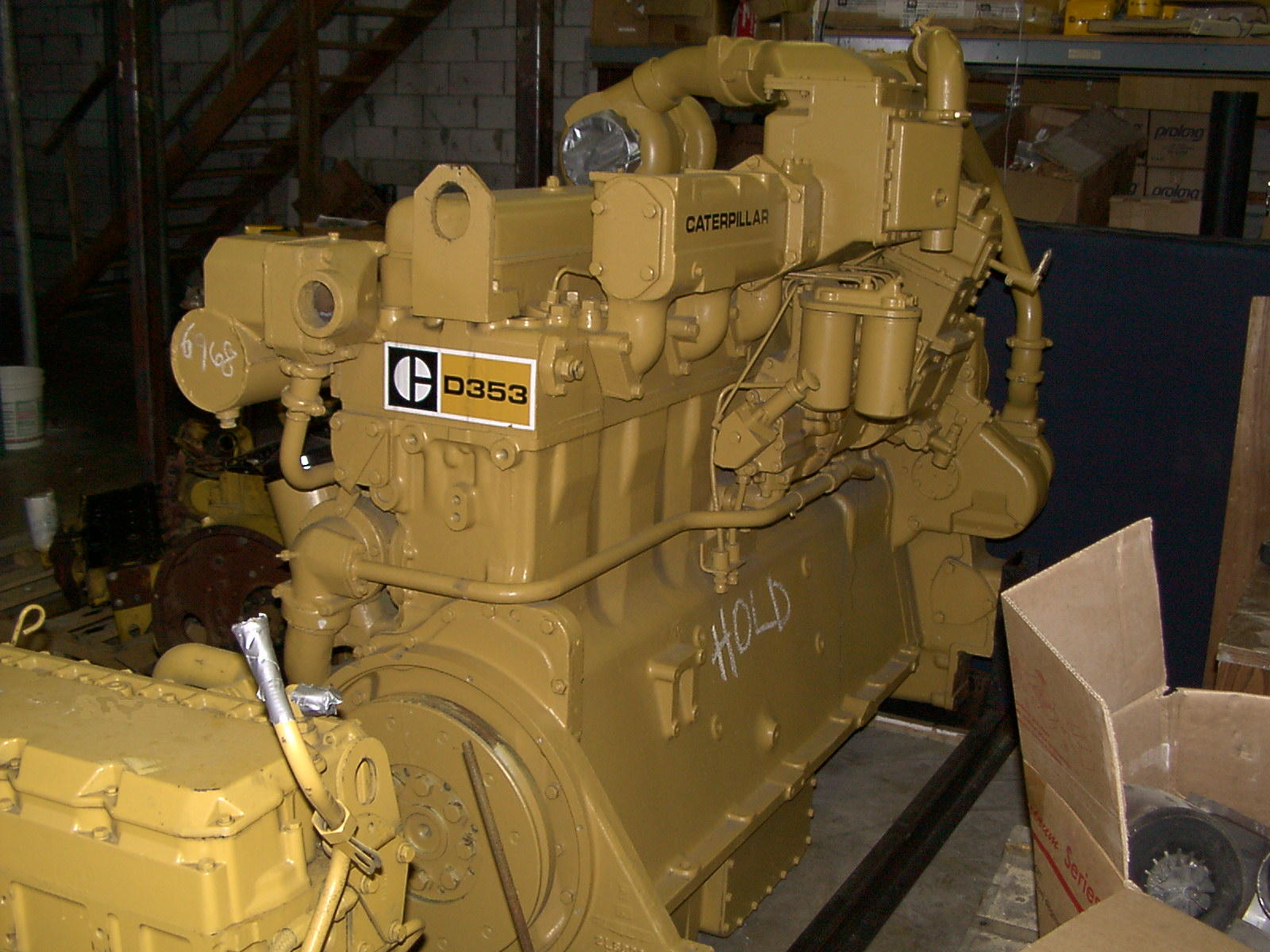
Search for marine diesel service in Miami and most results point to dockside providers: oil changes, tune-ups, routine maintenance performed at the boat. That work is necessary, but it stops well short of what a marine engine needs when the problem is internal. Corroded coolant passages, a cracked cylinder head, or a worn crankshaft journal require precision machining, not a dockside visit.
This post covers what actually makes marine diesel applications different from fleet or industrial engines, what that difference means for machining and rebuild work, and what marine mechanics and boat owners should look for when a job goes beyond dockside service.
Why Marine Diesel Engines Need More Than Dockside Service
What Dockside Maintenance Covers and Where It Stops
Dockside service typically covers fluid changes, filter replacement, belt inspection, and general troubleshooting performed at the vessel. It keeps an engine running day to day, but it cannot address internal component wear, corrosion damage inside the block, or a cylinder head that needs crack detection and precision resurfacing. Those repairs require the engine to come out and go to a machine shop.
When a Marine Engine Problem Becomes a Machine Shop Problem
Symptoms that point to a machine shop problem include persistent overheating despite a serviced cooling system, declining compression, coolant loss with no visible external leak, or metal contamination in the oil. These signs indicate internal wear or damage that dockside maintenance was never designed to fix.
Why Marine Diesel Engines Wear Differently Than Fleet or Industrial Engines
Saltwater Corrosion and Its Effect on Internal Components
Engines that run raw water cooling systems circulate saltwater directly through internal passages, which accelerates corrosion in a way land-based engines never experience. Corrosion attacks coolant jackets, cylinder liners, and cooling passages inside the block and head, often progressing invisibly until a component fails or a crack forms.
Heat Exchanger Cooling vs Radiator Cooling and What It Means for the Block
Vessels using heat exchanger cooling still depend on raw water passing through a separate circuit, and any breach between that circuit and the coolant side introduces saltwater contamination into the closed cooling system. This creates corrosion patterns inside the block that a machinist has to specifically know how to identify and evaluate.
Duty Cycles: Idle Time, Load Spikes, and Extended Lay-Up Periods
A vessel’s engine cycles between long idle periods at the dock, sudden load spikes during acceleration, and extended lay-up during off-season storage. That pattern creates thermal cycling and condensation-related corrosion that a fleet vehicle running consistent highway loads simply does not experience.
Marine Cylinder Head Repair in Miami: What Corrosion Damage Actually Looks Like
Corrosion in Coolant Passages and Why It Gets Missed
Corrosion inside a head’s coolant passages is not visible from the outside and often does not show up until pressure testing reveals a leak or a passage has narrowed enough to restrict flow. A visual inspection alone misses this damage, which is why pressure testing is not optional on marine heads.
If you want to learn more about how pressure testing works and what it confirms, check out our guide on pressure testing services for diesel engine components.
Why Marine Heads Require More Frequent Crack Detection
Saltwater exposure combined with thermal cycling increases the likelihood of stress cracking in this application compared to a fleet or industrial engine. Magnaflux crack detection at multiple stages catches these cracks before they become the reason an engine fails again after reassembly.
Valve and Seat Wear Patterns Specific to Marine Applications
Vessels running at variable load with frequent idle periods develop valve and seat wear patterns that differ from an engine running steady highway loads. Recognizing this pattern during inspection is part of what separates a machinist experienced with marine work from one who only sees these engines occasionally.
Marine Diesel Engine Rebuild in South Florida: What the Process Requires
Component Inspection Standards for Saltwater-Exposed Engines
This type of rebuild requires inspecting every component specifically for corrosion damage, not just wear. That means closer examination of coolant passages, cylinder liners, and any component that has been in contact with raw water, in addition to the standard measurements performed on any diesel rebuild.
Why Machining Tolerances Matter More in a Marine Rebuild
A component with corrosion pitting can measure within tolerance in one area and be compromised in another. Machining a block or head correctly in this context means accounting for corrosion-related material loss, not just standard wear, when determining what can be resurfaced versus what requires replacement.
If you want to learn more about what actually determines the cost of that resurfacing and machining decision, check out our guide on engine block machining cost in Miami and what actually drives the price.
Reassembly Considerations for Engines Returning to a Marine Environment
An engine returning to saltwater exposure benefits from corrosion-resistant gasket materials and coatings where applicable, since it will immediately return to the same conditions that caused the original damage. Reassembly decisions should account for that reality rather than treating the rebuild like a standard land-based engine.
What Marine Mechanics and Boat Owners Should Look for in a Machine Shop
Experience With Marine-Specific Failure Modes
Ask directly whether the shop has experience identifying corrosion damage versus standard wear, and whether their inspection process accounts for saltwater-specific failure patterns. A shop that primarily services fleet and industrial engines may not recognize this type of corrosion the way an experienced shop does.
Coordination Between the Marine Mechanic and the Machine Shop
The marine mechanic handling the vessel and the machine shop handling internal component work need to communicate clearly about symptoms, history, and findings. A shop that documents what it finds and explains it in terms the mechanic and boat owner can use makes that coordination work smoothly.
Marine Diesel Engine Machining in Miami: What Motor Service Group Provides
In-House Machining for Marine Cylinder Heads, Blocks, and Crankshafts
Motor Service Group performs complete diesel engine machining in Miami for vessels, including cylinder head repair, block machining, and crankshaft service, all in-house with inspection processes that account for corrosion-specific damage in addition to standard wear measurements.
If you want to learn more about what a dedicated diesel engine machine shop actually does that a general repair facility cannot, check out our guide on what a diesel engine machine shop near me actually does and why it matters.
Serving Marine Mechanics, Boat Owners, and Commercial Vessel Operators Across South Florida
The shop supports marine mechanics, private boat owners, and commercial vessel operators across Miami-Dade, Broward, and Palm Beach counties, providing the machine shop capability that dockside service cannot.
Quick Answers
Why can’t dockside marine service fix internal engine problems?
Dockside service covers fluid changes, filters, and general maintenance performed at the vessel. Internal issues like corrosion damage, cracked cylinder heads, or worn crankshaft journals require the engine to come out and go through precision machining that a machine shop performs.
How does saltwater affect a marine diesel engine differently than a land-based engine?
Raw water cooling systems circulate saltwater through internal passages, accelerating corrosion in coolant jackets, cylinder liners, and cooling passages in ways that never occur in engines running closed, freshwater cooling systems.
Why does a marine cylinder head need pressure testing more than crack detection alone?
Corrosion inside coolant passages is often invisible from the outside. Pressure testing reveals leaks and restricted flow caused by internal corrosion that a visual inspection or crack detection pass alone would miss.
What symptoms indicate a marine engine needs machine shop work instead of dockside service?
Persistent overheating despite serviced cooling, declining compression, coolant loss with no visible leak, and metal contamination in the oil all point to internal problems that dockside maintenance cannot resolve.
Does Motor Service Group have experience with marine-specific corrosion damage?
Yes. Motor Service Group’s inspection process accounts for saltwater corrosion patterns specific to marine engines, in addition to the standard wear measurements performed on every diesel rebuild.
Get Marine-Grade Precision on Your Engine
Motor Service Group performs complete marine diesel engine machining in Miami, with inspection and rebuild processes built around what saltwater exposure actually does to internal components.
Contact our team today to discuss your marine engine and get the precision it needs beyond dockside service.