

Most customers hand over an engine and wait. What happens between drop-off and pickup is often a black box, and that gap creates uncertainty about timelines, costs, and whether the job is being handled correctly.
This post walks through what should happen after you leave an engine at a diesel machine shop, what a professional process looks like at each stage, and what to watch for when a shop is not running the job the way it should.
Why Most Customers Have No Idea What Happens Next
What a Shop Should Do in the First 24 to 48 Hours
Within the first day or two, the engine should be logged into the shop’s tracking system, tagged with your contact information and the details provided at drop-off, and assigned to a technician. You should receive confirmation that the engine has been received and an estimated timeframe for when the initial inspection will be complete.
If you do not hear anything within 48 hours, that is worth a follow-up call. The absence of any communication in the first two days can signal a disorganized intake process.
Why the Intake Process Sets the Tone for the Entire Job
A shop that takes your engine in without recording the symptoms you described, the application it came from, or the operating conditions it was running under is starting the job without critical information. An engine that overheated and was shut down quickly has a different failure profile than one that ran hot for an extended period. A shop that does not capture that detail at intake may miss it entirely during inspection.
Step One: Disassembly and Initial Cleaning
Why the Engine Has to Come Apart Before Anyone Knows What It Needs
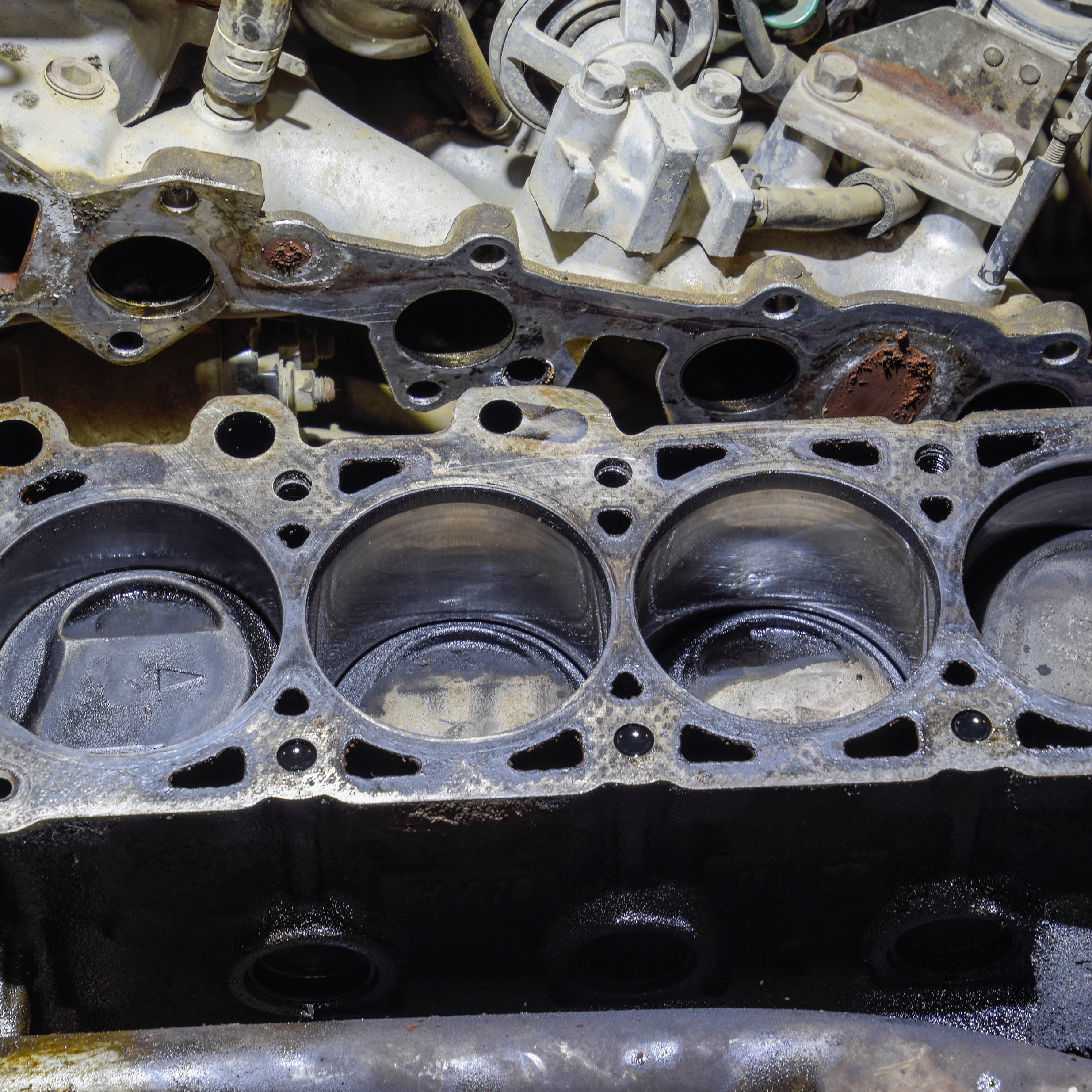
No accurate assessment of an engine’s condition is possible while assembled. The block, heads, crankshaft, and other components all need to come out and be cleaned before anything meaningful can be measured or inspected. A shop that quotes a price before teardown is quoting without information. A legitimate machine shop completes disassembly and cleaning before committing to a final scope of work.
What Gets Documented During Disassembly and Why It Matters
A thorough shop documents what is found during disassembly: visible damage, wear patterns, signs of prior repairs, and any components that arrived in worse condition than expected. This documentation becomes part of the job record and gives you a clear picture of what the engine actually needed. It also protects both parties if there are questions later about what was found and when.
If you want to learn more about what a diesel engine rebuild timeline looks like from start to finish, check out our guide on what to expect from a diesel motor reparation timeline.
Step Two: Inspection and Measurement
What a Diesel Engine Specialist in South Florida Should Be Measuring
After cleaning, every critical dimension gets measured against manufacturer specifications. This includes:
- Cylinder bore diameter and out-of-round condition
- Crankshaft journal diameter and surface finish
- Cylinder head deck flatness and thickness
- Valve stem diameter and guide clearance
- Main bearing and rod bearing clearances
These measurements determine what work is needed, what components can be reused, and what needs to be replaced or machined. A shop that skips this step and proceeds directly to reassembly is guessing at tolerances that need to be confirmed.
What the Inspection Should Produce: A Written Scope, Not a Verbal Estimate
After inspection, you should receive a written scope of work listing every component evaluated, what was found, what work is recommended, and the cost for each item. A verbal estimate over the phone is not sufficient documentation for a job of this scope. If you are asked to approve work based only on a conversation, ask for something in writing before giving approval.
Step Three: The Communication Point Every Customer Should Expect
What a Shop Should Be Able to Tell You After Teardown
After disassembly, cleaning, and inspection are complete, the shop should be able to tell you:
- The condition of each major component
- What caused the failure or wear that brought the engine in
- What work is needed to restore it to specification
- What components need replacement rather than repair
- A realistic timeline for machining and reassembly
- A final cost reflecting actual findings, not initial assumptions
This is the most important interaction in the entire job. It is where you decide whether to proceed, what the scope will include, and what the expected outcome is.
What Vague Updates and Silence Actually Signal About a Shop
If a shop tells you the engine is “looking good” or “almost done” without specifics, those answers suggest the job is not being tracked properly. A professional shop has records for every component measured and every operation performed. Vague responses typically mean those records do not exist.
Silence is a different problem. A shop that does not reach out after teardown has either stalled or is waiting until the job is complete for a single update. Neither is acceptable. You should expect at minimum one substantive update after inspection and another when machining is complete.
Step Four: Machining and Component Work
What Happens in the Machine Shop While You Wait
Depending on what the inspection found, the machining phase may include cylinder boring and honing, crankshaft grinding, deck resurfacing, valve seat machining, pressure testing, and magnaflux crack detection at multiple points. Each operation requires specialized equipment and trained machinists. That time is not reducible without compromising the result.
If you want to learn more about what a dedicated diesel engine machine shop actually does that a general repair facility cannot, check out our guide on what a diesel engine machine shop actually does and why it matters.
Why In-House Machining Changes the Timeline and the Quality
A shop that performs all machining in-house controls the entire sequence. There is no waiting for a component to return from a subcontractor, no communication gap between the person who inspected the engine and the person who machined it, and no risk of handling damage between facilities. In-house work moves in a defined sequence with quality checks at each stage.
Step Five: Reassembly, Testing, and Final Verification
What Should Happen Before the Engine Is Declared Done
Before the engine is declared ready, the following should be complete:
- All components verified to specification after machining
- Magnaflux crack detection completed at the appropriate stages
- Pressure testing on heads and applicable components
- Clearances confirmed during assembly, not assumed from machining records
- Final cleaning of all components before assembly begins
An engine assembled without confirming clearances at the assembly stage is relying on the machining being perfect. Professional shops verify at both stages.
If you want to learn more about what happens when these steps are skipped and why cylinder heads come back after repair, check out our guide on why the same cylinder head keeps coming back after repair.
What Documentation Should Come With the Finished Engine
When the engine is ready, the job record should include what was inspected, measured, machined, replaced, and tested. This is your evidence that the work was done correctly and your reference for any future service on the same engine.
What a Diesel Machine Shop in Miami Should Deliver When You Pick Up
What to Ask For Before You Accept the Job
Before accepting the finished engine, ask the shop to walk you through the job record. Confirm every component in the original scope was addressed. Ask about any items that changed the estimate. If anything was substituted, deferred, or handled differently than the written scope described, you should know before the engine leaves the shop.
Why the Pickup Conversation Matters as Much as the Drop-Off
The pickup conversation is your last opportunity to ask questions while the people who did the work are available. Ask about break-in procedures, components at the edge of acceptable tolerance, and what to watch for in the first hours of operation. A shop that cannot answer these questions at pickup has not set you up to protect the rebuild.
How Motor Service Group Handles Every Engine From Drop-Off to Delivery
The Process Behind Every Job at Our Miami Machine Shop Since 1949
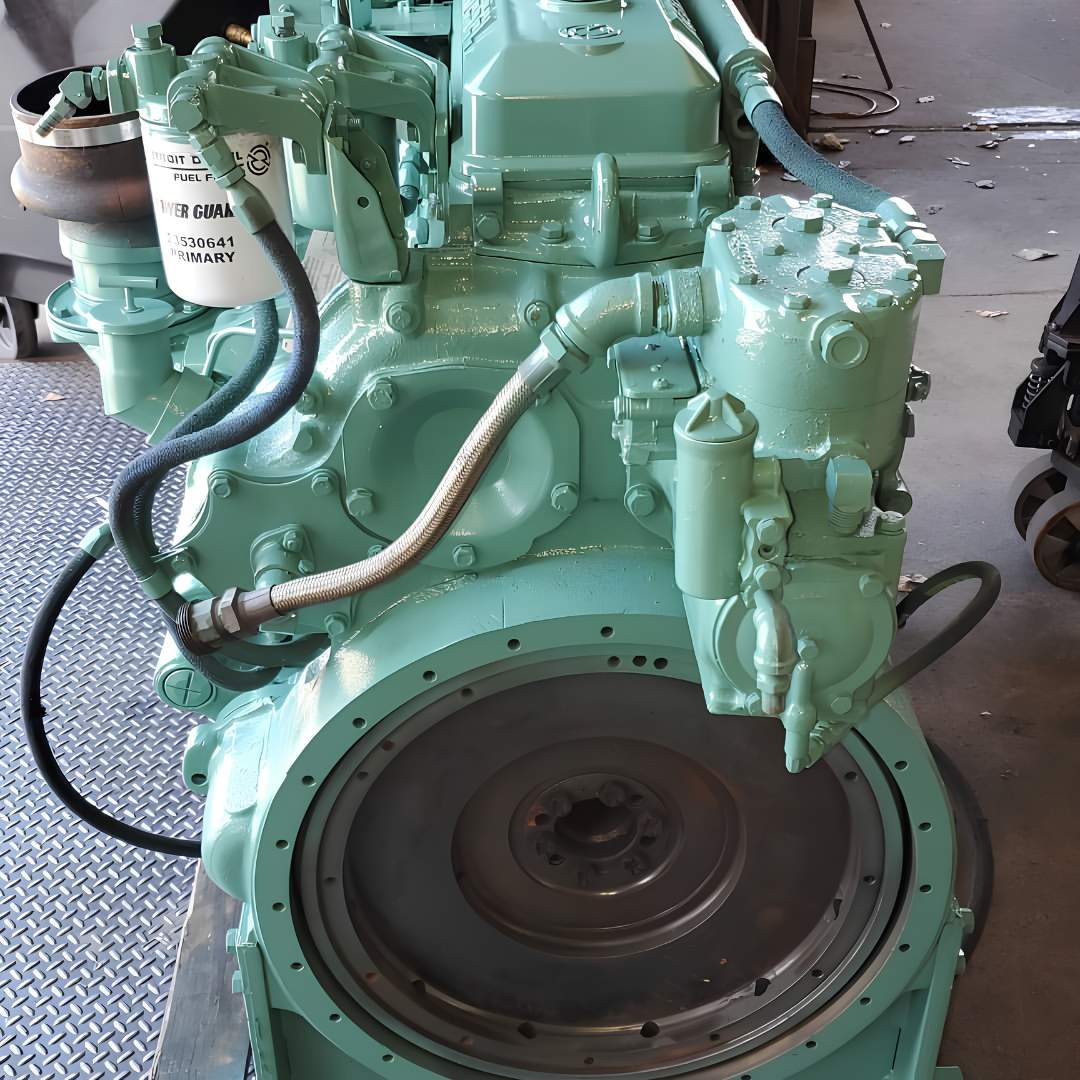
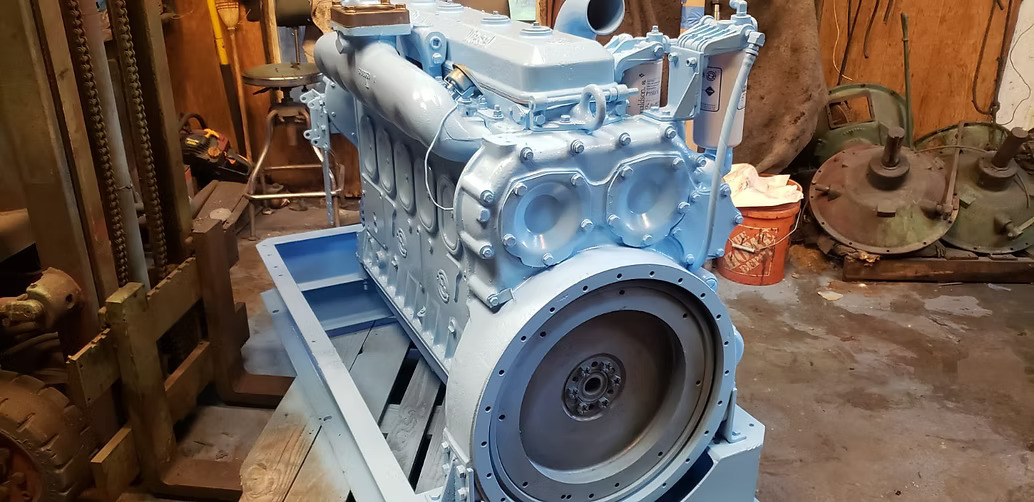
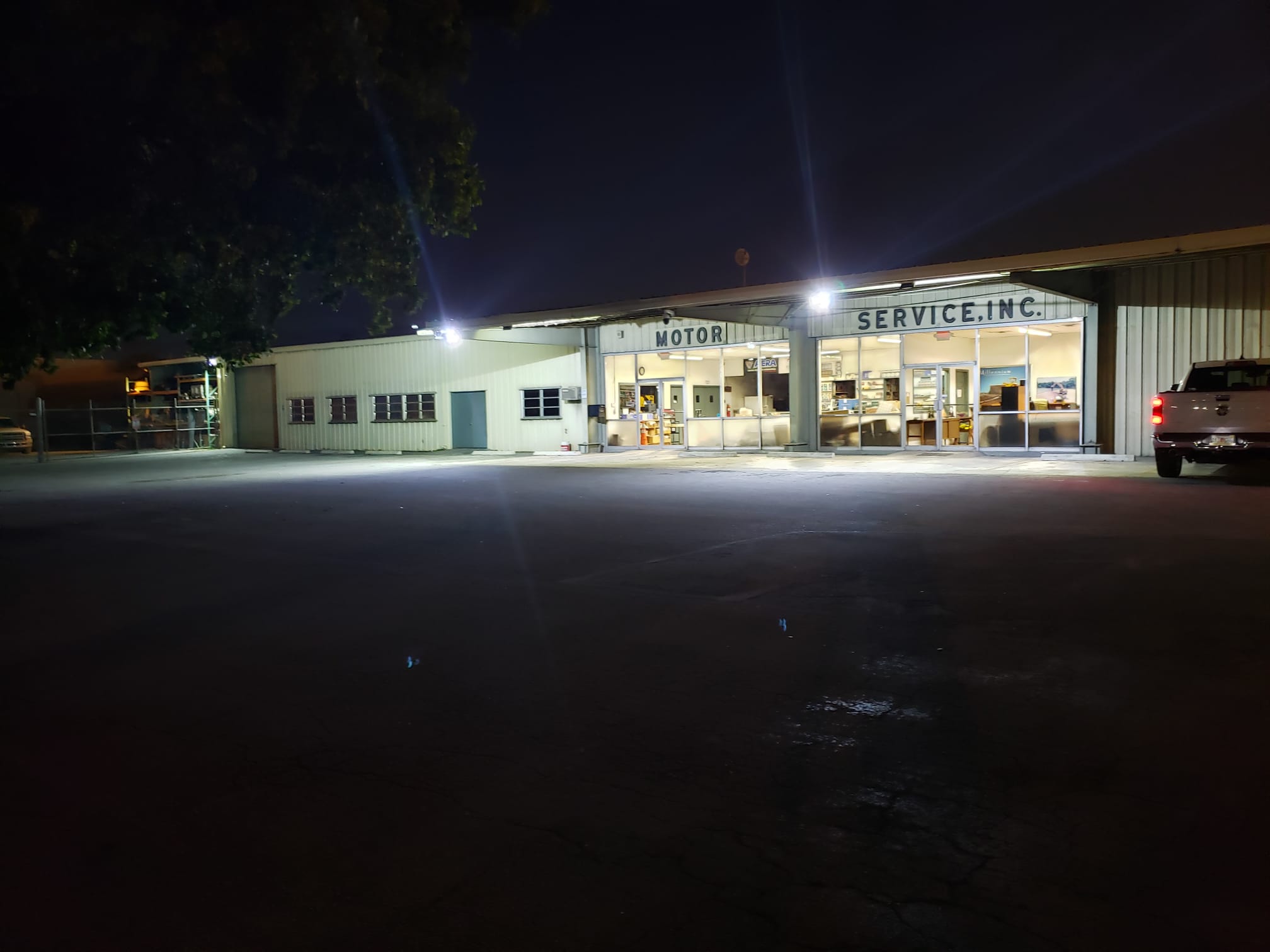
Motor Service Group performs complete diesel engine machine shop work in Miami for fleet operators, marine customers, heavy equipment contractors, and industrial diesel applications across South Florida. Every job goes through the same sequence: intake documentation, disassembly and cleaning, full inspection and measurement, written scope approval, in-house machining, assembly with clearance verification, testing, and final documentation. Customers receive a written scope after teardown and a completed job record with every finished engine.
Serving Fleet, Marine, Heavy Equipment, and Industrial Diesel Customers Across South Florida
Motor Service Group has operated as a dedicated diesel engine specialist in South Florida since 1949, serving Miami-Dade, Broward, and Palm Beach counties with full in-house machining, inspection, and testing on every job.
Quick Answers
How long does a diesel engine machine shop job typically take?
Timeline depends on what the inspection finds. A job with straightforward machining needs moves faster than one requiring crack repair or hard-to-find components. The shop should give you a realistic estimate after teardown, when the actual scope is known.
Should I get a written estimate before approving machine shop work?
Yes. Any shop handling a diesel engine rebuild should provide a written scope after teardown and inspection. Approving work based on a verbal estimate leaves you without documentation if questions arise later.
What should a diesel machine shop tell me after teardown?
Component conditions, root cause of the failure, recommended work, what needs replacement versus repair, timeline, and final cost. If a shop cannot provide all of this after inspection, the inspection was not thorough.
Is in-house machining better than a shop that sends work out?
Yes. In-house machining eliminates handling risk, communication gaps, and subcontractor delays. One team has full visibility over the entire job.
What documentation should I receive when I pick up my engine?
A job record showing what was inspected, measured, machined, replaced, and tested. This documentation is your evidence the work was done correctly and your reference for future service.
Know What to Expect
Motor Service Group performs complete diesel engine machine shop work in Miami with full documentation, written scope approval, and in-house machining on every job.
Contact our team today to discuss your engine and find out what a professional diesel machine shop process actually looks like.