

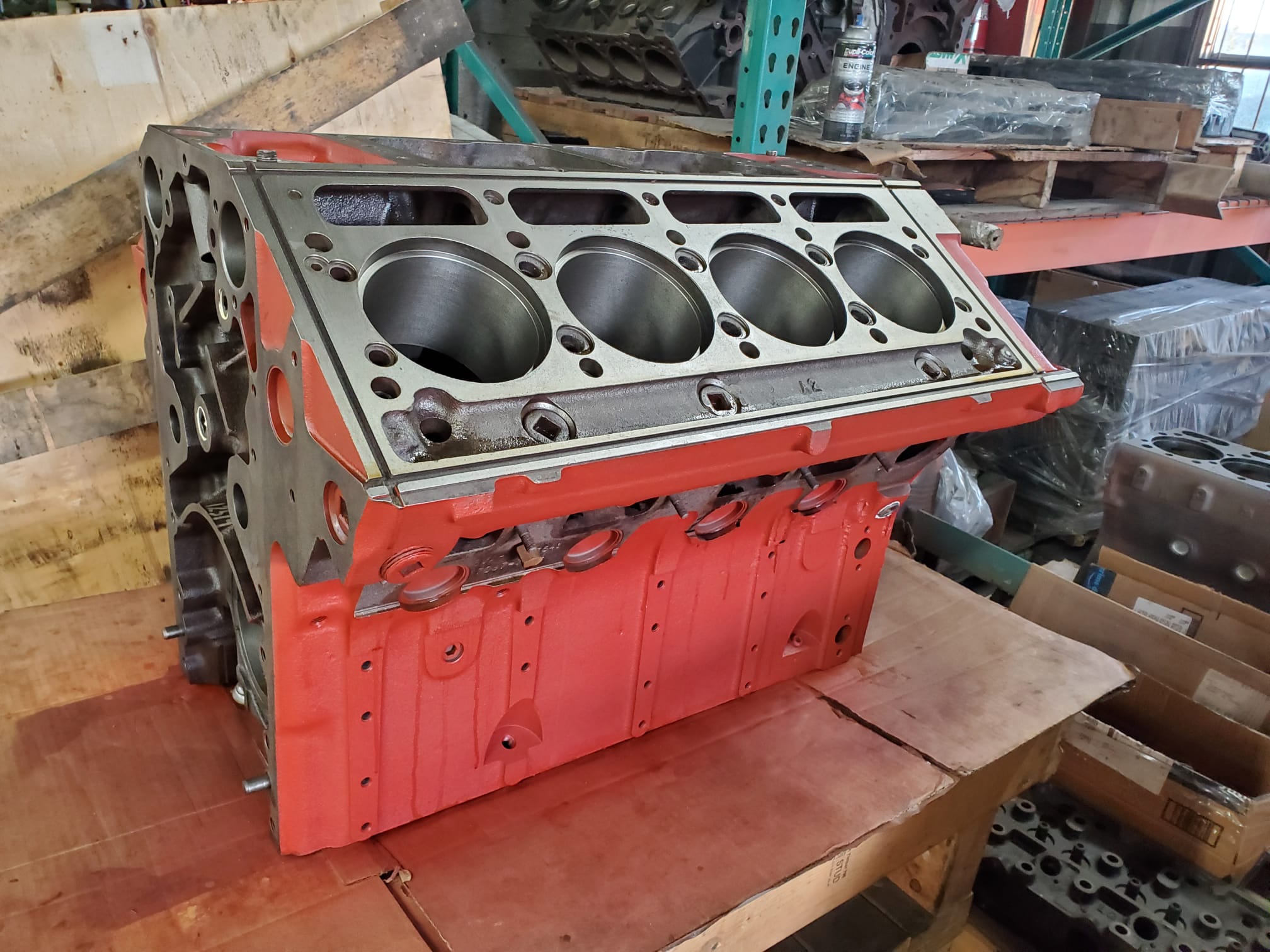
Engine block repair is one of the most important steps in restoring diesel engine reliability. The engine block supports the cylinders, crankshaft, oil passages, coolant passages, main bearings, and sealing surfaces. If it is worn, cracked, warped, or out of alignment, the entire engine can be affected.
For fleets, marine operators, repair shops, contractors, power generation teams, and heavy equipment owners, the engine block is not a component that should be repaired through guesswork. It needs to be cleaned, inspected, measured, and repaired with precision before the engine goes back into service.
That is why engine block machining matters. A proper machine shop process helps restore geometry, sealing, alignment, and long-term durability.
Why Engine Block Repair Is Critical to Diesel Engine Reliability
The engine block is the foundation of the engine. Every major system depends on it being structurally sound and within specification.
A damaged block can affect:
- Compression
- Oil pressure
- Coolant control
- Bearing life
- Piston movement
- Ring sealing
- Head gasket sealing
- Crankshaft alignment
- Overall engine performance
Small problems in the block can turn into major failures if they are ignored. A worn cylinder bore can reduce compression. A warped deck can cause head gasket problems. A misaligned main bore can damage bearings and the crankshaft. A hidden crack can lead to coolant leaks, overheating, or internal contamination.
Professional repair should always begin with inspection, not assumptions.
For broader engine support beyond the block, Motor Service Group also provides diesel engine repair in Miami focused on inspection, machining, testing, and rebuild support.
Common Engine Block Problems That Require Repair
Diesel engine blocks operate under heat, pressure, vibration, and heavy load. Over time, those conditions can create wear or damage that must be corrected before a rebuild is completed.
Cylinder bore wear and scoring
Cylinder bores must maintain proper shape and finish for the pistons and rings to seal correctly. Bore wear, scoring, taper, or out-of-round conditions can cause:
- Low compression
- Blow-by
- Oil consumption
- Poor combustion
- Excessive smoke
- Reduced engine power
If the damage is correctable, boring and honing may restore the cylinder to the proper size and finish.
Cracks in the block
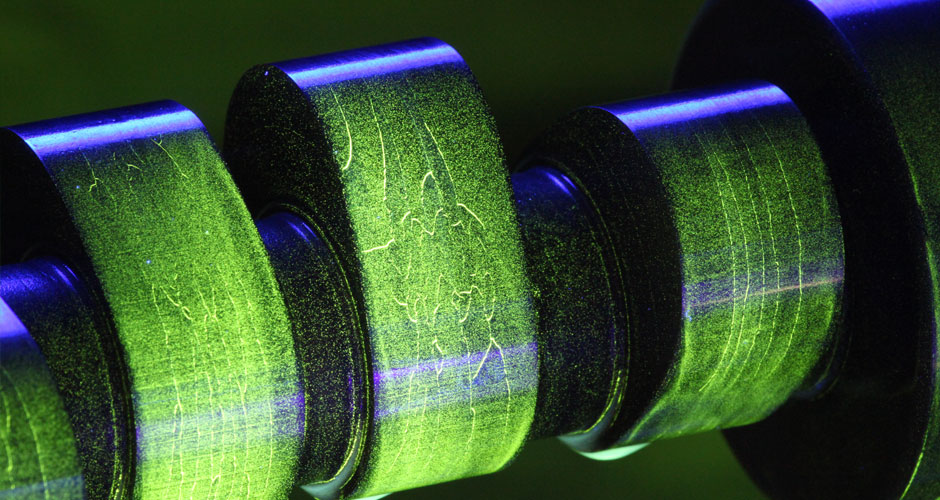
Cracks can appear from overheating, stress, age, freezing, casting fatigue, or heavy-duty operation. Some cracks are visible, but others require testing.
A cracked block can create coolant leaks, oil contamination, pressure loss, or repeated overheating. Whether it can be repaired depends on the crack location, severity, material, and application.
Warped or damaged deck surfaces
The deck surface must seal properly against the cylinder head and head gasket. If the deck is warped, corroded, scratched, or damaged, the engine may suffer from compression leaks, coolant leaks, or head gasket failure.
Deck resurfacing helps restore the correct surface finish and flatness.
Because deck condition and head gasket sealing are closely connected, many rebuild decisions should also include proper cylinder head repair and inspection.
Main bore alignment issues
The main bores support the crankshaft. If they are worn or misaligned, the crankshaft may not rotate properly. This can affect oil clearance, bearing contact, vibration, and crankshaft life.
Align boring or align honing may be needed to restore proper alignment.
Damaged threads, counterbores, and sealing areas
Diesel engine blocks can also suffer from damaged bolt holes, worn counterbores, poor liner seating, corrosion, and damaged sealing surfaces. These issues should be corrected before assembly to help prevent leaks or mechanical problems.
What Professional Engine Block Inspection Should Include
A reliable repair starts with a clear understanding of the block’s condition. Before any machining is performed, the block should be cleaned and measured carefully.
Cleaning before measurement
Oil, carbon, rust, gasket material, and debris can hide cracks, wear, and surface damage. Cleaning helps reveal the true condition of the block and makes accurate inspection possible.
To understand why preparation matters before machining, read more about engine block cleaning before machining.
Checking critical dimensions
A diesel machine shop should inspect the areas that affect fit, sealing, and engine performance. These include:
- Cylinder bore size
- Bore taper and out-of-round
- Deck flatness
- Main bore alignment
- Counterbore condition
- Liner seating areas
- Thread condition
- Sealing surfaces
The purpose of measurement is to determine whether the block can be repaired, machined, sleeved, or replaced.
Testing for cracks and leaks
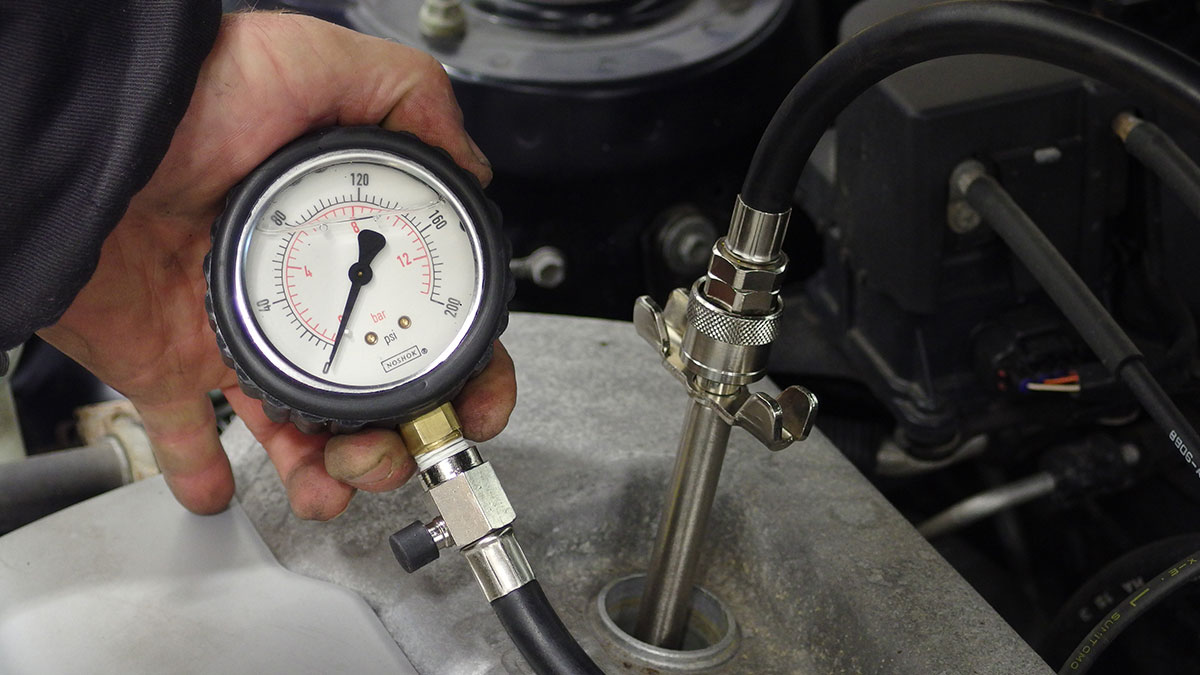
Some block damage cannot be confirmed by sight alone. Pressure testing and crack detection may be needed when overheating, coolant loss, contamination, or structural damage is suspected.
This step helps prevent rebuilding an engine on a weak foundation.
Engine Block Machining Services That Restore Accuracy
Engine block machining is the precision work used to restore critical surfaces, dimensions, and alignment. When performed correctly, it helps the engine seal, rotate, cool, and operate as intended.
Cylinder boring and honing
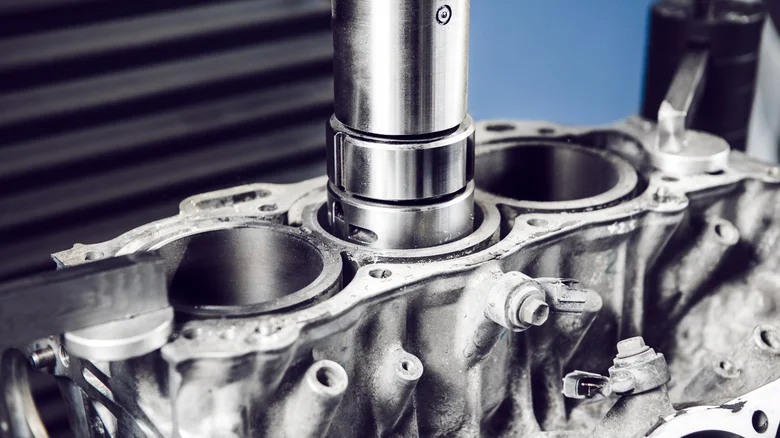
Boring corrects cylinder size and removes damage. Honing creates the final surface finish needed for proper ring seating and oil control.
This process helps restore cylinder geometry, compression, ring seal, piston fit, and oil control.
Engine block sleeving
Sleeving may be needed when a cylinder is too worn, cracked, scored, or oversized to be restored through standard boring. A sleeve gives the cylinder a new surface and helps return the block to usable condition.
Sleeving is often considered when preserving the original block is more practical than replacement.
Deck resurfacing
Deck resurfacing restores the surface where the cylinder head and head gasket seal. This is important after overheating, corrosion, gasket failure, or surface damage.
A proper deck finish helps reduce the risk of coolant leaks, compression loss, and head gasket problems.
Align boring and align honing
Align boring and align honing correct the main bearing housing area. These services help restore crankshaft alignment, bearing support, and oil clearance.
This is especially important after bearing failure, block distortion, or previous poor-quality repair work.
Counterbore cutting and liner seating
In many diesel engines, liner seating and counterbore condition are critical. If the liner does not sit correctly, the engine may develop sealing problems, compression loss, or coolant leaks.
Counterbore cutting helps correct the surface where the liner seats and supports proper liner height.
When Engine Block Repair Is Better Than Replacement
Replacement is not always the best first option. Many engine blocks can be repaired when the damage is measurable and correctable.
Repair may be the right choice when:
- The block structure is still usable
- Cylinder wear can be corrected
- The deck can be resurfaced
- Main bore alignment can be restored
- Sleeving can correct cylinder damage
- The repair cost makes sense for the engine’s value
Replacement may be necessary when the block has severe cracking, major distortion, excessive corrosion, failed previous repairs, or damage beyond specification.
The best decision should be based on inspection. Accurate measurement helps avoid unnecessary replacement and prevents rebuilding an engine on a block that cannot support reliable performance.
Engine Block Repair South Florida: Why Local Machine Shop Support Matters
For South Florida operators, access to local engine block repair can reduce delays and improve repair planning. Fleets, marine businesses, contractors, repair shops, and heavy equipment owners often need fast answers when an engine is down.
Local support helps with:
- Faster inspection
- Easier component drop-off and pickup
- Clearer repair updates
- Better machining decisions
- Practical guidance before rebuilding
Engine block repair in South Florida requires more than a general repair opinion. It requires a machine shop that understands diesel engine components, tolerances, testing, and long-term reliability.
Why Motor Service Group Is Trusted for Engine Block Repair
Motor Service Group is built around precision diesel engine machining, inspection, and repair. The focus is on understanding the real condition of the block before recommending the next step.
Motor Service Group supports:
- Cylinder boring and honing
- Sleeving
- Deck resurfacing
- Align boring and align honing
- Counterbore correction
- Crack detection
- Pressure testing
- Precision inspection
- Complete diesel engine component support
This matters because the engine block affects the entire rebuild. Correct tolerances, clean surfaces, accurate measurements, and proper machining help protect the engine from avoidable failure.
Questions to Ask Before Approving Engine Block Repair
Before approving engine block work, ask:
- Was the block cleaned before inspection?
- Were the cylinder bores measured for taper and out-of-round?
- Was the deck checked for flatness and finish?
- Were the main bores checked for alignment?
- Was the block checked for cracks or leaks?
- Is boring, honing, sleeving, resurfacing, or align boring required?
- Is the block a good candidate for repair, or should it be replaced?
These questions help protect your investment and create a better repair plan.
Engine Block Repair Questions Before You Rebuild
Q. What is engine block repair?
Engine block repair is the process of inspecting, cleaning, testing, machining, and correcting wear or damage in the engine block. It may include boring, honing, sleeving, resurfacing, align boring, crack detection, or pressure testing.
Q. When does an engine block need machining?
An engine block may need machining when it has worn cylinders, bore distortion, deck damage, sealing problems, damaged counterbores, main bore alignment issues, or surface damage that affects engine performance.
Q. Can a cracked engine block be repaired?
Sometimes. It depends on the crack location, severity, block material, and whether the repair can safely restore the block for its intended application.
Q. What is the difference between engine block repair and engine block machining?
Engine block repair is the overall process of correcting damage or wear. Engine block machining is the precision work used to restore surfaces, bores, alignment, and critical tolerances.
Q. Does Motor Service Group provide engine block repair in South Florida?
Yes. Motor Service Group supports Miami and South Florida customers with engine block inspection, machining, testing, and repair services for diesel engines.
Restore the Foundation of Your Diesel Engine
A diesel engine rebuild is only as strong as the block it is built on. If the block is worn, cracked, warped, or misaligned, the engine may return to service with problems still inside.
Contact Motor Service Group today for engine block repair, engine block machining, inspection, sleeving, resurfacing, align boring, and diesel engine component repair built for long-term reliability.