

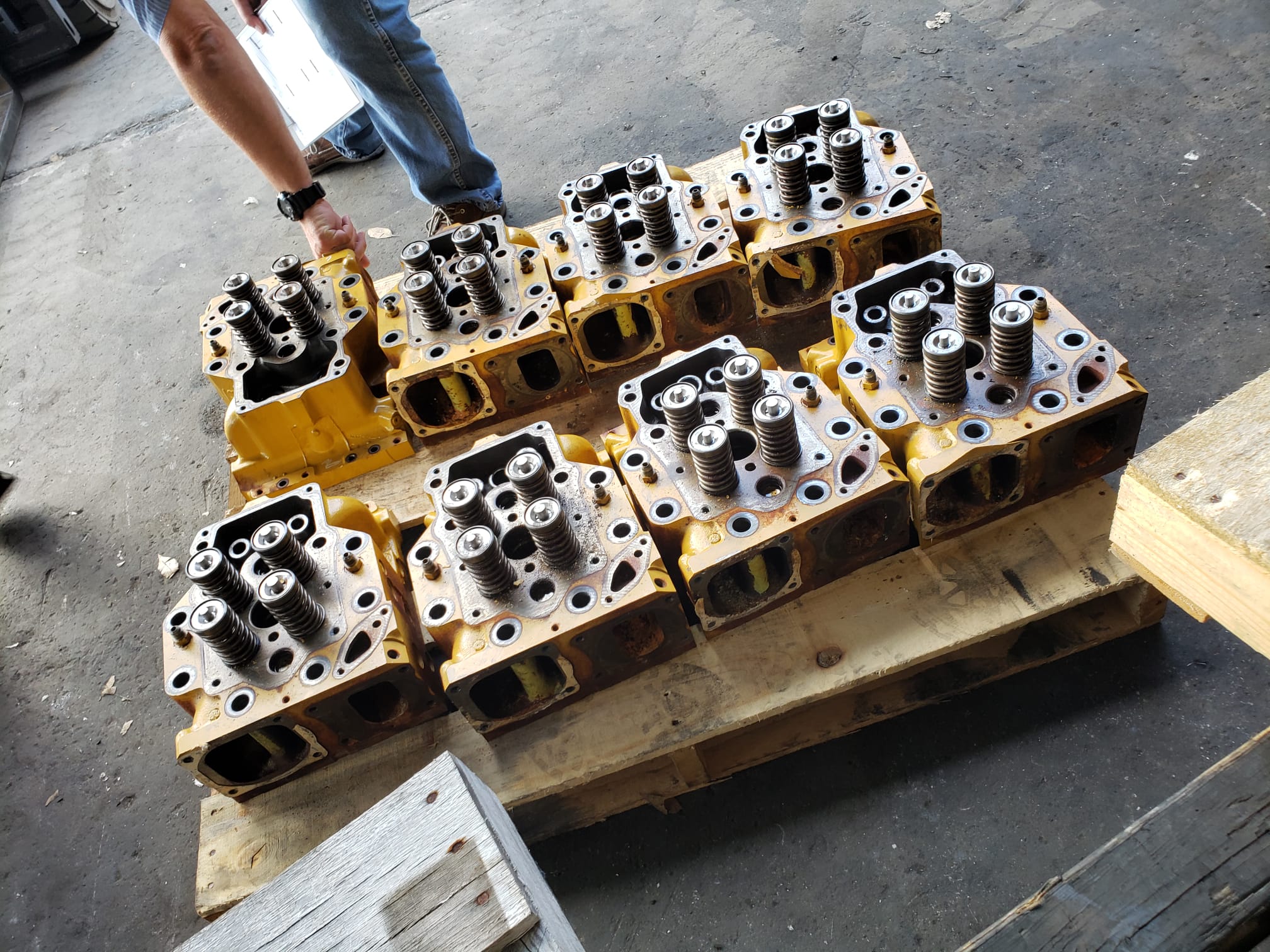
Cylinder head repair is a critical part of restoring diesel engine performance, sealing, and reliability. The cylinder head helps control compression, airflow, combustion sealing, coolant movement, and valve operation. When it is cracked, warped, worn, or leaking, the entire engine can suffer.
For fleets, marine operators, repair shops, contractors, heavy equipment owners, and power generation teams, a cylinder head should not be repaired through guesswork. It needs to be cleaned, inspected, tested, and machined correctly before it returns to service.
A proper repair process helps identify hidden damage, restore sealing surfaces, and correct valve-related wear.
For broader support when cylinder head damage is part of a larger engine issue, review our guide to diesel engine repair.
Why Cylinder Head Repair Matters in Diesel Engine Reliability
The cylinder head works under intense heat, pressure, and load. It seals the combustion chamber, supports the valves, helps control airflow, and manages coolant passages around some of the hottest areas of the engine.
When the cylinder head is damaged, the engine may experience:
- Compression loss
- Coolant leaks
- Overheating
- White smoke
- Rough idle
- Oil and coolant contamination
- Head gasket failure
- Valve sealing problems
A crack can allow coolant to enter the combustion chamber. Worn valve seats or guides can reduce compression and affect combustion quality.
Visual inspection alone is not enough. A cylinder head can look usable but still have internal leaks, cracks, or sealing problems that only appear during proper testing.
Common Signs You May Need Cylinder Head Repair
Diesel engines often show warning signs before a cylinder head problem becomes severe. These symptoms should be inspected carefully.
Overheating or unexplained coolant loss
Overheating can warp the cylinder head, damage gasket surfaces, and create internal cracks. Unexplained coolant loss may point to a leaking coolant passage, injector tube issue, head gasket problem, or internal cylinder head damage.
White smoke, rough idle, or compression loss
White smoke may indicate coolant entering the combustion chamber. Rough idle and compression loss can come from poor valve sealing, worn seats, damaged guides, cracks, or surface distortion.
Oil and coolant contamination
Oil in coolant or coolant in oil is a serious warning sign. It may indicate a failed gasket, cracked head, damaged oil cooler, or internal leak that needs professional inspection.
Repeated head gasket failure
If a head gasket fails more than once, the gasket may not be the main problem. The cylinder head or engine block may have surface damage, warpage, cracks, or incorrect sealing conditions.
If gasket problems continue, the issue may also involve deck surface damage or block distortion, which makes engine block repair an important part of the inspection process.
What Professional Cylinder Head Inspection Should Include
A reliable repair starts with understanding the true condition of the component. Before machining or reassembly, the cylinder head should be cleaned, tested, and measured.
Cleaning before testing or machining
Oil, carbon, rust, coolant residue, and gasket material can hide wear, cracks, and surface damage. Cleaning allows the technician to inspect the head accurately and make better repair decisions.
Checking surface flatness and warpage
The cylinder head surface must seal correctly against the head gasket and engine block. If the surface is warped, scratched, corroded, or uneven, the engine can develop compression leaks, coolant leaks, or gasket failure.
Inspecting valves, seats, guides, and injector areas
The valve system has a major impact on compression, airflow, and combustion. A proper inspection should check valve seat condition, guide clearance, valve sealing, injector tube condition, injector bore condition, combustion chamber wear, and surface damage around sealing areas.
If these areas are ignored, the engine may still perform poorly after repair.
Checking for cracks and hidden defects
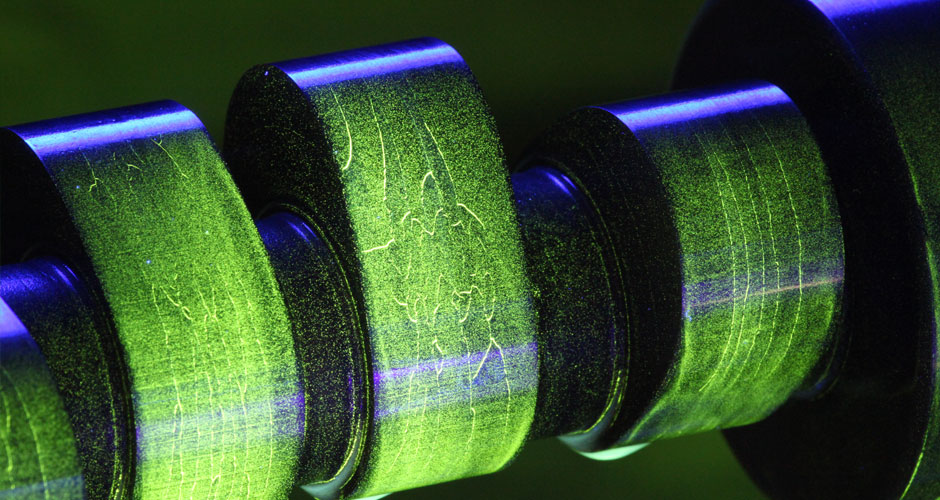
Some defects are not visible from the outside. Crack detection and pressure testing help identify damage that could cause leaks, overheating, or engine failure after assembly.
Cylinder Head Pressure Testing: Why It Matters Before Machining
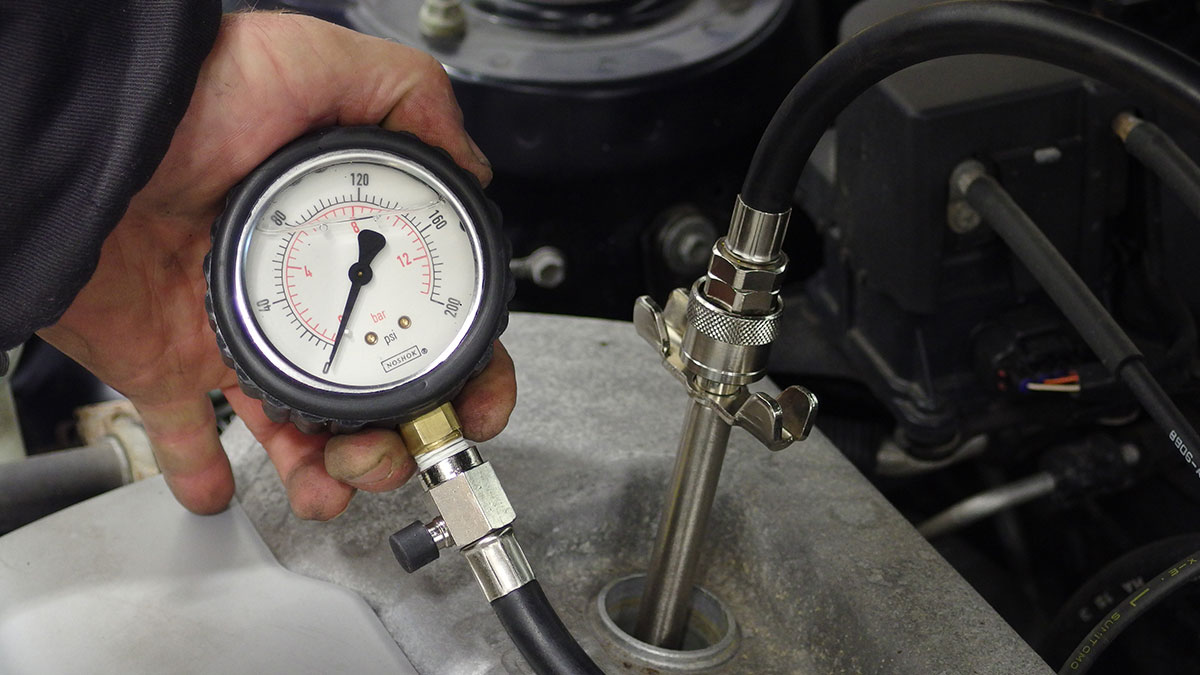
Cylinder head pressure testing helps detect internal leaks that visual inspection may miss. It can identify coolant leaks, water jacket cracks, casting defects, injector tube leaks, coolant passage problems, and hidden damage from overheating.
A head may look clean and usable but still fail under pressure. Testing helps confirm whether the component is a good candidate for repair before money is spent on resurfacing or valve work.
For a deeper look at leak detection, read our guide on pressure testing cylinder heads.
Pressure testing should be considered after overheating, unexplained coolant loss, white smoke, coolant contamination, head gasket failure, or previous cylinder head problems.
Cylinder Head Machining Services That Restore Performance
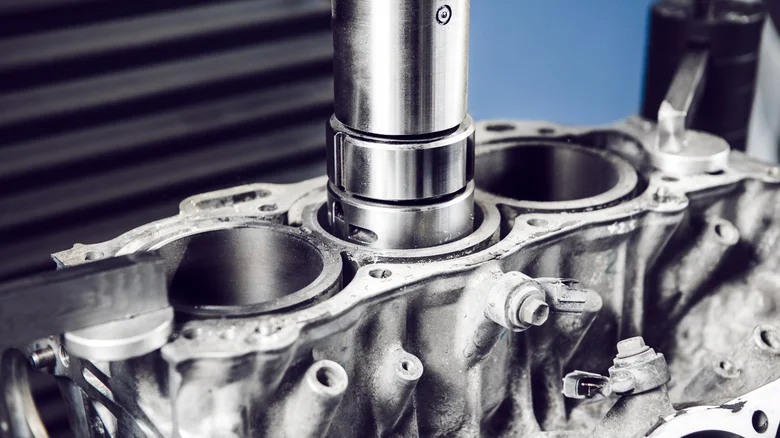
Cylinder head machining restores critical surfaces and valve-related areas so the head can seal and operate properly.
Resurfacing for proper head gasket sealing
Resurfacing corrects surface damage and helps restore flatness and finish. This is important for head gasket sealing, compression control, and coolant sealing.
Valve seat repair and cutting
Valve seats must seal correctly to maintain compression and combustion efficiency. Worn, pitted, or damaged seats can cause compression loss, rough running, and reduced performance.
Valve guide repair and replacement
Worn valve guides can contribute to oil consumption, smoke, poor valve control, and uneven wear. Guide repair or replacement helps improve valve movement and long-term reliability.
Injector tube and bore service
Diesel cylinder heads often rely on proper injector sealing and alignment. Damaged injector tubes, worn bores, or sealing issues can lead to leaks, combustion problems, or coolant contamination.
Final measurement before assembly
Before the head returns to service, flatness, valve fit, guide clearance, seat condition, and sealing areas should be verified against proper tolerances.
When Cylinder Head Repair Is Better Than Replacement
Replacement is not always the right first choice. Many cylinder heads can be repaired when the casting is structurally sound and the damage is correctable.
Repair may be the better option when:
- The head passes pressure testing
- Cracks are not present or are repairable
- Warpage can be corrected
- Valve seats and guides can be restored
- Injector areas can be serviced
- The repair cost makes sense for the engine’s value
Replacement may be necessary when the head has severe cracking, excessive warpage, heavy corrosion, failed previous repairs, or damage beyond safe specifications.
The decision should be based on inspection results, not assumptions.
Cylinder Head Repair South Florida: Why Local Machine Shop Support Matters
For South Florida operators, local cylinder head repair support can help reduce delays and improve repair planning. Fleets, marine businesses, contractors, repair shops, heavy equipment owners, and industrial customers often need fast answers when an engine is down.
Local support helps with faster inspection, easier component drop-off and pickup, clearer repair updates, better testing and machining decisions, and practical guidance before rebuilding.
Cylinder head repair in South Florida requires more than a general repair opinion. It requires a machine shop that understands diesel engine components, sealing surfaces, pressure testing, machining, and long-term reliability.
Why Motor Service Group Is Trusted for Cylinder Head Repair
Motor Service Group is built around precision diesel engine machining, inspection, and repair. The focus is on identifying the true condition of the component before recommending repair, machining, or replacement.
Motor Service Group supports cylinder head repair, cylinder head pressure testing, resurfacing, valve seat repair, valve guide repair, injector tube service, crack detection, precision inspection, engine block machining, crankshaft grinding, and complete diesel engine component support.
This matters because diesel cylinder heads need accurate testing, correct tolerances, clean surfaces, and repair decisions based on evidence.
Questions to Ask Before Approving Cylinder Head Repair
Before approving cylinder head work, ask:
- Was the cylinder head cleaned before inspection?
- Was cylinder head pressure testing performed?
- Was the deck surface checked for flatness and finish?
- Were the valves, seats, guides, and injector areas inspected?
- Was the head checked for cracks or hidden leaks?
- Is resurfacing, valve work, guide repair, or injector tube service needed?
- Is the head a good candidate for repair, or should it be replaced?
These questions help protect your repair budget.
Cylinder Head Repair Questions Before Reassembly
Q. What is cylinder head repair?
Cylinder head repair is the process of cleaning, inspecting, testing, machining, and correcting wear or damage in the cylinder head. It may include resurfacing, valve work, guide repair, pressure testing, crack detection, and injector tube service.
Q. What does cylinder head pressure testing detect?
Cylinder head pressure testing helps detect internal coolant leaks, water jacket cracks, casting defects, injector tube leaks, and hidden defects that visual inspection may miss.
Q. Can a cracked cylinder head be repaired?
Sometimes. It depends on the crack location, severity, material, and whether the repair can safely restore the head for its intended application.
Q. When does a cylinder head need resurfacing?
A cylinder head may need resurfacing when it is warped, scratched, corroded, or unable to seal properly against the head gasket and engine block.
Q. Does Motor Service Group provide cylinder head repair in South Florida?
Yes. Motor Service Group supports Miami and South Florida customers with cylinder head inspection, pressure testing, machining, and diesel engine component repair.
Protect Compression, Sealing, and Engine Reliability
A diesel engine is only as reliable as the components inside it. If the cylinder head is cracked, warped, leaking, or worn, the engine may return to service with the same problems still present.
Contact Motor Service Group today for cylinder head repair, cylinder head pressure testing, resurfacing, valve work, injector tube service, and diesel engine component repair built for long-term reliability.