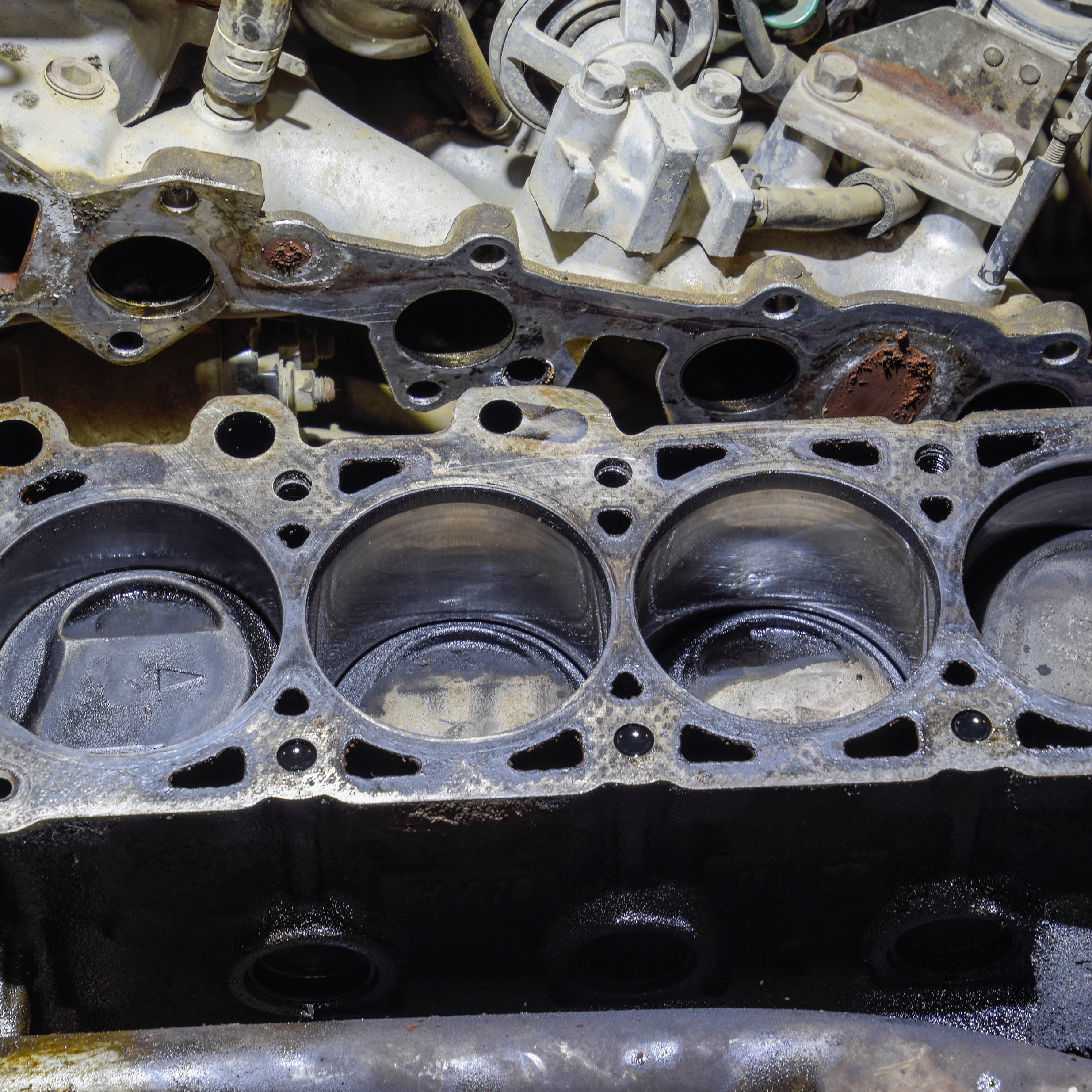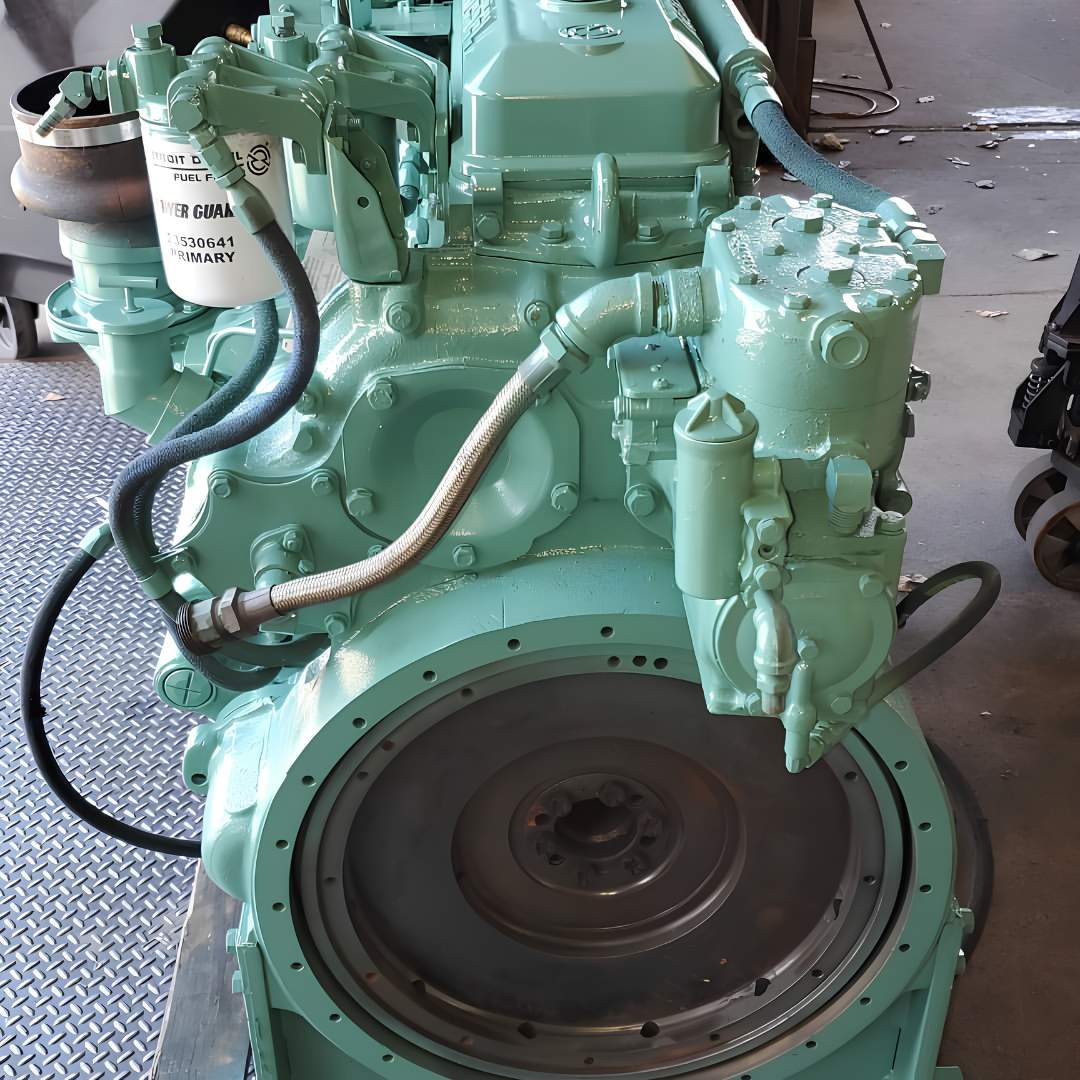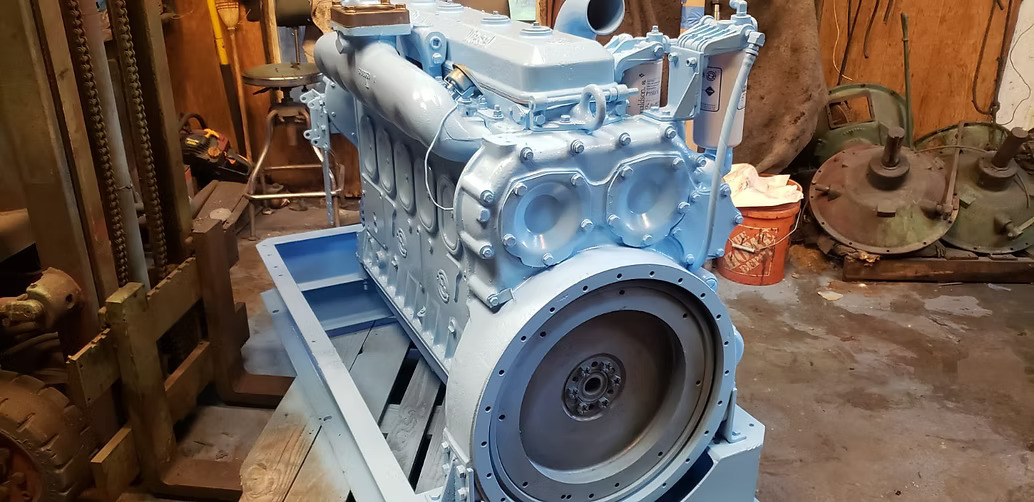


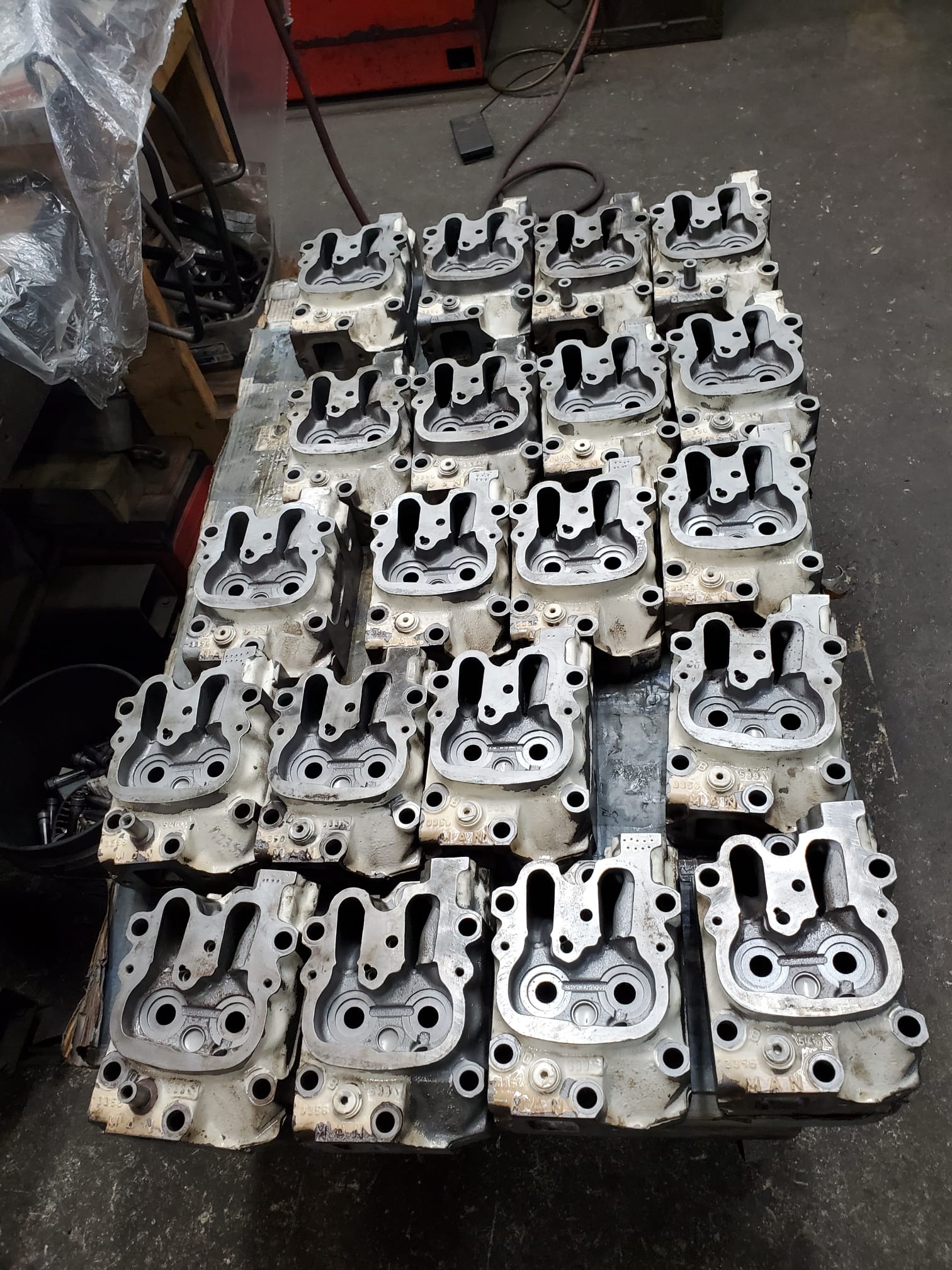
A cylinder head that comes back after repair is not bad luck. It is the result of something specific that was skipped, done out of sequence, or not verified before the component went back into the engine. Repeat failures have root causes, and those causes are almost always traceable to one of a handful of process gaps.
This post covers the most common reasons cylinder head repairs fail, what each failure mode looks like after the engine returns to service, and what a complete job requires to prevent the same component from coming back a second time.
Why Cylinder Head Repairs Fail After the Job Is Done
The Difference Between a Repair That Holds and One That Does Not
A repair that holds has been fully disassembled, cleaned, inspected at every stage, machined to specification, tested before assembly, and reassembled with the correct procedures and torque values. A repair that does not hold has at least one of those steps missing or performed incorrectly. Both look the same when the work leaves the shop. The difference only shows up after the engine runs.
What Repeat Failures Actually Cost Compared to Getting It Right the First Time
A second teardown costs labor, downtime, and in many cases the replacement of components that were acceptable the first time but damaged when the failure occurred again. For marine operators, fleet managers, and heavy equipment customers, that second teardown is not just a repair expense. It is a lost operational period that could have been avoided.
Root Cause One: Incomplete Crack Detection
Why a Single Magnaflux Pass Is Not Enough
Crack detection should happen at three points in a complete job: after initial cleaning and before machining, after any welding or repair work, and after final machining is complete. A shop that runs a single pass before machining has covered one of three required checkpoints.
Machining removes material from the casting. That process can expose subsurface cracks that were not visible before material was removed. A component that cleared the first pass can reveal a new indication after resurfacing. If no one tests again at that stage, the defect goes into a rebuilt engine.
Cylinder Head Crack Repair in South Florida: What a Complete Detection Process Looks Like
Welding and heat repair introduce stress into the casting. New cracks can form adjacent to a weld that did not exist before the work. A shop that tests before repair and not after has a gap that allows post-repair defects to pass undetected. A complete process tests before machining, after any heat work, and after final machining. Aluminum components require dye penetrant testing rather than magnaflux, which only works on ferrous metals.
If you want to learn more about which components shops most commonly miss during magnaflux testing, check out our guide on the components shops forget to test during magnaflux crack detection.
Root Cause Two: Skipped or Inadequate Pressure Testing
What Pressure Testing Confirms That Crack Detection Cannot
Magnaflux identifies surface and near-surface flaws in ferrous metal. It does not confirm whether a coolant passage holds pressure or whether a repaired area is actually sealed. Pressure testing applies controlled air or fluid pressure to the cooling passages and reveals any leak that crack detection cannot find. The two tests address different failure modes and both are required.
If you want to learn more about how pressure testing works on diesel engine components and what it confirms, check out our guide on diesel engine pressure testing and what it verifies before reassembly.
What Happens When a Compromised Head Gets Installed
A leaking coolant passage will develop the same leak under operating conditions, usually faster because operating temperatures and pressures exceed test conditions. Coolant enters the combustion chamber, combustion gases enter the cooling system, and the engine develops the same symptoms that brought it in the first time. The only difference is that it took another full operating cycle to surface.
Root Cause Three: Incorrect Valve Seat Work
Why Valve Seat Angles and Contact Width Matter
A valve seals against its seat by contact across a specific width at a specific angle. If the seat is cut too wide, contact pressure is spread over a larger area and the seal is weaker. If the angle is incorrect, the valve and seat do not make full contact. Either condition allows combustion pressure to escape, which creates heat, accelerates wear, and eventually leads to seat recession or valve failure.
What Incorrect Seat Work Produces After the Engine Returns to Service
A valve that does not seal correctly allows hot combustion gases to pass the contact area during the exhaust stroke. That heat load damages both the valve and the seat progressively. The engine develops low compression in the affected cylinder, then rough running, then the component has to come off again. The original machining created the condition. Time revealed it.
Root Cause Four: Injector Tube and Coolant Passage Failures
Why Injector Tubes Are the Most Commonly Skipped Step
Injector tubes seal the fuel injector from the water jacket. When they fail, coolant enters the injector bore or combustion chamber. Because the tubes are removed during disassembly anyway, replacing them as part of the service is the correct time to do it. A shop that defers this step sends a known failure mode back into the engine.
A component with correct valve work, clean crack detection results, and a successful pressure test can still fail if the injector tubes were not replaced. The leak develops in a location that was not part of the original repair, and the work has to come apart again at a cost that exceeds what the tube replacement would have been the first time.
Root Cause Five: Reassembly and Torque Errors
Why the Final Assembly Stage Is Where Good Machining Gets Undone
A component that has been correctly cleaned, tested, and machined can still fail if assembly is not done correctly. Bolts must be torqued in the correct sequence and to the correct values for the specific engine. Out-of-sequence torquing creates uneven clamping force across the deck surface, which distorts the gasket seal and leads to coolant or combustion gas leaks.
A freshly resurfaced deck is flat to specification when it leaves the machine. If bolts pull it unevenly during assembly, that flatness is compromised before the engine runs a single hour. The resulting leak looks like a gasket failure. The actual cause is an assembly error that no amount of better gasket material will correct on the second attempt.
If you want to learn more about what a professional machine shop process looks like from drop-off to final assembly, check out our guide on what happens after you drop off the engine at a diesel machine shop.
Diesel Cylinder Head Services in Miami: What a Complete Job Actually Requires
The Non-Negotiable Steps That Prevent a Head From Coming Back
A repair that does not come back includes:
- Three-stage crack detection: before machining, after repair work, after final machining
- Pressure testing of all cooling passages before reassembly
- Valve seat cutting and valve grinding verified for contact angle and width
- Injector tube replacement during every service
- Bolt torquing in the correct sequence and to specification for the engine platform
- Final documentation of every step performed
Any of these steps deferred or skipped creates a known failure mode. None are optional on a job expected to hold.
What to Ask a Shop Before You Approve the Job
Before approving a cylinder head repair, ask directly: how many times do you run crack detection, do you pressure test before reassembly, and do you replace injector tubes as a standard step. The answers tell you whether the shop runs a complete process or a shortened one.
How Motor Service Group Approaches Cylinder Head Repair in Miami
In-House Testing, Machining, and Verification Since 1949
Motor Service Group has performed diesel cylinder head repair in Miami since 1949. Every job goes through three-stage crack detection, pressure testing before reassembly, complete valve seat and face work, injector tube replacement, and final torque verification. The process does not change based on urgency or engine age. Every component gets the same complete sequence.
Serving Marine, Fleet, Heavy Equipment, and Industrial Diesel Customers Across South Florida
The shop serves marine operators, commercial fleet customers, heavy equipment contractors, and industrial diesel applications across Miami-Dade, Broward, and Palm Beach counties. Every finished component leaves with documentation of what was found, what was done, and what was tested.
Quick Answers
Why does a repaired cylinder head come back with the same problem?
Most repeat failures trace to incomplete crack detection, skipped pressure testing, incorrect valve seat work, deferred injector tube replacement, or assembly errors. Any one of these gaps becomes a failure mode after the engine returns to service.
How many times should magnaflux testing be done during a cylinder head repair?
Three times: before machining, after any welding or repair work, and after final machining. A single pass misses defects that machining exposes and repair work can introduce.
Should injector tubes be replaced during every cylinder head service?
Yes. Because the tubes come out during disassembly anyway, replacing them during the original job costs far less than a second teardown when a tube fails in service.
What causes a head gasket to fail after a cylinder head repair?
Incorrect torque sequence or values during reassembly, which creates uneven clamping force across the deck and compromises the seal before the engine runs.
Does Motor Service Group replace injector tubes as a standard step?
Yes. Tube replacement is part of every cylinder head service at Motor Service Group, regardless of the apparent condition of the existing tubes.
Get It Done Right the First Time
Motor Service Group performs complete diesel cylinder head repair in Miami with three-stage crack detection, pressure testing, full valve work, and documented results on every job.
Contact our team today to discuss your cylinder head and make sure it does not have to come back.