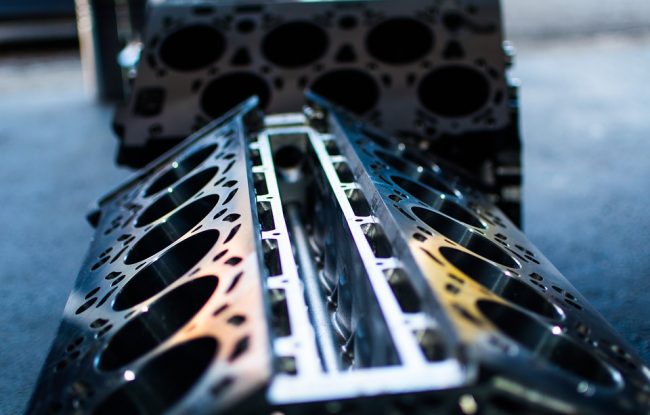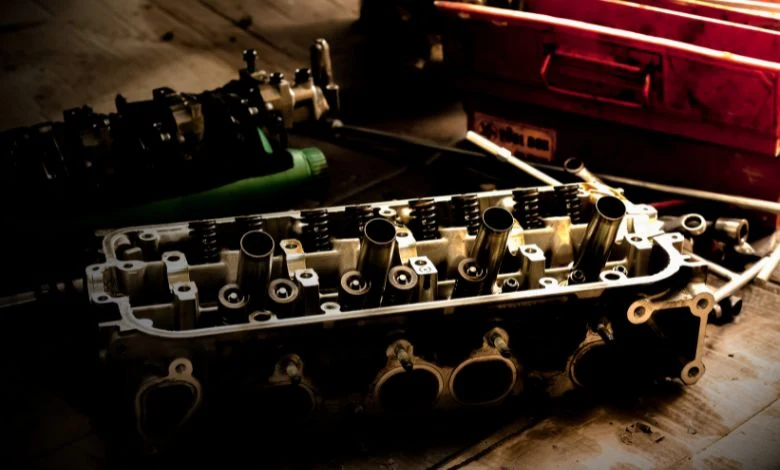


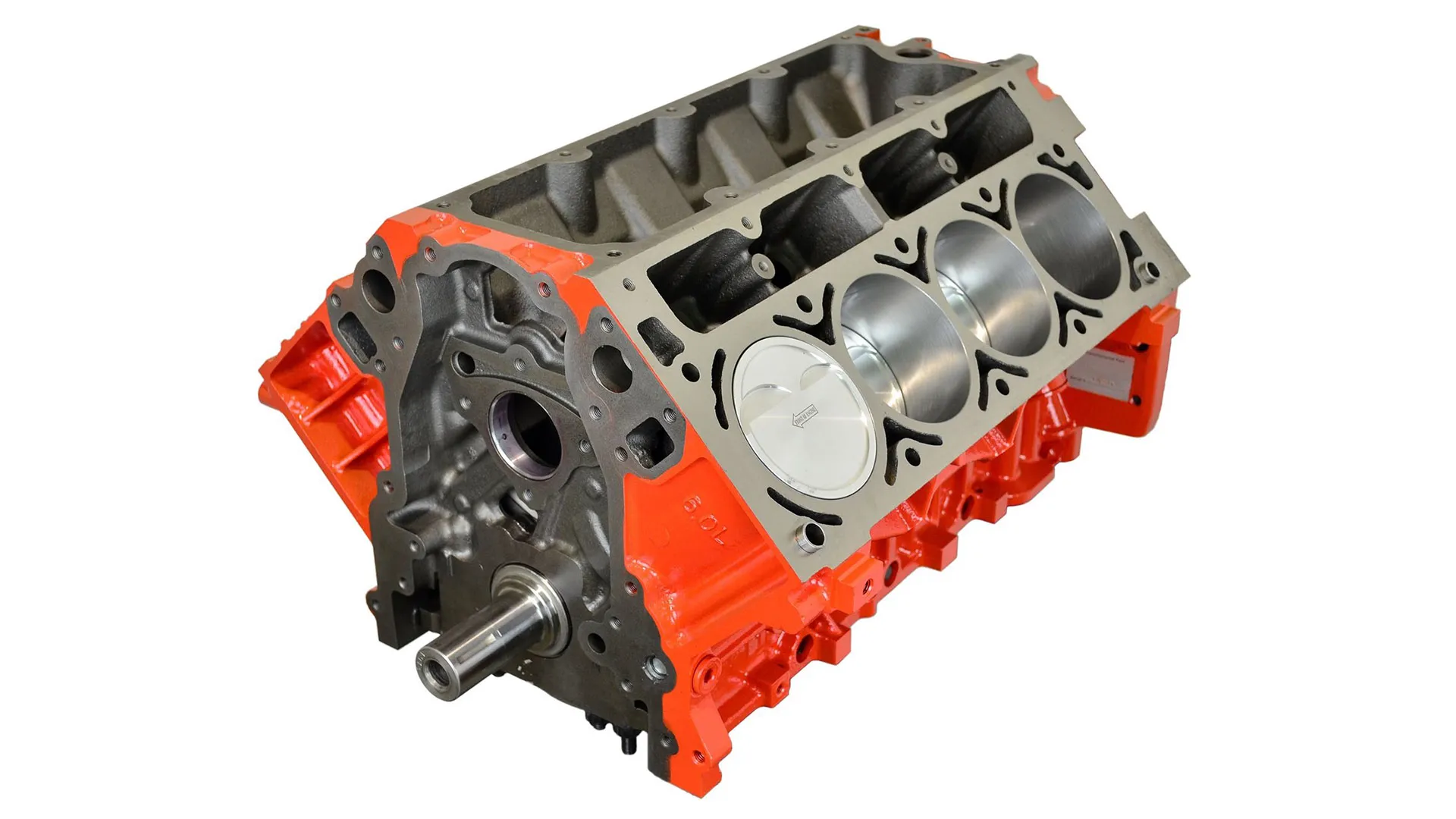
An engine block is the main structure of an engine: a single heavy casting that holds the cylinders, supports the crankshaft, and carries the passages for coolant and oil. Every other part of the engine bolts to it or runs inside it. When people talk about a “short block” or “long block,” they are describing how many of those parts come already installed on the block.
If you own a truck, boat, generator or piece of heavy equipment, understanding these terms helps you compare quotes, decide between rebuilding and replacing, and know exactly what you are paying for. Here is a clear explanation from a Miami diesel machine shop that has been machining blocks since 1949.
What Does an Engine Block Do?
The block has four jobs:
- Contain combustion. The cylinders are where the pistons move and fuel burns. The cylinder walls must stay round and straight under heat and pressure.
- Support the rotating assembly. The crankshaft spins in main bearings held by the block’s main bearing saddles and caps.
- Manage heat. Water jackets around the cylinders carry coolant that removes heat.
- Deliver oil. Drilled oil galleries feed pressurized oil to the crankshaft, camshaft and other moving parts.
Because the block is the foundation for everything else, its dimensions must be precise. Even small errors in bore size, deck flatness or main bearing alignment shorten the life of a rebuilt engine.
Parts of an Engine Block
| Part | What it does |
|---|---|
| Cylinder bores | Where the pistons travel; may be machined into the block or fitted with liners (sleeves) |
| Deck | The flat top surface the cylinder head bolts to |
| Main bearing saddles and caps | Hold the crankshaft in line |
| Water jackets | Coolant passages around the cylinders |
| Oil galleries | Drilled passages that carry oil under pressure |
| Cam bore / lifter bores | On many diesels the camshaft runs in the block |
| Mounting faces | Where the oil pan, timing cover, flywheel housing and accessories attach |
Cast Iron vs Aluminum Blocks
Most gasoline car engines today use aluminum blocks to save weight, usually with iron cylinder liners. Most diesel engines — from a Cummins in a pickup to a Caterpillar in a yacht — use cast iron or compacted graphite iron (CGI). Diesels run much higher cylinder pressure, and iron resists distortion, wear and fatigue better over thousands of hours.
The material also changes how a block is repaired. Cast iron can be checked with Magnaflux and repaired by metal stitching; aluminum needs dye penetrant testing and is usually TIG welded. If you want to know how damaged blocks are saved, see our guide on whether a cracked engine block can be fixed.
Parent Bore, Wet Sleeve and Dry Sleeve Blocks
Diesel blocks are built in three main ways:
- Parent bore — the cylinder is machined directly into the block. Worn bores are bored oversize or sleeved.
- Dry sleeve — a thin liner is pressed into the block; coolant never touches it.
- Wet sleeve — the liner forms the cylinder wall and coolant flows directly around it. Common on heavy-duty diesels because liners can be replaced without major block machining.
Our article on engine block boring vs honing explains how cylinders are restored on parent-bore blocks.
What Is a Bare Block?
A bare block is just the casting — no crankshaft, pistons or bearings. Machine shops work on bare blocks during a rebuild: cleaning, crack testing, decking, line boring and boring cylinders. You might buy a bare block when the original is cracked beyond repair and every other part is reusable.
What Is a Short Block?
A short block is the block plus the rotating assembly — sometimes called the “bottom end.” It typically includes:
- Engine block
- Crankshaft and main bearings
- Connecting rods and rod bearings
- Pistons, rings and wrist pins
- Sometimes the camshaft and timing gears (on in-block cam diesels)
A short block does not include the cylinder head, valvetrain, oil pan, manifolds or fuel system. It makes sense when the bottom end is damaged — a spun bearing, broken rod or scored cylinders — but your cylinder head is in good condition or will be rebuilt separately.
What Is a Long Block?
A long block is a short block with the cylinder head(s) and valvetrain installed: valves, springs, rocker arms, and on overhead-cam engines the camshaft. Many long blocks also include the oil pan, timing cover and valve covers. You still transfer the intake, exhaust, turbocharger, fuel system, sensors and accessories from your old engine.
A long block costs more up front, but it saves labor and removes the risk of pairing a fresh bottom end with a worn head.
What Is a Complete Engine?
A complete engine (sometimes called a “drop-in” or, for gasoline engines, a crate engine) adds most or all external parts: manifolds, fuel system, water pump, and sometimes the turbo and wiring. It is the fastest option for getting a machine back to work, and usually the most expensive.
Short Block vs Long Block vs Complete Engine
| Short block | Long block | Complete engine | |
|---|---|---|---|
| Block, crank, rods, pistons | Yes | Yes | Yes |
| Cylinder head and valvetrain | No | Yes | Yes |
| Oil pan, covers | Sometimes | Usually | Yes |
| Manifolds, fuel system, accessories | No | No | Mostly |
| Upfront cost | Lowest | Medium | Highest |
| Installation labor | Highest | Medium | Lowest |
| Best when | Only the bottom end is damaged | Head and bottom end both worn | Downtime is the biggest cost |
Which should you choose? If your cylinder head has passed a crack test and pressure test, a short block or an in-house rebuild of your own block is usually the best value. If both the head and bottom end are worn, a long block or complete rebuild avoids paying twice for labor. For fleets and marine operators where downtime is expensive, a complete engine or a fast machine-shop turnaround on your own core is often worth the higher price.
Is a Long Block the Same as a Big Block?
No. “Short block” and “long block” describe what parts are included. “Small block” and “big block” describe the physical size and displacement of an engine family, most often in American V8 gasoline engines. A big-block engine can be sold as a short block, and a small-block engine can be sold as a long block.
Rebuilding Your Own Block vs Buying a Replacement
Rebuilding your original block keeps the engine’s serial number and matching parts, and on many heavy-duty and marine diesels it is quicker than waiting for a replacement. A typical block rebuild at our shop includes:
- Hot-tank cleaning and crack detection
- Pressure testing the water jackets
- Decking the top surface flat
- Line boring or align honing the main bores
- Boring, honing or sleeving cylinders
- Measuring and reconditioning the crankshaft and connecting rods
Learn what goes into a full diesel block job in engine block machining for diesel engines, or see our complete engine rebuilding service in Miami.
Get Expert Help With Your Engine Block
Whether you need a bare block machined, a short block assembled, or advice on rebuild vs replace, Motor Service Group works on Caterpillar, Cummins, Detroit Diesel and other engines for customers throughout South Florida, including Miami Lakes and Sweetwater. Visit our engine block services page, check the brands we service, or get a free estimate.
Frequently Asked Questions
What is an engine block in simple terms?
An engine block is the main metal casting of an engine. It contains the cylinders, holds the crankshaft, and has passages for coolant and oil. All other engine parts attach to it.
What is the difference between a short block and a long block?
A short block is the engine block with the crankshaft, connecting rods and pistons installed. A long block adds the cylinder head and valvetrain. Neither includes the intake, exhaust or fuel system.
Is a long block better than a short block?
Not always. A long block is better when the cylinder head is also worn or damaged. If your head is in good condition, a short block usually costs less overall.
What is a bare engine block?
A bare block is the block casting with no internal parts installed. It is used when the original block is damaged but the crankshaft, rods and head are reusable.
Why are diesel engine blocks made of cast iron?
Diesel engines run much higher cylinder pressures than gasoline engines. Cast iron and compacted graphite iron resist distortion and wear better, which helps diesels last for many thousands of hours.
Can an engine block be rebuilt?
Yes. A machine shop can clean, crack-test, deck, line bore, bore or sleeve, and hone a block so it can be reused with new pistons, rings and bearings, as long as it passes inspection.