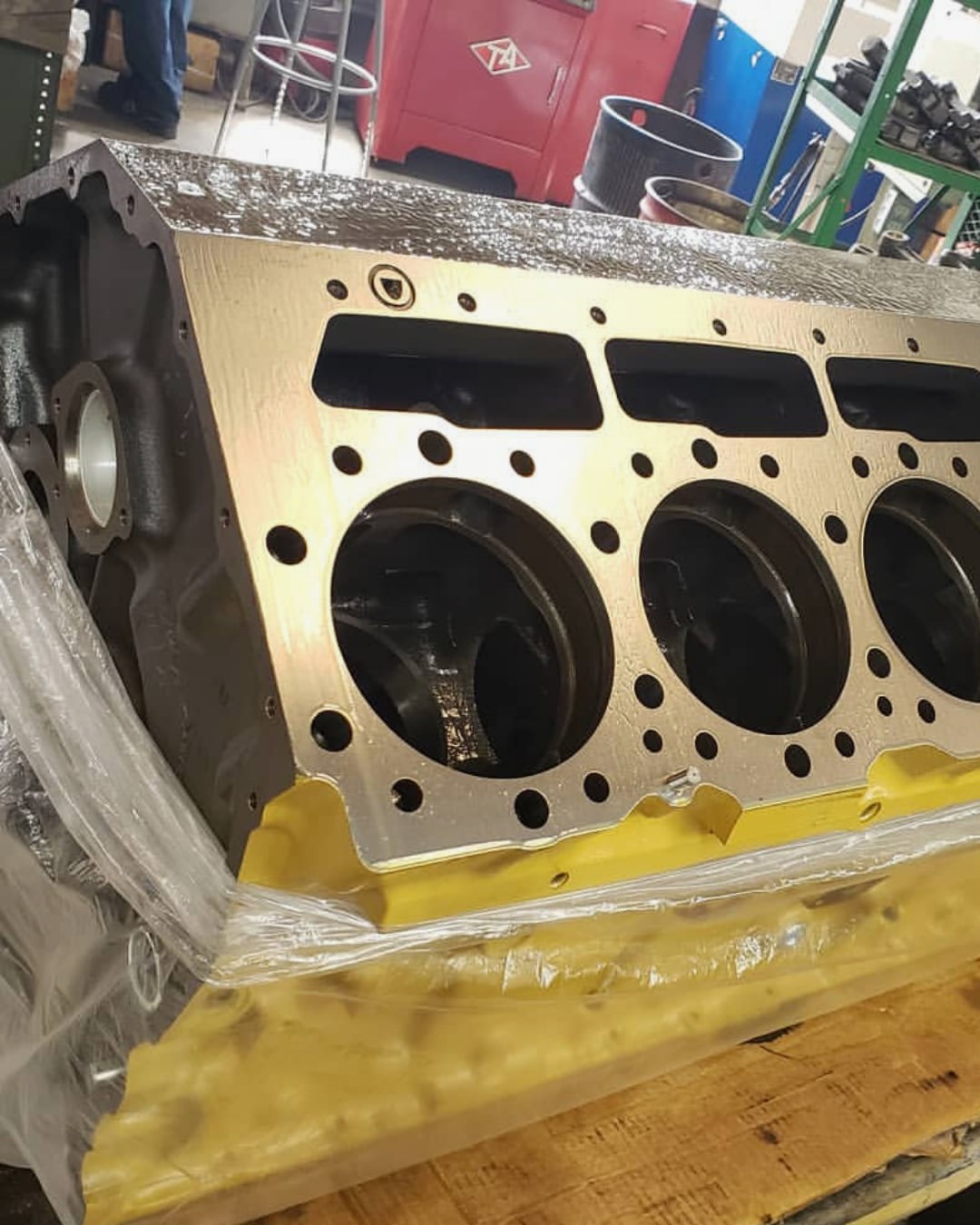



A shop pulls the head gasket, replaces it, buttons the engine back up, and two weeks later the same coolant loss shows up again. The gasket was not the problem. On many diesel platforms, coolant that shows up in a cylinder, the crankcase, or the exhaust is coming from a failed injector tube, not a blown gasket or a cracked head. Diesel injector tube replacement is a precise, in-house repair, and getting it right the first time depends on diagnosing the actual source before anything gets reassembled.
What a Diesel Injector Tube Actually Is
How the Injector Tube Seals Against the Cooling Jacket
On engines like the Detroit Diesel Series 60, Volvo D11 and D13, and several Duramax and Navistar platforms, each injector sits inside a machined tube, also called a sleeve or a cup, pressed into the cylinder head. That tube isolates the injector from the coolant jacket surrounding it, sealed by one or two O-rings at the tip. When those O-rings age, harden, or lose their seat, coolant finds a path straight into the cylinder or down into the crankcase.
If you want to learn more about how we handle the full cylinder head repair process, check out our guide on cylinder head repair in Miami.
Why a Failed Tube Looks Like a Head Gasket or Cracked Head Problem
Coolant entering a cylinder produces the same symptoms a head gasket failure does: white exhaust smoke, coolant loss with no visible external leak, and coolant mixing into the oil. Without isolating the actual source first, it is easy to replace a perfectly good head gasket and never touch the part that is actually failing.
Injector Tube Coolant Leak: How It Actually Shows Up
Coolant Loss, White Smoke, and Fuel and Coolant Cross-Contamination
An injector tube coolant leak typically shows up as one or more of the following:
- Steady coolant loss with no puddle, hose failure, or external leak anywhere on the engine
- White or sweet-smelling smoke from the exhaust, especially on startup
- Milky or discolored engine oil from coolant intrusion
- A rough idle or misfire isolated to one cylinder
- Fuel showing up in the coolant, or coolant showing up in the fuel system, on platforms where the tube also separates the fuel return passage
Why These Symptoms Get Blamed on the Head Gasket First
A head gasket failure is the more familiar diagnosis, and it produces nearly identical symptoms on the surface. That similarity is exactly why so many injector tube leaks get treated as gasket jobs first, only for the same coolant loss to return once the engine is back together.
Diagnosing an Injector Tube Leak Before Reassembly
Pressure Testing to Isolate the Actual Source
A cooling system pressure test, combined with a compression or leak-down check on the affected cylinder, is what actually isolates an injector tube leak from a head gasket or cracked head. Pressurizing the cooling system with the injectors removed lets a technician watch for coolant weeping directly from the tube bore, confirming the source before any parts get ordered.
If you want to learn more about how we confirm a leak before any parts are ordered, check out our guide on pressure testing engine components.
Why a Visual Check Alone Will Not Confirm It
A worn O-ring rarely leaves a visible crack or an obvious failure point. Without pressure testing, a tube leak can look identical to a head casting problem, which is why guessing at the cause instead of testing for it leads to repeat comebacks.
Injector Sleeve Replacement: What the Repair Actually Involves
Removing and Replacing the Tube Without Damaging the Head
Injector sleeve replacement means removing the old tube, usually with a slide hammer or a dedicated puller, machining or reaming the bore to spec, and pressing in a new tube with the correct interference fit. Damage the bore in the process, and the head itself may need machining or replacement instead of a straightforward tube swap.
Why Reusing a Worn Tube or Just Swapping the Injector Does Not Fix It
Replacing the injector without replacing the tube leaves the original seal in place, so the leak returns. The tube and its seals are the actual failure point, not the injector itself, and treating the two as separate parts of the same job is what keeps the repair from holding.
The Injector Tube Replacement Process at a Precision Machine Shop
Pressure Testing the Head Before and After
Every head that comes in for injector tube work gets pressure tested before any work begins, confirming the tube is the actual source rather than a cracked head or a separate casting failure. After the new tube is installed, the head is pressure tested again to confirm the seal holds before it goes anywhere near reassembly.
Verifying the Seal Before the Engine Goes Back Together
Skipping a second pressure test after installation is how a bad seal makes it all the way to reassembly, where a failure means pulling the engine apart again. Verifying the repair on the bench, not after the engine is running, is what actually prevents that.
Injector Tube Failures in Fleet, Marine, and Heavy-Duty Diesel Engines
Why Continuous-Duty Engines See This More Often
Engines that run long hours under sustained load, fleet trucks, marine diesels, generators, and heavy equipment, put injector tube seals through more heat cycling than engines used intermittently. That repeated expansion and contraction is what wears out O-rings over time, making tube failures more common on high-hour engines than on lightly used ones.
What a Repeat Coolant Leak Costs a Fleet Operator
A misdiagnosed leak does not just cost the price of a head gasket that did not need replacing. It costs the downtime of pulling the engine apart twice, and on a fleet or marine application, every day a unit is down is lost revenue, not just a repair bill.
Getting Diesel Injector Tube Replacement Done Right in Miami
Why This Needs In-House Precision Equipment, Not Guesswork
Diagnosing and repairing an injector tube leak correctly requires pressure testing equipment, precision boring and reaming tools, and the experience to confirm a seal before reassembly, not a guess based on symptoms alone. Shops that subcontract this kind of machining or skip the verification step are the ones sending engines back out with the same leak still unresolved.
Motor Service Group’s Pressure Testing and Inspection Process
Motor Service Group performs injector tube replacement in-house for fleet operators, marine mechanics, and diesel customers across Miami and South Florida, pressure testing every head before and after the repair rather than assuming the new tube holds. That verification step is what separates a repair that lasts from one that comes back in a month.
Injector Tube Leaks: Quick Answers
How do I know if my coolant leak is the injector tube and not the head gasket?
A pressure test with the injectors removed is the only reliable way to tell. Both failures produce similar symptoms, but only a pressure test isolates the actual source before parts are replaced.
Can I just replace the injector instead of the tube?
No. The tube and its seals are what actually fail. Replacing the injector without replacing the tube leaves the same worn seal in place, and the leak comes back.
What causes an injector tube coolant leak in the first place?
Heat cycling over time wears down the O-rings that seal the tube against the cooling jacket, especially on engines that run long hours under continuous load.
Is injector sleeve replacement a common repair on fleet and marine diesel engines?
Yes. Engines that run continuous duty, like fleet trucks, marine diesels, and generators, see more heat cycling and higher hours, which makes tube failures more common than on lightly used engines.
How long does diesel injector tube replacement take?
Timing depends on how many tubes need replacement and whether the bore needs machining, but every head is pressure tested before and after the repair to confirm the seal before it goes back into the engine.
Stop Chasing the Wrong Leak
If your engine keeps losing coolant after a head gasket replacement, the injector tube is worth ruling out before anything else gets swapped.
Motor Service Group pressure tests every head in-house to confirm the actual source before starting the repair, for fleet operators, marine mechanics, and diesel owners across Miami and South Florida.
Contact us today to get it diagnosed and fixed right the first time.