

When a diesel unit needs more than routine maintenance, the type of shop that handles it makes a significant difference in the outcome. A general repair shop and a diesel engine machine shop are not the same thing, and treating them as interchangeable is one of the more costly assumptions an operator can make.
This post explains what separates a dedicated machine shop from a general repair facility, what equipment and expertise the work actually requires, and why diesel rebuilds specifically cannot be done properly without it.
The Difference Between a Repair Shop and a Machine Shop
What a General Repair Shop Is Built to Do
A general auto or truck repair shop is designed for diagnosis, replacement, and assembly work. Technicians swap components, service fluid systems, replace worn parts, and perform scheduled maintenance. This covers most of what keeping a vehicle or piece of equipment running day to day requires.
What it does not cover is the precision restoration of internal components to dimensional specification. That requires different equipment, different training, and a different kind of facility.
What a Diesel Engine Machine Shop Is Built to Do Instead
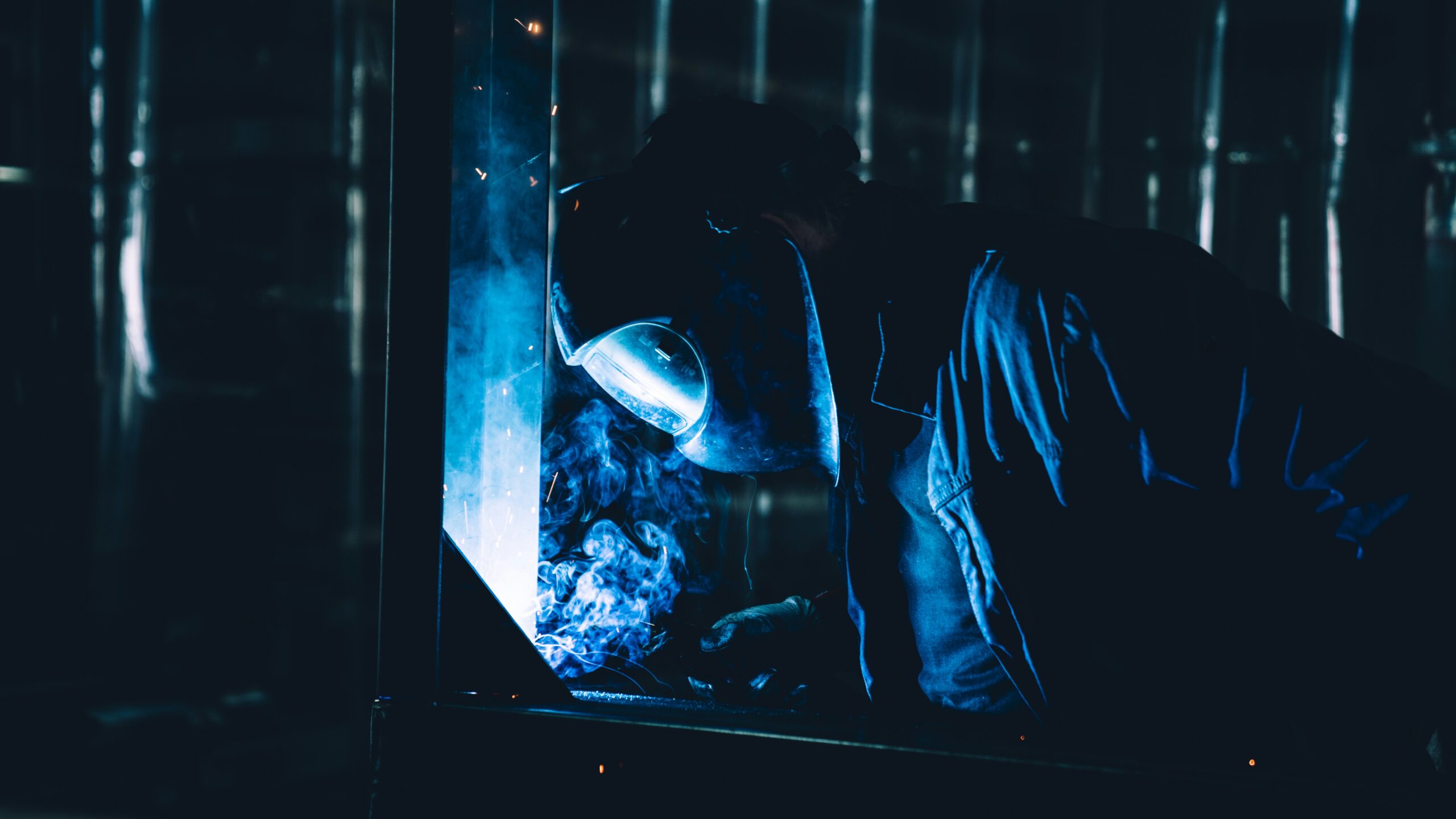
A diesel engine machine shop exists to restore components to the exact measurements they were designed to run at. That means removing material from metal surfaces with controlled precision, measuring results in thousandths of an inch, and verifying every dimension against manufacturer specification before a component goes back into service.
The shop is built around machines rather than service bays. The work is performed by machinists rather than mechanics. And the result is a component that meets the tolerances a diesel requires to run correctly, not one that simply looks acceptable or fits well enough.
If you want to learn more about what a proper diesel rebuild actually covers versus a basic repair, check out our guide on what separates a proper motor reparation from a basic repair.
The Equipment That Makes the Difference
Boring Bars and What They Are Used For
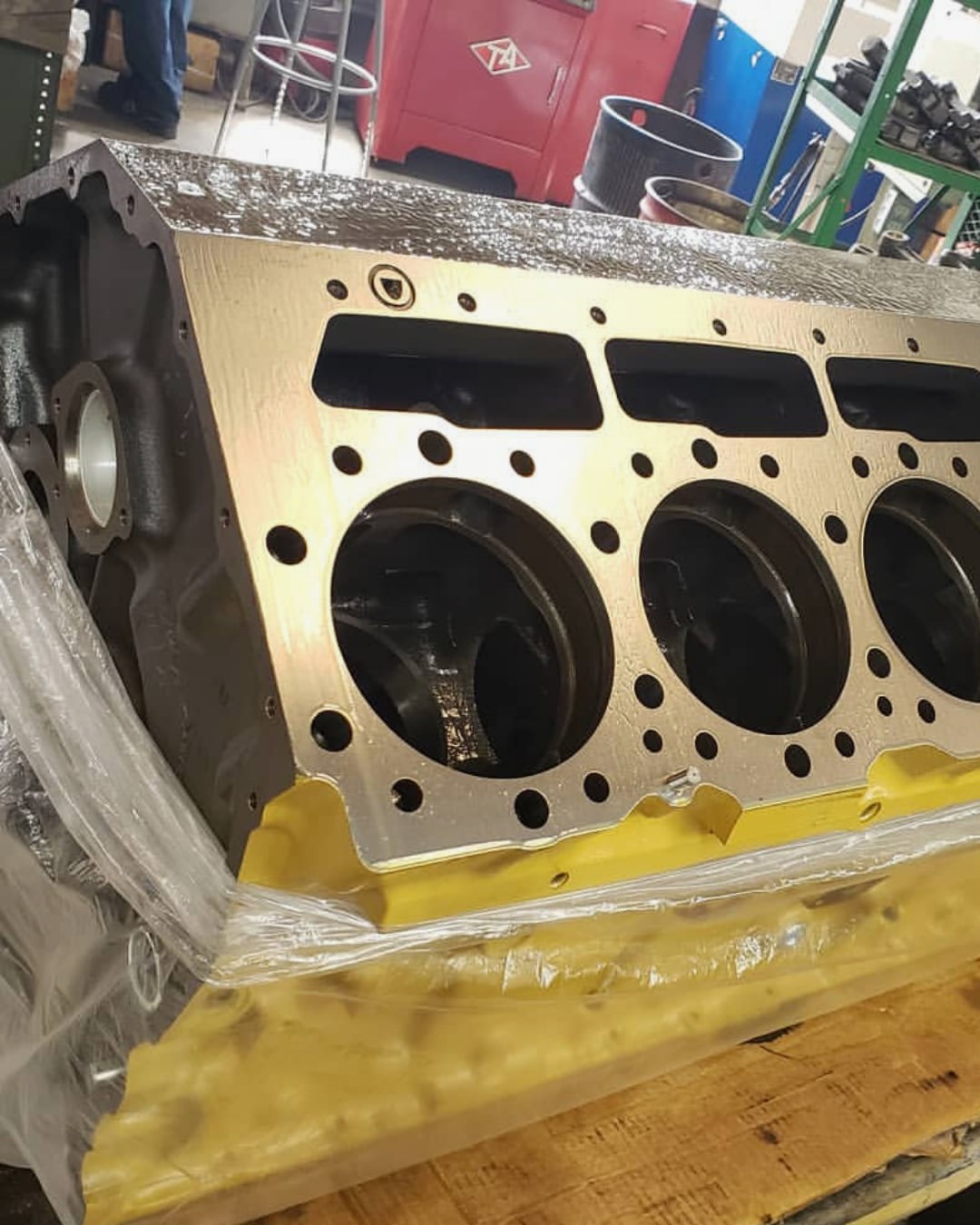
A boring bar machines cylinder bores back to a true, round diameter after wear has caused taper, out-of-round conditions, or surface damage. It cuts the bore to a precise oversize dimension so that new pistons and rings can seat correctly and form a proper seal. Without this step, rings cannot seal against a worn or distorted bore regardless of how new they are.
Honing Machines and Why Cylinder Finish Matters
After boring, the cylinder bore receives a specific surface finish through honing. The crosshatch pattern left by a hone holds oil and allows piston rings to seat properly during the break-in period. A surface that is too smooth does not retain enough oil. One that is too rough accelerates ring wear. The finish has to be correct, and that requires a honing machine operated by someone who understands what the finished surface should look like and why.
Surface Grinders and the Precision They Deliver
Surface grinders restore flat mating surfaces, such as block decks and cylinder head faces, to the tolerances required for a proper gasket seal. A surface that is warped, pitted, or out of flat by even a small amount will not seal correctly under operating pressure and temperature. The grinder removes the minimum material necessary to restore a true, flat surface without compromising the component’s structural integrity.
Why General Shops Do Not Have This Equipment
Boring bars, honing machines, and surface grinders represent a significant capital investment and require ongoing maintenance and calibration. They take up floor space and require trained operators to use correctly. A general repair shop does not need this equipment for the work it is designed to do, which is why most do not have it. When machining comes up in a general shop, the block or head typically gets sent out, adding time, handling risk, and coordination complexity to the job.
The People Behind the Machines
What a Diesel Engine Machinist Actually Knows
A diesel engine machinist understands material behavior under heat and load, knows how to measure and interpret dimensional data, and can identify what a worn or damaged component needs before a machine ever starts. The training covers metallurgy, tolerance stacking, surface finish standards, and the specific failure modes common to diesel components under high compression and load cycles.
Why General Mechanics Are Not Trained for This Work
General mechanics are trained to diagnose systems, replace components, and service assemblies. That skill set is valuable and necessary, but it does not include the knowledge required to restore a crankshaft journal, bore a cylinder block, or assess whether a casting can be brought back to specification. These are separate disciplines, and the training that produces a skilled mechanic does not automatically produce a machinist.
What Happens When Machining Is Done Without the Right Expertise
A bore that is slightly out of round, a surface that is not truly flat, or a journal ground to the wrong dimension can all produce a unit that runs initially and fails prematurely. The failure often gets attributed to the parts rather than the machining, because the deficiency is dimensional rather than visible. Precision work done incorrectly produces rebuilds that do not last, and identifying the cause after the fact requires a full teardown.
Why Diesel Engines Specifically Require This Level of Specialization
The Tolerances Diesel Engines Run At
Diesel units operate at higher compression ratios than gasoline equivalents, generate more heat and cylinder pressure, and run under sustained load conditions that amplify the effect of any dimensional inaccuracy. A tolerance that would be acceptable in a lower-compression application becomes a failure point in a diesel operating under full load. The margin for error is smaller, and the consequences of exceeding it are larger.
Why a Diesel Rebuild Is Not the Same as a Gasoline Engine Rebuild
The components are heavier, the clearances are tighter, and the surface finish requirements are more demanding. Diesel crankshafts, cylinder heads, and blocks require machining processes calibrated to diesel-specific specifications, not adapted from gasoline procedures. A shop that primarily works on gasoline applications and occasionally handles diesel work is not the same as one built around diesel machining from the ground up.
The Consequences of Skipping Precision Machining on a Diesel
A unit rebuilt without proper machining may start and run initially. The problems typically surface over time as clearances that were outside tolerance from the start wear faster than they should. Oil consumption increases, power output drops, and the rebuild eventually requires another teardown. The cost of skipping the machining step gets paid later, with interest.
If you want to learn more about one of the most critical components that suffers when machining is skipped or done incorrectly, check out our guide on how to know when a crankshaft needs grinding, polishing, or replacement.
What a Diesel Machine Shop in Miami Should Cover
The Services a Complete Shop Performs In-House
A complete diesel machine shop handles the full scope of component restoration without sending work out:
- Cylinder block boring and honing
- Block and head deck resurfacing
- Crankshaft grinding and polishing
- Connecting rod inspection and bushing replacement
- Cylinder head disassembly, valve work, and pressure testing
- Magnaflux crack detection on all critical components
When all of this happens under one roof, the shop controls the timeline, the quality, and the continuity between steps.
Why Sending Work Out to Multiple Shops Creates Risk
Each time a component changes hands between facilities, there is potential for handling damage, miscommunication about specifications, and delays that compress the overall timeline. A shop that subcontracts machining work is also less able to catch problems that cross from one component to another, since different facilities rarely share the full picture of a job’s condition.
If you want to learn more about what one of those in-house services actually involves from start to finish, check out our guide on what a complete cylinder head repair in Miami actually involves.
Diesel Engine Specialist in South Florida: What Motor Service Group Offers
In-House Machining Since 1949 Across Miami-Dade, Broward, and Palm Beach
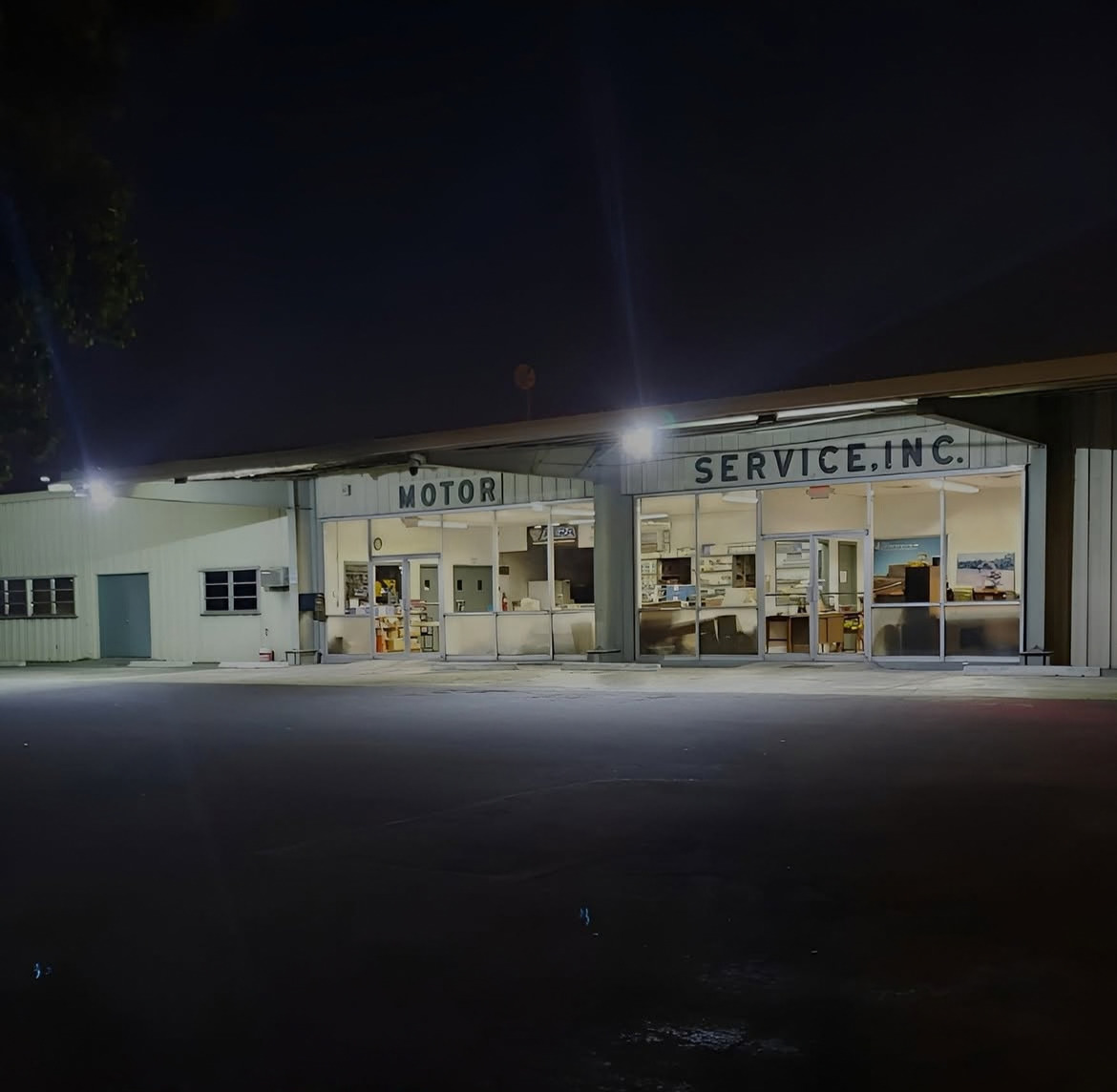
Motor Service Group has operated as a dedicated diesel engine machine shop in Miami since 1949. Every service is performed in-house by trained machinists on equipment maintained and calibrated for diesel work. The shop serves commercial fleet operators, marine customers, heavy equipment operators, and industrial diesel applications across Miami-Dade, Broward, and Palm Beach counties.
The Equipment, the Team, and the Process Behind Every Job
Every component that comes into the shop is cleaned, inspected, measured, and evaluated before any machining begins. Work is performed in the correct sequence, with each step verified before the next begins. Finished parts leave with the documentation needed to confirm they were restored to specification, not just reassembled and returned.
Quick Answers
What is the difference between a diesel engine machine shop and a regular repair shop?
A machine shop restores components to precise dimensional specifications using specialized equipment: boring bars, honing machines, and surface grinders. A general repair shop replaces and services parts but does not perform precision machining on internal components.
Can a general mechanic rebuild a diesel engine?
A general mechanic can reassemble a unit, but the machining work that restores worn components to specification requires different equipment and training. Diesel machining is a separate discipline from general mechanical repair.
What equipment does a diesel engine machine shop use?
Core equipment includes boring bars for cylinder restoration, honing machines for surface finish, surface grinders for flat mating surfaces, crankshaft grinders, and crack detection equipment. This machinery is purpose-built for component restoration and is not found in a typical repair shop.
Why do diesel engines require more precise machining than gasoline engines?
Diesel units run at higher compression ratios and under greater sustained load, which means dimensional inaccuracies have a larger effect on performance and longevity. The tolerances are tighter and the margin for error is smaller than in lower-compression applications.
How do I find a qualified diesel engine machine shop near me in South Florida?
Look for a shop that performs all machining in-house, has documented experience with diesel work specifically, and can provide evidence of the equipment and process used on every job. Motor Service Group has served Miami-Dade, Broward, and Palm Beach counties since 1949 with full in-house diesel machining.
Find the Right Shop
Motor Service Group is South Florida’s dedicated diesel engine machine shop, performing precision machining, inspection, and component restoration in-house since 1949.
Contact our team today to discuss your rebuild and find out what the right shop can do for it.