

One of the first questions every fleet manager and marine operator asks before approving a diesel motor reparation is how long the engine will be down. The honest answer depends on the engine, but not in a vague way. Each stage of a proper reparation takes a predictable amount of time, and the variables that stretch the schedule are usually known before the work even starts. This post breaks down the stages of a diesel motor reparation, what drives the timeline at each step, and how operators in South Florida can plan downtime instead of being caught off guard by it.
Why Diesel Motor Reparation Timelines Are Hard to Predict Upfront
Why How Long Will It Take Has No Single Answer
A diesel motor reparation timeline depends on engine size, the condition of the components going in, and what the inspection finds once the engine is opened up. Two engines of the same model can take very different amounts of time depending on wear, prior repairs, and how the equipment was operated.
The Difference Between a Quick Estimate and a Real Timeline
A quick estimate based on a phone call or a visual look at the engine is not the same as a timeline based on teardown and inspection. Real timelines come after the engine has been opened, cleaned, and measured. Anything given before that point is a starting range, not a commitment.
Why Skipping Steps to Save Time Backfires Later
Cutting corners on inspection or testing can make a reparation look faster on paper, but it shifts the time cost to later. A problem missed during inspection becomes a problem discovered after reassembly, and fixing it at that stage takes longer than it would have at the start.
Stage One: Teardown and Initial Inspection
Why Complete Disassembly Comes Before Any Time Estimate
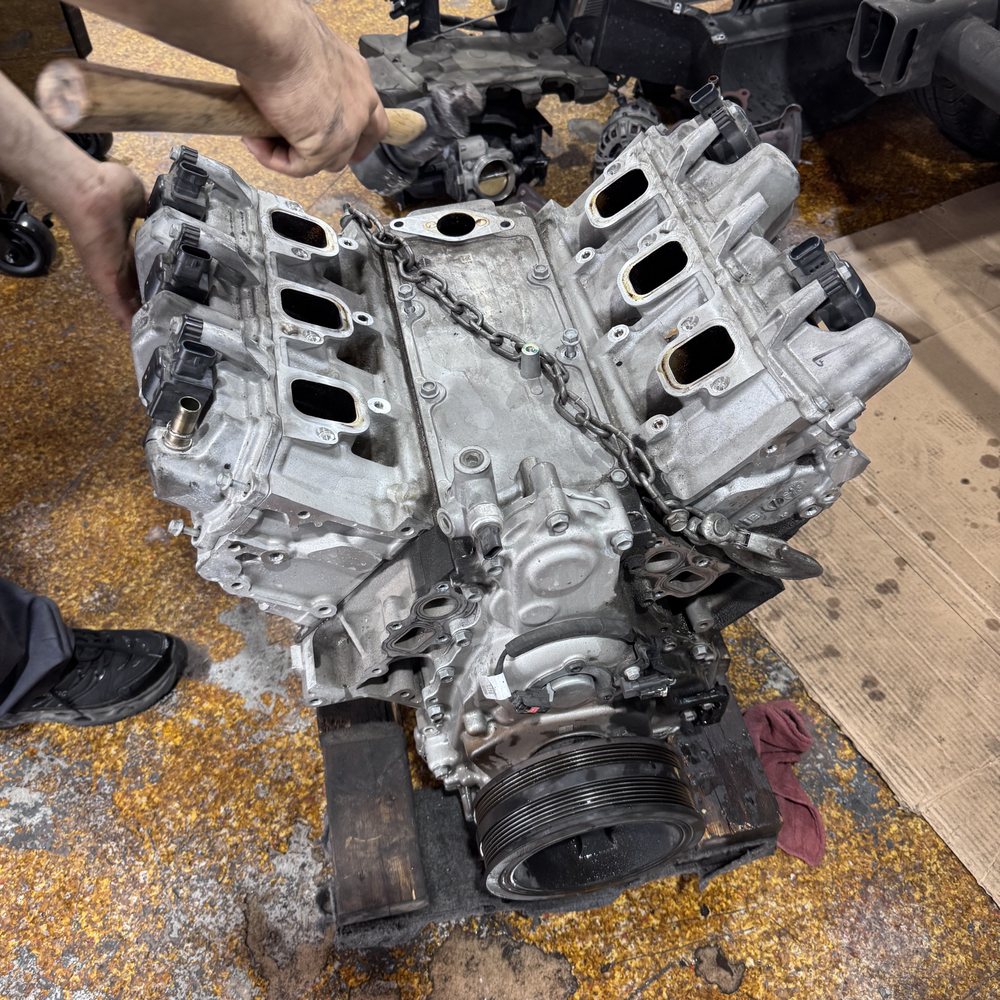
Every proper reparation starts with full disassembly. The block, head, crankshaft, rods, and related components all need to be separated and accessible before anyone can give an accurate picture of what the engine actually needs.
How Long Cleaning and Initial Inspection Takes
Cleaning removes oil, carbon, and debris so components can be properly inspected and measured. Depending on engine size and condition, this stage typically takes a few days. Heavily soiled components or engines that have been sitting take longer to clean thoroughly.
What This Stage Reveals That Changes the Whole Timeline
This is where the real scope of the reparation becomes clear. A block that looked fine from the outside might reveal corrosion, a head might show signs of a long-standing leak, or a crankshaft might have wear that was not visible before cleaning. Whatever is found here shapes every stage that follows.
Stage Two: Measurement, Crack Detection, and Diagnosis
Why This Stage Is the Foundation for Every Decision After
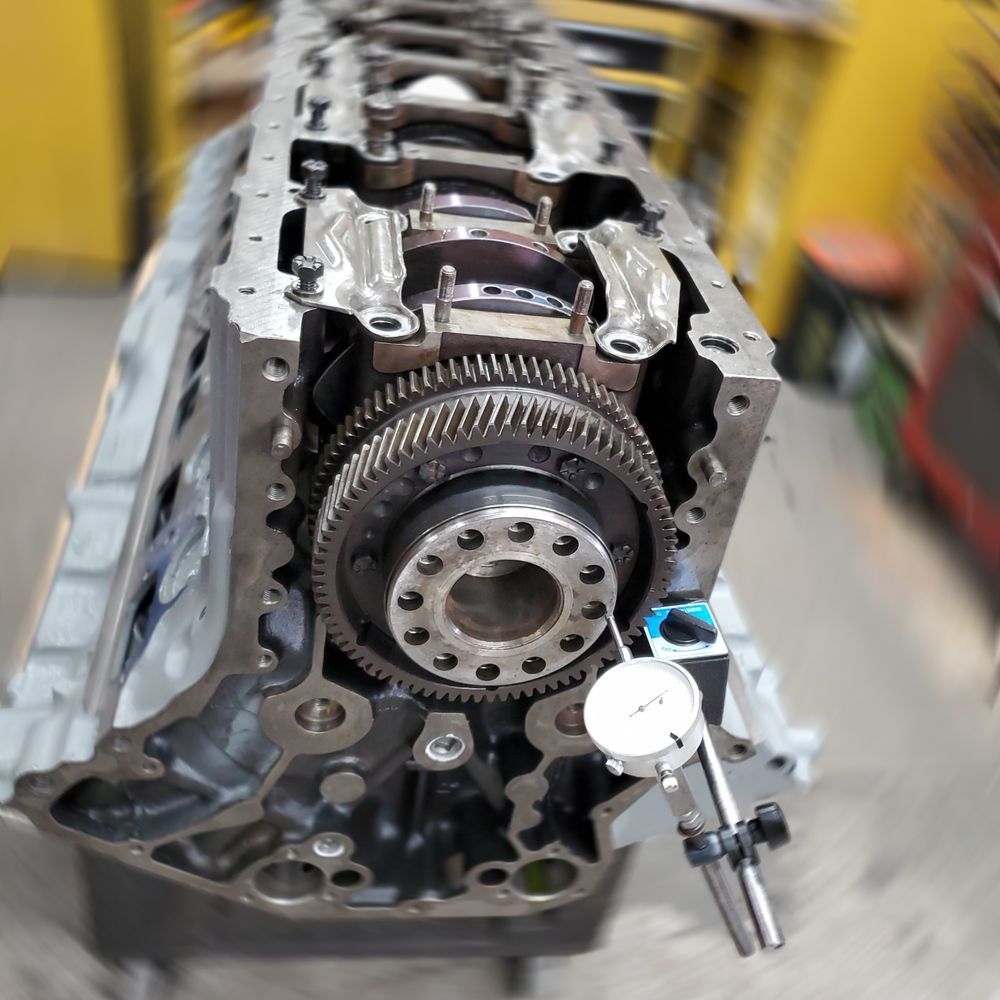
Measurement and inspection determine which components can be restored, which need machining, and which need replacement. Every machining decision that follows depends on accurate numbers from this stage.
How Magnaflux Crack Detection Fits Into the Schedule
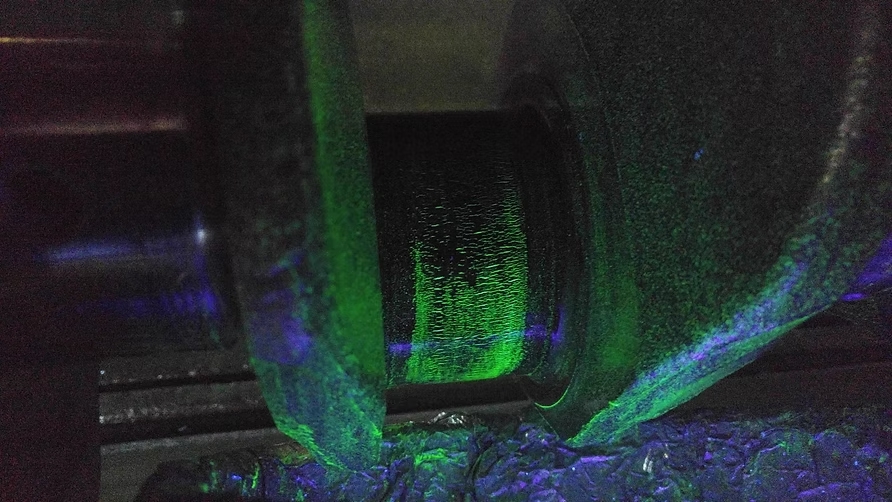
Crack detection happens before machining begins, and on critical components it should happen again after machining or repair work that introduces new stress. This step typically adds a day or two to the schedule, but skipping it risks discovering a crack after time and money have already been spent on machining.
When This Stage Uncovers Problems That Extend the Timeline
A cracked component, a journal that needs grinding instead of polishing, or a part that requires sourcing from outside the shop can all extend the timeline at this stage. The earlier these issues are found, the easier they are to plan around.
Stage Three: Machining and Component Restoration
Block Machining and How Long It Realistically Takes
Block work, including surfacing, boring, honing, and align correction if needed, is one of the more time-intensive stages. A block that only needs surfacing and honing moves faster than one that needs sleeving or align boring, which can add several days.
Cylinder Head Service Timelines
Head service includes disassembly, crack detection, pressure testing, valve work, and resurfacing. A head with straightforward valve service moves through this stage in a few days. A head needing extensive seat work or repairs to the casting takes longer.
Crankshaft Grinding, Polishing, and Why Bearing Availability Matters
Grinding and polishing a crankshaft is a precise process that takes time on its own, but the bigger variable is bearing availability. If the crankshaft needs to be ground to an undersize dimension, the matching bearing set has to be on hand or sourced before the engine can move forward.
Connecting Rod Work and Other Component Restoration
Rod inspection, bushing replacement, and machining typically run in parallel with block and head work, which helps keep the overall schedule efficient. Rods needing extensive correction or replacement parts can become a scheduling factor if sourcing takes time.
Stage Four: Testing Before Reassembly
Pressure Testing and Why It Cannot Be Rushed
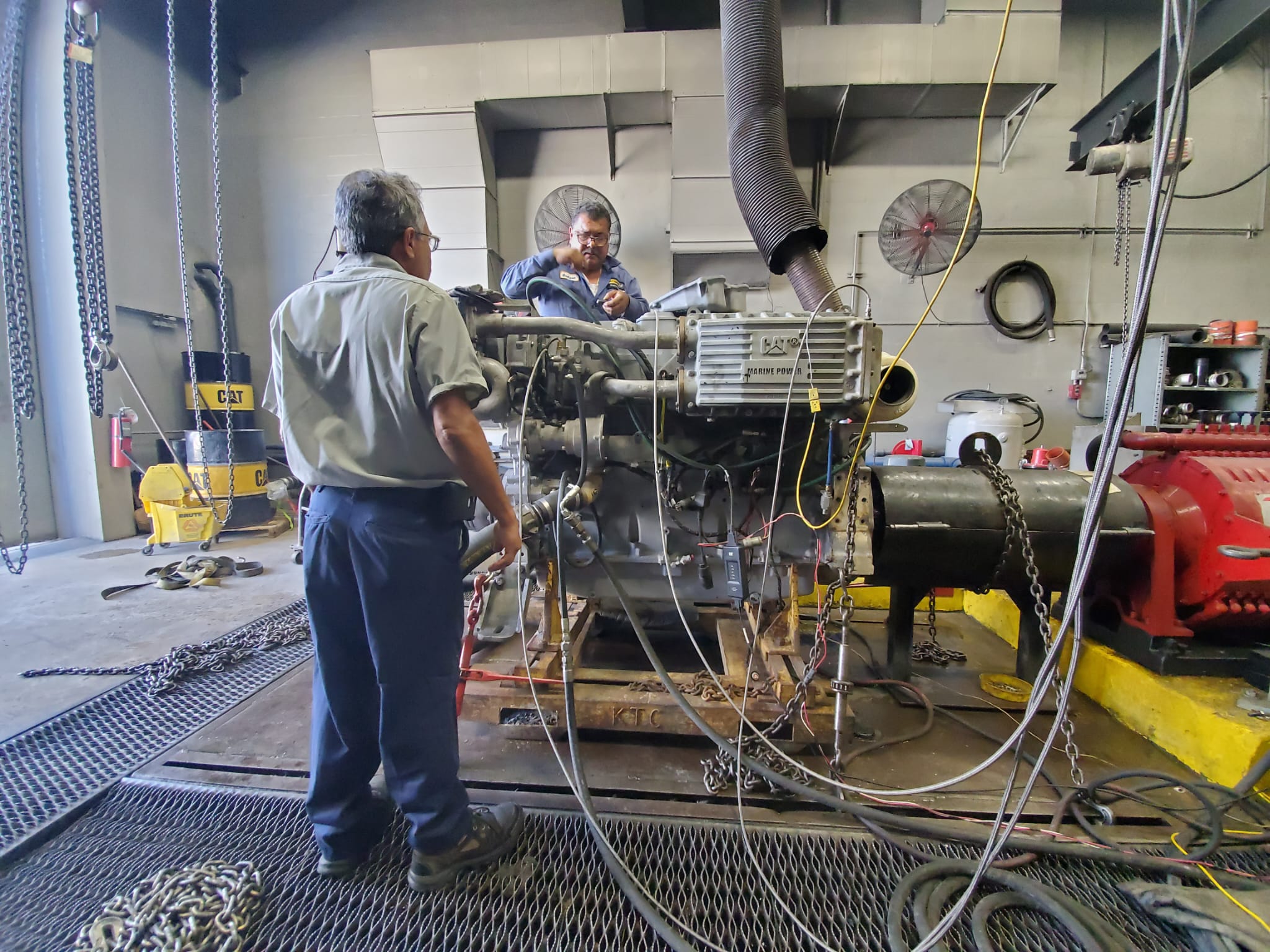
Pressure testing the head and block confirms there are no leaks before the engine goes back together. This step takes time because it has to be done properly, and a failed test at this stage means returning to the machining stage rather than moving forward.
Final Verification Before the Engine Goes Back Together
Before assembly begins, every measurement is checked against specification one more time. This final verification step protects against errors that would otherwise surface only after the engine is running.
Stage Five: Reassembly and Final Checks
How Reassembly Time Depends on Earlier Stages
Reassembly itself is a relatively consistent process, but its speed depends heavily on whether every component arrived at this stage already verified and ready. An engine where every part was properly machined and tested moves through reassembly without delays.
Final Clearance Checks and Documentation
Bearing clearance, end play, and side clearance are confirmed during reassembly, and these results should be documented. This documentation is part of what separates a proper reparation from a basic repair, and it takes a bit of extra time that is worth the investment.
Diesel Engine Rebuild Timeline in Miami: What Realistic Ranges Look Like
Typical Timeframes for a Complete Reparation
A complete diesel motor reparation with full machining, testing, and documentation typically takes a few weeks from teardown to completion. Smaller engines with fewer issues move toward the shorter end. Larger or more heavily worn engines move toward the longer end.
What Can Add Days or Weeks to the Schedule
Several factors commonly extend the timeline:
- Hidden damage discovered during teardown that was not visible beforehand
- Components that fail crack detection and need replacement
- Bearing or parts availability for specific undersize dimensions
- A pressure test that fails and requires returning to machining
- Custom machining or fabrication for older or less common engines
Why Parts Availability Is Often the Biggest Variable
The machining and testing stages are largely within a shop’s control. Parts availability is not always within anyone’s control, particularly for older engines or specific undersize bearing sets. This is often the single largest factor separating a quick reparation from a longer one.
How Fleet and Marine Operators Should Plan Downtime
Building a Realistic Downtime Window Instead of Guessing
Plan for a range based on teardown and inspection results, not a single number given before the engine is opened. A realistic window accounts for the stages most likely to extend, particularly parts sourcing and any crack detection findings.
Questions to Ask Before Committing to a Timeline
Before approving a reparation, ask:
- Has the engine been fully disassembled and inspected before this estimate
- What components have already been measured and crack tested
- Are any parts, particularly bearings, confirmed available for this engine
- What would extend this timeline, and how would I be notified
Why Getting an Early Diagnosis Protects Your Schedule
The sooner an engine goes through teardown and inspection, the sooner the real scope of work is known. Operators who wait to schedule inspection until downtime has already started lose valuable planning time they could have used to prepare.
Motor Reparation in South Florida: What to Expect From Motor Service Group
How Motor Service Group Structures Its Reparation Process
Motor Service Group has performed diesel motor reparation in Miami since 1949. Every reparation follows the same sequence: complete disassembly, cleaning, measurement, crack detection, machining, pressure testing, and final verification before reassembly. This structure is what makes timelines predictable once the engine has been opened.
Communication and Updates Throughout the Timeline
The team serves commercial fleets, marine operators, heavy equipment owners, generator customers, and industrial diesel applications across Miami-Dade, Broward, and Palm Beach counties, and keeps customers informed at each stage so downtime can be planned with accurate information rather than guesswork.
Quick Answers
Q: How long does a diesel motor reparation typically take?
A complete reparation with full machining, testing, and documentation typically takes a few weeks, depending on engine size and what the inspection finds.
Q: What is the biggest factor that extends a reparation timeline?
Parts availability, particularly bearings for specific undersize dimensions, is often the largest factor. Hidden damage found during teardown is the next most common cause.
Q: Can a diesel engine rebuild be rushed without affecting quality?
Skipping inspection or testing steps to save time shifts problems to later stages, where they take longer and cost more to fix than if they had been caught early.
Q: How early should I plan downtime before a reparation?
As early as possible. Scheduling teardown and inspection before downtime begins gives the most accurate picture of the real timeline and any parts that need to be sourced.
Q: Does Motor Service Group provide a timeline estimate before starting work?
Yes. Motor Service Group provides timeline guidance based on teardown and inspection findings, with updates throughout the reparation so operators can plan around accurate information.
Plan With Confidence
Motor Service Group helps fleet and marine operators plan diesel motor reparation with realistic timelines based on real inspection data, not guesswork.
Contact our expert team today to schedule an evaluation and get a clear picture of your engine’s timeline.