

A block can pass every other check and still send an engine back into service with a problem waiting to happen. Cylinders measure true, the deck surface is flat, the bearings are new, and the engine still fails early. Often the cause sits in a spot nobody checked: the main bearing bores are out of alignment. Engine block align boring is the process that corrects that, and skipping it is one of the more common reasons a rebuilt engine comes back sooner than it should.
This guide covers what align boring actually is, when it becomes necessary, and what happens when a block goes back together without it. It also covers how the process works at a shop equipped to do it correctly, and why that matters most for engines that cannot afford a repeat failure.
What Engine Block Align Boring Actually Is
The Main Bearing Bores and Why Their Alignment Matters
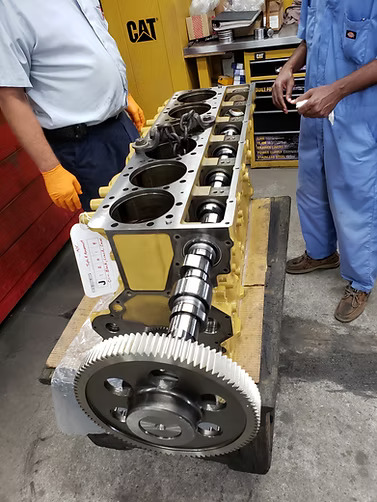
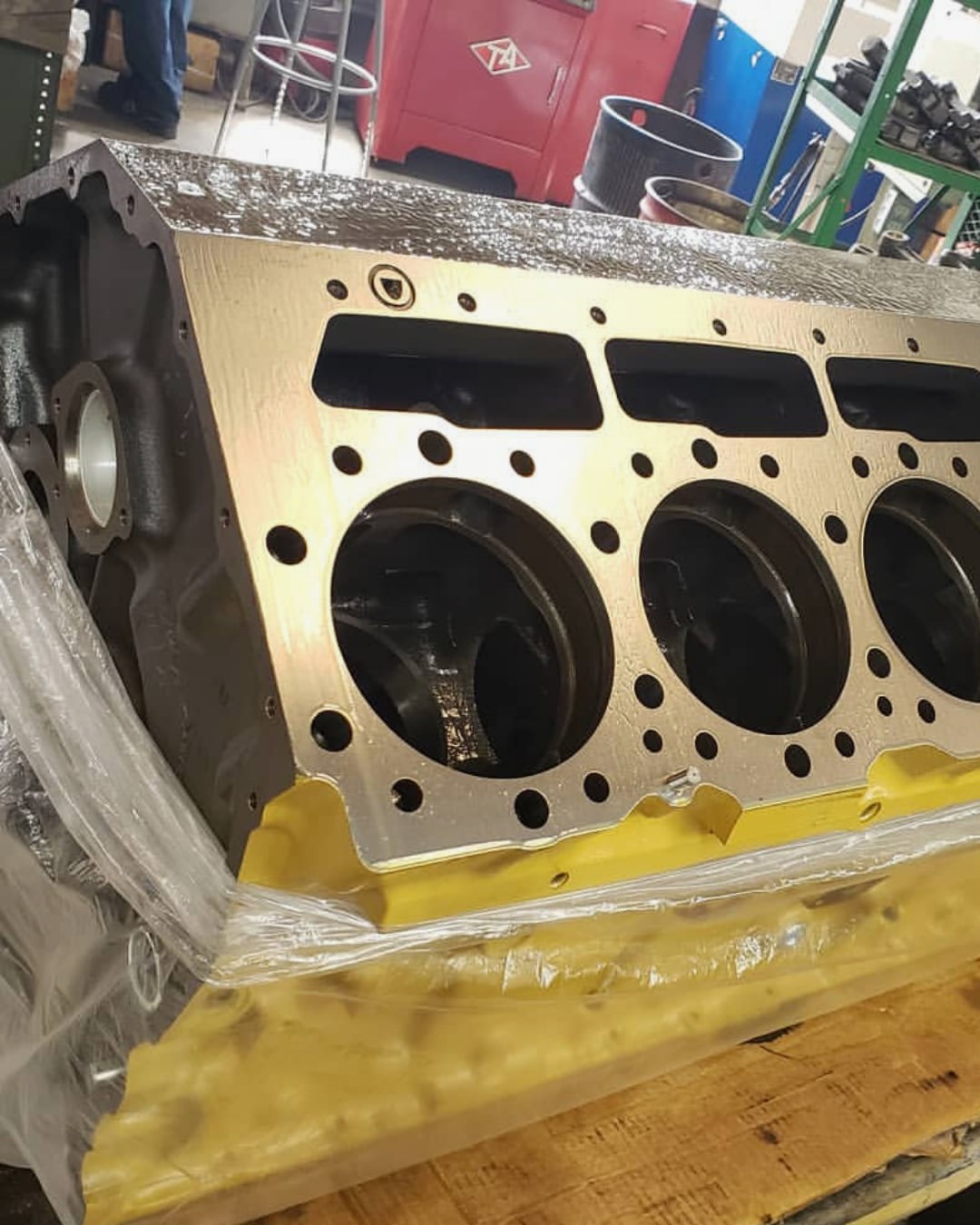
The main bearing bores hold the crankshaft in place along its full length. For the crankshaft to spin true, every one of those bores has to sit on the same centerline, front to back. When they do not, the crankshaft is forced to rotate through bearings that are pulling it in slightly different directions at each point, even if the difference is only a few thousandths of an inch.
How Align Boring Differs From Standard Cylinder Boring and Honing
Standard boring and honing correct the cylinder walls, restoring roundness and the right surface finish for new rings and pistons. Align boring is a separate operation entirely. It corrects the bore centerline that the crankshaft rides in, not the cylinders the pistons travel through. A shop can machine and hone a block perfectly and still return it with a misaligned crankshaft bore if align boring was never part of the job.
Align Boring Diesel Engine: When It’s Actually Needed
Wear That Throws the Bores Out of Alignment Over Time
Thousands of hours of load and vibration gradually wear the bearing saddles, and that wear is rarely even across every bore. A block with high hours, especially one that has already been through a rebuild or two, is a strong candidate for measurable misalignment even without an obvious failure behind it.
Overheating and Its Effect on Bore Geometry
A block that has overheated, even once, can warp slightly as the metal expands and contracts unevenly. That distortion does not always show up as a cracked block or a blown head gasket. Sometimes the only sign is a bore centerline that has shifted just enough to matter.
A Prior Failure or Bad Repair That Left the Block Misaligned
A spun bearing, a broken crankshaft, or a rushed prior repair can all leave a block with bores that no longer line up correctly. This is one of the more overlooked scenarios: a shop replaces the damaged parts, reassembles the engine, and never checks whether the failure itself left the block out of alignment.
How Misalignment Shows Up Before It’s Diagnosed
Symptoms Fleet Managers and Mechanics Often Misread
Low oil pressure, unusual bearing wear patterns, and a knock that comes and goes under load are all signs that get blamed on the bearings themselves, the oil pump, or the oil quality. Few of these symptoms point directly at bore alignment, which is exactly why the real cause often goes undiagnosed until the engine fails again.
Why a Visual Inspection Alone Won’t Catch It
A block can look perfectly straight to the eye and still be out of alignment by an amount that ruins service life. Confirming it requires precision measurement, not a visual check, which is why this step gets skipped at shops that do not have the equipment or the process to catch it.
Why Align Boring Matters Before Reassembly
What Happens When a Misaligned Block Gets Reassembled Anyway
New bearings installed into a misaligned bore wear unevenly from the moment the engine starts. The crankshaft is forced to flex slightly with every rotation, and that flex does not correct itself. It gets worse the longer the engine runs.
Premature Bearing Failure and Repeat Breakdowns
An engine reassembled on a misaligned block often runs fine for a while, which is part of what makes this issue so costly. The failure shows up weeks or months later, usually as a repeat failure that looks unrelated to the original repair. The customer pays for a second teardown on a problem that should have been caught the first time.
The Real Cost of Skipping This Step Versus Doing It Right the First Time
Align boring adds time and cost to a rebuild, and it can be tempting to skip it on a block that looks fine. That upfront saving disappears fast once a repeat failure means a second teardown, a second set of bearings, and another engine off the road. Towing, storage, and lost use of the equipment all stack on top of the second repair bill, and none of those costs show up on the original estimate. Doing it right the first time is almost always cheaper than doing it twice.
The Align Boring Process at a Precision Machine Shop
Measuring Bore Alignment Against Factory Spec
The process starts with precision measurement of every main bore against the manufacturer’s original specification, not a visual estimate. This confirms exactly how far out of alignment the block actually is before any material gets removed.
Correcting the Bore Centerline
Once the misalignment is confirmed, the block goes onto align boring equipment built specifically for this job. The machine cuts the bores back to a true, common centerline, restoring the geometry the crankshaft needs to spin without added stress.
Verifying Clearance Before the Engine Goes Back Together
After the bores are corrected, final measurements confirm bearing clearance is within factory tolerance before reassembly begins. Skipping this final check defeats the purpose of the machining that came before it.
Align Boring for Fleet, Marine, and Heavy-Duty Diesel Engines
Why Heavy-Duty and Continuous-Duty Engines Are More Prone to Misalignment
Engines that run continuously under heavy load, fleet trucks, marine engines, and industrial power units, put more sustained stress on the bearing saddles than an engine used lightly. That extra load accelerates the kind of wear that leads to bore misalignment over time, which is part of why heavy-duty rebuilds warrant this check even when the block shows no obvious damage.
What This Means for Fleet Uptime and Repeat Repairs
For a fleet operator in South Florida, a repeat failure does not just mean another repair bill. It means another truck or vessel off the road or out of the water, again, often during a period that was supposed to be routine maintenance rather than an emergency.
Getting Engine Block Align Boring Done Right in Miami
Why This Work Needs to Be Done In-House, Not Subcontracted
Align boring requires dedicated equipment that many general repair shops simply do not have. Sending it out to a subcontractor adds shipping time, a second point of handling, and a gap in accountability if something is measured incorrectly along the way. It also means the shop reassembling the engine is trusting a measurement it never verified itself.
Motor Service Group’s Precision Machining and Inspection Process
Motor Service Group performs align boring in-house in Miami, using precision measuring equipment to confirm alignment before and after machining. This keeps the block moving from inspection to correction without leaving the building, which matters most on a fleet, marine, or heavy-duty rebuild that is already on a deadline.
Quick Answers
Does every engine rebuild need align boring?
No. Align boring is only necessary when measurement shows the main bearing bores are out of alignment, not on every rebuild by default.
How can I tell if my block needs align boring without tearing the whole engine down?
Precision measurement of the bearing bores during teardown inspection is the only reliable way to confirm it. Visual inspection alone will not catch it.
What happens if align boring gets skipped on a block that needs it?
New bearings wear unevenly from the start, which usually leads to a repeat failure within months rather than lasting the expected service life.
Is align boring the same as line boring?
The terms are often used interchangeably in diesel engine work, both referring to correcting the main bearing bore centerline.
Does Motor Service Group perform align boring in Miami?
Yes. Motor Service Group performs align boring in-house, backed by precision measuring equipment and decades of diesel engine machining experience.
Get Your Block Checked Before Reassembly
Motor Service Group performs engine block align boring in-house in Miami, backed by precision measuring equipment and decades of diesel machining experience, serving fleet, marine, and heavy-duty customers across South Florida.
Contact us today to get your block measured before it goes back together.