

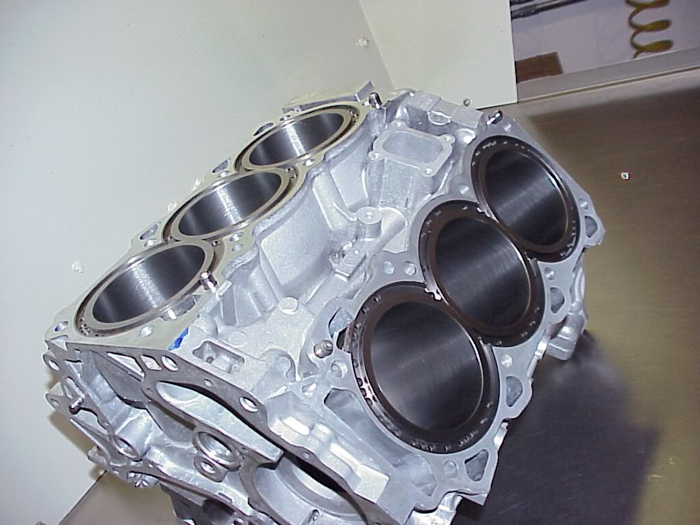
Quick answer: Bore a diesel block when the cylinder walls are worn but still thick enough to take an oversize piston. Sleeve it when the bore is too damaged or too worn to bore again, or when oversize pistons are not available. Replace the block when it is cracked beyond repair, the main bearing bores are damaged beyond correction, or repair costs approach the price of a remanufactured block. Measurement, not guesswork, makes the call.
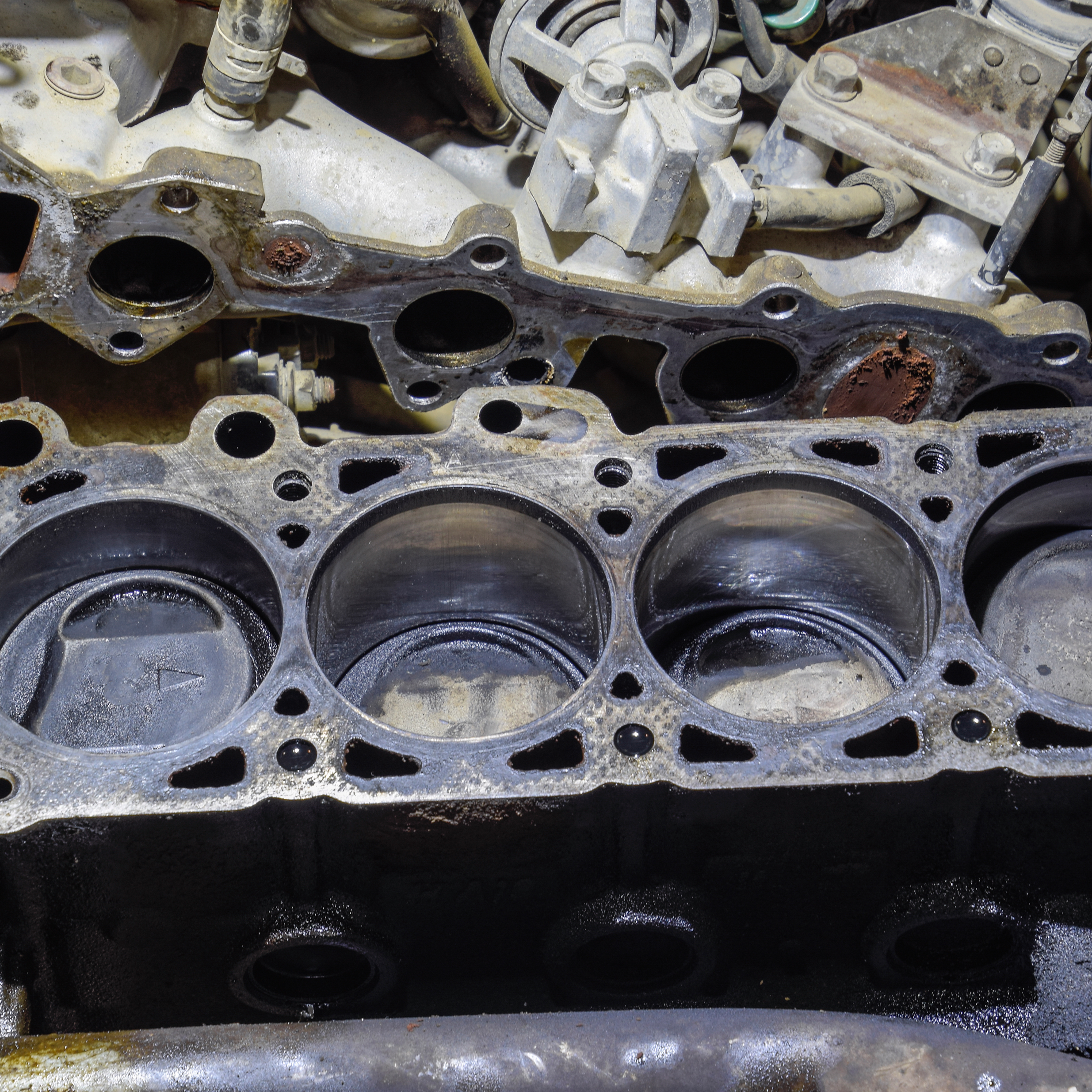
Worn cylinders are one of the most common reasons a diesel block lands on a machine shop bench. The question every owner asks is the same: do we bore it, sleeve it, or buy another block? Each answer can be right, and each can be expensive if it is wrong. This guide compares the three options, shows what we measure before recommending one, and explains the details that separate lasting work from a repeat repair. It is written for fleet managers, marine operators, and equipment owners across Miami and South Florida.
First Question: Does Your Engine Have Replaceable Liners?
Before comparing bore and sleeve, check the engine design. Many large diesels use replaceable wet or dry liners instead of cylinders cut directly into the block. On those engines, the repair is usually a new liner set plus work on the block’s liner bores and counterbores, not a classic bore job. Engines where the pistons run directly in the block metal are the ones where bore versus sleeve is the real decision. Your engine model and serial number tell us which design you have.
What Wears Out a Diesel Cylinder
- Taper and out-of-round wear from normal service and heavy load.
- Scoring and scuffing from overheating, dirty intake air, or fuel dilution.
- A ridge at the top of ring travel that forms as the walls wear below it.
- Corrosion and pitting from water or coolant leaks, including cavitation on wet liners.
If coolant and oil are crossing paths, start with oil in coolant: how a machine shop finds the real cause. A head that keeps failing can also point back to the block deck, as covered in why the same cylinder head keeps coming back.
Option 1: Boring the Cylinder (Oversize Pistons)
Boring removes a controlled amount of metal so the cylinder is round, straight, and clean again. The shop then hones the bore to final size and matches it to an oversize piston and rings. Many rebuilders prefer this route when it is possible because it keeps the original block metal and avoids adding a sleeve.
Boring fits when the wear and scoring clear inside the available oversize steps, the remaining wall thickness stays within the manufacturer’s limits, and matching oversize pistons can be sourced. The limit is simple: every oversize step thins the wall, so a block can only be bored so many times.
Option 2: Sleeving the Cylinder (Back to Standard Size)
Sleeving means boring the cylinder oversize to accept a repair sleeve, pressing the sleeve in with a controlled interference fit, and finishing the inside to standard size. The engine then runs standard pistons again. Sleeving is the answer when damage runs deeper than the oversize steps allow, when the bore has already reached its last oversize, or when pistons for the needed size cannot be sourced.
The tradeoffs are cost and workmanship. Sleeving takes more labor than a simple bore, and the result depends on the fit and the finishing. Done right, a sleeved cylinder gives long service life. Done poorly, it can lead to a loose sleeve and sealing problems, which is why in-house measuring and honing matter.
Option 3: Replacing the Block
Replacement makes sense when the block is cracked in a place that cannot be repaired reliably, the main bearing bores are damaged beyond what align boring or honing can correct, the deck is damaged beyond resurfacing limits, or the total repair cost approaches a remanufactured block. Crack detection decides much of this, which is why we begin with magnaflux crack detection and pressure testing before any machining.
Bore vs. Sleeve vs. Replace: Side by Side
| Factor | Bore | Sleeve | Replace |
| Best when | Moderate wear with wall thickness to spare | Deep damage or last oversize reached | Cracked or structurally compromised block |
| Pistons | Oversize | Standard | Standard |
| Typical cost | Generally lowest | Generally middle | Generally highest |
| Main risk | Running out of oversize steps | Poor sleeve fit or finish | Core availability and lead time |
| Keeps original block | Yes | Yes | No |
How We Decide: The Machine Shop Checklist
- Clean the block completely so nothing hides on the surface.
- Crack-test and pressure-test to confirm the block is sound.
- Measure each bore at several heights and directions for taper and out-of-round wear.
- Check remaining wall thickness against the manufacturer’s limits.
- Inspect the deck and main bores. A block can have good cylinders and still need deck surfacing or align boring of the mains. See our engine block services.
- Confirm piston and sleeve availability for the sizes involved.
- Compare repair cost against the block’s value and your downtime.
You see the numbers before work starts, and the written estimate follows inspection. For pricing factors, read what actually drives engine block machining cost in Miami.
Details That Separate Lasting Work From a Repeat Repair
- Torque plate honing. A plate bolted to the deck simulates head-bolt load, so the cylinders are finished in the shape they hold once the engine is assembled. OEMs such as Caterpillar and Cummins call for it in their service information.
- A proper hone finish. The cross-hatch pattern helps rings seat and hold oil. A quick brush pass is not enough.
- Deck surfacing and counterbore work. Cylinder work means little if the deck or liner seats are off.
- Crankshaft and rod checks. A new cylinder paired with a worn crankshaft or mismatched rods shortens engine life. We inspect crankshafts and connecting rods as part of the same job.
Brands We Machine
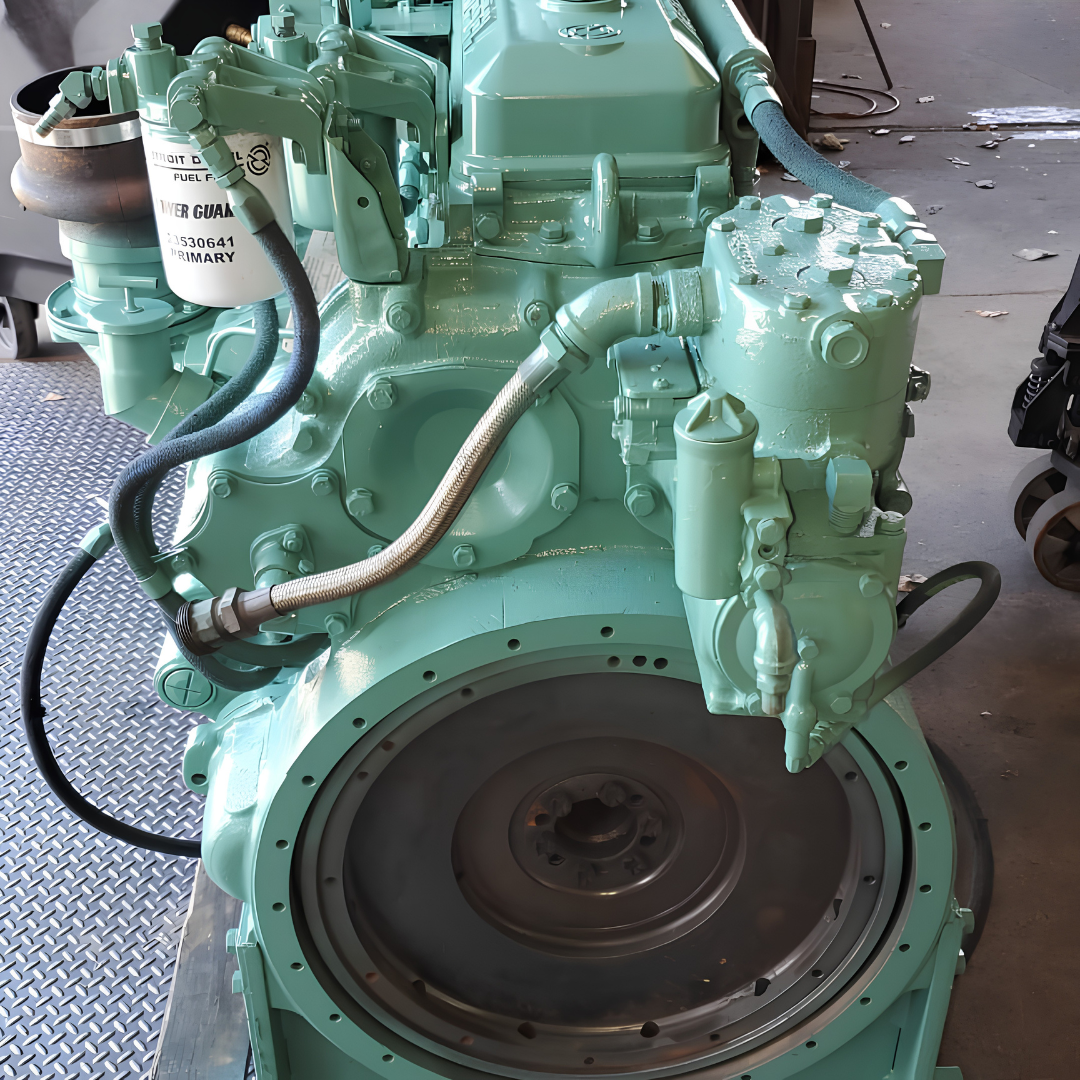
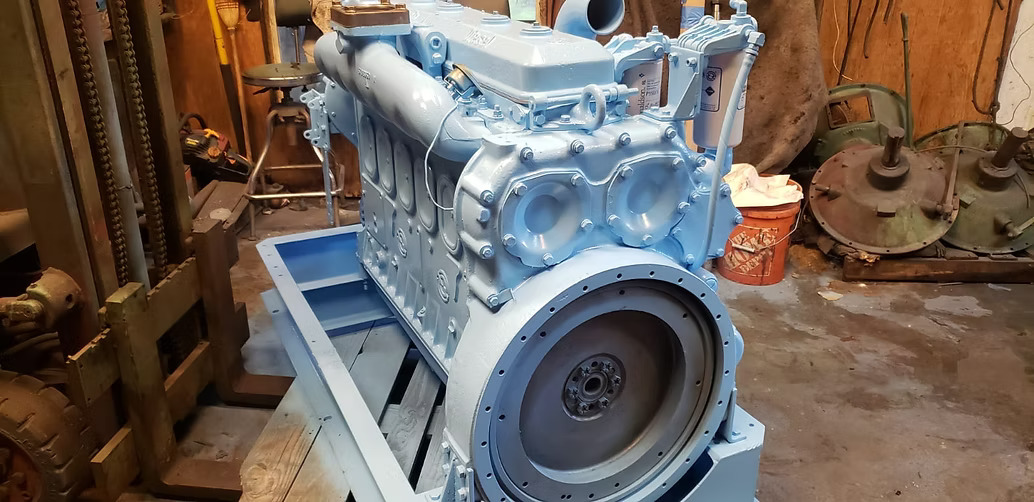
Our block work covers Caterpillar, Cummins, Detroit Diesel, Perkins, and MTU engines for marine, fleet, generator, and heavy-equipment customers. If your Detroit-powered engine is losing compression or burning oil, see our Detroit Diesel engine rebuild guide. For the full process, read what a full engine rebuild includes.
Talk to a Miami Diesel Machine Shop Before You Decide
Motor Service Group has machined diesel blocks in Miami since 1949, with cleaning, crack detection, pressure testing, boring, honing, sleeving, and align boring done in-house. We serve Miami-Dade, Broward, and Palm Beach, from Doral and Hialeah to Medley. Not every shop handles it all under one roof, and why a diesel engine needs a specialist, not a general shop explains why that matters.
Need a block inspected? Call 1(305) 592-2440 or request a free estimate. Our shop is at 6600 NW 77th Court, Miami, FL 33166, open Monday to Friday, 5:30 am to 2:00 pm.
Frequently Asked Questions
Is a sleeved cylinder as strong as an original one?
A properly fitted sleeve in a sound block can deliver long service life. Strength depends on the fit, the remaining block wall, and the finish, which is why measurement before and after sleeving matters.
How many times can a diesel block be bored?
Only as many times as the manufacturer’s oversize steps and wall-thickness limits allow. Every engine model is different, so we measure first.
Is it cheaper to bore or sleeve a diesel block?
Boring is generally cheaper when the damage fits within an oversize step. Sleeving costs more labor but can save a block that boring cannot.
When should I replace the block instead?
Replace it when it is cracked beyond reliable repair, the main bores or deck are damaged beyond correction, or repair costs approach a remanufactured block.
Does an engine with wet liners need boring?
Usually not. Those engines typically get new liners and work on the liner bores and counterbores instead.
Can you machine diesel blocks in Miami?
Yes. Motor Service Group handles surfacing, boring, honing, counterbore cutting, sleeving, and align honing at its Miami shop.