

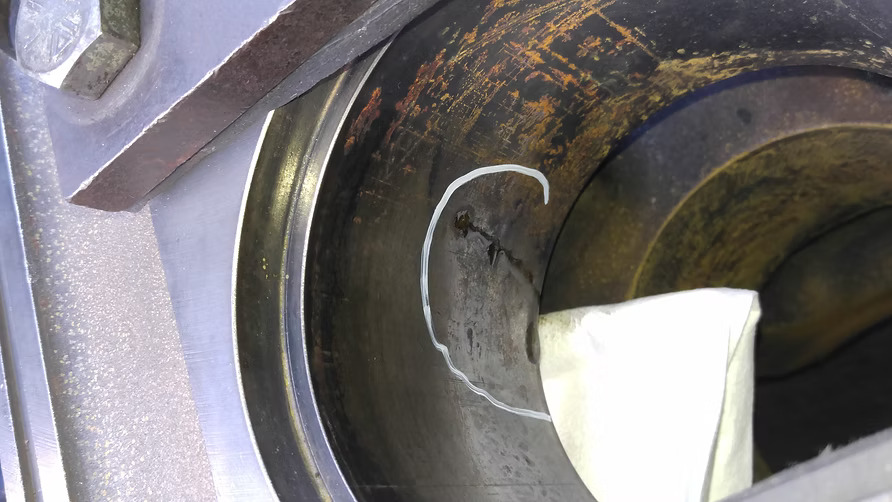
Diesel engine repairs should never rely on guesswork. A component can look clean, machined, and ready to install, but still have an internal leak that causes overheating, coolant loss, compression issues, or repeat failure after reassembly.
That is why pressure testing is a critical step in professional diesel engine inspection. It helps confirm whether key components can hold pressure before more time and money are invested into machining, repair, or final assembly.
Motor Service Group is a diesel engine machine shop in Miami serving South Florida with precision inspection, machining, and repair services for critical engine components.
Why Pressure Testing Is Critical in Diesel Engine Repair
Small leaks can create major engine problems. A minor defect in a cylinder head, block, manifold, or oil cooler may not be obvious during visual inspection, but it can cause serious issues once the engine returns to service.
Pressure testing helps identify problems before they become expensive.
It can help prevent:
- Repeat overheating
- Coolant loss
- Internal leaks
- Head gasket failure
- Poor rebuild results
- Unnecessary part replacement
- Downtime after reassembly
For fleets, marine operators, contractors, and industrial businesses, finding leaks early protects both the engine and the repair investment.
What Is Pressure Testing in a Diesel Engine Machine Shop?
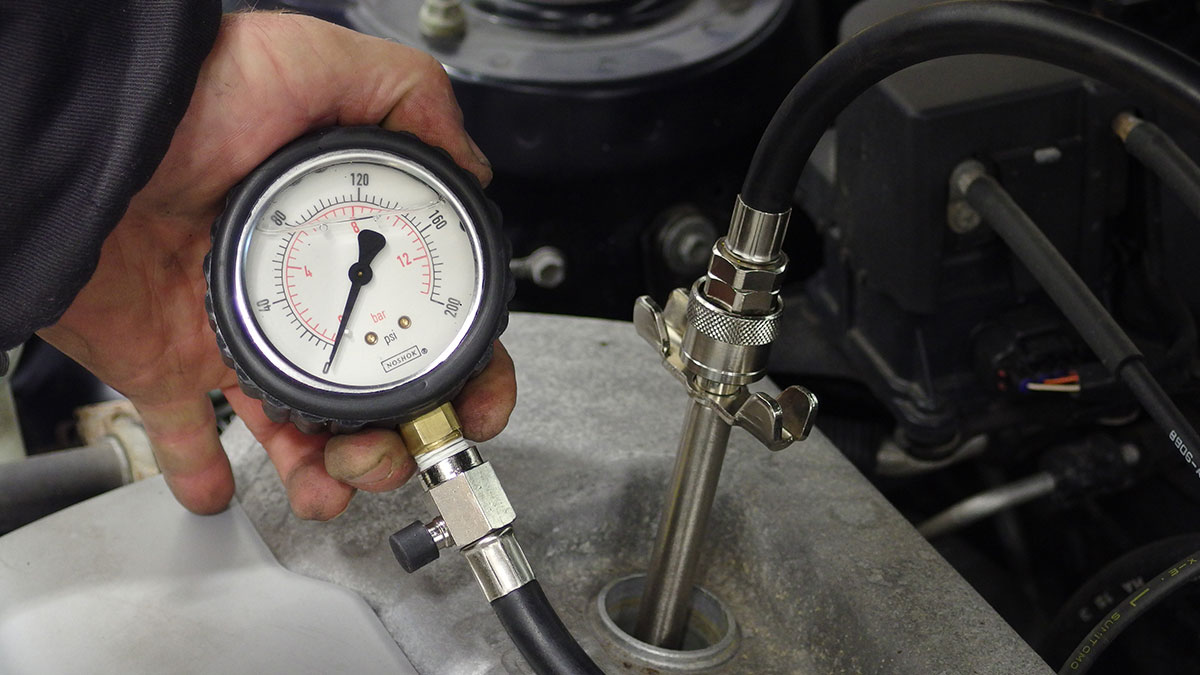
Pressure testing is an inspection process used to check whether an engine component can hold pressure without leaking. The component is sealed, pressurized, and inspected for signs of leakage or pressure loss.
In diesel engine pressure testing, the goal is to confirm the integrity of the component before it moves forward in the repair process.
This matters because cracks, porosity, worn sealing surfaces, and internal defects can be difficult to see without proper testing.
Why Testing Should Happen Before Machining or Reassembly
Pressure testing should be performed before major machining or final assembly whenever a leak is suspected.
Testing early helps avoid:
- Machining a damaged part that cannot be reused
- Reassembling an engine with a hidden leak
- Spending money on labor that does not solve the root issue
- Returning equipment to service with unresolved problems
A proper inspection process creates better repair decisions.
Why Miami and South Florida Engines Need Reliable Leak Detection
Engines in Miami and South Florida often work in demanding conditions. Heat, humidity, salt exposure, long run times, and heavy workloads all increase stress on engine components.
Pressure testing is especially important for:
- Marine engines
- Diesel trucks
- Commercial fleets
- Construction equipment
- Industrial engines
- Generators
- Heavy-duty equipment
A local machine shop with diesel experience can identify problems accurately and help reduce repeat failures.
Common Components That Need Pressure Testing
Several engine components may require pressure testing before repair or reassembly.
Cylinder Head Pressure Testing
Cylinder head pressure testing is one of the most common inspection services. Cylinder heads are exposed to heat, combustion pressure, coolant flow, and repeated thermal cycling.
Testing can help identify:
- Internal cracks
- Coolant leaks
- Porosity
- Sealing issues
- Damage from overheating
Engine Block Water System Testing
Engine blocks can develop internal leaks after overheating, corrosion, freezing damage, or previous failure. Pressure testing the water system helps verify whether the block is suitable for repair or machining.
Manifolds and Oil Coolers
Manifolds and oil coolers can also develop leaks that affect engine performance and reliability. Pressure testing helps confirm whether these components can return to service.
Components With Overheating or Coolant Loss History
Any component connected to overheating, coolant loss, or contamination should be inspected carefully before reuse.
Signs an Engine Component May Need Pressure Testing
Pressure testing is often recommended when there are symptoms that point to a possible leak.
Common warning signs include:
- Coolant loss with no visible leak
- Overheating after previous repairs
- Repeat head gasket failure
- White smoke from the exhaust
- Coolant contamination
- Oil and water mixing
- Low compression
- Bubbles in the cooling system
- Unexplained pressure loss
These symptoms should not be ignored. They often point to deeper problems that visual inspection may miss.
Pressure Testing vs Magnaflux Crack Detection
Pressure testing and magnaflux crack detection are both valuable inspection methods, but they are not the same.
Pressure Testing Finds Leaks
Pressure testing confirms whether a component can hold pressure. It is used to identify leaks, sealing problems, porosity, and internal defects that affect coolant, oil, or air passages.
Magnaflux Crack Detection Finds Structural Cracks
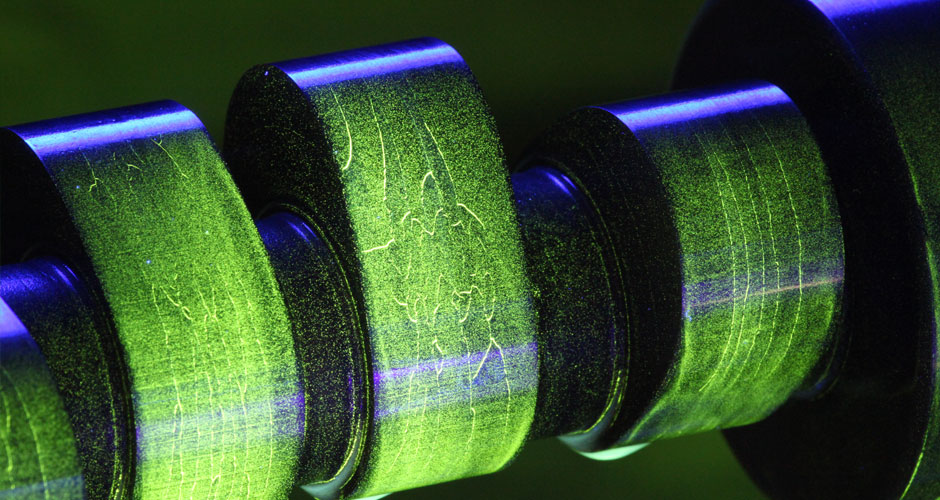
Magnaflux crack detection is used on ferrous metal components to find surface and near-surface cracks. It helps identify structural damage that may not always create an immediate leak.
Why Both Tests May Be Needed
Some components need both services. For example, a cylinder head may need magnaflux inspection to check for cracks and pressure testing to confirm sealing integrity.
Together, these tests give a clearer picture of whether a component should be repaired, machined, or replaced.
Where Pressure Testing Fits in the Engine Rebuild Process
Pressure testing works best when it is part of a structured machine shop workflow.
Cleaning Before Inspection
Components should be cleaned before inspection so contamination, scale, oil, and debris do not hide defects. This is why professional preparation, such as an engine block cleaning service, supports more accurate inspection and repair decisions.
Leak Testing Before Machining
Testing before machining helps confirm whether the part is worth repairing. This prevents wasted labor and improves rebuild planning.
Machining, Repair and Final Verification
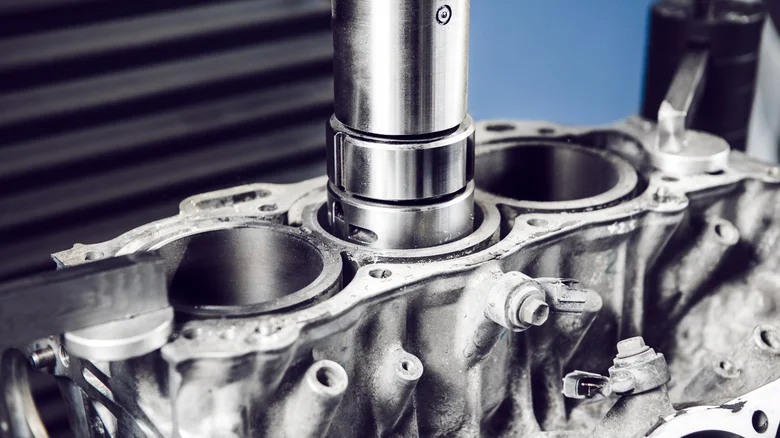
After inspection, the component may move into resurfacing, machining, crack repair, valve work, or additional verification depending on its condition. For block-related sealing problems, milling engine block work may be part of the repair path.
Why Choose Motor Service Group for Diesel Engine Pressure Testing
Motor Service Group provides diesel engine pressure testing, precision machining, and component repair in Miami for customers across South Florida.
Our machine shop works with key diesel engine components, including:
- Cylinder heads
- Engine blocks
- Manifolds
- Oil coolers
- Crankshafts
- Connecting rods
- Heavy-duty diesel components
Customers choose Motor Service Group because we focus on accurate inspection, precise machining, and reliable repair decisions. Our goal is to help customers avoid repeat failures and return engines to service with confidence.
Leak Testing Common Questions
Do you offer pressure testing for diesel engine components?
Yes. Motor Service Group provides pressure testing for cylinder heads, engine blocks, manifolds, oil coolers, and related diesel engine components.
When should a cylinder head be pressure tested?
Cylinder head pressure testing is recommended after overheating, coolant loss, head gasket failure, or any suspected internal leak.
What does pressure testing help detect?
Pressure testing helps detect leaks, sealing problems, porosity, internal defects, and pressure loss that may not be visible during inspection.
Is pressure testing needed before machining?
Yes. Testing before machining helps confirm whether the component is suitable for repair before more labor and cost are invested.
What is the difference between pressure testing and magnaflux crack detection?
Pressure testing finds leaks and sealing issues. Magnaflux crack detection finds surface and near-surface cracks in ferrous metal parts.
Find Leaks Before Reassembly
Need professional pressure testing, diesel engine pressure testing, or cylinder head pressure testing in Miami or South Florida?
Contact Motor Service Group today for precise inspection, expert machining, and reliable diesel engine repair support.