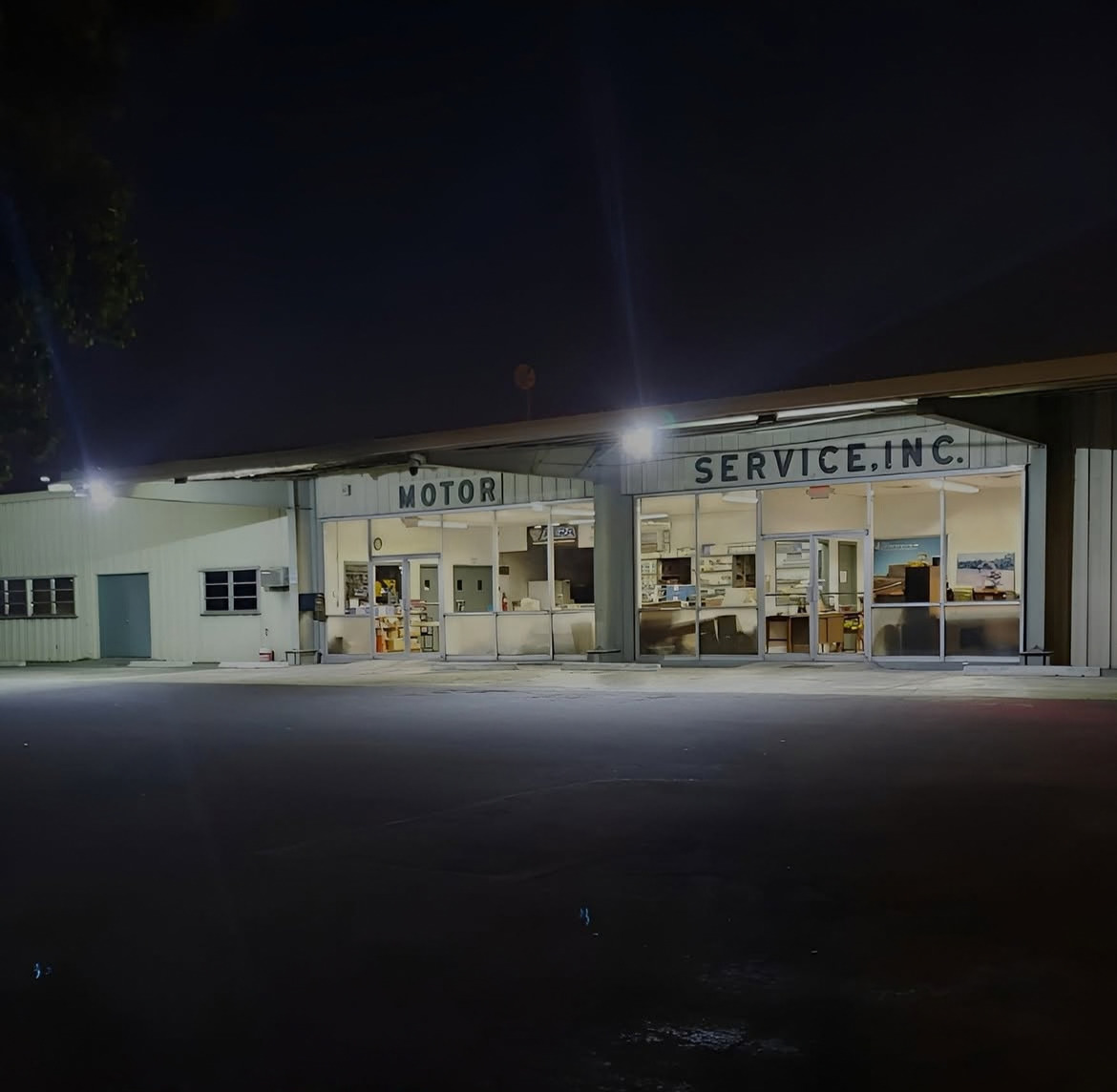


In a diesel rebuild, the engine block is not just another part. It is the foundation that supports cylinder geometry, head gasket sealing, and long term durability. If the deck surface is not flat, clean, and machined correctly, even new components can fail early. That is why milling engine block work should never be treated like a quick cleanup step. It is a precision machining operation that directly affects sealing, reliability, and service life. Motor Service Group is a diesel engine machine shop in Miami focused on precision machining, inspection, and repair of critical diesel engine components for heavy-duty, industrial, marine, and fleet applications.
What Is Engine Block Milling?
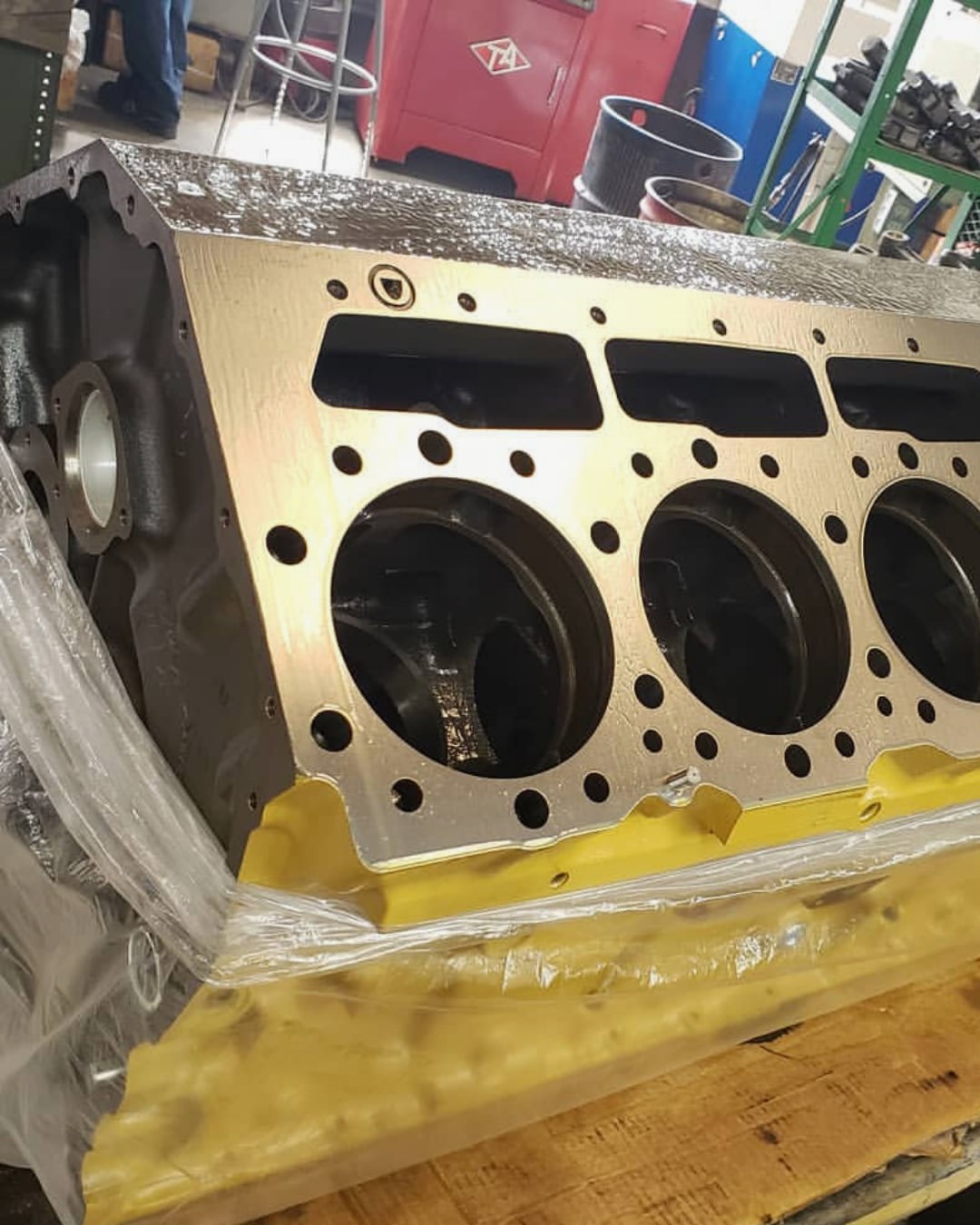
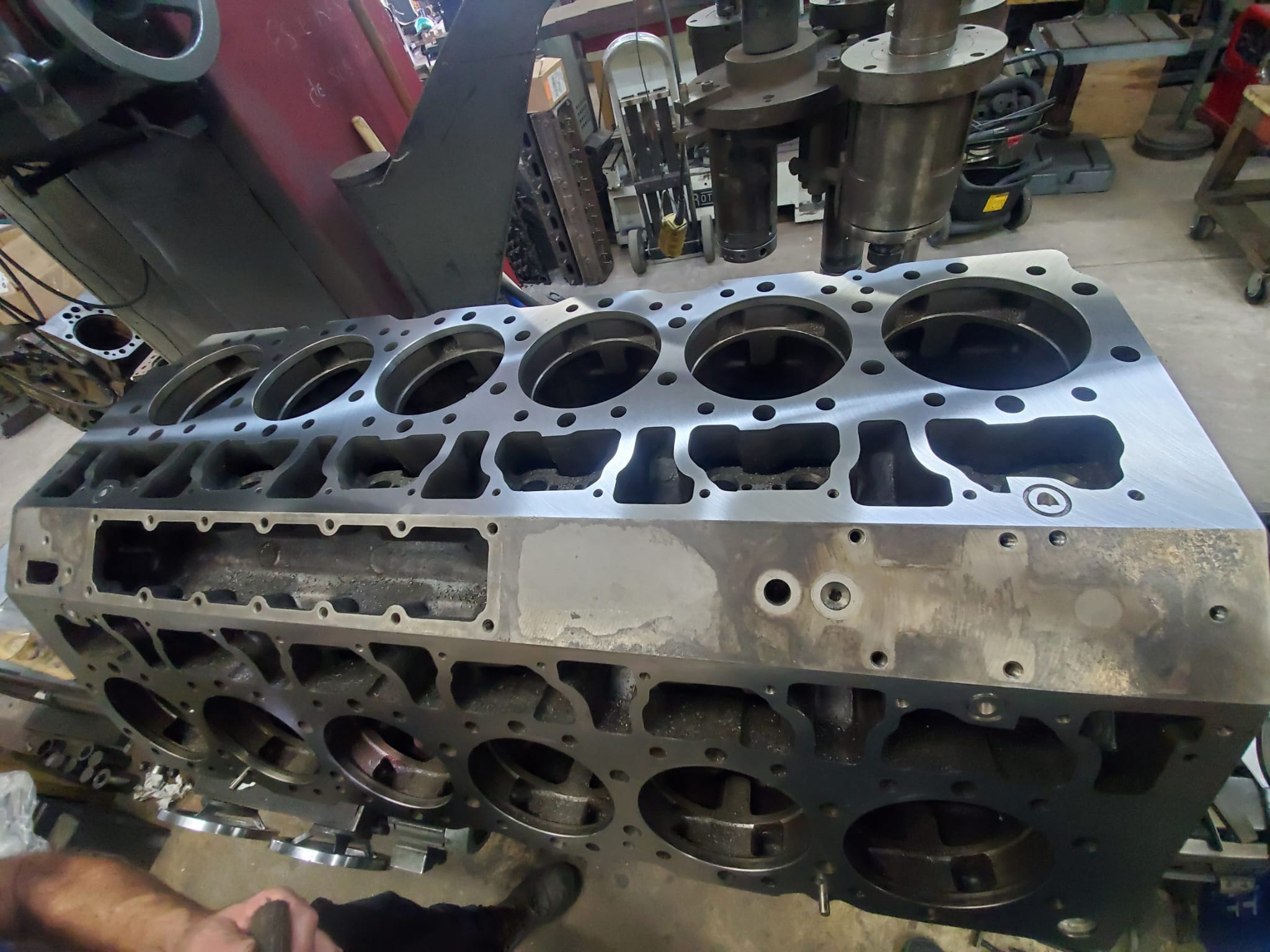
Engine block milling is the process of machining the block deck surface to restore flatness and create the correct sealing surface for the cylinder head and head gasket. This operation removes a controlled amount of material from the deck so the surface can meet the required finish and dimensional standards for the application. In practical terms, engine block milling is often discussed alongside engine block resurfacing because both deal with correcting the deck surface and preparing it for reliable sealing.
How milling engine block works
The process usually includes:
- cleaning the block before measurement
- inspecting the deck for damage, corrosion, pitting, and distortion
- measuring flatness and related tolerances
- machining the deck surface with the proper setup and tooling
- verifying the final surface before reassembly
A quality machine shop does not remove material blindly. The decision to machine the block should come from inspection and measurement, not assumption.
Engine block milling vs engine block resurfacing
In many cases, the two terms are used interchangeably. Buyers may search for engine block milling, while shops may describe the same operation as engine block resurfacing or deck resurfacing. The important point is not the wording. The important point is that the surface must be flat, smooth enough for the gasket being used, and correct for the engine’s rebuild requirements.
When Is Milling Engine Block Necessary?
Milling engine block becomes necessary when the deck surface is no longer suitable for proper sealing or rebuild quality. This can happen after overheating, head gasket failure, corrosion, high-hour operation, or previous rebuild work that did not correct the underlying geometry. Engine block machining is commonly required after overheating, bearing failure, or long service intervals in heavy-duty diesel applications.
Common signs the block deck may need machining
Watch for conditions such as:
- blown head gasket
- coolant leakage related to sealing failure
- combustion gas leakage
- visible pitting or corrosion on the deck
- warpage from overheating
- repeat failure after a previous rebuild
- signs that the surface finish is not compatible with the gasket being installed
These are not issues to ignore. The deck surface plays a major role in how the head gasket seals under heat, pressure, and thermal cycling.
Why inspection matters before machining begins
Visual inspection alone is not enough. A block can look usable and still be out of tolerance. Precision machining starts with accurate measurement and controlled inspection. That is especially important in diesel engines, where loads are high and sealing problems can lead to expensive downtime. Motor Service Group’s process emphasizes accurate measurement, controlled tolerances, and documented quality because unresolved geometry issues often cause repeat failures.
Why Engine Block Milling Matters in Diesel Rebuilds
A diesel rebuild is only as strong as the machining behind it. Replacing parts without correcting the block deck can leave the rebuild vulnerable from day one. Engine block milling matters because it restores the surface the head gasket depends on and helps bring the engine back to a reliable foundation for reassembly.
How surface condition affects head gasket sealing
For a head gasket to seal correctly, the block and head surfaces must have the proper finish and be within acceptable flatness limits. A surface that is too rough can damage sealing performance. A surface that is too smooth can also create problems depending on the gasket design. Deep scratches, waviness, pitting, and corrosion all reduce the gasket’s ability to seal combustion pressure and fluid passages.
Why precision machining supports long-term reliability
Precision machining protects more than one repair bill. It protects uptime. In fleet, marine, industrial, and heavy-duty diesel applications, poor machining can lead to repeat labor, additional teardown, and lost production time. Proper engine block milling supports a more stable rebuild by correcting the deck surface before the engine goes back into service.
What Causes an Engine Block to Need Resurfacing?
Engine block resurfacing is usually driven by damage, distortion, or sealing risk. The block deck has to withstand pressure, heat, and long operating hours, so even small surface issues can become major rebuild problems.
Overheating and thermal distortion
Overheating is one of the most common reasons an engine block needs resurfacing. Excess heat can distort the deck surface and create flatness problems that affect head gasket sealing. Once the deck is no longer true, reassembly without correction increases the chance of another failure.
Corrosion, pitting, and surface damage
Coolant issues, age, and operating environment can leave corrosion and pitting on the block deck. Even when damage looks minor, the gasket may not seal correctly across an uneven surface. Surface condition is a functional requirement, not a cosmetic detail.
Previous failures and poor rebuild practices
Some engines come back with repeat failures because the last rebuild focused on parts replacement instead of full inspection and machining. If the deck surface, bore geometry, or alignment issues are left unresolved, the engine may fail again even with new components installed.
The Engine Block Milling Process at a Precision Machine Shop
The best shops do not treat engine block milling as a stand-alone cut. They treat it as one step inside a controlled machining workflow.
Cleaning and pre-machining inspection
Before any measurement is trusted, the block needs proper cleaning. Dirt, residue, corrosion, and old gasket material can interfere with inspection and distort the real condition of the deck. Clean parts lead to better decisions.
Measuring the block and checking tolerances
After cleaning, the block is checked for flatness, visible damage, and any indications that the deck surface will compromise sealing. This is where experience matters. A precision diesel machine shop knows when resurfacing is required and when related machining operations should also be evaluated.
Machining the surface correctly
The actual engine block milling operation must use the proper equipment, tooling, and technique to produce the right finish for the application. Industry machining guidance consistently emphasizes that high-quality resurfacing depends on the right setup and the right surfacing method, not just material removal.
Final verification before reassembly
Once the deck is machined, the work should be verified before the engine is reassembled. Precision is the difference between a reliable rebuild and a temporary fix. Motor Service Group positions precision machining, inspection, and quality control as core parts of its process because the goal is long-term engine reliability, not just a fast turnaround.
Engine Block Milling and Other Critical Machining Services
Engine block milling rarely exists in isolation. In many diesel rebuilds, it connects with other machining and inspection steps that help restore the engine as a system.
Why engine block cleaning supports accurate machining
A clean engine block gives the machinist a more accurate starting point. Surface contamination can hide pitting, corrosion, and gasket damage. That is why professional engine block cleaning service should happen before critical inspection and machining decisions are made.
How milling fits into broader diesel engine repair
Engine block work is often paired with related services such as sleeving, align boring, and correction of other geometry issues. It also benefits from precise component restoration such as connecting rod polishing, because rebuild reliability depends on every key part meeting the right specifications.
Why Motor Service Group Is Trusted for Engine Block Machining in Miami
Motor Service Group is not a general repair shop trying to sound technical. The company presents itself as a diesel engine machine shop in Miami specializing in precision machining, inspection, and repair of critical diesel engine components. It also highlights more than 75 years of service in South Florida, with work centered on heavy-duty, marine, industrial, and fleet applications. That matters because milling engine block work should be handled by a shop that understands diesel loads, rebuild quality, and the cost of repeat failure.
Precision machining for diesel engine components
MSG’s positioning is built around:
- precision machining
- accurate inspection
- controlled tolerances
- documented quality
- correction of component geometry before reassembly
That is the right message for buyers looking for more than a basic cleanup job.
Inspection, repair, and quality control under one shop
When a diesel engine comes in with deck damage, sealing issues, or signs of distortion, the safest path is a process-driven evaluation. Shops that combine inspection, machining, and verification under one roof are better positioned to catch the problems that cause rebuilds to fail early.
Frequently Asked Questions About Milling Engine Block
Is milling engine block the same as engine block resurfacing?
In many cases, yes. The terms are often used interchangeably when describing machining the block deck surface to restore flatness and sealing quality.
How do you know when a block needs machining?
Common warning signs include overheating, blown head gaskets, pitting, corrosion, visible deck damage, and repeat sealing failure. Proper measurement is still required before the final decision is made.
Can engine block milling help prevent repeat failure?
Yes. If the root problem is poor deck condition, distortion, or an incorrect sealing surface, milling engine block work can help prevent the same issue from returning after reassembly.
Is every engine block automatically resurfaced during a rebuild?
No. The correct approach is inspection first. Some blocks may need resurfacing, while others may not. Machining should be based on condition and measurement, not assumption.
Why does surface finish matter so much?
Because head gasket sealing depends on the block and head surfaces being flat, clean, and finished correctly for the gasket application. Poor finish can allow leaks, pressure loss, and premature failure.
Need Precision Engine Block Machining?
If your diesel engine block shows signs of overheating, deck damage, corrosion, or repeat sealing failure, do not leave the rebuild to guesswork. Motor Service Group provides precision machining, inspection, and repair for critical diesel engine components in Miami.
Contact our team to schedule a professional evaluation and find out whether engine block milling or other machining services are needed to restore long-term reliability.