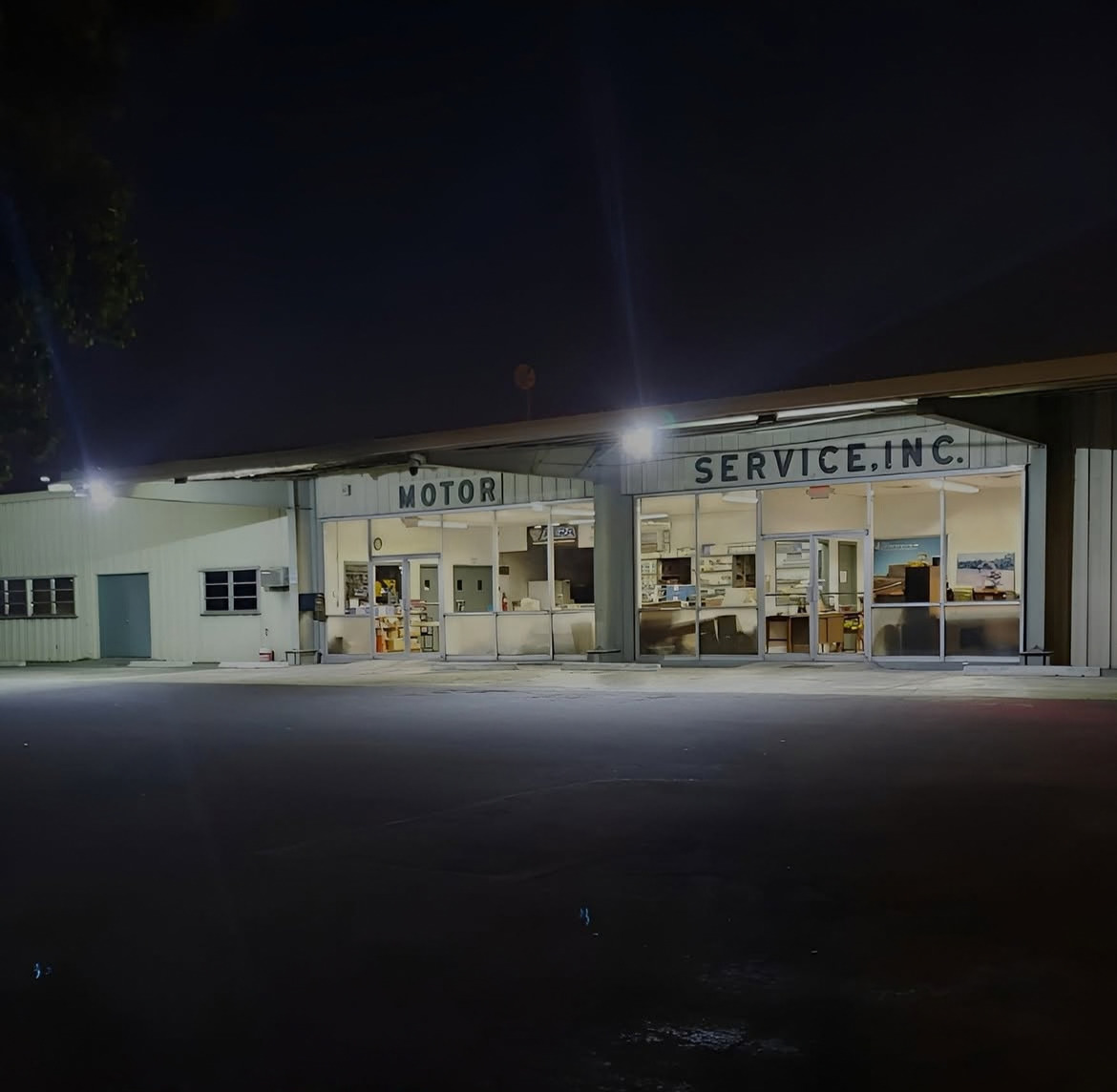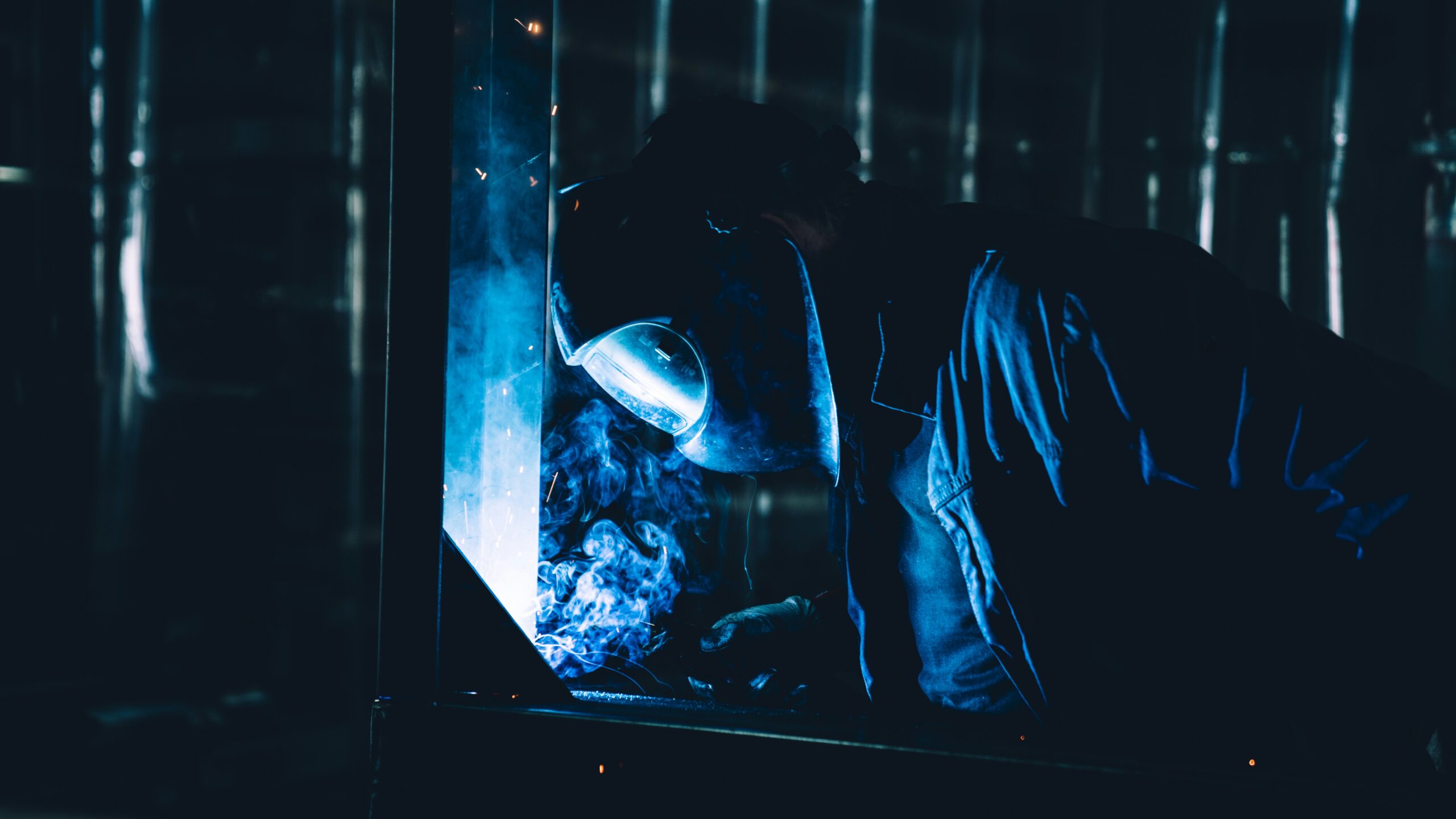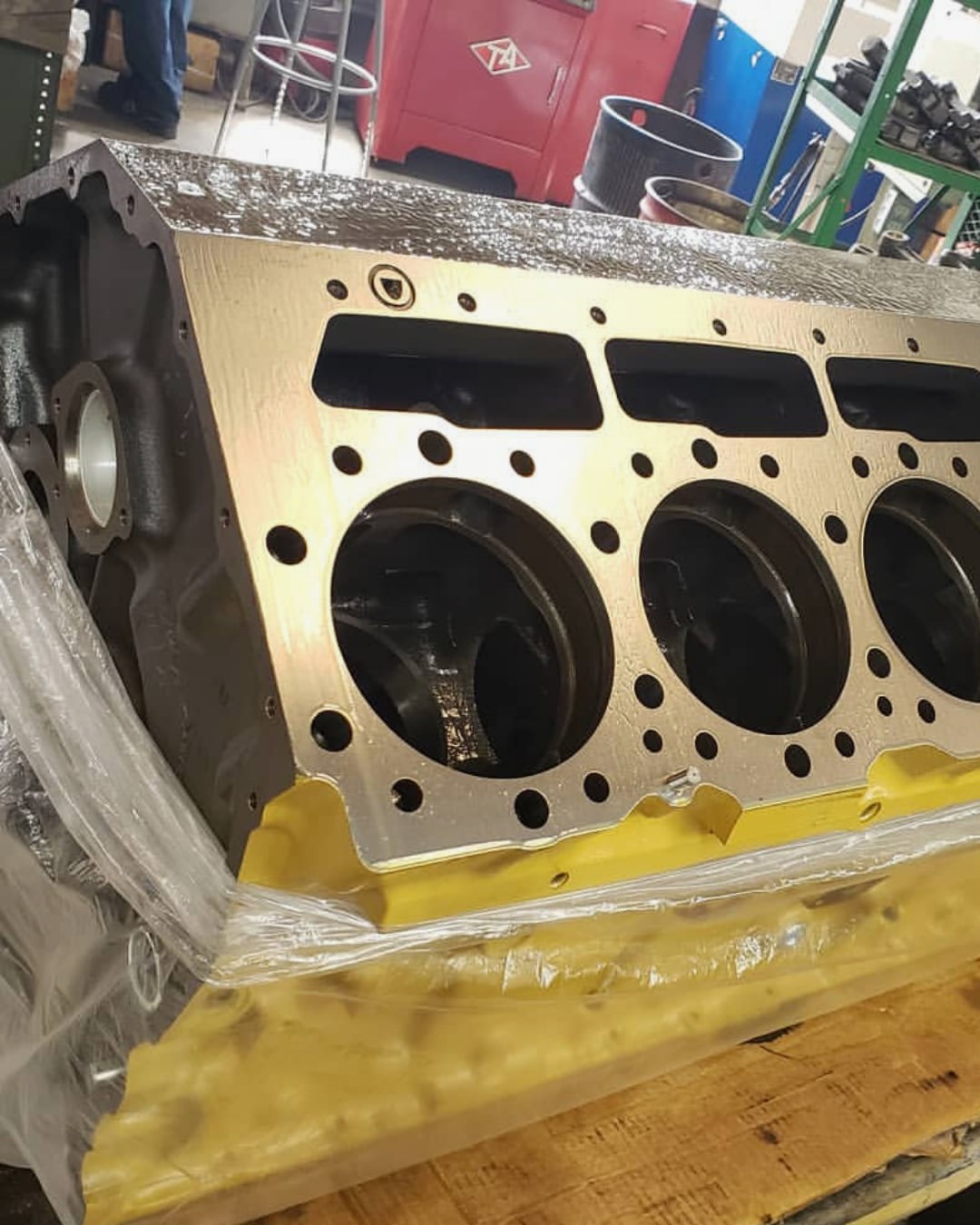


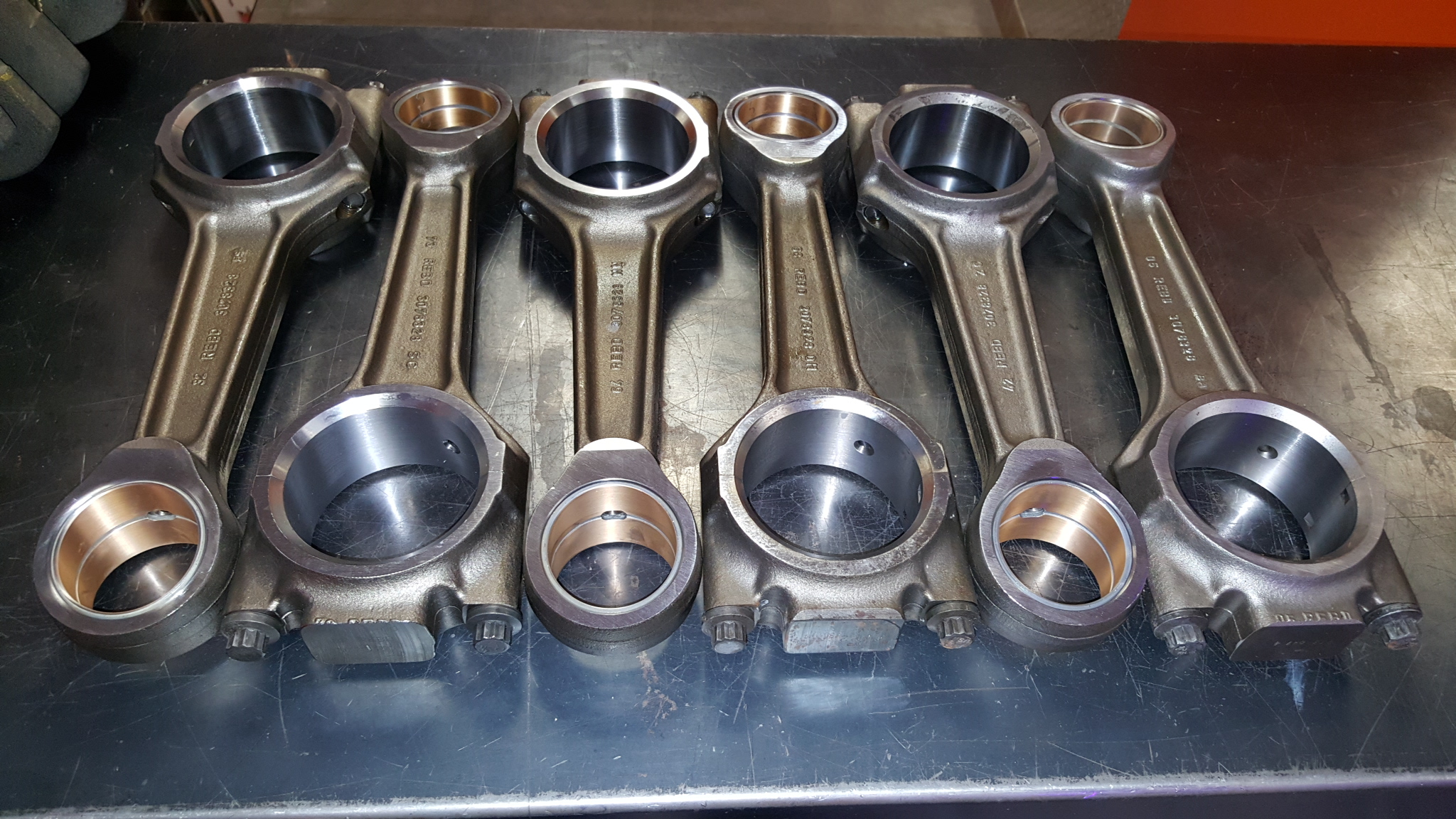
In a diesel rebuild, connecting rods are not minor parts. They are load-bearing components that transfer combustion force through every cycle of engine operation. If rod condition, bushing fit, or dimensional accuracy is off, the rebuild can lose reliability fast. That is why connecting rod polishing should never be treated like a cosmetic step. In a professional diesel machine shop, it belongs inside a broader process of connecting rod repair, inspection, measurement, and reconditioning. Motor Service Group in Miami positions its connecting rod work around bushing replacement, resizing, polishing, and measurement verification to factory specifications for heavy-duty diesel engines.
What Is Connecting Rod Polishing?
Connecting rod polishing is the controlled conditioning of rod surfaces as part of a reconditioning process. It is used to improve surface condition where appropriate and support a cleaner, more inspection-ready component. In real machine-shop work, polishing is not the whole service. It sits alongside cleaning, dimensional checks, bushing service, and other repair steps that bring the rod back into usable condition. Motor Service Group’s own service language places polishing inside precision connecting rod reconditioning, not as a stand-alone cosmetic offering.
What connecting rod polishing actually does
A professional approach may help with:
- improving surface condition as part of reconditioning
- preparing the rod for closer inspection
- supporting a more complete repair process
- complementing bushing and sizing work already being performed
The real value is not appearance. The value is process control and rebuild quality.
How connecting rod polishing fits into connecting rod repair
Successful connecting rod repair is based on condition, measurement, and factory-spec verification. On Motor Service Group’s site, connecting rod work includes cleaning the rods, measuring them, removing and installing a new bushing, and cutting the bushing to the correct diameter. That makes polishing one piece of a much larger connecting rod service workflow.
Why Connecting Rod Polishing Matters in Diesel Engines
Diesel engines place major load on internal rotating and reciprocating components. Machine-shop and engine rebuilding sources emphasize that diesel crankshafts and connecting rods are critical heavy-duty parts that require careful inspection and reconditioning during overhauls. That is why even supporting operations like connecting rod polishing matter when they are part of a disciplined diesel repair process.
Why connecting rods are critical load-bearing components
Connecting rods must handle repeated force, heat, and stress under demanding operating conditions. In marine, industrial, fleet, and heavy equipment diesel engines, those conditions are even more severe. Small dimensional problems can contribute to bigger reliability issues later, especially if the rod is reused without proper evaluation. Diesel rod reconditioning guidance stresses that rods should be returned to original specification for size, straightness, and length when they are serviced.
How polishing supports inspection and service quality
A properly conditioned rod is easier to inspect and evaluate. That matters because the shop needs to determine whether the component is suitable for reuse, needs bushing work, or requires additional correction. In other words, connecting rod polishing supports clarity in the reconditioning process, but only when it is paired with inspection and measurement.
When Does a Connecting Rod Need Repair or Reconditioning?
A connecting rod should be evaluated for repair or reconditioning during diesel rebuilds, after engine failures, or whenever there are signs of wear, bushing damage, or dimensional concerns. Industry reconditioning guidance describes rod service as a critical step in diesel overhauls, particularly because reused rods can create problems if size, straightness, or fit are no longer correct.
Signs a rod may need service
Common reasons a rod may need attention include:
- worn or damaged bushings
- visible wear or surface damage
- improper clearance
- signs of overheating
- suspected distortion
- rebuilds following internal engine failure
These are not problems to guess at. They require inspection.
Why measurement matters before repair decisions
Measurement is what separates real reconditioning from guesswork. Technical guidance on rod reconditioning stresses checking rods after cleaning and inspection, then verifying condition with the proper procedures before reuse. Motor Service Group also highlights measurement verification to factory specifications as part of its connecting rod reconditioning service. That is exactly the right approach for diesel repair.
What Is Included in a Professional Connecting Rod Service?
A professional connecting rod service should cover more than one operation. The goal is not just to touch up the part. The goal is to restore function, fit, and reliability as part of the rebuild.
Cleaning, inspection, and measurement
The process starts by cleaning the connecting rod and inspecting it for wear or damage. Motor Service Group states that its shop cleans connecting rods and measures them before moving into bushing service. That sequence matters because the true condition of the part has to be understood first.
Bushing replacement and sizing
Motor Service Group also states that it removes and installs a new bushing, then cuts the bushing to the correct diameter according to engine specifications. This is a major part of connecting rod repair because fitment and clearance directly affect service life. Diesel reconditioning guidance similarly emphasizes returning rods to correct size and specification.
Polishing as part of reconditioning
Polishing belongs inside this broader workflow. On its site, Motor Service Group describes connecting rod reconditioning as including bushing replacement, resizing, polishing, and measurement verification. That is the right framing. It tells the customer that polishing is part of precision component restoration, not an isolated quick fix.
What Problems Can Poor Connecting Rod Condition Cause?
Poor connecting rod condition can weaken the quality of the entire rebuild. If the rod is worn, out of spec, or not properly serviced, the problem does not stay isolated to one part.
Fitment and clearance issues
Bushing wear and sizing errors can lead to poor fitment. That creates risk in operation and can shorten rebuild life. Diesel rod reconditioning resources are consistent on this point: rods should be machined back to OEM specification and properly serviced when wear is present.
Repeat failure after rebuild
Motor Service Group’s own diesel machining content explains that repeat failures often happen when geometry and tolerances are not corrected during rebuild work. That logic applies directly here. If rod service is skipped or done poorly, new parts alone may not protect the engine from early problems.
How Connecting Rod Polishing Fits Into a Precision Machining Workflow
Connecting rod polishing should be viewed the same way the best machine shops view other component operations: as one step inside a complete accuracy-driven workflow that also includes services such as milling engine block for diesel rebuilds.
Why polishing should not be treated as a shortcut
Polishing does not replace inspection. It does not replace measurement. It does not replace bushing work when the bushing is worn. It supports the process, but only as one part of a proper repair sequence.
How rod service connects with other machining work
Rebuild quality depends on the whole system. Block surfaces, head condition, and connecting rod service all affect long-term performance. That is why professional engine block cleaning service and accurate milling engine block work matter just as much as component reconditioning.
Why Choose Motor Service Group for Connecting Rod Repair in Miami
Motor Service Group has operated in Miami since 1949 and presents itself as South Florida’s diesel engine machine shop for heavy-duty, marine, industrial, and fleet applications. Its services and recent articles consistently emphasize in-house machining, inspection, and factory-spec verification. For connecting rod repair, that matters. Buyers need a shop that treats polishing, bushing replacement, and measurement as part of one precise process.
Frequently Asked Questions About Connecting Rod Polishing
What is connecting rod polishing?
It is a conditioning step used during reconditioning to improve surface condition and support inspection and repair. At Motor Service Group, it is part of a larger connecting rod reconditioning process.
Is connecting rod polishing the same as connecting rod repair?
No. Polishing is only one part of connecting rod repair. Full repair may also include cleaning, measuring, bushing replacement, resizing, and specification checks.
When does a connecting rod need reconditioning?
Usually during overhauls, after engine failure, or when inspection shows wear, bushing issues, or dimensional problems. Diesel reconditioning sources describe it as a critical overhaul step.
What is included in a connecting rod service?
At Motor Service Group, connecting rod service includes cleaning, measuring, bushing replacement, cutting the bushing to the correct diameter, and reconditioning steps such as polishing.
Restore Connecting Rods With Precision
Restore connecting rods with the precision your diesel rebuild demands. Motor Service Group provides connecting rod repair, bushing service, polishing, and factory-spec verification in Miami for heavy-duty diesel engines.
Contact our team to evaluate your components and keep your rebuild on the right path.