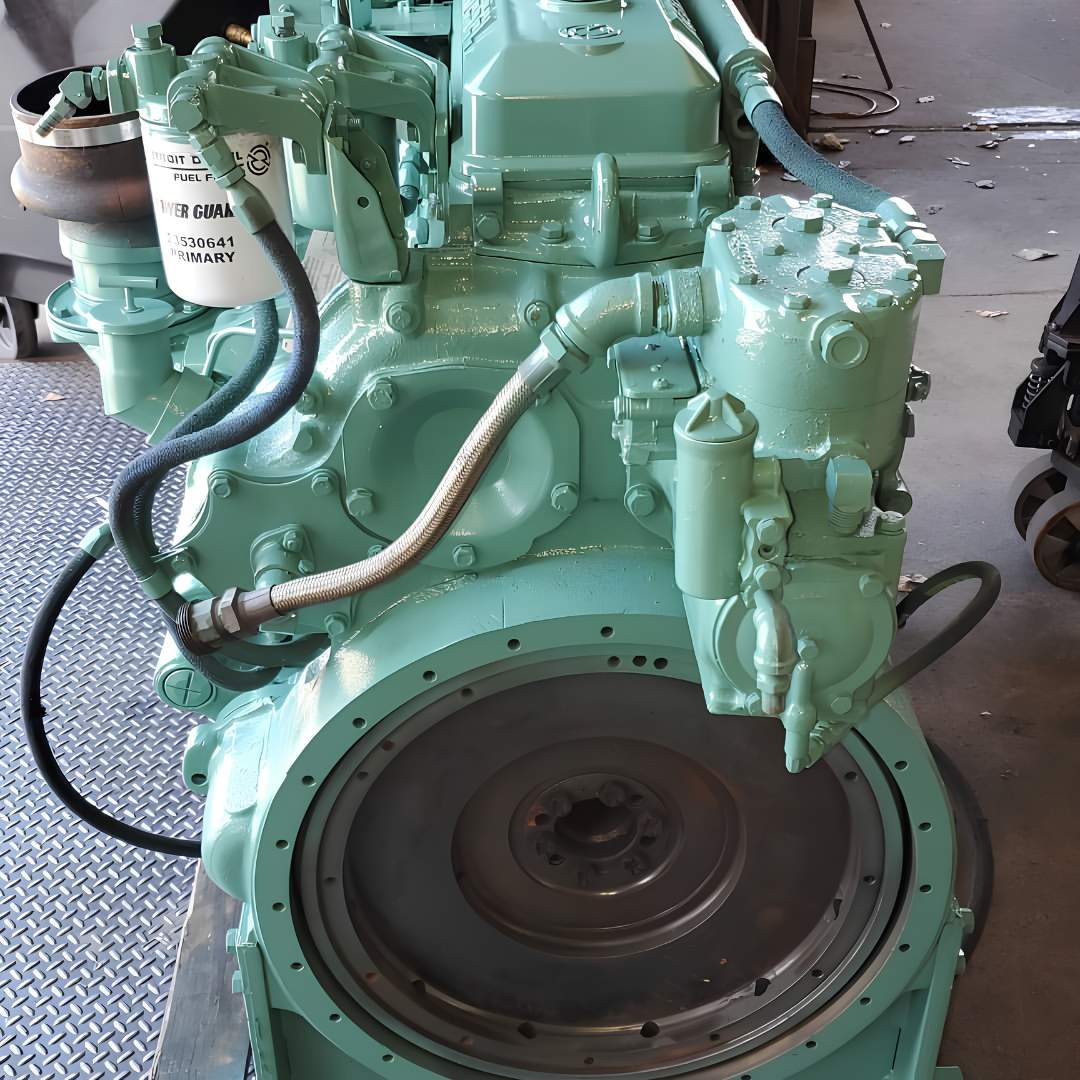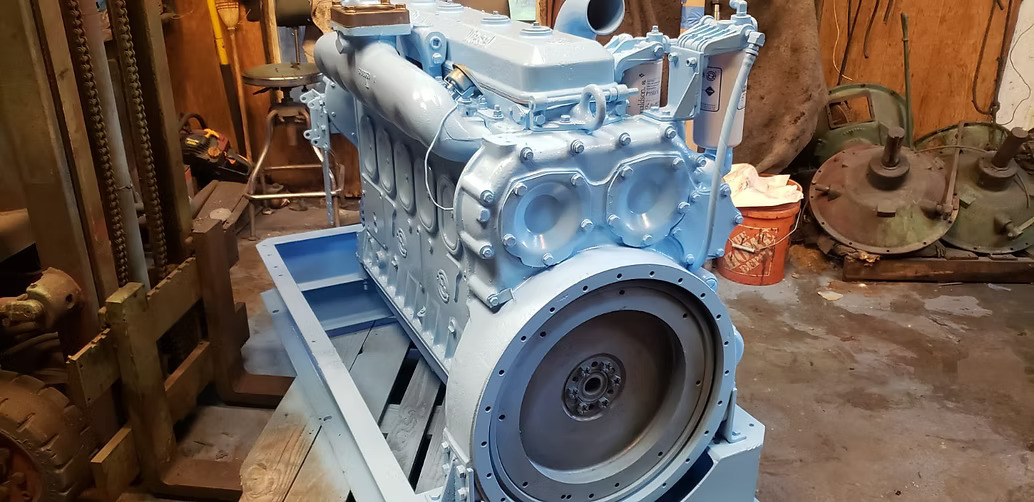


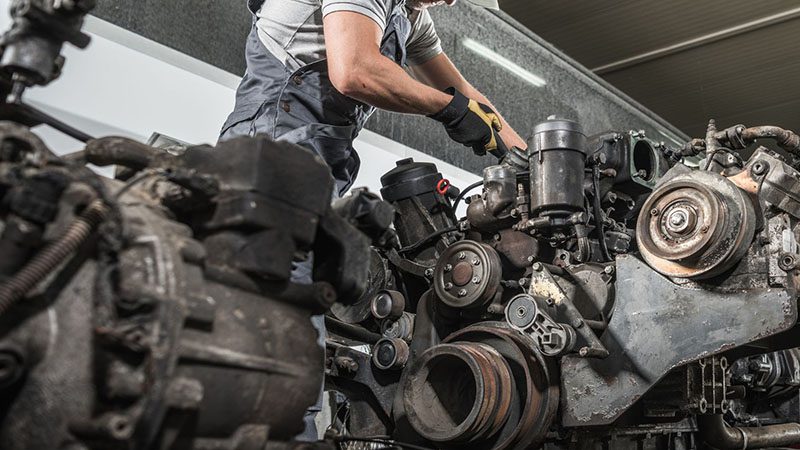
A diesel engine rebuild often represents a significant investment in parts, labor, and downtime. Yet many rebuilt engines fail again within months — not because of defective components, but because the underlying engine geometry was never restored.
When cylinder bores become out of round, main bearing bores shift out of alignment, or deck surfaces lose flatness, new components are forced to operate under uneven stress. This leads to accelerated wear, unstable lubrication, and premature failure.
Rebuilding without precision machining does not restore engine condition. It only delays the next breakdown.
This article explains why proper machining is critical to diesel engine reliability, which components are most affected by wear, and how professional machine shop processes prevent repeat failures in heavy-duty diesel engines.
The Real Cost of Rebuilding Without Machining
Repeat engine failures are not just mechanical problems — they are operational risks that directly impact productivity and profitability.
When an engine fails shortly after a rebuild, the consequences often include:
- unexpected equipment downtime
- emergency repair expenses
- lost production revenue
- reduced fleet availability
- increased long-term maintenance costs
In heavy-duty industries such as mining, marine, construction, and transportation, a single repeat failure can disrupt operations for days or even weeks.
Proper machining is not an optional step in a rebuild. It is a reliability investment that prevents costly interruptions.
The Difference Between a Diesel Engine Machine Shop and a Basic Rebuild Facility
Not all rebuilds are performed with the same level of precision. The difference between a reliable engine and a short-lived one often comes down to the repair process.
A basic rebuild facility typically focuses on:
- replacing visibly worn components
- cleaning parts
- installing new bearings, seals, and gaskets
- reassembling the engine
While these steps are necessary, they do not address structural wear or distortion within the engine.
A professional diesel engine machine shop goes much further by:
- performing precision measurements before and after machining
- correcting geometry and alignment issues
- restoring surfaces to OEM specifications
- verifying results through inspection and testing
Engines rarely fail repeatedly because parts were replaced incorrectly. They fail because worn or distorted structures were never returned to proper operating condition.
Why Engine Machining Services Are Essential to a Successful Rebuild
Diesel engines operate under extreme loads, high temperatures, and long duty cycles. Over time, these conditions cause components to wear beyond acceptable tolerances.
This type of wear cannot be corrected by installing new parts alone. Precision machining is required to restore proper geometry and operating conditions.
Machining Restores Geometry, Not Just Appearance
As engines accumulate operating hours, critical features gradually change shape:
- cylinder bores lose roundness
- deck surfaces lose flatness
- main bearing bores move out of alignment
Machining restores these features to their original specifications so the engine can:
- maintain proper compression sealing
- distribute loads evenly
- stabilize lubrication film
- operate under correct thermal conditions
Without restoring geometry, new components are forced to operate under uneven stress, which leads to rapid wear.
Key Machining Processes That Prevent Repeat Failure
A proper diesel engine rebuild typically requires machining across several major components.
Engine Block Machining
- boring and honing cylinder walls
- installing sleeves when required
- align boring main bearing bores
Cylinder Head Machining
- pressure testing for leaks
- surface machining
- valve and seat repair
Crankshaft Machining
- grinding journals to specification
- polishing to correct surface finish
Connecting Rod Machining
- bushing replacement
- resizing and alignment correction
Skipping any of these steps introduces risks that careful assembly alone cannot eliminate.
What Happens When Engines Are Rebuilt Without Proper Machining
Engines rebuilt without machining may start and run initially, but problems often appear quickly under real operating conditions.
Common outcomes include:
- bearing failure or seizure
- excessive oil consumption
- low compression
- overheating
- premature gasket failure
These failures occur because engine components are no longer operating within correct geometry.
In many cases, engines rebuilt without machining fail again within a short period, creating costly downtime and repeated repairs.
Hidden Geometry Problems That Cause Repeat Failures
Many of the most damaging engine issues are not visible without precision measurement.
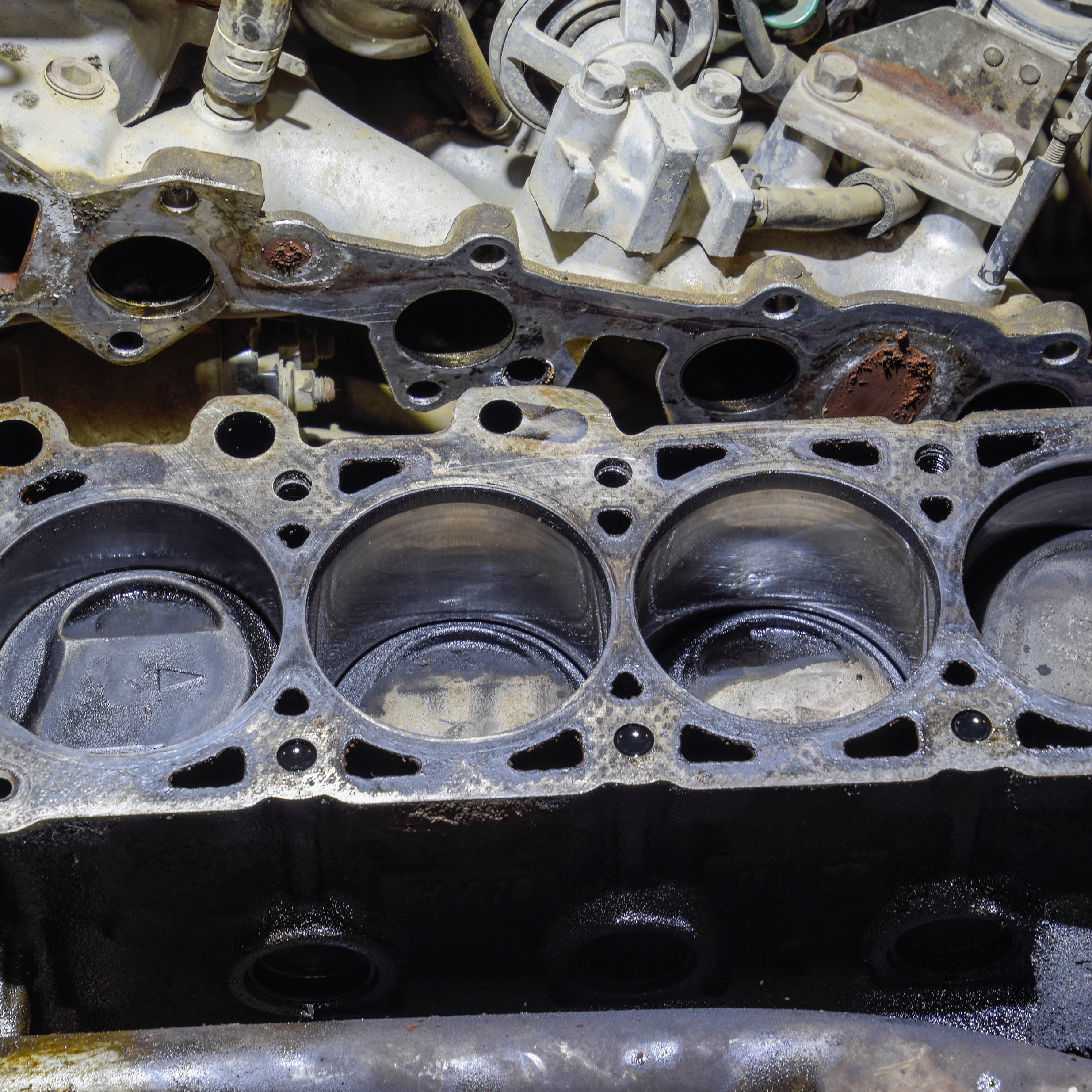
Out-of-Round Cylinder Bores
Out-of-round cylinder bores are one of the most common causes of rebuild failure. When bores lose their roundness:
- piston rings cannot seal evenly
- oil control becomes unstable
- heat distribution becomes uneven
This leads to:
- scuffing
- blow-by
- accelerated piston and ring wear
Even small deviations from specification can significantly shorten engine life.
Other Common Geometry Issues
Additional problems that contribute to repeat failure include:
- improper deck flatness causing gasket leaks
- misaligned main bores increasing bearing loads
- crankshaft runout affecting lubrication stability
These issues often go undetected without a proper inspection and machining process.
The Role of Inspection and Measurement in Preventing Engine Failure
Machining decisions must always be based on accurate measurement data, not assumptions.
Visual inspection alone cannot identify:
- internal cracks
- hidden distortion
- surface defects
- sealing failures
Professional diesel engine machine shops rely on:
- precision measurement instruments
- pressure testing procedures
- crack detection methods such as magnaflux
- detailed inspection protocols
These processes confirm whether components can be safely machined or require replacement.
Why Precision Machining Matters Most in Heavy-Duty Diesel Applications
Industrial diesel engines operate under far more demanding conditions than light-duty engines.
Factors that increase the importance of machining accuracy include:
- higher combustion pressures
- longer continuous operating hours
- heavier rotating loads
- severe thermal cycling
In these environments, even small tolerance errors can become major failure points. Precision machining reduces stress concentrations and helps engines withstand demanding duty cycles.
Choosing the Right Diesel Engine Machine Shop
Preventing repeat failures begins with selecting a machine shop that prioritizes precision and inspection.
When evaluating a diesel engine machine shop, look for:
- in-house machining capability for major components
- documented measurement and inspection processes
- experience with heavy-duty diesel engines
- pressure testing and crack detection services
- proven expertise in precision machining
A qualified machine shop provides more than a rebuild — it restores reliability and long-term performance.
Preventing Repeat Diesel Engine Failures Starts With Precision Machining
Replacing worn parts alone does not restore engine condition. A successful rebuild requires correcting the structural causes of failure.
Precision measurement, machining, and inspection ensure that engine geometry, alignment, and surface finish meet OEM specifications. This allows new components to operate under stable conditions and deliver long service life.
If your diesel engine has experienced repeat failures or short rebuild life, unresolved geometry issues are often the root cause.
Contact our team to learn how professional diesel engine machining can restore reliability, reduce downtime, and prevent costly breakdowns.