

A fleet truck comes in with a mount that cracked years ago and was never available as a replacement part, not from the manufacturer, not from a supplier. A marine engine needs a bracket for equipment that was added after the vessel was built. Neither problem gets solved by ordering a part number, because no part number exists. Custom fabrication and welding for diesel engine components covers exactly this kind of repair, building or rebuilding the part that isn’t in any catalog, so equipment that doesn’t fit a manual still gets fixed correctly.
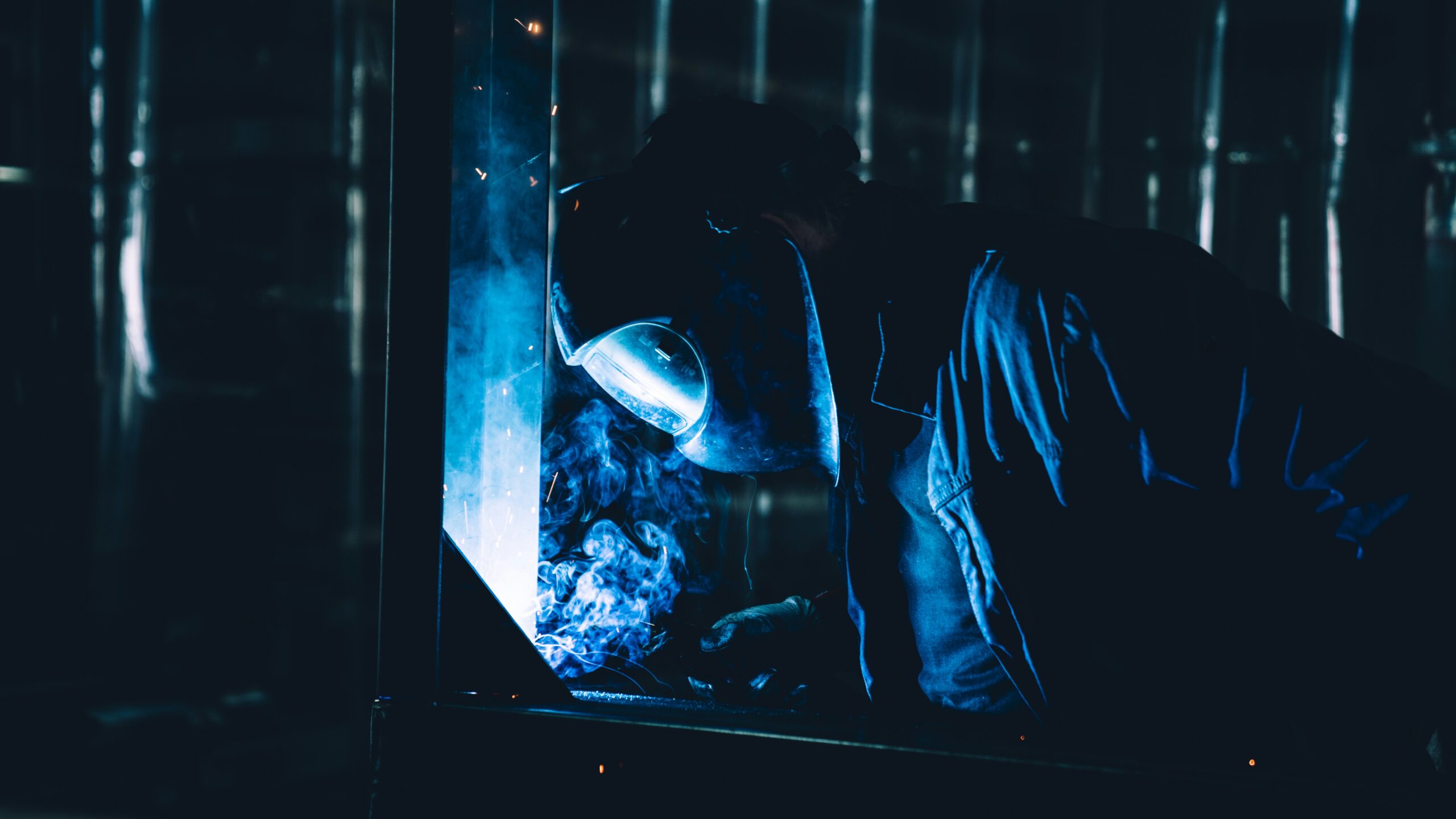
What Custom Fabrication and Welding Actually Covers
Mounts, Brackets, and Non-Catalog Parts for Equipment That Doesn’t Fit a Manual
Custom fabrication covers engine mounts, brackets, adapter plates, and one-off parts built to match equipment that has been modified, discontinued, or custom-built from the start. The goal is a part that fits and holds up the same way an original would, even when no original exists to copy from.
What This Service Does Not Cover: Welding Cracked Engine Blocks
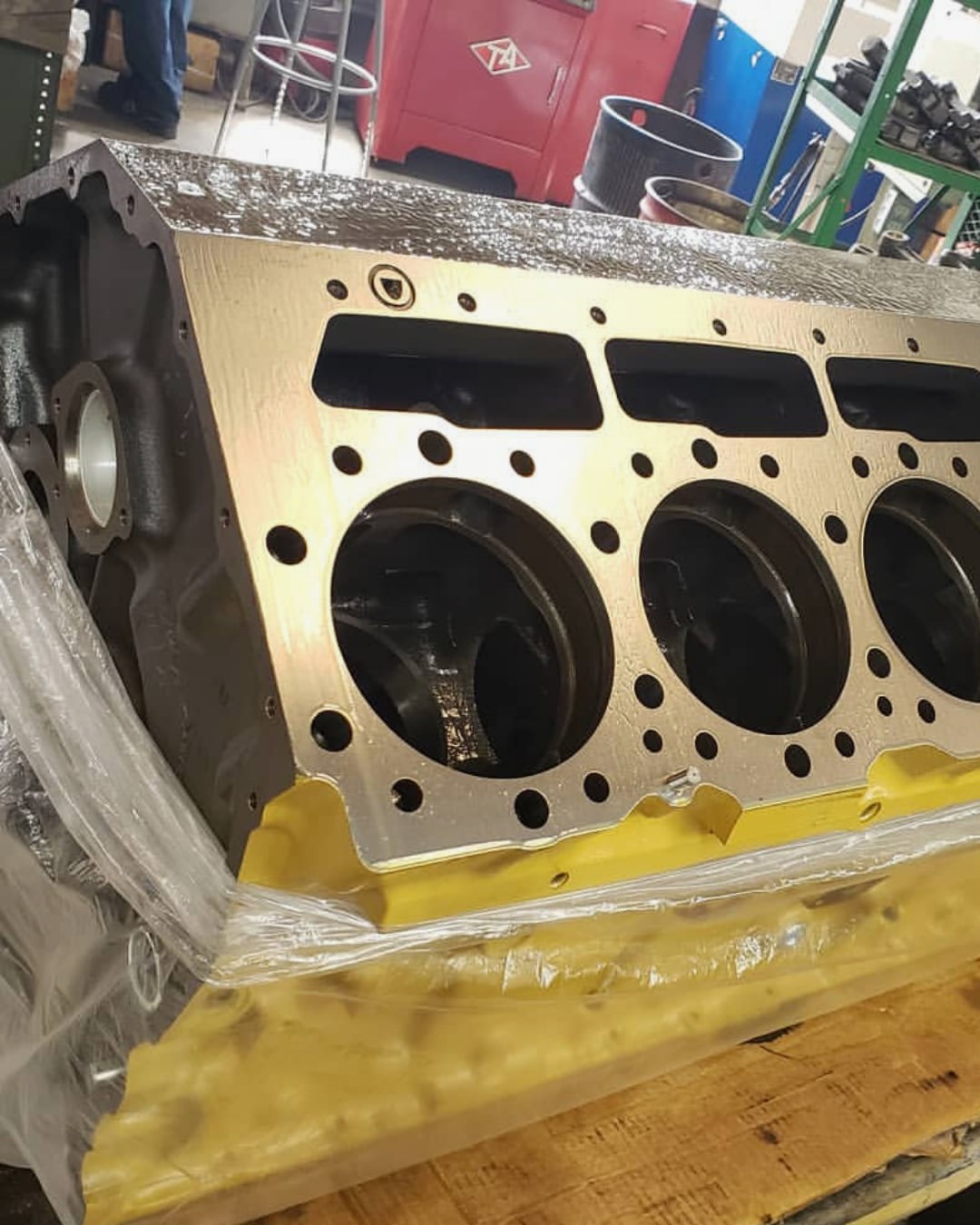
This service does not include welding a cracked engine block as a repair method. A cracked block gets sleeved or replaced, not welded, because a weld repair on a block under compression and thermal cycling does not hold up the way the original casting does. Custom fabrication is for mounts, brackets, and non-catalog parts outside the block itself, not a structural fix for the block.
If you want to learn more about how we handle structural block repair instead, check out our guide on engine block services.
Custom Machining and Fabrication: How the Two Work Together
Why Fabrication Often Starts With a Precision-Machined Part
Custom machining and fabrication usually happen together, not as separate jobs. A fabricated bracket or mount often needs a machined surface, a bored hole, or a precise fit where it bolts to the engine, and getting that tolerance right the first time is what keeps a fabricated part from working loose or wearing unevenly.
Matching a New Fabricated Component to Original Tolerances
Building a replacement part without an original to measure against means working from the mating surfaces, bolt patterns, and clearances still on the engine. That is a machining problem as much as a welding one, which is why a shop that only welds struggles to fabricate a part that actually holds tolerance.
Fleet and Marine Welding Repair: Why Non-Catalog Fixes Come Up So Often
Equipment That’s Been Modified, Discontinued, or Custom-Built From the Start
Fleet and marine welding repair comes up more often than it does on passenger vehicles because so much of that equipment gets modified after purchase, added accessories, swapped components, custom installs. Once a unit no longer matches its original configuration, factory replacement parts often no longer match it either.
Why Marine and Fleet Applications See More One-Off Repairs Than Passenger Vehicles
Marine engines in particular are frequently repowered into hulls they were never designed for, which means the mounts and brackets connecting engine to vessel are custom by definition. Fleet trucks running specialized equipment see the same pattern with PTOs, generators, and auxiliary components bolted on outside the original spec.
When a Shop Needs In-House Fabrication Instead of Outsourcing It
What Gets Lost When a Job Goes to a Third-Party Welder
Sending a fabrication job to a separate welding shop means the person building the part never sees the engine it has to fit. Measurements get relayed instead of verified directly, and a part that looks right on paper can still miss the actual clearance or alignment needed once it is back on the engine.
Why In-House Fabrication Changes Turnaround Time on Non-Standard Repairs
Keeping fabrication in-house means the same shop measuring, machining, and fitting the part controls the whole timeline, instead of a job bouncing between two shops and two schedules. For a fleet or marine customer with equipment sitting idle, that difference is often the deciding factor.
The Custom Fabrication Process at a Precision Machine Shop
Assessing the Part or Failure Before Cutting Any Metal
Every fabrication job starts with assessing what actually failed and what the replacement needs to do, not just replicating the broken part as-is. A mount that failed from vibration or fatigue may need a design adjustment, not an identical rebuild of the same weak point.
Fabricating, Fitting, and Verifying Before It Goes Back Into Service
Once the part is built, it gets fitted and checked against the actual engine before it goes back into service, confirming alignment and clearance rather than assuming the fabricated piece matches. Skipping that verification step is how a fabricated part fails again within months.
Getting Custom Welding and Fabrication Done Right in Miami
Why Fleet and Marine Operators Need a Shop That Can Do Both Machining and Fabrication
Fleet and marine operators across Miami and South Florida run equipment that regularly needs both precision machining and custom fabrication on the same job, so splitting that work between two shops adds delay for no real benefit.
Motor Service Group’s In-House Fabrication Capability
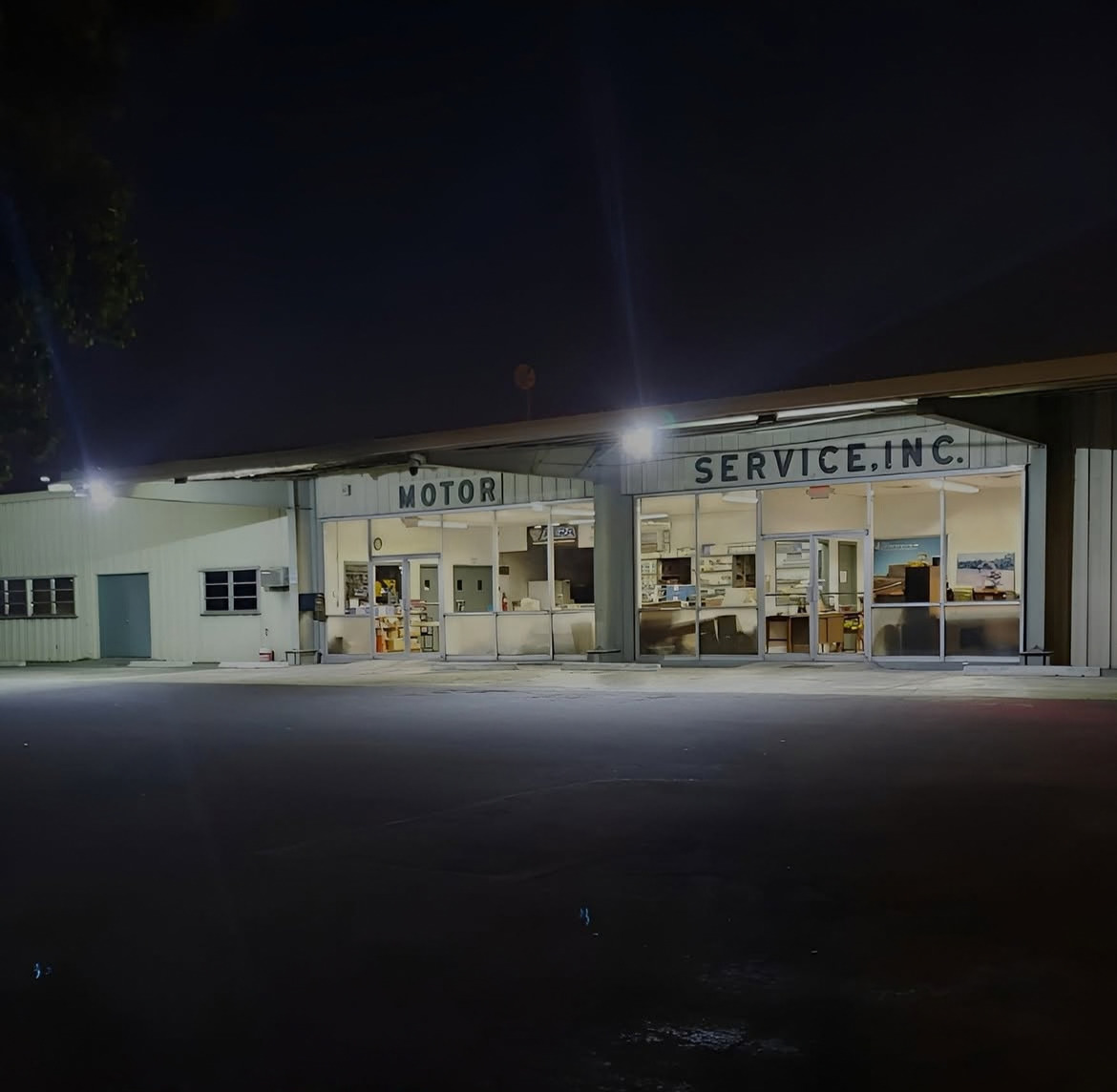
Motor Service Group handles custom welding and fabrication in-house alongside its machining and inspection work, building mounts, brackets, and non-catalog parts for fleet operators, marine mechanics, and diesel customers across Miami and South Florida without sending the job out.
If you want to learn more about how we diagnose issues that aren’t always what they first look like, check out our guide on diesel injector tube replacement.
Non-Catalog Repairs, Answered
Does Motor Service Group weld cracked engine blocks?
No. A cracked block gets sleeved or replaced, not welded, since a weld repair does not hold up under the compression and heat cycling a block sees in service.
What kinds of parts does custom fabrication cover?
Engine mounts, brackets, adapter plates, and other non-catalog parts built to fit equipment that has been modified, discontinued, or custom-built from the start.
Why do fleet and marine engines need custom fabrication more often than passenger vehicles?
Fleet and marine equipment gets modified after purchase more often, added accessories, repowers, custom installs, which means factory replacement parts frequently no longer match the equipment as it actually sits.
Why have fabrication done in-house instead of sending it to a separate welding shop?
Keeping fabrication in-house means the same shop measuring and fitting the part controls the whole timeline and can verify the fit directly on the engine, instead of relying on measurements relayed between two shops.
Does custom fabrication include machining, or just welding?
Both. Most fabricated parts need a machined surface, bore, or fitting point to hold tolerance, so custom machining and fabrication typically happen as one job, not two.
No Part Number? No Problem.
If your fleet or marine equipment needs a part that doesn’t exist in a catalog, that’s exactly what custom fabrication is for. Motor Service Group builds and machines mounts, brackets, and non-catalog parts in-house for operators across Miami and South Florida. Contact us today to get a non-standard repair done right the first time.