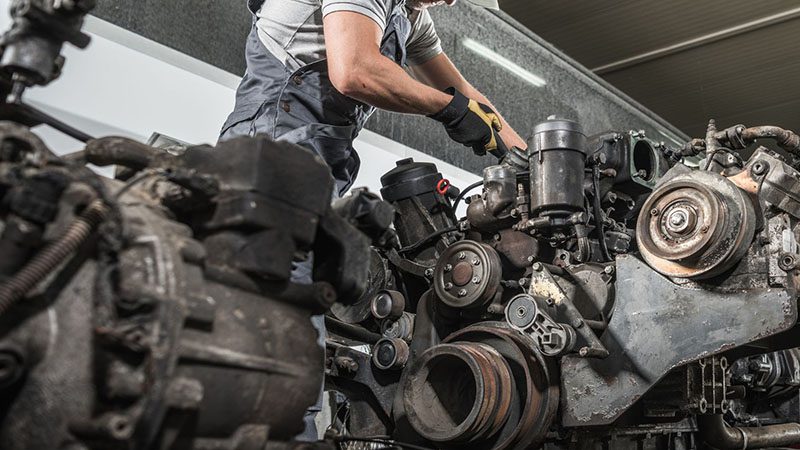


Diesel engines in heavy-duty, industrial, marine, and fleet applications operate under extreme pressure, heat, and continuous load. Over time, these conditions cause wear, distortion, and loss of critical tolerances. When that happens, replacing parts alone is often not enough.
Preventive diesel engine machining focuses on early intervention. Instead of waiting for catastrophic failure, precision machining corrects geometry, alignment, and surface conditions before damage escalates into a full rebuild. This approach significantly reduces downtime, controls cost, and improves long-term reliability.
For maintenance managers and fleet operators, preventive machining is not an expense. It is a cost control strategy.
What Is Diesel Engine Machining and Why It Matters
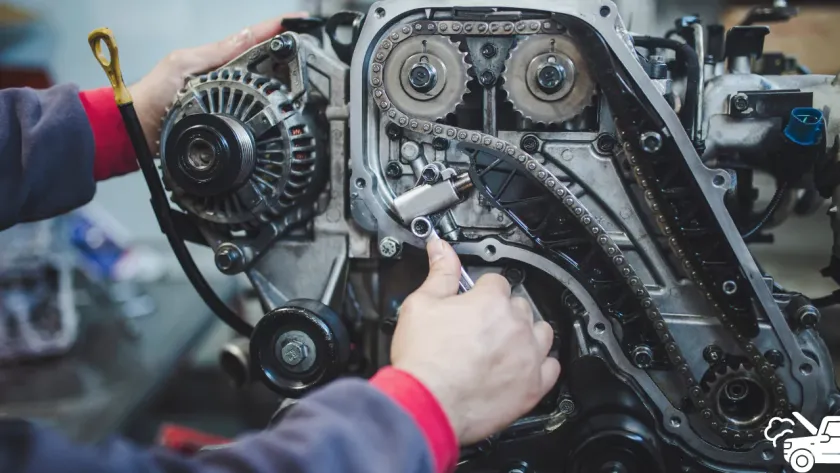
Diesel engine machining is the precision restoration of engine components to OEM specifications using specialized industrial equipment and controlled measurement processes.
Unlike basic engine repair, which focuses on replacing worn or broken parts, diesel engine machining addresses the surfaces and geometry those parts depend on. Bearings, seals, pistons, and gaskets all rely on correct alignment, surface finish, and tolerances to function properly.
Diesel engine machining typically includes:
- Measuring components against OEM specifications
- Correcting wear, distortion, and misalignment
- Restoring sealing surfaces and bearing geometry
- Verifying results through inspection and testing
When machining is skipped, even new parts are installed on compromised surfaces. This is one of the most common causes of repeat diesel engine failures.
Preventive Diesel Engine Maintenance vs Reactive Rebuilds
Preventive diesel engine maintenance focuses on identifying and correcting problems early, before failure cascades through the engine. Reactive rebuilds occur after damage has already multiplied.
The difference is significant.
Reactive rebuilds often involve:
- Unplanned downtime
- Expanded repair scope
- Secondary damage to multiple components
- Higher labor and parts costs
- Emergency logistics and lost production
Preventive diesel engine maintenance that includes machining allows teams to intervene while components are still structurally sound and machinable.
Early machining corrects small deviations that would otherwise lead to major failures such as bearing wipe, oil pressure loss, overheating, or cracking.
The Real Cost Driver: Downtime and Secondary Damage
When evaluating diesel engine repairs, the purchase price of parts is rarely the biggest cost. The real cost drivers are:
- Downtime hours and lost production
- Maintenance labor and overtime
- Secondary damage caused by continued operation
- Emergency freight and expedited parts
- Repeat failures and rework
Choosing to reduce diesel engine rebuild cost means controlling these variables. Preventive machining limits failure propagation. A corrected journal, flat deck, or properly aligned bore prevents damage from spreading to adjacent components.
In many cases, a modest preventive machining operation eliminates the need for a full teardown later.
Early Warning Signs That Should Trigger a Machining Inspection
Preventive diesel engine machining begins with recognizing early indicators. Common warning signs include:
- Repeated bearing wear or metal found in oil samples
- Low or unstable oil pressure, especially under load
- Overheating events or unexplained coolant loss
- Repeat head gasket failures
- Compression imbalance across cylinders
- Increasing maintenance frequency with no clear cause
These symptoms often indicate geometry or surface issues that replacement parts alone will not solve. Measurement and inspection determine whether machining is required.
What Preventive Machining Includes, Component by Component
Preventive diesel engine machining targets the components most critical to alignment, sealing, and load distribution.
Cylinder Head Machining
Cylinder heads are exposed to extreme heat and combustion pressure. Preventive machining typically includes:
- Crack detection through magnaflux or pressure testing
- Surface resurfacing to restore flatness
- Valve seat and guide inspection and correction
This process restores sealing integrity, stabilizes compression, and prevents repeat gasket failures.
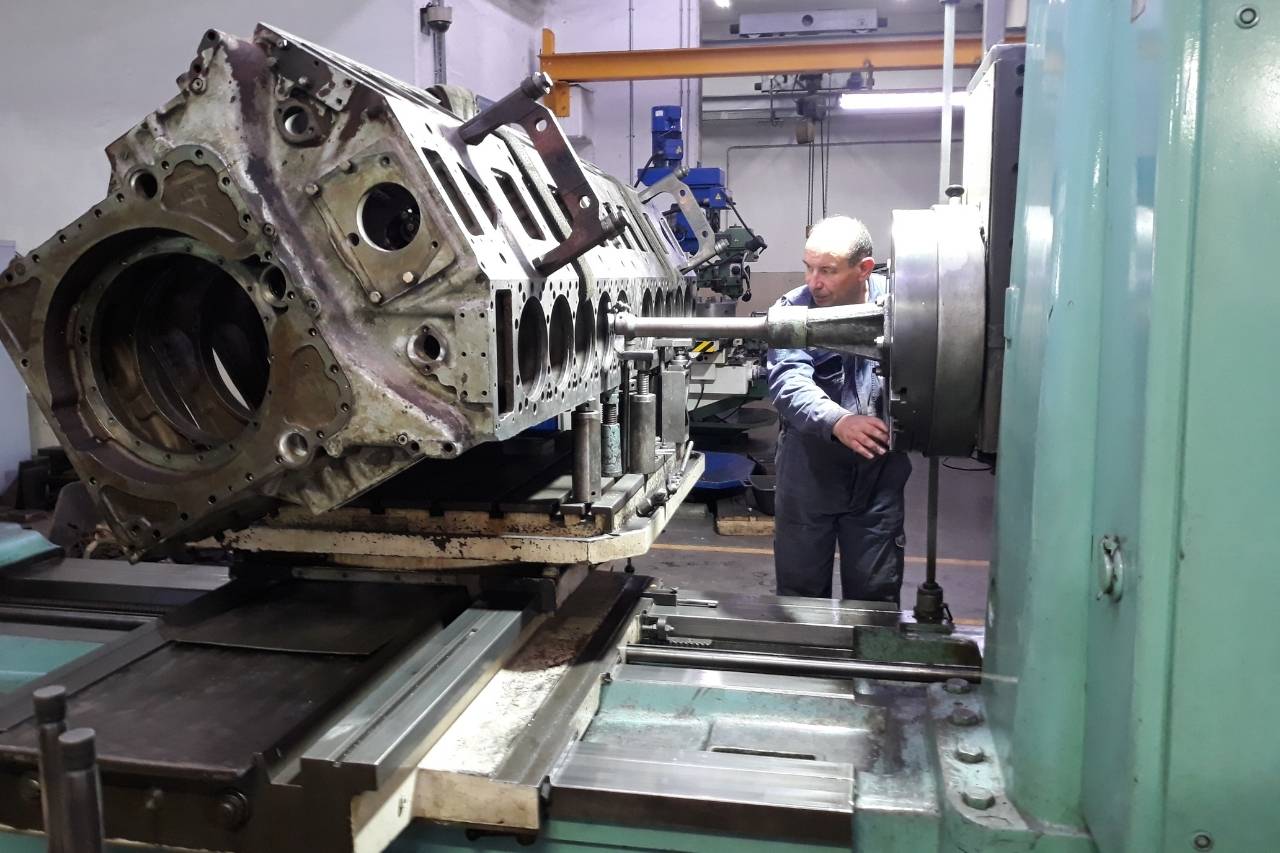
Engine Block Machining
The engine block is the structural foundation of the engine. Preventive block machining may include:
- Align boring or align honing of main bearing bores
- Deck resurfacing
- Cylinder sleeving or bore correction
Correct block geometry ensures crankshaft stability, proper oil clearance, and consistent wear patterns.
Crankshaft Polishing and Grinding
Crankshafts must maintain precise journal geometry to support stable oil film lubrication. Preventive crankshaft machining includes:
- Journal polishing to restore surface finish
- Grinding when wear exceeds limits
- Dimensional verification
These steps reduce bearing stress and prevent lubrication failure.
Connecting Rod Machining
Small dimensional errors in connecting rods can cause vibration and uneven loading. Preventive rod machining includes:
- Bushing replacement
- Bore resizing
- Straightness and alignment checks
Correcting these issues early protects bearings and extends engine life.
The Preventive Diesel Engine Machining Process
A structured process ensures consistent, repeatable results.
- Initial Measurement
All components are measured against OEM specifications to identify wear and distortion. - Non-Destructive Testing
Magnaflux and pressure testing detect hidden cracks, porosity, or leaks. - Precision Machining
Specialized diesel engine machinery restores geometry, surface finish, and alignment. - Verification and Quality Control
Final measurements confirm tolerances meet specification. - Assembly Readiness
Components are returned clean, verified, and ready for installation.
This process removes guesswork and prevents repeat failures.
Machining vs Replacement: When Early Intervention Makes Sense
Preventive diesel engine machining is often the correct solution when:
- Core components are structurally sound
- Wear remains within machinable limits
- Downtime cost is high
- OEM replacement lead times are long
- Reliability and service life are priorities
Replacement becomes necessary only when damage exceeds safe machining limits. A professional diesel engine machine shop evaluates each component to determine the safest and most cost-effective option.
Why Motor Service Group for Preventive Diesel Engine Machining
Motor Service Group is a precision diesel engine machine shop based in Miami with decades of experience servicing heavy-duty engines.
Our approach focuses on:
- Precision measurement and inspection first
- Specialized diesel engine machining equipment
- OEM-aligned tolerances and documented processes
- Correcting root causes, not masking symptoms
By addressing geometry, alignment, and surface conditions early, we help customers reduce diesel engine rebuild cost, limit downtime, and extend engine service life.
Frequently Asked Questions
Does preventive diesel engine machining really reduce rebuild costs?
Yes. Early machining limits damage spread, reduces repair scope, and prevents repeat failures that drive rebuild costs higher.
Is machining always better than replacing parts?
Not always. Machining is ideal when components are structurally sound. Replacement is required when cracks or distortion exceed safe limits.
How often should engines be inspected for machinable wear?
Inspection frequency depends on application and duty cycle. Engines with repeat issues, high hours, or overheating events should be evaluated immediately.
When to Contact a Diesel Engine Machining Specialist
You should contact a diesel engine machining specialist if you experience:
- Repeated diesel engine failures
- Loss of oil pressure or compression
- Overheating damage
- Increasing maintenance costs with no clear cause
Preventive diesel engine machining is one of the most effective ways to protect uptime, control cost, and extend engine life.
Contact Motor Service Group to evaluate your components and determine whether early intervention can prevent a costly rebuild.