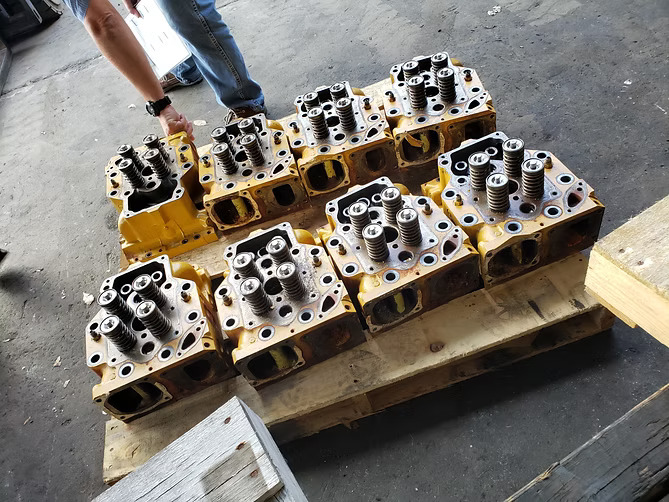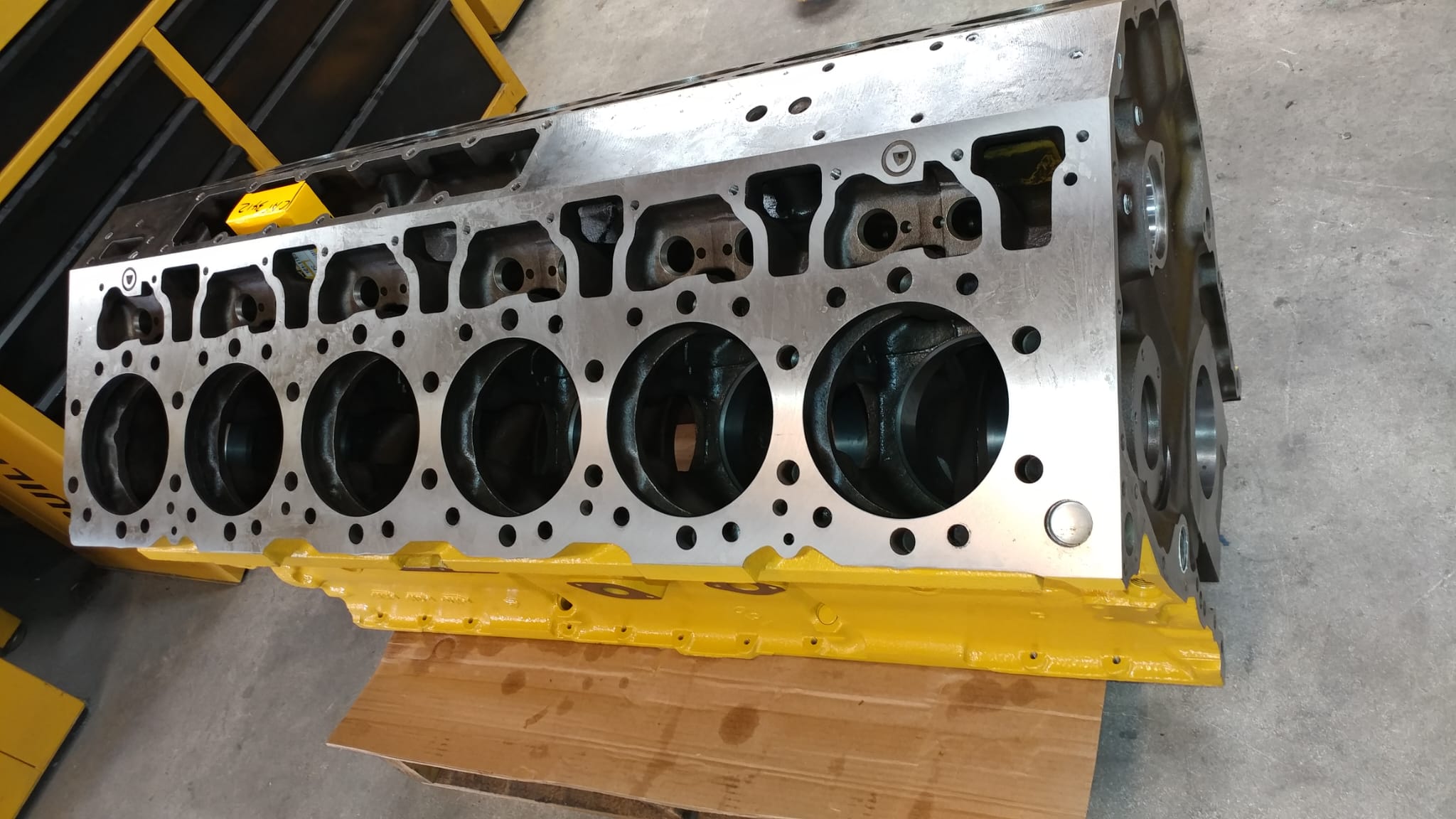


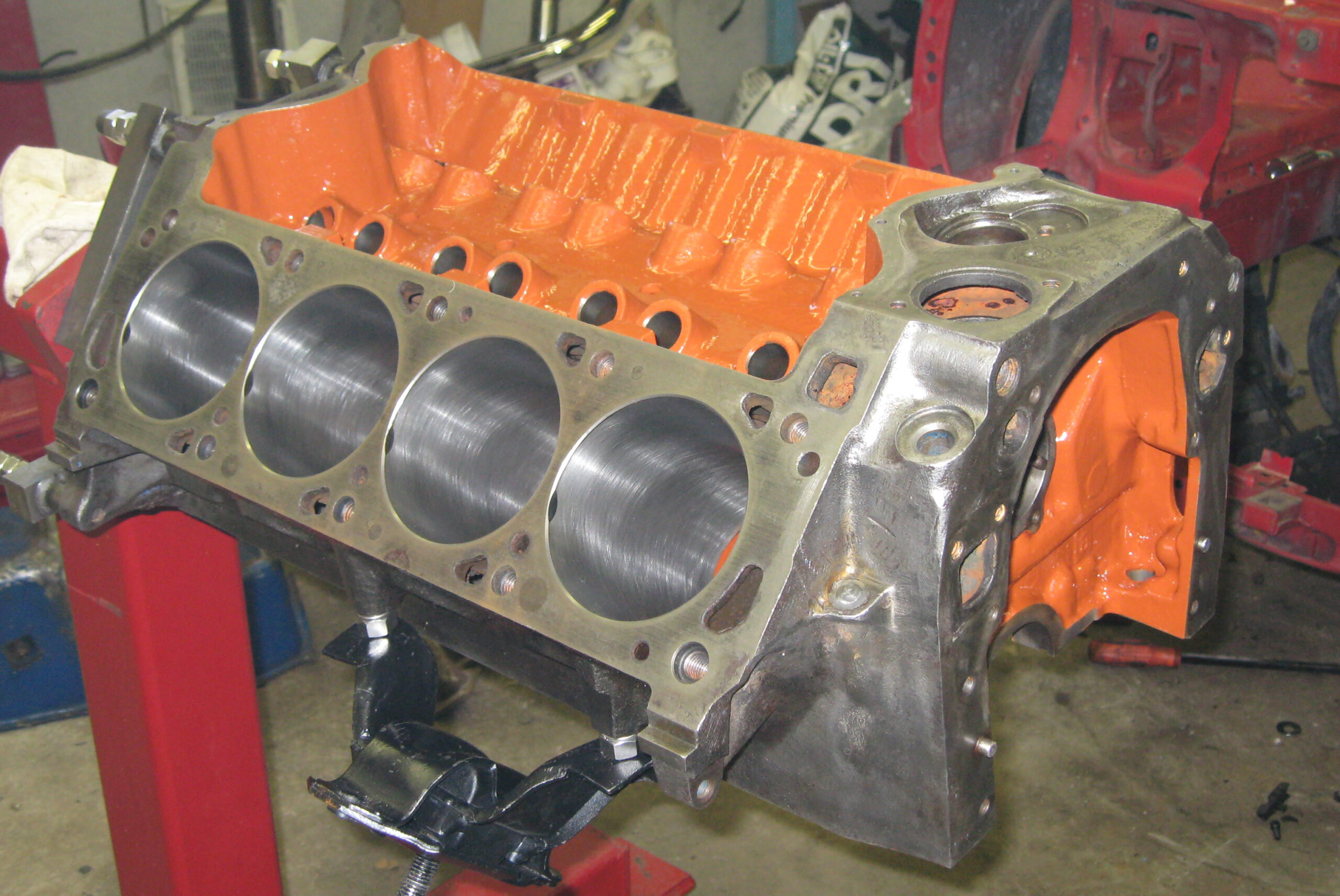
Engine block sleeving is one of the most effective repair methods for damaged or worn diesel cylinders. When performed correctly, it restores structural integrity, maintains compression, and extends engine life. When performed incorrectly, it becomes a temporary fix that leads to repeat failure.
Heavy duty diesel engines operate under high compression, continuous load, and extreme temperature conditions. Because of this, sleeve installation must follow strict machining standards and tolerance control.
This guide explains when engine block sleeving is a permanent repair, when it fails prematurely, and how precision machining determines long term reliability.
What Is Engine Block Sleeving and Why It Is Used in Diesel Rebuilds
Engine block sleeving involves machining the damaged cylinder bore and installing a new metal sleeve to restore proper dimensions and structural stability.
Structural Function of Cylinder Sleeves in Diesel Engines
Cylinder sleeves:
- Restore correct bore diameter
- Provide a hardened wear surface
- Support piston ring sealing
- Maintain compression integrity
In diesel engines, sleeves must withstand high combustion pressure and heat cycles.
Common Causes of Cylinder Wall Damage
Sleeving is required when cylinder walls suffer:
- Deep scoring from piston ring failure
- Cracks caused by overheating
- Corrosion damage
- Wear beyond oversize boring limits
Before sleeving is recommended, accurate cylinder bore wear measurement and tolerance verification determine whether the cylinder exceeds manufacturer specifications.
When the original cylinder wall can no longer support proper geometry, sleeving becomes necessary.
When Sleeving Is Preferred Over Boring
Boring is suitable when wear remains within oversize limits. Sleeving is required when:
- Damage exceeds oversize machining allowance
- Structural integrity is compromised
- The engine must return to standard bore size
Correct diagnosis determines the appropriate repair.
Diesel Engine Block Sleeving in Heavy-Duty Applications
Diesel engine block sleeving requires higher precision than automotive applications due to operating conditions.
Differences Between Automotive and Diesel Engine Sleeving
Heavy duty diesel engines experience:
- Higher compression ratios
- Greater torque loads
- Continuous operation under stress
These factors demand tighter machining control.
Continuous Load and High Compression Considerations
In fleet, marine, and industrial applications, sleeves must maintain:
- Stable ring sealing
- Consistent oil control
- Resistance to thermal distortion
Improper installation can lead to sleeve movement or failure.
Why Precision Matters in Industrial Diesel Engines
Professional diesel engine block sleeving requires:
- Accurate bore preparation
- Correct interference fit
- Final honing to precise clearance
Measurement and documentation are critical to long term success.
Cylinder Sleeve Installation: Process, Tolerances and Critical Measurements
Cylinder sleeve installation is a controlled machining process that requires strict tolerance management.
Preparing the Block for Sleeve Installation
Preparation includes:
- Boring the damaged cylinder
- Cleaning the block thoroughly
- Measuring bore dimensions accurately
Proper preparation ensures correct sleeve fit.
Interference Fit and Bore Preparation Standards
The sleeve must fit tightly within the block using calculated interference. Too loose and the sleeve may shift. Too tight and the block may distort.
Correct interference fit depends on:
- Material compatibility
- Temperature expansion factors
- Manufacturer specifications
Final Honing and Surface Finish Requirements
After installation, honing establishes:
- Final bore diameter
- Correct piston-to-wall clearance
- Proper crosshatch pattern
Surface finish affects oil retention and ring seating.
Measurement and Documentation After Installation
Professional machine shops verify:
- Bore roundness
- Taper
- Final clearance
- Surface finish quality
Documented measurements protect rebuild integrity.
When Engine Block Sleeving Is a Permanent Repair
Engine block sleeving becomes a permanent repair when executed correctly and when the root cause of damage is addressed.
Proper Interference Fit and Structural Stability
Correct sleeve fit prevents movement under load and heat cycles.
Correct Cooling and Lubrication Conditions
Sleeving alone does not solve:
- Cooling system deficiencies
- Oil contamination
- Overheating issues
Underlying problems must be corrected to ensure durability.
Sleeve Material Quality and Compatibility
Sleeve material must match the engine’s thermal and structural demands.
Long-Term Performance in Heavy-Duty Engines
When properly installed, sleeved diesel engines can operate reliably for thousands of service hours.
When Engine Block Sleeving Fails Prematurely
Sleeving fails when precision is compromised or when the root cause is misdiagnosed.
Improper Cylinder Sleeve Installation
Common errors include:
- Incorrect interference fit
- Inadequate bore preparation
- Poor alignment
These mistakes lead to movement, coolant leaks, or cracking.
Incorrect Surface Finish or Honing Errors
Improper honing causes:
- Oil control issues
- Ring seating problems
- Accelerated wear
Coolant Leaks and Seal Failures
Improper sealing in wet sleeve applications leads to contamination and engine damage.
Misdiagnosed Root Cause of Engine Failure
If overheating or lubrication issues are not corrected, the new sleeve will fail again.
Sleeving must be part of a comprehensive machining and inspection process.
Sleeve vs Boring: Choosing the Right Machining Solution
Selecting between sleeving and boring depends on wear severity and structural condition.
Wear Within Oversize Limits
If bore wear remains within allowable oversize dimensions, boring may be sufficient.
Severe Scoring or Structural Cracks
When structural damage exists, sleeving is required to restore integrity.
Cost, Downtime and Longevity Considerations
Sleeving may require more machining time but often provides better long term durability when properly executed.
When Full Engine Block Machining Is Required
In some cases, sleeving must be combined with:
- Deck resurfacing
- Align boring
- Complete block inspection
A professional evaluation determines the complete scope of work.
In many diesel rebuilds, professional engine block machining is required alongside sleeving to correct deck distortion, main bore misalignment, and structural imbalance that affect long term durability.
Common Mistakes That Turn Sleeving into a Temporary Fix
Sleeving becomes temporary when shortcuts are taken.
Skipping Precision Measurement
Failure to measure accurately leads to clearance errors.
Using Incompatible Sleeve Materials
Material mismatch can cause expansion issues and cracking.
Inadequate Block Cleaning and Preparation
Contamination affects sleeve seating and oil passage integrity.
Ignoring Main Bore or Deck Distortion
Sleeving alone does not correct overall block misalignment.
Precision machining requires comprehensive inspection.
Why Choosing a Precision Diesel Machine Shop in Miami Matters
Heavy duty diesel engines operating in Miami require durability under demanding conditions.
Motor Service Group is a diesel engine machine shop in Miami specializing in precision machining, inspection, and repair of critical diesel engine components.
Professional engine block sleeving requires:
- Advanced machining equipment
- Experienced diesel machinists
- Strict tolerance verification
- Documented quality control
Precision ensures long term engine reliability.
Frequently Asked Questions About Engine Block Sleeving
Q. Is engine block sleeving a permanent repair?
Yes, when installed correctly with proper interference fit, correct surface finish, and accurate machining, sleeving can provide long term durability.
Q. How long does a sleeved diesel engine last?
Service life depends on installation quality, operating conditions, and proper maintenance. Correctly installed sleeves can perform reliably for thousands of hours.
Q. Can a cracked cylinder wall always be sleeved?
Many cracked cylinder walls can be repaired with sleeving, but structural assessment is required to determine suitability.
Q. Does sleeving affect compression or oil pressure?
When performed correctly, sleeving restores proper compression and maintains stable oil pressure.
Q. How precise must cylinder sleeve installation be?
Clearances must be controlled to thousandths of an inch. Small deviations can affect durability.
Restore Diesel Engine Reliability with Professional Sleeving
Engine block sleeving is a permanent repair when performed with precision, proper diagnosis, and correct machining standards. When shortcuts are taken, it becomes a temporary solution that leads to repeat failure.
Motor Service Group provides professional diesel engine block sleeving in Miami with strict measurement control, accurate machining, and documented quality standards.
If your diesel engine requires sleeve repair, schedule a professional inspection with Motor Service Group. Precision machining is the difference between short term repair and long term reliability.