

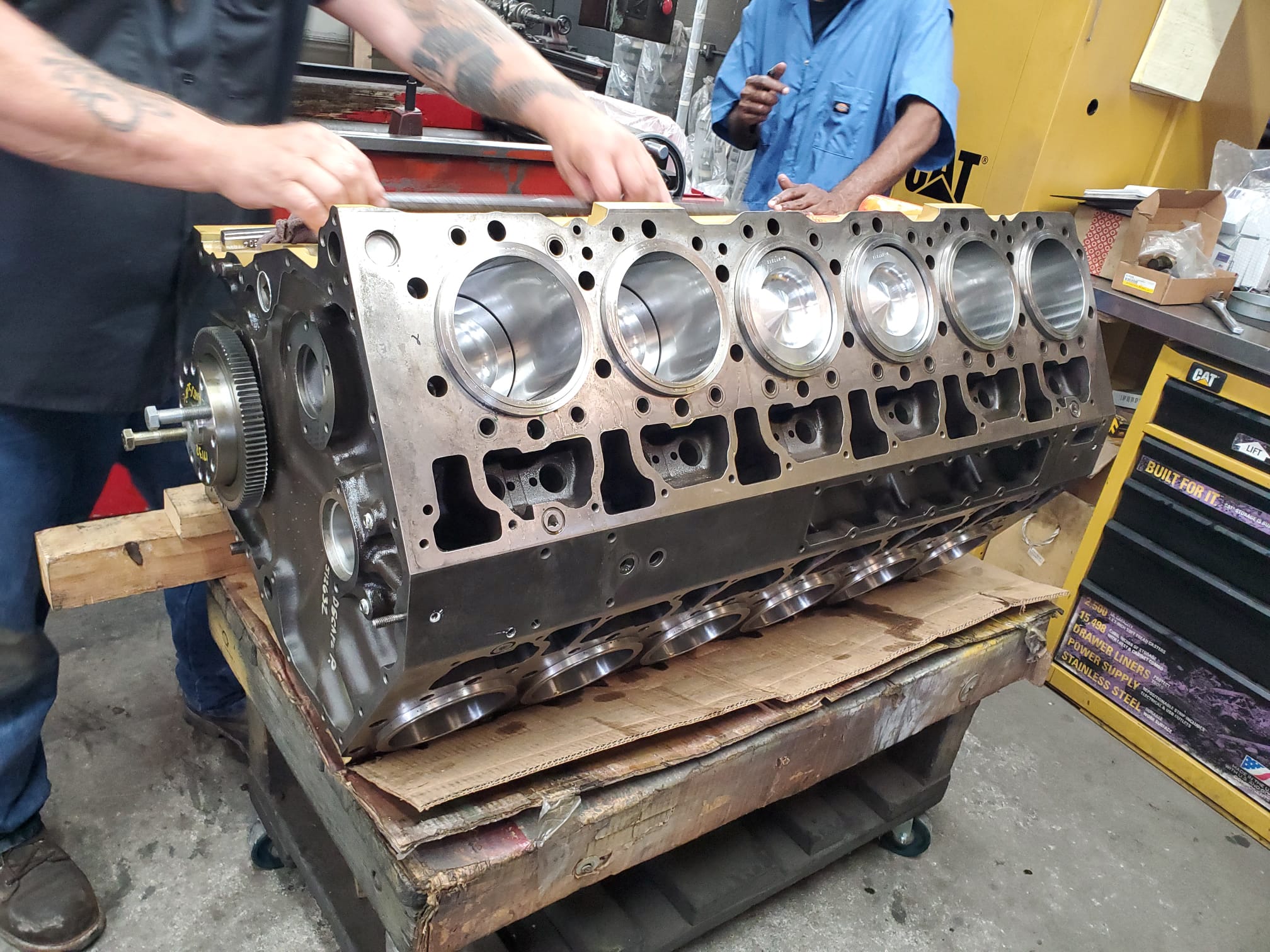
Engine block machining is a critical process in restoring diesel engines that have suffered wear, overheating, or internal damage. When cylinder geometry, deck flatness, or main bore alignment falls outside OEM tolerances, engine performance, oil control, and compression are compromised—often leading to repeat failures if not properly corrected.
In heavy-duty diesel, industrial, marine, and fleet applications, the engine block is the structural foundation of the engine. If that foundation is distorted, even new internal components will fail prematurely.
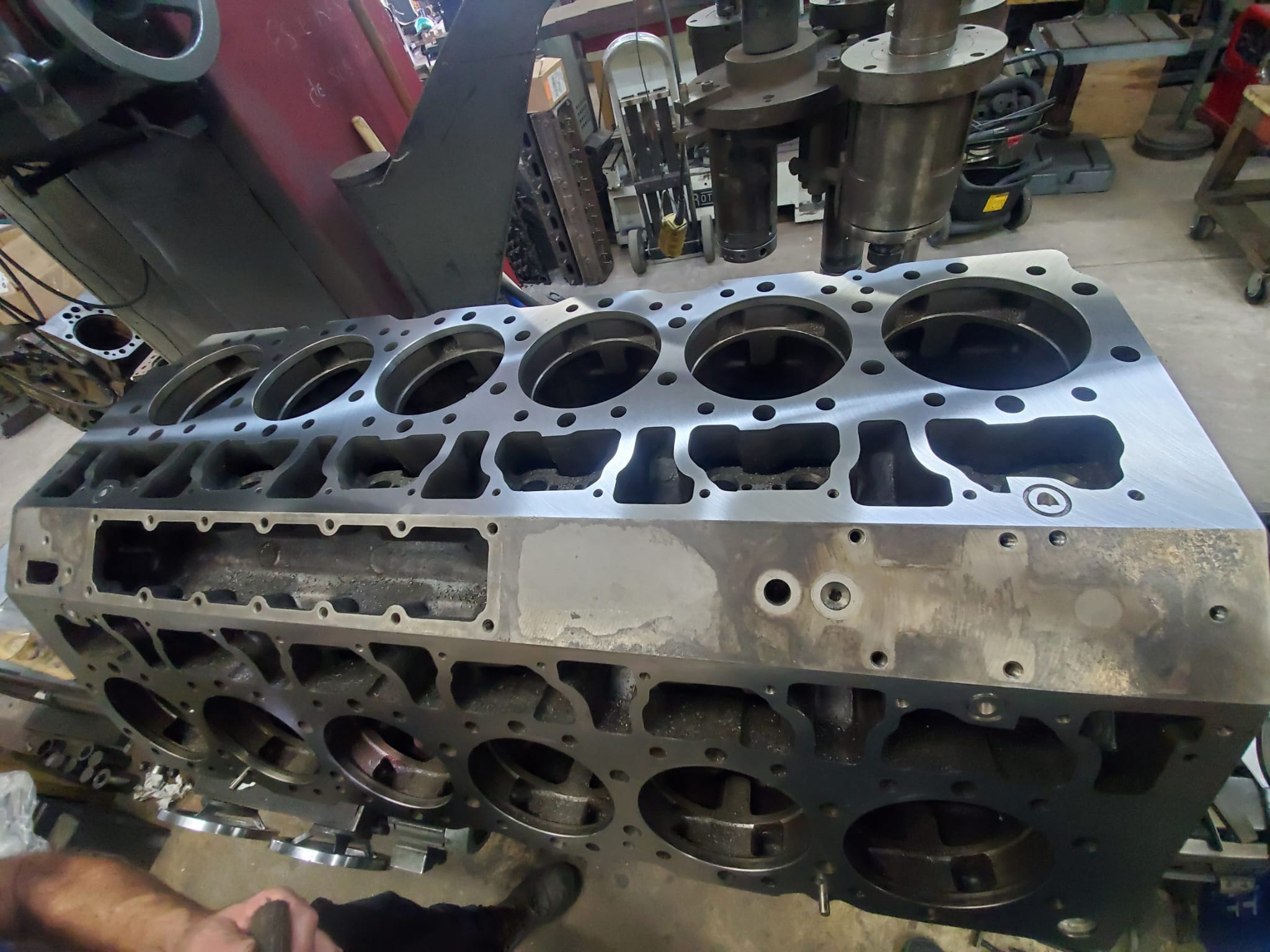
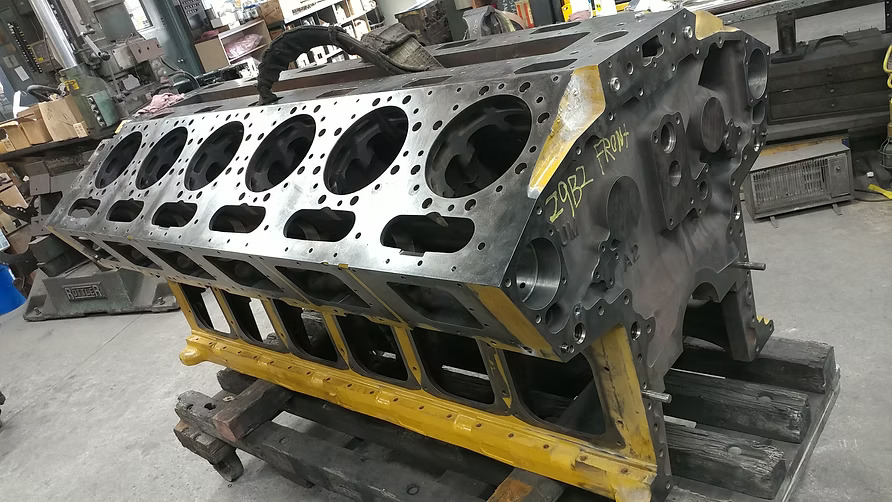
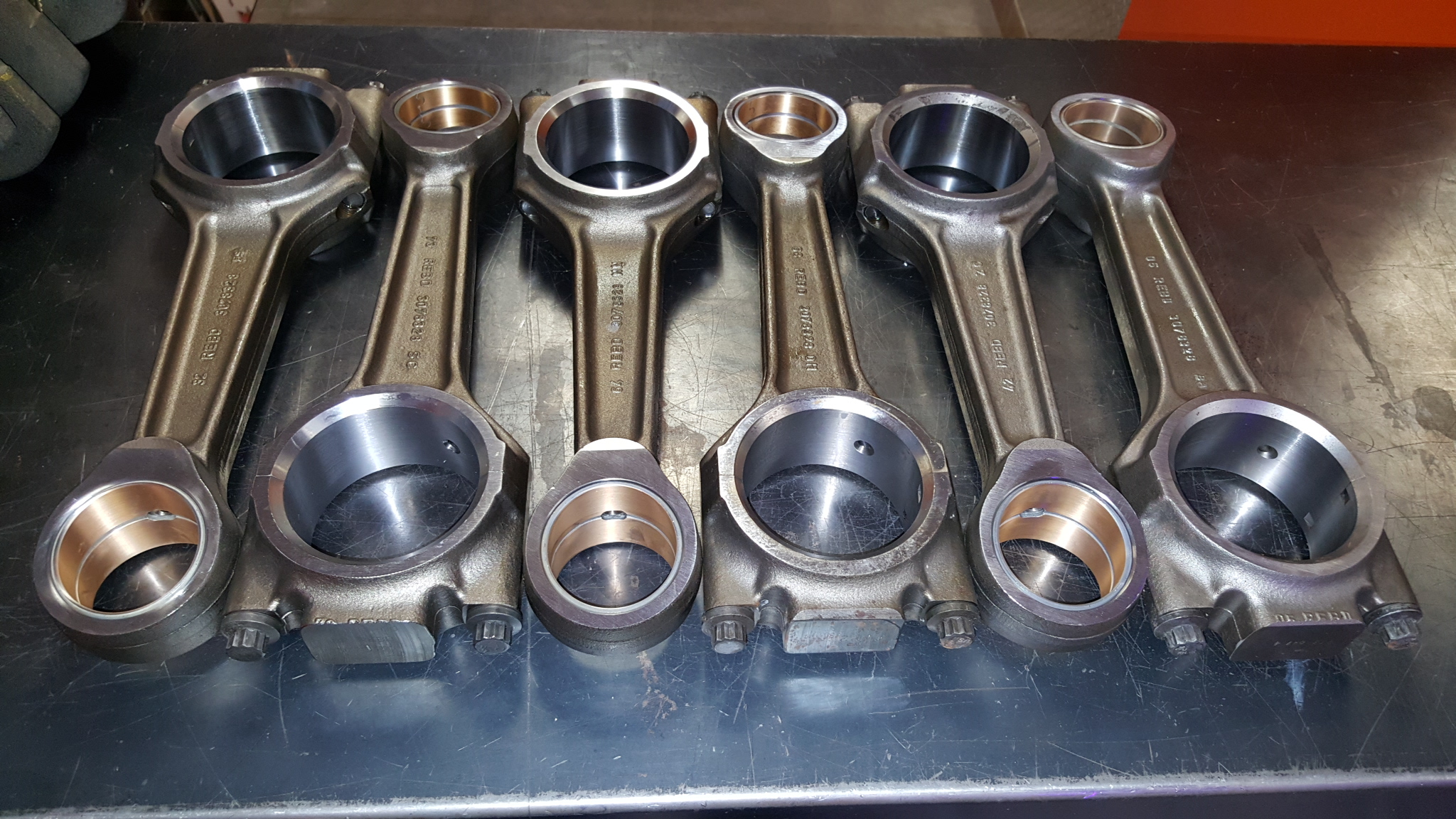
This guide explains engine block machining, including cylinder block sleeving, deck surfacing, and align boring, and shows how these precision machining operations restore engine geometry, reliability, and service life.
What Is Engine Block Machining?
Engine block machining is the precision restoration of a diesel engine block to factory specifications. Over time, high operating hours, thermal cycling, contamination, and mechanical stress cause distortion and wear that cannot be corrected through standard repair or parts replacement alone.
Diesel block machining focuses on restoring the foundation of the engine so that all internal components operate in proper alignment and within correct tolerances.
Engine block machining restores:
- Correct cylinder geometry
- Proper deck flatness
- Main bearing bore alignment
- Compression consistency
- Oil control and pressure stability
Without correcting block geometry, even a carefully assembled engine will suffer from unstable lubrication, uneven loading, and accelerated wear.
Common Causes of Engine Block Wear and Distortion
Engine block wear develops gradually and is often underestimated. The most common causes include:
- Cylinder bore wear from high operating hours
- Overheating that warps the deck surface
- Main bearing movement or cap distortion
- Oil or coolant contamination
- Previous improper repairs or incomplete machining
These conditions typically result in low compression, excessive oil consumption, bearing damage, or recurring head gasket failures. Reassembling an engine without correcting these issues almost guarantees repeat problems.
Cylinder Bore Wear and Cylinder Block Sleeving
Cylinder bores are exposed to constant friction, heat, and combustion pressure. Over time, they become worn, tapered, or out-of-round.
What Is Cylinder Block Sleeving?
Cylinder block sleeving involves installing a precision-machined sleeve inside a worn cylinder bore to restore the correct diameter, surface finish, and geometry.
This machining process:
- Restores proper compression
- Improves oil control
- Allows reuse of the original engine block
- Extends overall engine service life
Cylinder block sleeving is commonly used in diesel engines where replacement blocks are costly, unavailable, or involve long lead times.
Deck Surfacing: Restoring Flatness and Sealing
The engine block deck must be perfectly flat to ensure proper sealing between the block and the cylinder head.
Why Deck Flatness Matters
An uneven deck surface can cause:
- Head gasket failure
- Coolant or combustion gas leaks
- Compression loss
- Chronic overheating
Precision deck surfacing restores flatness and ensures reliable sealing under high combustion pressures. Surface finish is equally important, as incorrect finish can prevent gaskets from sealing properly even on a flat surface.
Align Boring Diesel Engine Blocks
The main bearing bores support the crankshaft and must be aligned along a precise centerline.
What Is Align Boring?
Align boring diesel engine blocks corrects misalignment in the main bearing bores caused by:
- Bearing failures
- Overheating
- Block distortion
- Main cap movement
During align boring, material is precisely removed so all main bores are brought back into perfect alignment. This ensures proper oil clearance, crankshaft stability, and even load distribution across bearings.
Misalignment in the main bores is a common root cause of repeat bearing and crankshaft failures.
How Engine Block Machining Restores Performance
Proper engine block machining directly improves:
- Compression consistency across cylinders
- Oil pressure and lubrication stability
- Bearing life and crankshaft durability
- Thermal efficiency
- Long-term engine reliability
Without correcting block geometry, new pistons, bearings, and rings are forced to operate under uneven stress, dramatically shortening engine life.
The Engine Block Machining Process (Step by Step)
A professional diesel block machining process follows a structured workflow:
1. Inspection and Measurement
The engine block is measured against OEM specifications to identify wear, taper, and distortion.
2. Crack Detection and Evaluation
Non-destructive testing identifies cracks or structural issues that would make machining unsafe.
3. Precision Machining Operations
Depending on condition, this may include:
- Cylinder block sleeving
- Deck surfacing
- Align boring main bearing bores
4. Quality Control Verification
All critical dimensions are rechecked to confirm tolerances are within specification.
5. Final Preparation
The block is cleaned, verified, and returned ready for assembly.
This process ensures repeatable, high-quality results and reduces the risk of premature failure.
When Engine Block Machining Is Required
Professional engine block machining is typically required when engines show:
- Low or uneven compression
- Excessive oil consumption
- Repeated head gasket failures
- Bearing or crankshaft damage
- Overheating-related distortion
Reassembling an engine without correcting block geometry usually leads to repeat failures, even when new internal components are installed.
Why Choose a Professional Diesel Block Machining Shop
Not all repair facilities are equipped for true diesel block machining. A specialized shop provides:
- Heavy-duty machining equipment
- Experienced diesel machinists
- OEM-aligned tolerances
- Documented quality control and inspection
These capabilities are essential for restoring reliability in heavy-duty diesel engines used in industrial, fleet, marine, and power generation applications.
Frequently Asked Questions
Q. How do I know if my engine block needs machining?
Symptoms include repeated bearing failures, head gasket issues, low compression, excessive oil consumption, or a history of overheating. Only proper measurement and inspection can confirm the need.
Q. Is engine block machining always better than replacement?
Not always. Machining is ideal when the block is structurally sound. Replacement is required if cracks, distortion, or damage exceed safe machining limits.
Q. Can engine block machining really prevent repeat failures?
Yes. Most repeat engine failures occur because block geometry and alignment were never corrected. Precision machining addresses these root causes.
When to Contact Motor Service Group
If your engine block shows signs of wear, distortion, or internal damage, professional machining may be the most cost-effective solution.
Contact our team to evaluate your engine block and determine whether cylinder block sleeving, deck surfacing, or align boring is required to restore reliable performance and long-term engine life.