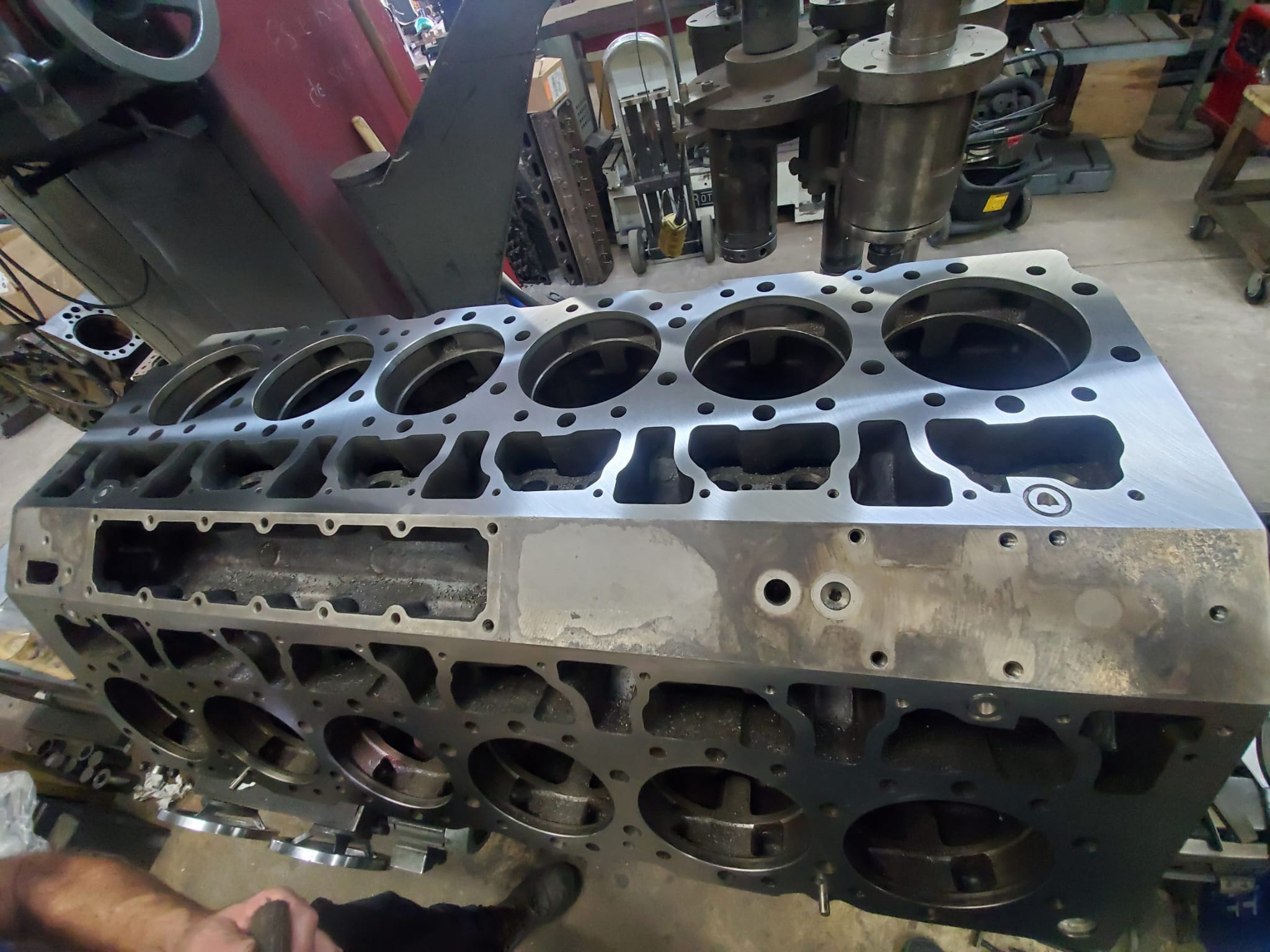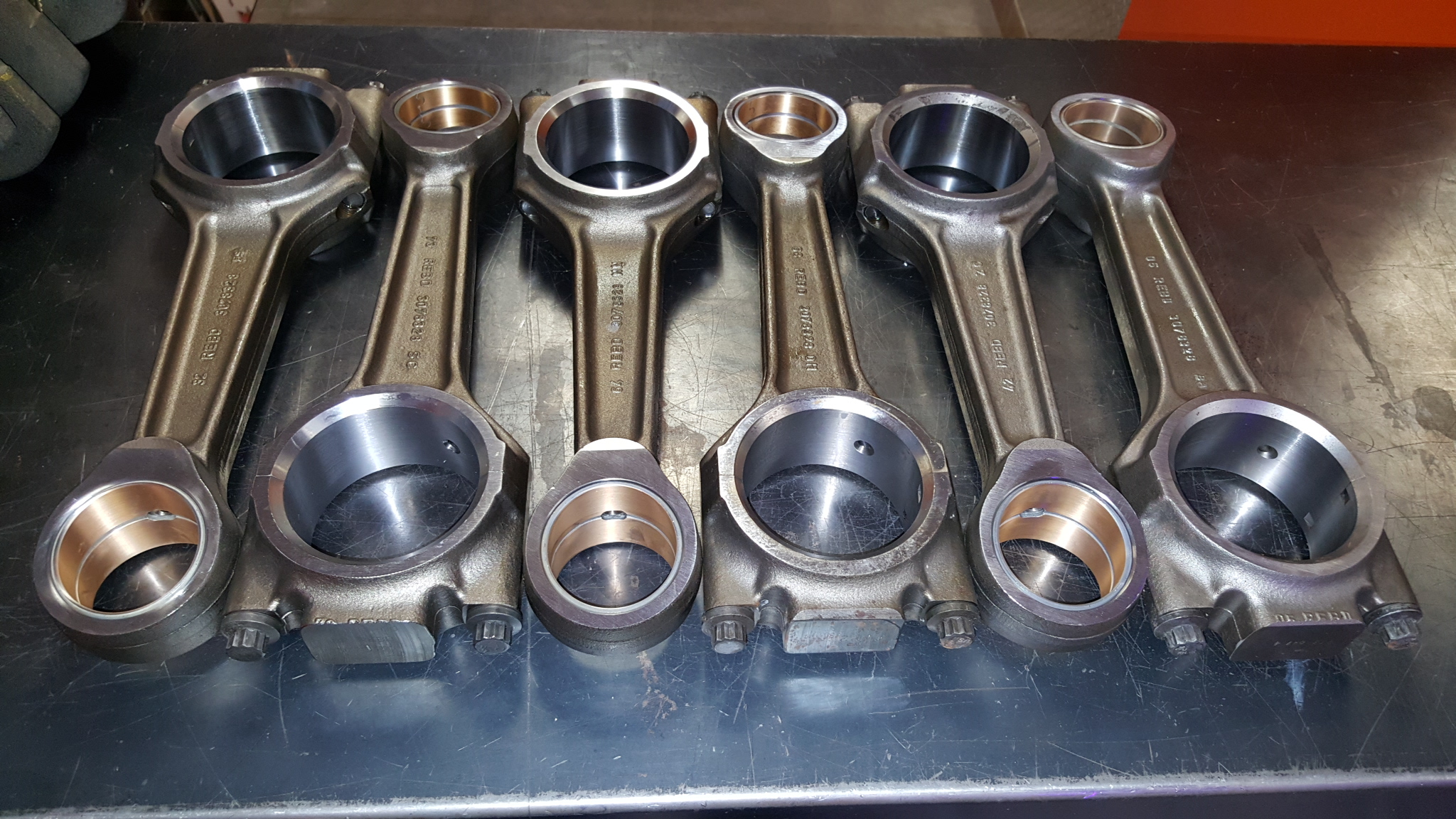


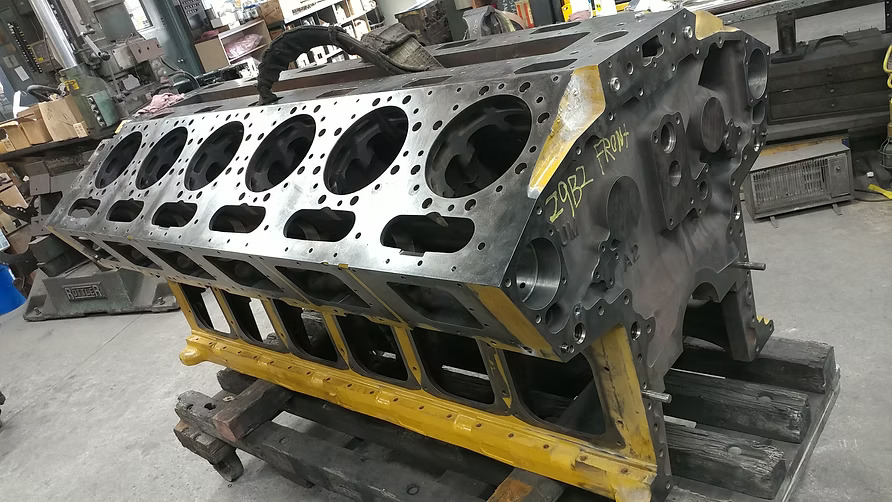
A diesel rebuild can only be as accurate as the preparation behind it. Before measurements are trusted, cracks are checked, or machining begins, the block has to be clean. Oil residue, rust, sludge, scale, and old gasket material can hide damage and interfere with inspection. That is why an engine block cleaning service is not just a cosmetic step. It is a critical part of rebuild quality. Motor Service Group is a diesel engine machine shop in Miami focused on precision machining, inspection, and repair of critical engine components for heavy-duty, marine, industrial, and fleet applications.
What Is an Engine Block Cleaning Service?
An engine block cleaning service is the process of removing grease, oil, sludge, rust, carbon, and other contamination from the block so it can be properly inspected and prepared for machining or assembly. In professional machine-shop work, cleaning also includes attention to oil galleries, coolant passages, bolt holes, deck surfaces, and hard-to-reach internal areas where debris can remain trapped. Trade machine-shop sources consistently describe thorough cleaning as a required first step before inspection and machining.
What engine block cleaning includes
A professional engine block cleaning process may involve:
- removing grease and sludge from exterior surfaces
- clearing oil galleries and coolant passages
- removing rust, carbon, and scale buildup
- stripping old gasket residue from sealing surfaces
- preparing the block for crack detection, measurement, and machining
The exact cleaning method can vary, but the goal is always the same: reveal the true condition of the part before important repair decisions are made.
Why engine block cleaning is more than a cosmetic step
A dirty block can hide pitting, corrosion, cracks, and surface damage. It can also leave debris in passages that later circulates through the rebuilt engine. In other words, engine block cleaning affects visibility, inspection accuracy, machining quality, and long-term reliability. Top machine-shop references stress that cleaning happens before machining because contamination distorts the process from the start.
Why Engine Block Cleaning Matters Before Machining
In precision diesel work, clean parts support accurate work. If residue remains on the block, the machinist may not get true measurements or a clear read on the condition of the deck, bores, and passages. That matters because machining decisions should be based on the actual condition of the component, not on what is visible through contamination. Motor Service Group’s own engine block machining content emphasizes accurate measurement, controlled tolerances, and documented quality, which all depend on proper preparation.
Why accurate machining starts with a clean block
Cleaning supports machining by:
- exposing the real condition of the deck and cylinder areas
- preventing debris from affecting measurements
- making crack detection and inspection more reliable
- improving preparation before resurfacing, boring, or align boring
Machine-shop sources note that cleaning and pre-machining inspection belong together because contaminants can interfere with the entire workflow.
How cleaning supports inspection and rebuild quality
A clean block allows the shop to better evaluate:
- deck damage
- corrosion and pitting
- coolant contamination
- wear patterns
- possible cracks or structural issues
This leads to better repair decisions and reduces the chance of repeat failure after reassembly. For a diesel rebuild, that is a major advantage because unresolved issues often show up later as downtime, sealing problems, or shortened service life.
When Does a Diesel Engine Block Need Cleaning?
A diesel engine block should be cleaned whenever it is being prepared for serious inspection, machining, or rebuild work. The need becomes even greater after overheating, internal failure, coolant contamination, or long service intervals in demanding applications. Diesel engines in marine, fleet, industrial, and construction service often operate under high loads and extended duty cycles, which can leave heavier contamination and more severe buildup inside the block. MSG specifically serves these diesel applications in Miami.
Before inspection and precision measurement
Before checking dimensions or surface condition, the block has to be clean enough to reveal what is really happening. Otherwise, sludge and residue can mask the condition of the part and make precision work less reliable.
Before engine block milling or resurfacing
Cleaning is especially important before deck evaluation and surface machining. A dirty block makes it harder to inspect the deck correctly, identify pitting or corrosion, and determine whether milling engine block is needed.
During rebuilds after failure, overheating, or contamination
If an engine has suffered a failure, the block may contain metal debris, coolant residue, burnt oil deposits, or sludge. In those cases, cleaning is not optional. It is part of protecting the rebuild from contamination-related damage after assembly.
What Problems Can Poor Engine Block Cleaning Cause?
Poor engine block cleaning can turn a rebuild into a gamble. The block may look acceptable on the surface while hidden contamination and damage remain inside critical areas.
Missed damage during inspection
If the block is dirty, the shop may have a harder time spotting cracks, corrosion, pitting, or deck damage. Good inspection depends on visibility and access to clean surfaces.
Reduced machining accuracy
Debris, residue, and scale can affect setup, evaluation, and measurement. For precision diesel machining, that creates unnecessary risk.
Contamination after reassembly
If sludge or residue remains inside passages, that contamination can circulate after the engine goes back into service. That puts bearings, oil flow, and overall reliability at risk.
How a Professional Engine Block Cleaning Service Works
A quality engine block cleaning service follows a process, not a shortcut. Machine shops may use different systems, but the best results come from thorough preparation and verification.
Pre-cleaning the block
The first step is often removing heavy grease, gasket residue, sludge, and loose contamination so the main cleaning process can work more effectively.
Using the right cleaning method for the application
Professional shops may use hot tanks, jet washers, water-based detergents, spray systems, or other heavy-duty cleaning methods depending on the block material and contamination level. Industry sources describe these systems as part of modern engine-part cleaning workflows.
Final cleaning before machining or inspection
Once major contamination is removed, the block should be checked again so passages and surfaces are ready for inspection, measurement, and machining. This step matters because the next repair decision depends on the block being clean enough to evaluate correctly.
Diesel Engine Block Cleaning and Precision Machining
Diesel engine block cleaning is not separate from machining quality. It is part of it. In a precision shop, cleaning supports inspection, inspection supports correct machining, and correct machining supports long-term reliability. That process matches Motor Service Group’s positioning as a diesel engine machine shop in Miami focused on precision machining, inspection, and repair of key engine components.
Why diesel engine block cleaning is especially important
Diesel engines often operate longer, hotter, and under heavier loads than many lighter-duty applications. That makes contamination, heat-related residue, and wear byproducts more serious concerns during rebuild preparation.
How cleaning fits into a full diesel machining workflow
Cleaning supports:
- inspection
- crack detection
- surface evaluation
- engine block milling
- boring and align boring
- final rebuild quality control
That is why cleaning should be treated as a foundational service, not a side task, especially in diesel rebuilds where related work such as connecting rod polishing also depends on clean, inspection-ready components.
Why Choose Motor Service Group for Engine Block Cleaning Service in Miami
Motor Service Group has delivered diesel engine machining in Miami since 1949 and positions its shop around precision inspection, machining, and repair for critical diesel components. Its facility supports marine engines, construction equipment, fleet vehicles, generators, and industrial diesel platforms. That makes MSG a strong fit for customers who need engine block cleaning as part of a larger machining and rebuild process, not as an isolated wash-only service.
Frequently Asked Questions About Engine Block Cleaning Service
What is included in an engine block cleaning service?
It usually includes removal of grease, oil, sludge, rust, carbon, and old gasket material, plus cleaning of passages and surfaces so the block can be inspected and machined properly.
Why is engine block cleaning necessary before machining?
Because dirt and residue can hide damage and interfere with measurement, inspection, and machining decisions.
Can a dirty engine block affect rebuild quality?
Yes. Leftover contamination can hide problems during inspection and may circulate later inside the rebuilt engine.
Should engine block cleaning be done before resurfacing or milling?
Yes. Proper cleaning helps the shop evaluate the deck accurately before deciding on machining work.
Prepare Your Engine Block for Precision Machining
If your diesel engine block needs cleaning before inspection, machining, or rebuild work, do not leave the process to guesswork. Motor Service Group provides precision diesel engine machining, inspection, and repair in Miami, with engine block services built around accuracy and long-term reliability. Contact our team to schedule a professional evaluation.